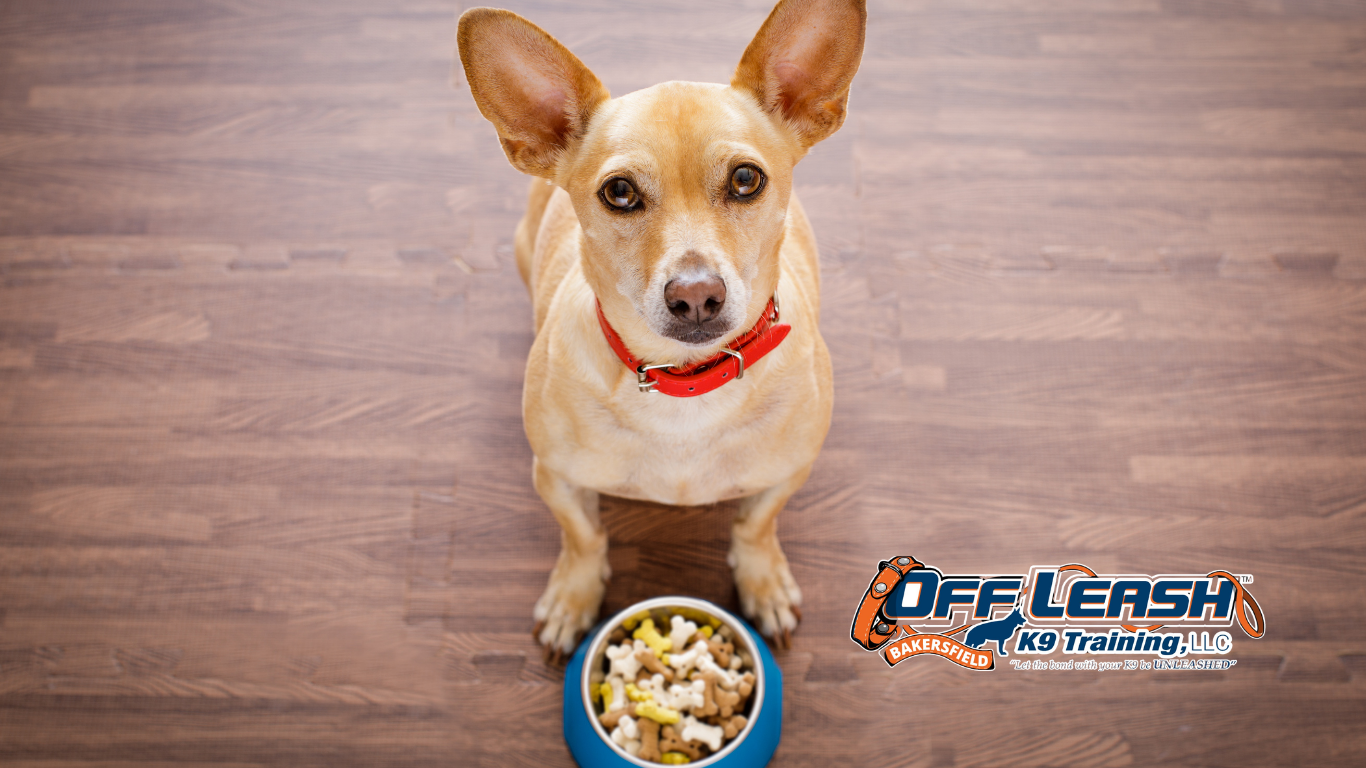
Overexcited Around Food: Why Dogs Get Overexcited Around Food
Overexcited Around Food Dogs are a common challenge for many pet owners. Mealtime should be a calm and enjoyable part of the day, yet some dogs become so excited that they bark, spin in circles, jump on people, grab treats, rush toward their food bowl, or completely ignore previously learned commands. While these behaviors can be frustrating, they are usually not signs of disobedience. Instead, they often reflect high emotional arousal combined with a lack of impulse control.
Food is one of the most valuable rewards for most dogs. Their natural survival instincts encourage them to seek food whenever it becomes available. Although modern dogs no longer need to hunt for every meal, those instincts remain deeply rooted. The sight of a food bowl, the sound of a treat bag opening, or even the smell of dinner cooking can trigger intense excitement.
Dogs that become overexcited around food may display behaviors such as:
- Barking during meal preparation
- Jumping on counters
- Whining
- Spinning in circles
- Rushing to the food bowl
- Stealing food
- Snatching treats
- Ignoring commands
- Guarding food
- Difficulty settling after meals
These behaviors are often learned over time. If excitement consistently leads to food appearing, the dog begins to associate frantic behavior with getting rewarded. Without clear boundaries, the excitement can increase from one meal to the next.
Emotional regulation plays a major role in mealtime behavior. A calm dog can wait patiently, respond to commands, and accept food politely. An emotionally overwhelmed dog, however, often reacts before thinking. This is why teaching patience and self-control is just as important as teaching obedience commands.
For Bakersfield dog owners, calm food manners are especially valuable in busy households, during family gatherings, while dining outdoors at pet-friendly restaurants, or when using food as a reward during training sessions. Dogs that remain composed around food are easier to manage, safer around children, and more successful during obedience training.
Fortunately, food excitement can be improved. By teaching impulse control, reinforcing calm behavior, and creating consistent mealtime routines, most dogs learn that patience—not frantic excitement—is what earns rewards.
Key Takeaways
- Food naturally creates excitement for many dogs.
- Overexcitement is often caused by emotional arousal rather than stubbornness.
- Impulse control helps dogs wait calmly for food.
- Consistent routines reduce frantic mealtime behavior.
- Calm behavior should always earn rewards.
- Emotional regulation improves obedience around food.
- Structured training prevents bad habits from developing.
- Puppies benefit from early mealtime manners.
- Food should reinforce calmness, not excitement.
- Most dogs can learn patient, polite behavior around meals through consistent training.
What Does “Overexcited Around Food Dogs” Mean?
When dogs become overexcited around food, they lose the ability to remain calm and make good decisions whenever food is present. Instead of waiting patiently, they may bark, jump, spin in circles, rush toward the food bowl, grab treats, or ignore commands because their excitement has become stronger than their self-control.
Food is one of the most valuable resources in a dog’s life. Their natural survival instincts encourage them to seek food quickly whenever it becomes available. Although modern dogs receive regular meals, these instincts still influence how they react around food.
Dogs that become overexcited around food may:
- Bark while meals are being prepared
- Whine continuously
- Jump on people
- Spin in circles
- Rush toward the food bowl
- Grab treats roughly
- Ignore obedience commands
- Pull toward food on walks
- Steal food from counters
- Become impatient during training
These behaviors usually reflect emotional arousal rather than stubbornness.
Instead of thinking calmly, the dog’s brain focuses almost entirely on obtaining food as quickly as possible.
Why Calm Food Manners Matter
Teaching calm behavior around food improves much more than mealtime.
Dogs that learn patience around food often develop:
- Better impulse control
- Improved obedience
- Greater emotional regulation
- Better focus during training
- Safer interactions around children
- Improved public manners
Food becomes an opportunity to practice self-control every day.
Why Food Is Such a Powerful Motivator
Food satisfies one of the strongest biological needs.
For thousands of years, dogs and their ancestors survived by locating food whenever opportunities appeared.
Although pet dogs no longer hunt for survival, their brains still recognize food as an extremely valuable reward.
This explains why many dogs become excited when they hear:
- A treat bag opening
- A food container
- The refrigerator door
- Their food bowl
- A can opening
- Dinner being prepared
Even familiar daily routines can trigger anticipation.
Food Creates Strong Learning
Food is one of the most effective training rewards because dogs naturally enjoy earning it.
Rewards help dogs repeat successful behaviors.
However, if excitement consistently leads to food, dogs may accidentally learn that frantic behavior works.
For example:
The dog jumps.
The owner immediately places the food bowl down.
From the dog’s perspective:
“Jumping made dinner happen.”
Over time, excitement becomes stronger.
Every Dog Values Food Differently
Some dogs are extremely food motivated.
Others value:
- Toys
- Praise
- Play
- Exploration
Breed, personality, age, and previous experiences all influence food motivation.
Understanding your dog’s individual motivation helps guide successful training.
Emotional Arousal During Mealtime
Emotional arousal refers to how excited or emotionally activated a dog becomes.
During mealtime many dogs experience:
- Increased heart rate
- Muscle tension
- Faster breathing
- Heightened focus
- Anticipation
These physical changes prepare the dog for action.
Unfortunately, they also reduce self-control.
Why Excitement Reduces Thinking
As excitement increases:
- Patience decreases.
- Focus decreases.
- Listening becomes harder.
- Impulsive behavior increases.
Owners often notice their dog suddenly forgets basic commands despite knowing them well.
The issue is usually emotional state rather than lack of training.
Anticipation Makes Excitement Worse
Dogs quickly recognize daily routines.
For example:
Owner walks toward the kitchen.
Food container opens.
Bowl appears.
Dinner arrives.
After enough repetition, excitement begins before the food even appears.
Eventually, simply hearing footsteps toward the kitchen may trigger barking or spinning.
Why Dogs Ignore Commands Around Food
One of the biggest frustrations owners experience is watching their dog ignore commands once food appears.
A dog that responds perfectly to:
- Sit
- Stay
- Place
- Down
- Wait
may suddenly ignore every cue at mealtime.
This happens because emotional arousal temporarily overrides thoughtful decision-making.
The dog is focused entirely on obtaining food.
Why Attention Narrows
Dogs have limited attention.
When food becomes the highest priority, other information receives less attention.
Owners may notice:
- No eye contact
- No response to their name
- Pulling toward food
- Jumping
- Treat grabbing
- Difficulty remaining still
Teaching emotional regulation expands the dog’s ability to think despite excitement.
Why Calm Dogs Learn Faster
Dogs that remain emotionally balanced can:
- Listen carefully
- Follow instructions
- Wait patiently
- Accept delayed rewards
- Make better decisions
Calmness supports learning.
Excitement often interferes with it.
This is why trainers frequently reward calm behavior before delivering food.
Food Excitement vs. Resource Guarding
Food excitement and resource guarding are not the same behavior.
Food excitement involves:
- High energy
- Anticipation
- Jumping
- Barking
- Whining
- Impatience
The dog’s goal is obtaining food quickly.
Resource guarding is different.
Dogs may:
- Growl
- Stiffen
- Freeze
- Show teeth
- Protect food from people or other animals
The goal becomes keeping possession of the food rather than simply getting it.
Understanding the difference is important because each behavior requires a different training approach.
Why Excitement Can Sometimes Lead to Guarding
Although they are separate behaviors, excessive excitement around food can occasionally increase competition in multi-dog households.
When dogs repeatedly rush meals, frustration may develop.
Teaching calm routines helps reduce unnecessary conflict.
The Role of Impulse Control
Impulse control teaches dogs to pause before acting.
Instead of immediately rushing toward food, they learn to:
- Wait
- Sit
- Make eye contact
- Stay calm
- Follow instructions
These skills transfer into many other areas of life.
Helpful impulse-control exercises include:
- Waiting before meals
- Sitting before treats
- Waiting at doorways
- Remaining on place
- Delayed food rewards
- Hand-feeding exercises
- Leave It practice
Each successful repetition strengthens patience.
Instead of reacting automatically whenever food appears, dogs begin learning that calm behavior consistently leads to rewards. Over time, this emotional self-control improves not only mealtime manners but also obedience, public behavior, and everyday decision-making, creating a calmer, more focused companion.
Common Owner Mistakes
Many owners unintentionally encourage food excitement without realizing it. Because meals happen every day, even small habits can quickly become deeply ingrained. Fortunately, changing those habits can dramatically improve a dog’s patience and self-control.
Rewarding Excited Behavior
One of the most common mistakes is placing the food bowl down while the dog is:
- Barking
- Jumping
- Whining
- Spinning
- Scratching
- Pulling toward the bowl
Although owners simply want to feed their dog, the timing teaches:
“My excitement made dinner happen.”
Instead, wait for a brief moment of calm before delivering the meal.
Giving Food Too Quickly
Many dogs never learn patience because food appears immediately.
Teaching your dog to:
- Sit
- Wait
- Make eye contact
- Stay relaxed
before receiving food builds impulse control every day.
Even waiting five to ten seconds reinforces calm behavior.
Inconsistent Household Rules
If one family member requires calm behavior while another feeds the dog immediately, learning becomes confusing.
Everyone should follow the same routine.
Examples include:
- Sit before meals.
- Wait for release.
- No jumping.
- No barking.
- Calm behavior earns food.
Consistency speeds learning.
Accidentally Encouraging Begging
Giving table scraps after a dog whines, paws, or stares teaches them that persistence works.
Instead, reward calm behavior away from the table if you choose to share food.
Using Food to Stop Excitement
Some owners immediately offer treats whenever their dog becomes overly excited.
This may accidentally reward the excitement itself.
Instead, wait until the dog settles before offering food.
Teaching Calm Mealtime Behavior
Mealtime is one of the best opportunities to practice emotional regulation because it occurs every day.
Small improvements made consistently create lasting habits.
Teach a Reliable Wait
Ask your dog to:
- Sit
- Wait calmly
- Maintain eye contact
before placing the food bowl on the floor.
Release them only after they remain calm.
Gradually increase the waiting time as your dog improves.
Reward Calm Choices
Notice and reward behaviors such as:
- Sitting quietly
- Relaxed body language
- Looking at you
- Waiting patiently
- Gentle treat taking
Dogs repeat behaviors that consistently earn rewards.
Practice Hand Feeding
Hand feeding portions of your dog’s meal helps teach:
- Patience
- Focus
- Gentle mouths
- Owner engagement
This also strengthens the relationship between dog and owner.
Use Food During Training
Meals do not always have to come from a bowl.
Using part of your dog’s daily food during obedience practice teaches that calm behavior earns valuable rewards.
Commands such as:
- Sit
- Down
- Place
- Heel
- Stay
- Touch
all become opportunities to reinforce emotional control.
End Meals Calmly
After eating, encourage relaxation instead of immediately beginning exciting activities.
Helpful post-meal routines include:
- Quiet rest
- Place training
- Calm chewing
- Gentle sniff walks
These routines help dogs transition smoothly from excitement back to relaxation.
Overexcited Around Food Dogs in Bakersfield
Many Bakersfield dog owners use food rewards during walks, obedience classes, puppy socialization, and public outings.
Busy environments such as:
- Parks
- Pet-friendly stores
- Outdoor shopping centers
- Farmers markets
- Training facilities
- Community events
often increase excitement around food.
Professional training helps Bakersfield dogs develop:
- Better impulse control
- Calm food manners
- Public obedience
- Emotional regulation
- Focus around distractions
- Reliable engagement with their owner
Dogs that remain calm around food also perform better during real-world training sessions.
Long-Term Benefits of Food Manners Training
Teaching polite food behavior provides benefits far beyond mealtime.
Dogs with good food manners often become:
- More patient
- Better listeners
- Less impulsive
- Easier to train
- More focused during walks
- Better around children
- More relaxed in public
- Less likely to steal food
- Better at handling delayed rewards
- More emotionally balanced
Impulse control developed around food carries over into nearly every area of life.
Frequently Asked Questions
1. Why does my dog get so excited when I prepare food?
Dogs quickly associate sounds, smells, and routines with meals. Anticipation naturally increases excitement, especially if they have learned that excited behavior leads to food.
2. Is food excitement normal?
Yes. Most dogs become excited about food. The goal is not to eliminate excitement but to teach them how to express it calmly.
3. Why does my dog ignore commands before meals?
4. Can puppies learn calm food manners?
Absolutely. Puppyhood is the ideal time to teach patience, waiting, and gentle treat-taking before bad habits develop.
5. Should I make my dog sit before every meal?
Yes. Asking for a simple behavior before feeding reinforces impulse control and creates a predictable routine.
6. Is grabbing treats a sign of aggression?
Usually not. Most dogs grab treats because of excitement rather than aggression. Resource guarding, however, involves protecting food after obtaining it.
7. Can hand feeding improve behavior?
Yes. Hand feeding strengthens engagement, teaches gentle manners, and reinforces calm responses around food.
8. Should I use food rewards during training?
Absolutely. Food is one of the most effective rewards when used to reinforce calm, correct behavior.
9. Can professional training improve food manners?
Yes. Professional trainers can teach structured routines that improve impulse control, emotional regulation, and polite behavior around food.
10. Will my dog always be excited about food?
Most dogs will always enjoy food, but with consistent training they can learn to stay calm, patient, and responsive instead of becoming overwhelmed by excitement.
Comprehensive Conclusion
Overexcited Around Food Dogs often struggle not because they are disobedient, but because food is one of the most powerful motivators in their lives. The anticipation of a meal or treat can quickly raise emotional arousal, making it difficult for dogs to think clearly, wait patiently, or respond to commands. Behaviors such as barking, jumping, spinning, rushing the bowl, and grabbing treats are usually signs that excitement has taken over rather than intentional misbehavior.
The good news is that these behaviors can be improved with consistent, structured training. Teaching dogs to sit, wait, make eye contact, and remain calm before receiving food builds impulse control that extends far beyond mealtime. Daily routines, hand feeding, place training, and rewarding calm behavior all help dogs understand that patience—not frantic excitement—is what earns rewards.
For Bakersfield dog owners, strong food manners are especially valuable because treats are commonly used during walks, obedience classes, public outings, and visits to pet-friendly businesses. A dog that can remain calm around food is easier to train, safer around children, more focused in distracting environments, and better prepared for everyday life.
Ultimately, mealtime is more than just feeding your dog—it is an opportunity to teach lifelong skills. Every calm wait before the food bowl, every gentle acceptance of a treat, and every successful moment of self-control strengthens your dog’s emotional regulation. With patience, consistency, and positive reinforcement, most dogs can transform mealtime from a moment of chaos into a daily lesson in confidence, focus, and self-control, creating a happier and more well-mannered companion.
"*" indicates required fields