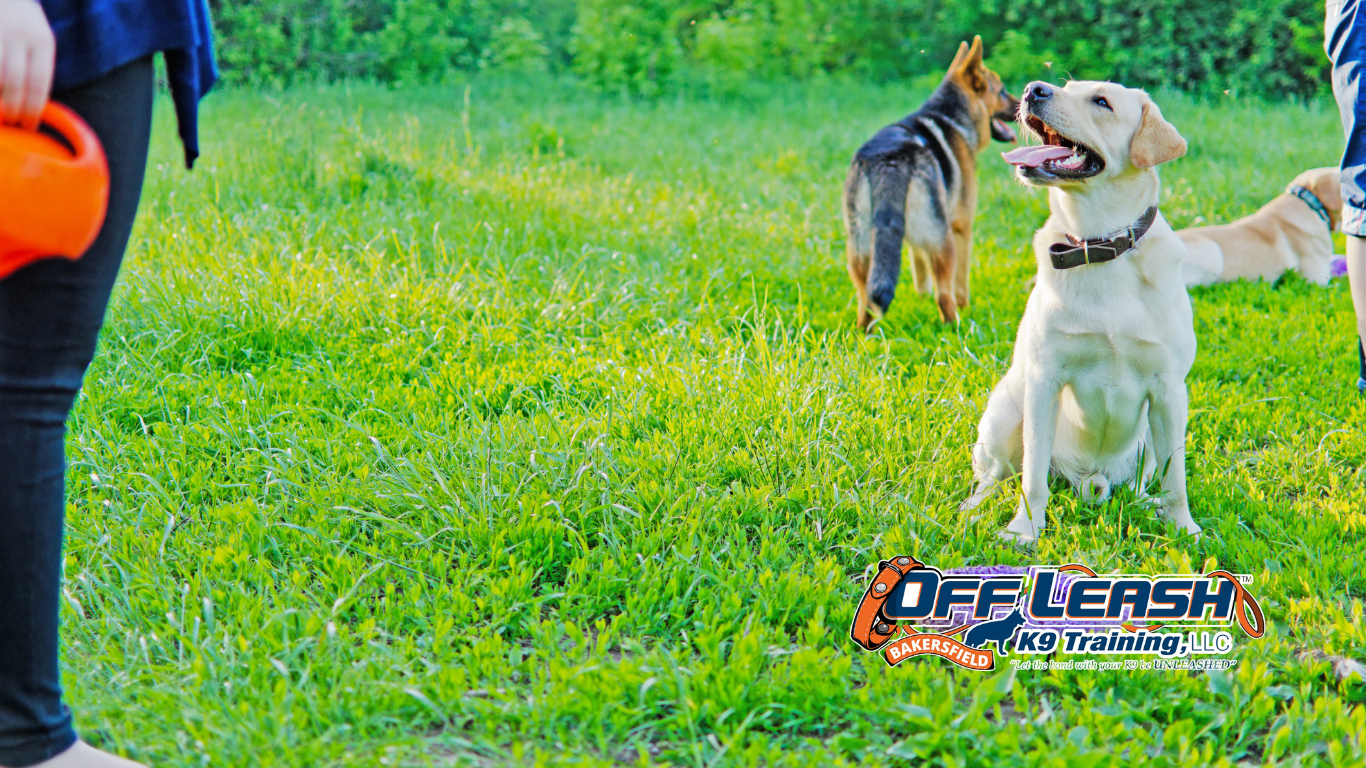
Dogs Need Better Emotional Recovery After Training
Dogs Need Better Emotional Recovery After Training because successful learning depends on more than practicing commands. Many dog owners focus entirely on obedience exercises like sit, stay, heel, and recall, but they overlook what happens after the training session ends. A dog’s emotional state following training can significantly influence how well they retain new skills, recover from excitement, and approach future learning experiences.
Every training session creates some level of emotional arousal. Even positive activities can increase excitement, elevate heart rate, and stimulate the brain. Dogs that practice around distractions, meet new people, encounter other dogs, or train in busy public places often experience an even greater emotional response. Without an opportunity to settle and decompress afterward, some dogs remain overstimulated long after the session is over.
Poor emotional recovery may appear as:
- Continued pacing
- Zoomies around the house
- Barking at small noises
- Difficulty relaxing
- Restlessness
- Increased leash pulling later
- Trouble sleeping
- Hyperactivity
- Ignoring commands
- Heightened sensitivity to distractions
These behaviors are not always signs that training failed. Instead, they often indicate that the dog needs more time to process the experience and return to a balanced emotional state.
Recovery is especially important for puppies, adolescent dogs, and dogs learning to manage fear, excitement, or reactivity. Their brains are working hard to process new information, and periods of calm allow that learning to settle. Just as people benefit from breaks after studying or exercising, dogs benefit from quiet recovery after mentally demanding activities.
Emotional recovery also strengthens long-term learning. Dogs that finish training feeling calm and successful are more likely to approach future sessions with confidence rather than frustration. This creates a positive cycle where learning becomes enjoyable instead of overwhelming.
For Bakersfield dog owners, recovery is particularly valuable after walks through busy neighborhoods, visits to parks, obedience classes, outdoor shopping centers, or community events. These environments provide excellent training opportunities but also introduce numerous sights, sounds, and distractions that require time to process.
The encouraging news is that emotional recovery can be taught and supported through structured routines, relaxation exercises, appropriate mental stimulation, and consistent leadership. Dogs that learn how to settle after activity often become calmer, more focused, and more emotionally resilient in everyday life.
Key Takeaways
- Emotional recovery is essential after training sessions.
- Learning continues even after practice ends.
- Calm recovery improves memory and retention.
- Overstimulation can reduce future learning.
- Puppies especially benefit from structured recovery.
- Relaxation is a learned skill.
- Emotional regulation supports obedience.
- Consistent routines encourage faster recovery.
- Quiet decompression improves confidence.
- Better recovery creates calmer, more responsive dogs.
What Does Emotional Recovery After Training Mean?
Emotional recovery after training is the process of returning to a calm, relaxed, and balanced state once a training session has ended. While many owners focus on what happens during training, the period immediately afterward is just as important for a dog’s emotional well-being and long-term learning.
Every training session asks your dog to think, solve problems, and respond to cues. Even positive sessions require concentration and self-control. If the session includes distractions such as other dogs, unfamiliar people, busy sidewalks, or new environments, your dog’s emotional arousal increases even more.
Recovery allows the brain and body to return to normal.
During this period, dogs process what they have learned while releasing physical and emotional tension.
Healthy emotional recovery includes:
- Relaxed breathing
- Loose body posture
- Calm walking
- Settling on a bed
- Quiet resting
- Interest in food or water
- Normal interaction with family members
Dogs that recover well are generally better prepared for future training sessions because they begin each lesson feeling emotionally balanced rather than mentally exhausted.
Why Recovery Matters
Learning does not stop when you put the leash away.
The brain continues organizing and storing new information after training ends.
Without adequate recovery, dogs may remain emotionally elevated for hours, making it harder to retain information and respond appropriately later in the day.
Recovery supports:
- Better memory
- Improved focus
- Emotional stability
- Reduced stress
- Stronger confidence
- Faster learning
Teaching dogs how to relax is every bit as valuable as teaching commands like “Sit” or “Stay.”
Why Training Creates Emotional Arousal
Training naturally increases emotional arousal because it requires dogs to remain mentally engaged.
During training, dogs experience:
- Anticipation
- Excitement
- Concentration
- Problem-solving
- Reward expectation
When distractions are added, emotional intensity often increases.
Examples include training around:
- Other dogs
- Children
- Traffic
- Parks
- Shopping centers
- Wildlife
- Visitors
Each distraction requires additional self-control.
The more self-control a dog uses, the more mentally demanding the session becomes.
Why Positive Excitement Still Requires Recovery
Owners often associate recovery only with stressful experiences.
However, excitement also creates emotional arousal.
Examples include:
- Learning new tricks
- Playing fetch
- Attending obedience class
- Visiting a pet-friendly store
- Meeting new people
Even though these activities are enjoyable, they still require recovery afterward.
Excited dogs often have difficulty settling if they never learn how to transition back to relaxation.
Signs Your Dog Needs More Recovery Time
Every dog recovers at a different pace.
Some dogs relax within minutes.
Others remain emotionally elevated for much longer.
Common signs your dog needs additional recovery include:
- Pacing around the house
- Zoomies after training
- Barking at small noises
- Restlessness
- Difficulty lying down
- Constantly following family members
- Whining
- Excessive panting
- Trouble sleeping
- Increased sensitivity to distractions
These behaviors often indicate that the dog’s nervous system has not yet returned to a calm state.
Delayed Stress Responses
Some dogs appear calm immediately after training but become restless later.
Owners may notice:
- Evening hyperactivity
- Difficulty settling before bed
- Increased barking
- More leash pulling during the next walk
Delayed stress responses are common because emotional processing continues long after the training session has ended.
Recognizing these patterns helps owners adjust future sessions appropriately.
The Science of Learning and Rest
Learning occurs in stages.
During training, dogs actively acquire new information.
After training, the brain begins strengthening those new memories.
Rest plays a critical role in this process.
When dogs have opportunities to relax after learning, they are better able to retain new behaviors and recall them during future sessions.
This is one reason short, successful training sessions often produce better results than long sessions that leave dogs mentally exhausted.
Why Short Sessions Work Better
Many professional trainers recommend multiple short sessions rather than one extended lesson.
For example:
- Five minutes of focused practice
- A relaxation break
- Another short session later
This approach allows learning and recovery to work together.
Dogs remain motivated while avoiding mental fatigue.
Sleep Supports Learning
Quality sleep is another essential part of recovery.
Dogs spend much of their sleep processing information gathered throughout the day.
Well-rested dogs often demonstrate:
- Better focus
- Faster learning
- Improved emotional regulation
- Greater patience
- Stronger memory
Interrupting rest unnecessarily may slow learning progress.
Why Puppies Need Extra Recovery
Puppies experience more new information than adult dogs.
Every day introduces unfamiliar:
- People
- Sounds
- Surfaces
- Objects
- Animals
- Environments
Their developing brains work constantly to process these experiences.
Because puppies have limited emotional regulation, they often become overwhelmed more quickly than adult dogs.
Recovery periods help prevent overstimulation.
Why Puppies Become Overtired
Many owners assume puppies need endless activity.
In reality, overtired puppies often become:
- Hyperactive
- Bitey
- Restless
- Mouthy
- Easily distracted
- Less responsive
These behaviors are frequently signs that the puppy actually needs rest rather than more stimulation.
Scheduled naps are an important part of healthy puppy development.
Building Healthy Recovery Habits Early
Puppies benefit from learning relaxation skills from the beginning.
Helpful routines include:
- Quiet crate time
- Calm chew toys
- Place training
- Gentle sniff walks
- Predictable nap schedules
These habits often continue into adulthood.
Physical Exercise vs. Mental Fatigue
Many owners focus primarily on physical exercise.
While physical activity is important, mental work often creates even greater fatigue.
Examples of mentally demanding activities include:
- Obedience training
- Scent work
- Puzzle toys
- Problem-solving games
- Learning new commands
- Public training sessions
After mentally challenging activities, dogs frequently need opportunities to decompress.
Why More Exercise Isn’t Always the Answer
If a dog appears restless after training, owners sometimes add more activity.
However, additional excitement may increase emotional arousal instead of reducing it.
Instead, recovery should include calming activities such as:
- Slow sniff walks
- Quiet time on a mat or bed
- Stuffed food toys
- Gentle chewing activities
- Relaxing time with the family
Balancing physical exercise with mental recovery helps dogs develop stronger emotional regulation and healthier coping skills. Over time, they learn that every period of activity is naturally followed by a period of relaxation, creating calmer behavior, improved focus, and greater success during future training sessions.
Common Owner Mistakes
Many owners work hard during training sessions but unintentionally overlook what happens afterward. Emotional recovery is often ignored because the focus remains on obedience rather than helping the dog return to a calm state.
Recognizing these common mistakes allows dogs to recover more effectively while improving future training sessions.
Ending Training at Peak Excitement
Some owners finish training immediately after an exciting exercise.
For example:
- Playing tug
- Fast recall games
- Agility practice
- High-energy obedience drills
Although these activities are enjoyable, ending while the dog’s excitement is still high often makes it difficult for them to settle afterward.
Instead, conclude every session with a few minutes of calm behaviors such as:
- Loose leash walking
- Place training
- Relaxation on a mat
- Simple focus exercises
Ending calmly helps transition the dog into recovery.
Training Too Long
Long training sessions frequently lead to mental fatigue.
Signs include:
- Slower responses
- Ignoring commands
- Wandering attention
- Frustration
- Increased excitement
Most dogs learn more from several short sessions than one lengthy lesson.
Quality is more valuable than quantity.
Skipping Recovery Time
Many owners move immediately from one stimulating activity to another.
For example:
Training class.
Then the dog park.
Then visitors arrive.
Then another walk.
Without downtime between activities, emotional arousal continues building throughout the day.
Recovery should become part of every training routine.
Mistaking Hyperactivity for Extra Energy
Owners often believe an excited dog needs even more exercise.
In reality, many restless dogs are mentally overstimulated rather than physically underexercised.
Adding additional excitement may actually delay recovery.
Instead, choose calming activities that encourage relaxation.
Ignoring Individual Differences
Every dog recovers differently.
Factors affecting recovery include:
- Age
- Breed
- Personality
- Previous experiences
- Health
- Training history
Some dogs settle within minutes.
Others require significantly longer.
Training plans should reflect the individual dog’s needs.
Teaching Dogs How to Relax After Training
Relaxation is a learned skill.
Dogs are not automatically born knowing how to settle after exciting experiences.
Fortunately, owners can actively teach emotional recovery.
Create a Predictable Cool-Down Routine
Dogs thrive on consistency.
A predictable routine helps them recognize when training has ended.
A simple cool-down might include:
- Slow walking
- Drinking water
- Quiet praise
- Place command
- Calm chewing activity
- Rest period
Repeating the same routine after each session creates positive habits.
Use Place Training
Place training is one of the most effective recovery exercises.
Dogs learn to:
- Go to their bed
- Lie down
- Relax quietly
- Wait calmly
This teaches both impulse control and emotional regulation.
Over time, many dogs begin relaxing automatically after training.
Encourage Sniffing
Slow sniff walks naturally reduce arousal.
Unlike structured obedience work, sniffing allows dogs to process their environment without pressure.
Benefits include:
- Stress reduction
- Mental enrichment
- Confidence building
- Emotional decompression
Many trainers use sniff walks as part of the recovery process.
Reward Relaxed Behavior
Owners often reward activity but overlook calmness.
Notice and reinforce behaviors such as:
- Lying quietly
- Deep breathing
- Relaxed posture
- Calm observation
- Resting peacefully
Dogs repeat behaviors that consistently receive positive outcomes.
Protect Recovery Time
Avoid unnecessary interruptions immediately after mentally demanding sessions.
Provide opportunities for:
- Quiet rest
- Comfortable bedding
- Calm household activity
- Reduced stimulation
This allows the brain to consolidate learning.
Emotional Recovery After Training in Bakersfield
Dogs living in Bakersfield frequently encounter stimulating environments that require intentional recovery afterward.
Examples include:
- Public parks
- Neighborhood walks
- Outdoor shopping centers
- Apartment communities
- Farmers markets
- Community festivals
- Busy sidewalks
- Dog training classes
These environments expose dogs to numerous sights, sounds, smells, and distractions.
Professional training programs often include recovery strategies alongside obedience exercises.
Owners learn how to improve:
- Emotional regulation
- Focus
- Confidence
- Relaxation
- Public manners
- Recovery after excitement
Balanced training creates calmer dogs both during and after learning sessions.
Long-Term Benefits of Recovery-Based Training
Dogs that consistently practice emotional recovery often develop lasting behavioral improvements.
Benefits include:
- Better memory retention
- Improved obedience
- Faster recovery after excitement
- Reduced anxiety
- Better sleep quality
- Increased confidence
- Improved focus
- Better impulse control
- More enjoyable public outings
- Stronger relationships with owners
Recovery allows learning to become permanent rather than temporary.
Emotionally balanced dogs are generally more adaptable throughout everyday life.
Frequently Asked Questions
1. Why is my dog so hyper after training?
Training increases mental and emotional stimulation. Some dogs need structured recovery time before they can fully relax.
2. Is excitement after training normal?
Yes. Positive excitement is normal, but dogs should gradually return to a calm emotional state rather than remaining overstimulated for extended periods.
3. How long should recovery last?
Every dog is different. Some recover within 15–30 minutes, while others may need an hour or more after highly stimulating sessions.
4. Should I exercise my dog again if they seem restless?
Not always. Restlessness may be caused by mental fatigue rather than excess physical energy. Calm activities are often more beneficial.
5. Does sleep improve learning?
Yes. Sleep helps the brain process and store new information learned during training.
6. Why does my puppy become wild after obedience practice?
Puppies often become overtired after mental work. Scheduled naps and quiet time usually help them recover.
7. Can place training improve recovery?
Absolutely. Place training teaches dogs how to settle, relax, and transition from activity to rest.
8. What calming activities work best after training?
Slow sniff walks, food puzzles, stuffed enrichment toys, gentle chewing, quiet crate time, and place training are excellent recovery activities.
9. Can professional training help with emotional recovery?
Yes. Professional trainers can teach structured recovery routines that improve emotional regulation, focus, and long-term learning.
10. Why is emotional recovery just as important as obedience?
Because dogs learn most effectively when they can process information calmly. Recovery supports memory, confidence, emotional balance, and future training success.
Comprehensive Conclusion
Dogs Need Better Emotional Recovery After Training because learning does not end when the final command is given. Every obedience session, neighborhood walk, public outing, or exposure to distractions places emotional and mental demands on a dog. Without time to decompress, those experiences can leave dogs overstimulated, making it harder for them to retain new skills, relax at home, and approach future training with confidence.
Emotional recovery is the bridge between learning and long-term success. Quiet rest, structured cool-down routines, sniff walks, place training, enrichment activities, and predictable daily schedules all help the nervous system return to a balanced state. As dogs become more skilled at recovering from excitement, they also improve their focus, patience, impulse control, and ability to handle increasingly challenging environments.
For Bakersfield dog owners, emotional recovery is especially valuable after visits to parks, obedience classes, outdoor shopping centers, apartment complexes, or busy neighborhood walks. These environments provide excellent opportunities for learning but can also overwhelm dogs if they are not given adequate time to unwind afterward. By intentionally including recovery as part of every training session, owners help their dogs remain emotionally healthy while strengthening everything they learn.
Ultimately, successful training is about more than teaching commands. It is about helping dogs develop the emotional resilience to process new experiences, recover from stimulation, and return to a calm, confident state. When recovery becomes part of the routine, dogs are better prepared to learn, adapt, and thrive throughout every stage of life.
"*" indicates required fields