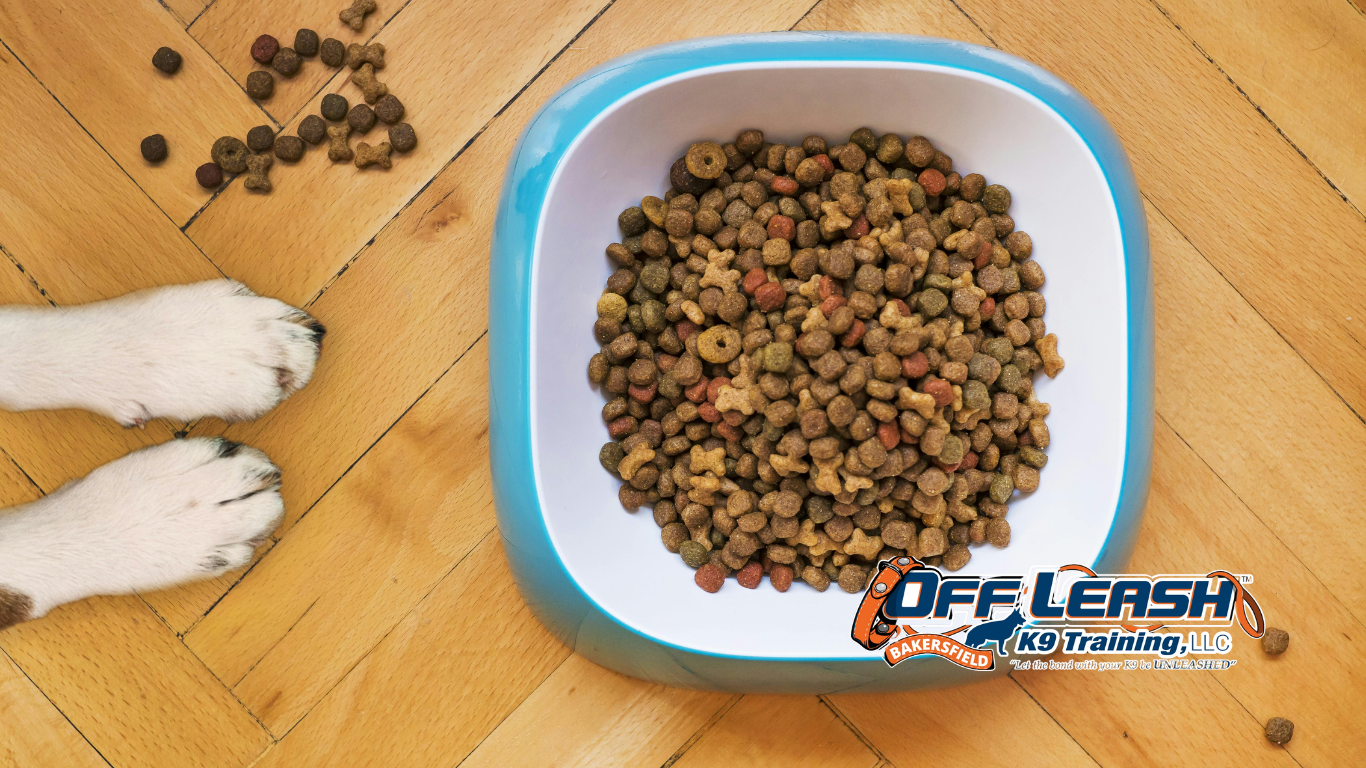
Ignore Food When They’re Stressed: Why Dogs Ignore Food When They’re Stressed
Ignore Food When They’re Stressed is a common concern among dog owners, especially during training sessions, walks, veterinary visits, or exposure to unfamiliar environments. Many owners are surprised when a dog that eagerly accepts treats at home suddenly refuses even their favorite food outdoors or in stressful situations.
This behavior often leads to confusion. Owners may wonder if their dog dislikes the treats, is becoming stubborn, or has simply lost interest in training. In reality, refusing food is often one of the clearest signs that a dog’s emotional state has become overwhelmed.
Dogs rely heavily on food as a reward when they feel relaxed and secure. However, when stress levels rise, the body shifts into survival mode. Instead of focusing on eating, the dog’s brain becomes occupied with monitoring potential threats, escaping uncomfortable situations, or preparing to react.
This response is completely normal.

A stressed dog may display behaviors such as:
- Refusing treats
- Ignoring meals temporarily
- Pulling on the leash
- Barking
- Panting
- Whining
- Trembling
- Avoiding eye contact
- Constantly scanning the environment
- Ignoring familiar commands
These behaviors often occur together because they are all connected to emotional arousal.
Stress affects every dog differently. Some dogs lose interest in food during thunderstorms, while others refuse treats around strangers, other dogs, loud traffic, or busy parks. Puppies may ignore food because they are overwhelmed by new experiences, while older dogs may become stressed after changes in routine or declining sensory abilities.
Understanding why dogs stop eating during stressful moments helps owners respond appropriately. Rather than assuming the dog is being difficult, it is more productive to recognize that emotional regulation must come before successful training.
For Bakersfield dog owners, busy neighborhoods, public parks, outdoor shopping centers, apartment complexes, community events, and hot summer conditions can all create environments where stress temporarily reduces a dog’s appetite. Learning how to recognize these moments allows owners to build confidence, improve focus, and make training sessions more effective.
The encouraging news is that most dogs regain their interest in food once they feel safe, relaxed, and emotionally balanced. Through gradual exposure, confidence-building, structured routines, and positive reinforcement, owners can help their dogs remain calm enough to learn—even in more challenging environments.
Key Takeaways
- Stress commonly causes dogs to refuse food.
- Emotional arousal reduces appetite.
- Refusing treats often signals emotional overload.
- Calm dogs are more motivated by food.
- Confidence-building improves training success.
- Gradual exposure reduces stress.
- Emotional regulation helps dogs learn.
- High-value rewards work best in challenging environments.
- Consistency builds confidence.
Most dogs regain food motivation once they feel safe.
What Does “Ignore Food When They’re Stressed” Mean?
When dogs ignore food when they’re stressed, they temporarily lose interest in eating treats, meals, or rewards because their emotional state has become more important than food. Owners often notice this during training sessions, walks, veterinary visits, or other unfamiliar situations where their dog normally loves treats at home but suddenly refuses even their favorite snacks.
This behavior is often misunderstood.
Many owners believe their dog:
- Is being stubborn
- Doesn’t like the treats
- Isn’t hungry
- Is ignoring them on purpose
In reality, refusing food is often one of the clearest signs that a dog’s stress level has exceeded their ability to remain calm and focused.
A stressed dog may also:
- Pull on the leash
- Bark excessively
- Whine
- Pant
- Tremble
- Pace
- Refuse commands
- Constantly scan the environment
- Avoid eye contact
- Become hyper-alert
These behaviors are all connected to the same emotional response.
Food simply becomes less important than staying safe.
Recognizing food refusal as a sign of emotional overload helps owners adjust their training rather than assuming the dog is being difficult.
Why Stress Affects Appetite
Stress changes how a dog’s brain and body function.
When a dog feels threatened, frightened, or overwhelmed, the body naturally prepares for survival instead of relaxation.
Instead of thinking about eating, the dog begins focusing on:
- Escaping danger
- Monitoring surroundings
- Watching movement
- Listening for unusual sounds
- Staying alert
This survival response is completely normal.
Wild animals rarely stop to eat while they believe danger is nearby.
Domestic dogs retain this same instinct.
Even if the environment seems perfectly safe to us, a dog experiencing stress may feel very differently.
Why Safety Comes Before Food
Dogs prioritize needs in a predictable order.
When they feel safe, they can:
- Eat
- Play
- Learn
- Explore
- Relax
When they feel unsafe, those priorities change.
Safety becomes the only priority.
This explains why many dogs instantly stop accepting treats during stressful situations.
The dog is not choosing to refuse food.
Their emotional state simply prevents normal eating behavior.
The Connection Between Fear and Food
Fear has a powerful influence on appetite.
Dogs experiencing fear often become too emotionally overwhelmed to think about food.
Examples include:
- Thunderstorms
- Fireworks
- Veterinary visits
- Loud construction
- Busy sidewalks
- Crowded parks
- Unfamiliar dogs
- Strangers approaching
In these situations, owners may hold out high-value treats while their dog refuses every offer.
This usually indicates that fear has become stronger than food motivation.
Why Some Dogs Stop Eating Completely
Some dogs become so stressed that they temporarily refuse:
- Meals
- Treats
- Water
- Toys
- Play
Although this usually resolves once the stressful situation ends, prolonged appetite loss should always be discussed with a veterinarian to rule out medical problems.
Understanding whether food refusal is caused by stress or illness is extremely important.
Emotional Arousal and Learning
Emotional arousal describes how excited, fearful, or stimulated a dog feels.
As emotional arousal increases:
- Focus decreases.
- Decision-making becomes more difficult.
- Obedience declines.
- Food motivation often disappears.
Owners commonly notice that their dog:
- Ignores “Sit”
- Ignores “Come”
- Stops responding to their name
- Refuses treats
- Pulls harder on the leash
The issue is not intelligence.
The dog simply cannot learn effectively while emotionally overwhelmed.
Why Calm Dogs Learn Faster
Learning requires attention.
Calm dogs can:
- Listen
- Solve problems
- Follow instructions
- Remember behaviors
- Accept rewards
Stressed dogs struggle with each of these tasks.
This is why emotional regulation is one of the most valuable skills owners can develop.
Teaching calmness creates better learning.
Why Training Should Stay Below Threshold
Every dog has an emotional threshold.
Below threshold, dogs can:
- Eat treats
- Respond to commands
- Stay engaged
- Recover quickly
Above threshold, they often:
- Refuse food
- Ignore commands
- Bark
- Pull
- Lunge
- Panic
Successful training occurs before dogs become emotionally overwhelmed.
Keeping dogs below threshold allows learning to continue.
Common Stress Triggers
Every dog has different stress triggers.
Common examples include:
- Loud trucks
- Fireworks
- Thunderstorms
- Busy intersections
- Strangers
- Other dogs
- Veterinary clinics
- Construction equipment
- Skateboards
- Bicycles
- Crowded sidewalks
- Apartment hallways
Some dogs respond to only one trigger.
Others react to several.
Learning your dog’s individual triggers allows you to plan successful training sessions.
Why New Environments Feel Overwhelming
Dogs rely heavily on familiarity.
New locations introduce:
- New smells
- Different sounds
- Unfamiliar people
- Unexpected movement
The brain must process all this information simultaneously.
Many dogs become mentally overloaded.
As stress increases, food motivation often decreases.
Reading Body Language Before Food Refusal
Dogs communicate long before they stop eating.
Recognizing early stress signals helps owners intervene before emotional overload occurs.
Common body language includes:
- Lip licking
- Yawning
- Turning the head away
- Slowing movement
- Tucked tail
- Pinned ears
- Panting
- Whale eye
- Stiff posture
- Trembling
- Constant scanning
These signals often appear before food refusal begins.
Owners who recognize them early can increase distance from the trigger or reduce the level of difficulty before stress escalates.
Why Timing Matters
Many owners wait until the dog refuses treats before realizing stress has increased.
By then, emotional arousal is already high.
Instead, watch for early body language.
Responding before food refusal occurs creates much more successful training sessions.
Why High-Value Treats Sometimes Don’t Work
Owners often believe that offering more valuable food will solve the problem.
Unfortunately, even chicken, cheese, hot dogs, or freeze-dried liver may fail when stress becomes too intense.
This is because the problem is not the reward.
The problem is the dog’s emotional state.
No reward can compete with survival instincts once a dog feels overwhelmed.
The solution is not finding a better treat—it is helping the dog feel safe enough to eat again.
Through gradual exposure, confidence-building exercises, structured training, and careful management of stress levels, dogs learn to remain emotionally balanced in increasingly challenging situations. As their confidence grows, their willingness to accept food returns, making training more productive and helping them develop the focus needed to succeed in the real world.
Common Owner Mistakes
When dogs ignore food when they’re stressed, many owners unintentionally make the situation worse by assuming the dog is simply being stubborn or picky. In reality, food refusal is often a sign that the dog’s emotional state has become overwhelmed.
Understanding these common mistakes helps owners create training sessions that are both more productive and less stressful.
Expecting the Dog to Train While Overwhelmed
One of the most common mistakes is continuing to train after the dog has already become emotionally overloaded.
Owners often repeat commands such as:
- Sit
- Stay
- Watch me
- Leave it
However, once stress becomes too high, the dog’s ability to process information decreases significantly.
Instead of pushing through the session, reduce the level of distraction and help the dog relax before continuing.
Assuming the Treats Are the Problem
Many owners believe:
“My dog just doesn’t like these treats.”
They immediately switch from kibble to chicken, cheese, hot dogs, or freeze-dried liver.
Although higher-value rewards can sometimes help, they cannot overcome intense fear or anxiety.
If your dog refuses multiple favorite foods, the issue is usually emotional rather than nutritional.
Moving Too Close to Triggers
Dogs learn best when they remain below their emotional threshold.
Standing too close to:
- Other dogs
- Busy roads
- Construction
- Crowds
- Wildlife
often causes stress to rise faster than learning can occur.
Increasing distance allows the dog to feel safer and more capable of accepting rewards.
Repeating Commands
Owners frequently repeat commands after the dog stops responding.
For example:
- Sit.
- Sit.
- Sit.
- Come on.
- Watch me.
Repeated commands often create frustration without improving learning.
Instead, move to an easier environment where the dog can succeed.
Ignoring Early Body Language
Food refusal rarely appears without warning.
Dogs often communicate discomfort beforehand through:
- Lip licking
- Yawning
- Pinned ears
- Tucked tail
- Slowing down
- Looking away
- Stiff posture
Recognizing these early signs helps owners respond before stress becomes overwhelming.
Building Confidence Around Triggers
Confidence is one of the most effective ways to reduce stress-related food refusal.
Dogs that feel safe are far more likely to:
- Accept treats
- Focus on training
- Respond to commands
- Recover after surprises
Confidence develops gradually through positive experiences.
Begin at a Comfortable Distance
If another dog causes stress, begin training far enough away that your dog can still eat treats and respond to simple cues.
As confidence improves, gradually decrease the distance over multiple training sessions.
Small improvements create lasting success.
Reward Calm Observation
Your dog does not need to ignore every distraction completely.
Instead, reward behaviors such as:
- Looking calmly
- Remaining relaxed
- Checking in with you
- Walking politely
- Choosing not to react
These behaviors become stronger with repetition.
Keep Sessions Short
Short training sessions prevent emotional fatigue.
Five to ten minutes of successful practice often produces better results than one long session that ends with frustration.
Practice in Many Locations
Dogs do not automatically generalize training.
Practice in:
- Quiet neighborhoods
- Local parks
- Parking lots
- Pet-friendly stores
- Sidewalks
Gradually increasing difficulty helps dogs build confidence in the real world.
Ignore Food When They’re Stressed in Bakersfield
Bakersfield offers many environments that can challenge a dog’s emotional regulation.
Examples include:
- Busy sidewalks
- Neighborhood parks
- Outdoor shopping centers
- Farmers markets
- Apartment complexes
- School zones
- Community events
- High-traffic intersections
Each environment introduces new sounds, smells, people, and distractions that may temporarily reduce a dog’s interest in food.
Professional dog training helps Bakersfield owners teach dogs to remain calm despite these challenges by improving:
- Emotional regulation
- Confidence
- Focus
- Loose leash walking
- Public obedience
- Engagement with the owner
As dogs become more comfortable in these environments, they often begin accepting treats consistently during walks and training sessions.
Long-Term Benefits of Emotional Regulation Training
Teaching dogs to remain emotionally balanced provides benefits that extend far beyond accepting treats.
Dogs with strong emotional regulation often become:
- Better listeners
- More confident
- Less reactive
- Easier to train
- Better walking companions
- More relaxed in public
- More adaptable to change
- Better at recovering from stressful situations
- More focused around distractions
- Happier family companions
Emotional regulation supports every area of obedience training.
When dogs remain calm, learning becomes much easier.
Frequently Asked Questions
1. Why does my dog ignore treats outside but eat them at home?
Outdoor environments often contain more distractions and stressors. If your dog refuses treats outside but eagerly eats them at home, they may be emotionally overwhelmed rather than uninterested in food.
2. Can stress really make dogs stop eating?
Yes. Stress commonly reduces appetite because a dog’s brain prioritizes safety over eating.
3. Should I keep offering treats if my dog refuses them?
Offer a treat once or twice. If your dog consistently refuses, it is usually more productive to reduce the level of stress rather than repeatedly offering food.
4. Do high-value treats always solve the problem?
No. Even favorite treats may be refused if your dog’s emotional arousal is too high.
5. Can puppies ignore food when they’re stressed?
Absolutely. Puppies are especially likely to refuse treats when they encounter unfamiliar people, places, sounds, or experiences.
6. Should I stop training if my dog won’t eat?
It is often best to make the training session easier by increasing distance from the trigger or moving to a calmer environment before continuing.
7. Can anxiety affect appetite every day?
Yes. Dogs experiencing chronic anxiety may show reduced appetite more frequently. Persistent appetite changes should also be discussed with your veterinarian to rule out medical conditions.
8. How do I know if my dog is stressed?
Watch for signs such as lip licking, yawning, panting, trembling, pacing, tucked tail, pinned ears, avoiding eye contact, and refusing treats.
9. Can professional training help?
Yes. Professional trainers can teach confidence-building exercises, emotional regulation, and structured exposure that improve your dog’s ability to remain calm and food-motivated.
10. Will my dog eventually accept treats around distractions?
Most dogs can improve significantly through consistent training, gradual exposure, and positive experiences that build confidence over time.
Comprehensive Conclusion
Ignore Food When They’re Stressed is one of the clearest signs that a dog’s emotional state has shifted from learning to survival. Rather than assuming your dog is stubborn or uninterested in training, it is important to recognize that refusing food often means they feel overwhelmed by their environment. Fear, anxiety, excitement, and uncertainty can all temporarily reduce appetite because the brain is focused on staying safe instead of eating.
Fortunately, this behavior is highly manageable with the right approach. By recognizing early signs of stress, reducing the intensity of challenging situations, rewarding calm behavior, and gradually building confidence, owners can help their dogs remain emotionally balanced in environments that once felt overwhelming. As confidence grows, food motivation usually returns naturally, making obedience training more enjoyable and far more effective.
For Bakersfield dog owners, developing these skills is especially valuable because daily walks often include busy neighborhoods, parks, apartment communities, outdoor shopping areas, and other environments filled with distractions. Dogs that learn to stay calm in these settings become easier to train, more responsive to their owners, and better prepared for everyday life.
Ultimately, successful dog training is not simply about finding a better treat. It is about helping your dog feel safe enough to learn. When emotional regulation improves, dogs regain their focus, accept rewards more consistently, and develop the confidence needed to navigate the world calmly. With patience, consistency, and structured training, most dogs can overcome stress-related food refusal and become more relaxed, attentive, and confident companions.
"*" indicates required fields