Pull More After Seeing Squirrels: Why Dogs Pull More After Seeing Squirrels
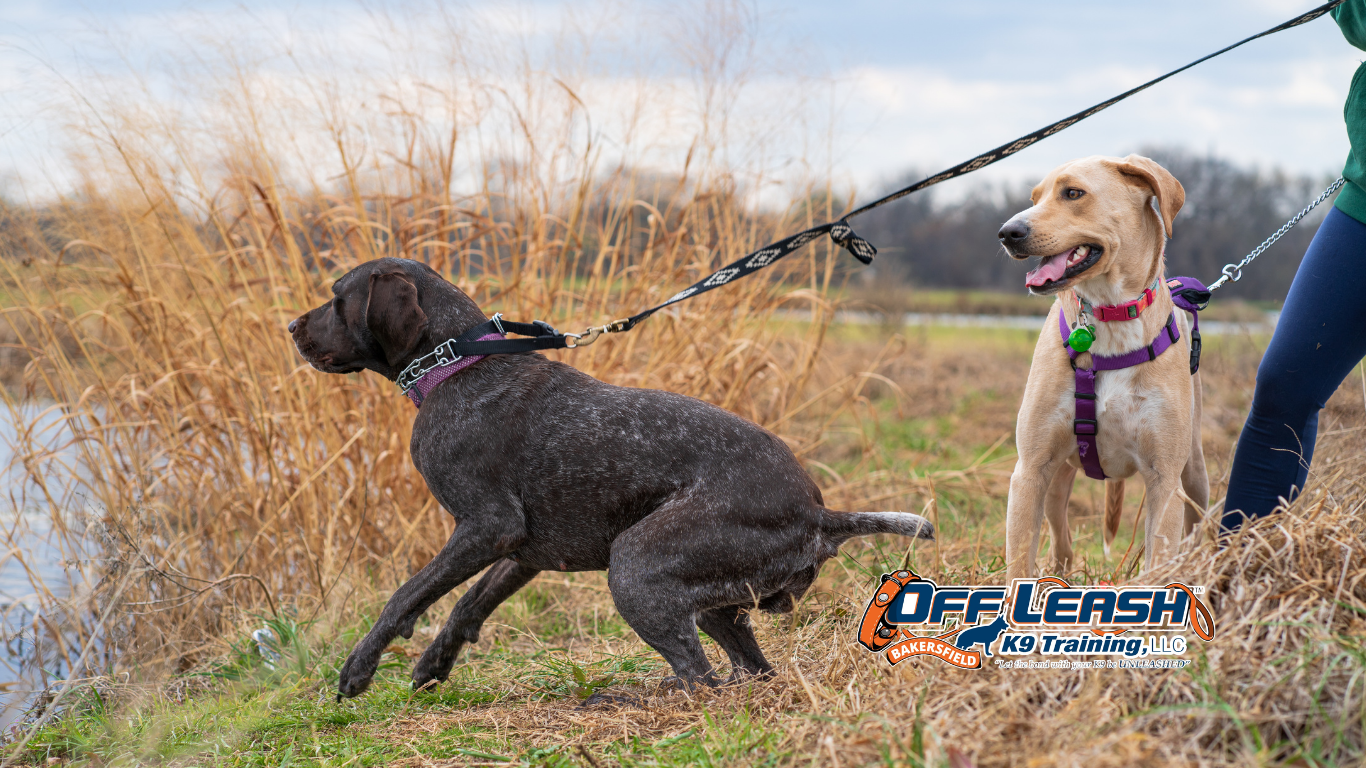
Pull More After Seeing Squirrels is one of the most common leash training challenges dog owners experience. A calm walk can instantly turn into a struggle the moment a squirrel darts across the sidewalk or climbs a nearby tree. Suddenly, your dog lunges forward, pulls hard on the leash, ignores commands, and becomes completely focused on chasing the animal.
This behavior can be frustrating, especially when your dog normally walks well in quieter environments. Many owners wonder why their dog seems to forget every obedience command after spotting a squirrel. The answer lies in instinct, prey drive, and emotional arousal.
Dogs are descendants of hunting animals. Although modern family dogs have been selectively bred for companionship and other jobs, many still possess strong instincts to notice, pursue, and investigate fast-moving animals. Squirrels move unpredictably, change direction quickly, and often trigger a dog’s natural desire to chase.
The problem is not simply the squirrel.
The problem is what happens inside the dog’s brain after seeing one.
Once a squirrel appears, excitement rises rapidly. Heart rate increases, muscles tense, attention narrows, and the dog becomes intensely focused on the moving target. In this emotional state, the thinking part of the brain becomes less effective, making obedience much more difficult.
Dogs that pull more after seeing squirrels often display behaviors such as:
- Lunging on the leash
- Pulling continuously
- Barking
- Whining
- Freezing before chasing
- Ignoring their owner’s voice
- Staring intensely
- Refusing treats
- Becoming frustrated when restrained
- Remaining excited long after the squirrel has disappeared
These behaviors are not usually signs of stubbornness. Instead, they indicate that instinct and emotional arousal have temporarily become stronger than learned obedience.
Fortunately, this behavior can improve. Dogs can learn impulse control, emotional regulation, and stronger engagement with their owners through structured training. Rather than eliminating prey drive, training teaches dogs how to make better decisions even when exciting distractions appear.
For Bakersfield dog owners, squirrels are common in neighborhoods, parks, walking trails, and residential areas. Learning how to manage squirrel encounters helps create safer, more enjoyable walks while strengthening your dog’s ability to stay focused despite distractions.
Key Takeaways
- Squirrels naturally trigger prey drive.
- Emotional arousal often overrides obedience.
- Pulling is usually driven by instinct rather than disobedience.
- Impulse control reduces chasing behavior.
- Loose leash walking requires emotional regulation.
- Engagement with the owner improves focus.
- Consistent training builds better habits.
- Gradual exposure helps dogs remain calmer.
- Early intervention prevents chasing from becoming routine.
- Most dogs can learn to ignore squirrels with structured training.
What Does “Pull More After Seeing Squirrels” Mean?
When dogs pull more after seeing squirrels, they become intensely focused on chasing the animal, causing them to lunge, strain against the leash, and ignore their owner’s guidance. What may begin as a calm walk can change within seconds as soon as a squirrel runs across the sidewalk or climbs a nearby tree.
This behavior is driven by instinct rather than stubbornness.
Dogs often react by:
- Lunging forward
- Pulling continuously
- Staring intensely
- Barking
- Whining
- Freezing before chasing
- Ignoring commands
- Refusing treats
- Standing on their back legs
- Remaining excited after the squirrel disappears
Many owners assume their dog is simply misbehaving.
In reality, the dog’s brain has shifted from calm thinking to instinctive behavior.
Instead of focusing on the owner, the dog becomes completely absorbed in the moving animal.
Understanding this emotional shift is the first step toward improving leash manners.
Understanding Prey Drive
Prey drive is a natural instinct that motivates dogs to notice, chase, and sometimes capture moving animals.
Although modern dogs live as family companions, many still retain the hunting instincts developed over thousands of years.
Prey drive generally follows a predictable sequence:
- Notice movement
- Focus intensely
- Chase
- Catch (if possible)
The leash interrupts this natural sequence.
Instead of completing the chase, dogs often become frustrated, leading to stronger pulling and increased excitement.
Prey drive varies from one dog to another.
Some dogs barely notice squirrels.
Others become intensely focused the moment movement appears.
Which Dogs Have Stronger Prey Drive?
While every dog is an individual, some breeds were developed to notice and pursue fast-moving animals.
Examples include:
- Border Collies
- Australian Shepherds
- Belgian Malinois
- German Shorthaired Pointers
- Jack Russell Terriers
- Siberian Huskies
- Weimaraners
- Vizslas
Even dogs without a strong hunting background may still chase squirrels because movement naturally attracts canine attention.
Why Chasing Feels Rewarding
Dogs often find chasing enjoyable regardless of whether they actually catch anything.
The chase itself becomes rewarding.
Each successful chase reinforces the desire to chase again.
Even if the squirrel escapes up a tree, the dog experiences excitement that encourages similar behavior during future walks.
This is why squirrel chasing often becomes stronger over time if left unaddressed.
Why Fast Movement Triggers Dogs
Movement is one of the strongest visual triggers for dogs.
Fast-moving objects naturally capture their attention.
Examples include:
- Squirrels
- Rabbits
- Birds
- Cats
- Running children
- Skateboards
- Bicycles
Movement activates instinct before the dog has time to think.
This explains why many dogs react instantly without waiting for owner guidance.
Why Sudden Movement Is More Exciting
A squirrel sitting quietly may attract little attention.
However, the moment it runs across the sidewalk, the dog’s excitement often increases dramatically.
Sudden movement creates surprise.
Surprise increases emotional arousal.
Higher emotional arousal makes self-control more difficult.
Emotional Arousal After Seeing Wildlife
Emotional arousal refers to the intensity of a dog’s emotional state.
After spotting wildlife, many dogs experience a rapid increase in:
- Excitement
- Alertness
- Muscle tension
- Heart rate
- Focus
At the same time, their attention toward the owner decreases.
Instead of thinking about obedience, the dog’s brain becomes occupied with pursuing the moving animal.
This emotional shift explains why commands that normally work suddenly seem ineffective.
Why Excitement Lasts After the Squirrel Is Gone
Many owners notice their dog continues pulling even after the squirrel disappears.
This occurs because emotional arousal does not disappear immediately.
The body requires time to return to a relaxed state.
During this recovery period, dogs may:
- Continue scanning trees
- Pull harder
- Ignore commands
- Search for additional squirrels
- Remain highly alert
Helping dogs recover emotionally is an important part of training.
Why Dogs Ignore Commands Around Squirrels
One of the biggest frustrations for owners is watching their dog ignore commands they usually perform well.
This happens because emotion temporarily overrides learning.
Dogs that reliably respond to:
- Sit
- Heel
- Come
- Watch me
- Leave it
may suddenly ignore every cue after spotting a squirrel.
The problem is rarely stubbornness.
Instead, instinct becomes stronger than the dog’s current level of training.
Why Focus Disappears
Dogs have limited attention.
When prey drive becomes activated, almost all mental energy shifts toward the squirrel.
Owners may notice:
- No eye contact
- No response to their name
- Refusal of treats
- Continuous staring
- Complete environmental fixation
Training teaches dogs how to regain focus before emotional arousal becomes overwhelming.
Impulse Control and Chase Behavior
Impulse control allows dogs to pause before acting.
Instead of immediately chasing movement, they learn to:
- Look at the owner
- Wait
- Stay calm
- Ignore distractions
- Make better decisions
Impulse control does not eliminate prey drive.
Instead, it teaches dogs that instinct does not always require action.
Building Better Decisions
Helpful impulse-control exercises include:
- Waiting before meals
- Sitting before exiting doors
- Staying before greetings
- Loose leash walking
- “Leave it” practice
- Engagement games
- Eye contact exercises
These activities strengthen a dog’s ability to think before reacting.
Why Engagement Changes Everything
Dogs that regularly check in with their owners are less likely to become completely fixated on squirrels.
Engagement exercises encourage dogs to:
- Make eye contact
- Follow owner guidance
- Stay mentally connected
- Recover more quickly after excitement
Instead of automatically chasing every squirrel they see, dogs begin learning that looking to their owner leads to rewards and guidance.
Over time, this stronger relationship improves impulse control, reduces leash pulling, and helps dogs remain calmer around wildlife. Rather than allowing instinct to dictate every decision, they develop the emotional balance needed to enjoy walks without every squirrel becoming the center of their attention.
Common Owner Mistakes
Many owners unknowingly reinforce squirrel-chasing behavior during walks. Because the behavior happens so quickly, it is easy to react emotionally rather than strategically. Understanding these common mistakes can help your dog learn better leash manners around wildlife.
Waiting Until the Dog Is Already Pulling
One of the biggest mistakes is waiting until the dog is fully locked onto the squirrel before trying to regain attention.
By that point, the dog’s excitement has already reached a high level.
Instead, watch for early signs such as:
- Staring
- Ears pointing forward
- Body becoming stiff
- Slowing down
- Tail becoming rigid
- Closing the mouth
These signals often appear seconds before lunging begins.
Responding early is much easier than trying to interrupt a full chase response.
Repeating Commands
Many owners say:
- Leave it.
- Leave it.
- Leave it.
- No.
- Heel.
- Come on.
Repeated commands often become background noise.
Instead, teach the behavior in low-distraction environments first so your dog understands the cue before encountering squirrels.
Allowing Successful Chases
Whenever a dog successfully chases a squirrel—even if the squirrel escapes—the behavior becomes rewarding.
The excitement of the chase itself reinforces pulling.
Preventing repeated rehearsals helps reduce the habit over time.
Becoming Frustrated
Dogs do not chase squirrels to disobey their owners.
They are responding to instinct.
Remaining calm helps dogs recover more quickly than yelling or harsh leash corrections.
Teaching Focus Around Wildlife
Training should teach dogs what to do instead of chasing.
The goal is not to eliminate prey drive but to create better choices.
Reward Voluntary Check-Ins
Whenever your dog naturally looks at you during a walk, reward that decision.
This teaches:
“Looking at my owner pays better than staring at wildlife.”
Over time, check-ins become more frequent.
Practice the “Watch Me” Cue
Teach eye contact in quiet locations before practicing outdoors.
As your dog improves, gradually introduce mild distractions.
Eventually, eye contact becomes the default response when exciting situations appear.
Reward Calm Observation
Your dog does not need to ignore squirrels completely.
Instead, reward calm observation.
The sequence becomes:
- Notice squirrel.
- Stay calm.
- Look at owner.
- Earn reward.
This teaches emotional control instead of emotional reactions.
Increase Distance When Needed
Distance is one of the most effective training tools.
If your dog becomes overwhelmed, calmly move farther away from the squirrel until they can think clearly again.
Learning happens best below the dog’s emotional threshold.
Loose Leash Walking Near Squirrels
Loose leash walking around wildlife is an advanced skill that develops gradually.
Expecting perfect behavior immediately often leads to frustration.
Instead, build success through small steps.
Helpful exercises include:
- Walking in quieter neighborhoods
- Practicing engagement games
- Rewarding loose leash moments
- Changing direction before pulling begins
- Encouraging frequent owner check-ins
As confidence and impulse control improve, dogs become more capable of handling increasingly difficult environments.
Why Recovery Matters
Many owners focus only on the moment the squirrel appears.
However, what happens afterward is equally important.
Dogs should learn to recover emotionally after excitement.
Recovery skills include:
- Returning attention to the owner
- Walking calmly again
- Accepting treats
- Relaxing body posture
- Resuming loose leash walking
The faster a dog recovers, the less likely they are to remain fixated on additional wildlife.
Pull More After Seeing Squirrels in Bakersfield
Popular walking areas often contain:
- Trees
- Open grass
- Parks
- Residential landscaping
- Wildlife corridors
These locations naturally attract squirrels and other small animals.
Professional dog training helps Bakersfield owners teach dogs to remain calm despite these distractions by improving:
- Loose leash walking
- Emotional regulation
- Engagement
- Impulse control
- Recall
- Public obedience
Real-world practice allows dogs to build confidence while maintaining focus on their owners.
Long-Term Benefits of Wildlife Training
Dogs that learn to remain calm around squirrels often improve in many other areas of life.
Benefits include:
- Better leash manners
- Stronger owner engagement
- Improved recall
- Reduced frustration
- Better emotional regulation
- More reliable obedience
- Increased confidence
- Safer public walks
- Less leash reactivity
- More enjoyable outings
Teaching dogs how to manage prey drive creates lifelong skills that extend far beyond squirrel encounters.
Frequently Asked Questions
1. Why does my dog pull so hard after seeing a squirrel?
2. Can every dog learn to ignore squirrels?
Most dogs can learn to remain calmer around squirrels through consistent impulse control and engagement training, although their instinct to notice wildlife may never disappear completely.
3. Is squirrel chasing a sign of aggression?
No. Chasing squirrels is usually motivated by prey drive and excitement rather than aggression.
4. Should I let my dog chase squirrels sometimes?
Allowing occasional chasing often reinforces the behavior, making it more difficult to maintain loose leash walking in the future.
5. Why won’t my dog take treats after spotting a squirrel?
High emotional arousal can temporarily reduce interest in food because the dog’s attention is completely focused on the moving animal.
6. What command works best around squirrels?
Commands such as “Watch Me,” “Leave It,” and a reliable heel are helpful when they have been practiced consistently before encountering wildlife.
7. Can puppies learn not to chase squirrels?
Yes. Early training, impulse control exercises, and structured exposure help puppies develop better habits before chasing becomes routine.
8. How long does wildlife training take?
Progress varies by dog, but consistent daily practice typically produces gradual improvement over several weeks or months.
9. Can professional training help?
Absolutely. Professional trainers can create structured exercises that improve engagement, leash manners, emotional regulation, and impulse control around wildlife.
10. Will my dog ever stop noticing squirrels?
Probably not. Most dogs will always notice fast-moving animals. The goal is not to eliminate awareness but to teach calm, controlled responses instead of lunging and pulling.
Comprehensive Conclusion
Pull More After Seeing Squirrels is one of the most common leash training challenges because it taps directly into a dog’s natural instincts. Fast-moving wildlife activates prey drive, increases emotional arousal, and temporarily shifts the dog’s attention away from their owner. The resulting lunging, pulling, and intense focus are usually signs of instinct and excitement rather than stubbornness or disobedience.
Fortunately, dogs can learn better ways to respond. By strengthening impulse control, rewarding engagement, practicing loose leash walking, and introducing controlled exposure to wildlife, owners help their dogs make thoughtful decisions instead of reacting automatically. Training should focus on teaching the dog how to recover quickly from excitement and remain mentally connected with their handler, even when squirrels are nearby.
For Bakersfield dog owners, this training is especially valuable because squirrels are common in neighborhoods, parks, and walking trails. Consistent practice in these real-world environments builds confidence, improves obedience, and makes daily walks safer and more enjoyable for both dogs and their owners.
Ultimately, the goal is not to remove your dog’s natural prey drive—it is to teach them how to manage it. A dog that can notice a squirrel, stay calm, and choose to focus on their owner demonstrates true emotional balance and self-control. With patience, consistency, and structured training, most dogs can transform chaotic wildlife encounters into calm, successful walking experiences that strengthen the bond between dog and owner.
"*" indicates required fields