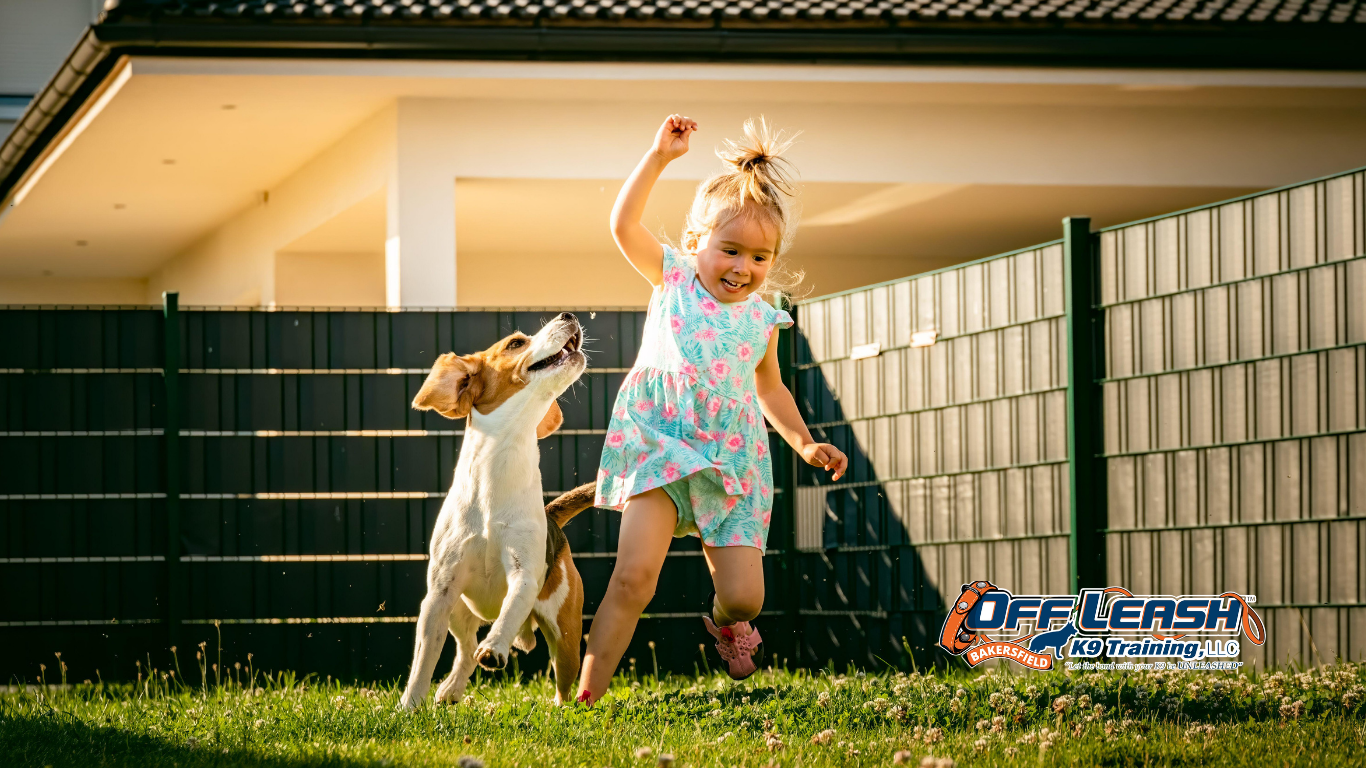
Chase Running Children: Why Does My Dog Chase Running Children?
Chase Running Children is one of the most concerning behaviors many dog owners experience. A dog may behave calmly around adults, walk politely on a leash, and respond well to commands, but the moment children begin running, laughing, or playing, everything changes. The dog may suddenly pull toward them, bark, chase, jump, or even nip at clothing.
For families, this behavior can be frightening.
Parents worry about the safety of their children, while dog owners often become embarrassed or concerned that their dog is becoming aggressive. Fortunately, in many cases, chasing running children is not caused by aggression at all.
Instead, it is usually driven by instinct, excitement, curiosity, or poor impulse control.
Dogs naturally notice movement. Fast-moving objects immediately capture their attention because movement has always been an important part of canine survival. Long before dogs became household companions, their ancestors depended on noticing movement to hunt prey, avoid danger, and interact with their environment.
Even today, many breeds retain these natural instincts.
For example, herding breeds were specifically developed to control moving animals. Sporting breeds naturally chase fast-moving objects. Young puppies chase because everything feels exciting, while adolescent dogs often react impulsively because their emotional regulation is still developing.
The result may include:
- Chasing
- Barking
- Pulling on the leash
- Jumping
- Lunging
- Spinning
- Ignoring commands
- Becoming overly excited
- Losing focus
These behaviors often surprise owners because the dog may behave perfectly in every other situation.
The problem is rarely obedience alone.
The problem is emotional arousal.
Once excitement becomes too high, many dogs stop thinking clearly. Their brains shift from careful decision-making to instinctive reactions. Commands that worked moments earlier suddenly seem forgotten.
This explains why many dogs perform beautifully inside the home but struggle in parks, playgrounds, schools, sports fields, and busy neighborhoods.
Busy Bakersfield communities frequently expose dogs to active children. Neighborhood sidewalks, local parks, apartment complexes, community events, youth sports, and school zones all provide opportunities for dogs to encounter running children.
Without proper training, these repeated experiences may strengthen chasing behavior over time.
Fortunately, dogs can learn better choices.
Impulse control, engagement with the owner, emotional regulation, and structured exposure help dogs remain calm around active children. Instead of reacting automatically, dogs learn how to observe movement without feeling compelled to chase.
Key Takeaways
- Dogs naturally notice fast movement.
- Chasing children does not automatically mean aggression.
- Herding instincts often contribute to chasing behavior.
- Excitement can override obedience.
- Puppies commonly chase because of curiosity.
- Emotional regulation reduces impulsive reactions.
- Impulse control is essential for safe public behavior.
- Engagement keeps dogs focused on their owners.
- Controlled exposure improves confidence.
- Consistent training helps prevent chasing from becoming a habit.
Why Dogs Chase Moving Objects
Dogs evolved to pay close attention to movement.
Movement often signals:
- Food
- Play
- Danger
- Opportunity
Because of this, fast-moving objects naturally attract attention.
Examples include:
- Running children
- Bicycles
- Squirrels
- Rabbits
- Birds
- Skateboards
- Joggers
Movement activates instinctive behaviors long before a dog consciously thinks about what they are doing.
Why Children Trigger Excitement
Children move differently than adults.
They often:
- Run unpredictably.
- Laugh loudly.
- Wave their arms.
- Change directions quickly.
- Play games involving chasing.
These behaviors create a highly stimulating environment for dogs.
Many dogs simply become overwhelmed by the amount of activity.
Herding Instincts
Certain breeds possess stronger herding instincts than others.
Examples include:
- Border Collies
- Australian Shepherds
- Australian Cattle Dogs
- Shetland Sheepdogs
- Belgian Malinois
These dogs were bred to influence movement.
Running children may unintentionally trigger these natural behaviors.
Instead of ignoring movement, the dog feels compelled to follow or control it.
Why Prey Drive Matters
Prey drive refers to the natural instinct to pursue moving objects.
Dogs with higher prey drive often become highly interested in:
- Squirrels
- Rabbits
- Birds
- Cats
- Fast-moving toys
Unfortunately, running children can sometimes activate the same instinct.
This does not necessarily mean the dog intends harm.
The movement itself becomes rewarding.
Excitement vs. Aggression
Many owners confuse excitement with aggression.
Although the behaviors may look similar, the underlying emotions are often very different.
Excited dogs commonly:
- Pull toward children.
- Bark.
- Jump.
- Whine.
- Spin.
- Wag their tails rapidly.
Aggressive dogs typically display different body language involving defensive or offensive intent.
Understanding the motivation behind the behavior is essential for choosing the right training approach.
Why Puppies Chase Children
Puppies chase because they are:
- Curious
- Playful
- Energetic
- Learning about the world
They have not yet developed the emotional regulation needed to ignore exciting movement.
Without guidance, chasing can become a learned habit.
Why Adolescents Struggle More
Many adolescent dogs temporarily experience:
- Increased excitement
- Reduced focus
- Poor impulse control
- Stronger curiosity
Owners often notice behaviors worsening between six months and two years of age.
This developmental stage requires patience and consistent training.
Emotional Arousal
One of the biggest reasons dogs chase running children is emotional arousal.
Emotional arousal describes how emotionally activated a dog becomes.
Examples include:
- Excitement
- Curiosity
- Anticipation
- Frustration
As emotional intensity increases, logical thinking decreases.
Dogs begin reacting automatically rather than thoughtfully.
Why Dogs Ignore Commands Around Children
Owners often ask:
“My dog knows sit and come. Why won’t they listen?”
The answer usually involves emotional overload.
When excitement becomes stronger than focus, dogs struggle to process commands.
The problem is often not obedience.
It is the dog’s emotional state.
Why Impulse Control Matters
Impulse control allows dogs to pause before reacting.
Instead of immediately chasing movement, dogs learn to:
- Wait
- Stay calm
- Think first
- Make better decisions
Impulse control is one of the foundations of reliable obedience.
Why Engagement Is So Important
Engagement refers to the dog’s willingness to remain mentally connected with the owner.
Dogs with strong engagement frequently:
- Make eye contact
- Check in during walks
- Ignore distractions
- Recover quickly after excitement
Better engagement often means less chasing.
Why Neutrality Is the Goal
Many owners believe every dog should greet every child.
In reality, neutrality is often safer.
Neutral dogs can:
- Notice children.
- Stay calm.
- Continue walking.
- Ignore unnecessary interaction.
This skill greatly improves public behavior.
Why Early Training Matters
The earlier owners address chasing behavior, the easier it becomes to prevent long-term habits.
Young dogs learn rapidly.
Every successful chase strengthens the behavior.
Every calm experience strengthens self-control.
Training early creates better lifelong habits.
Why Controlled Exposure Helps
Dogs improve by practicing around distractions at manageable levels.
As confidence improves, dogs gradually learn to remain calm in increasingly challenging environments.
This step-by-step approach helps dogs develop emotional stability, better impulse control, and the ability to make thoughtful decisions instead of reacting instinctively whenever children begin to run.
Why Dogs Chase Movement
Movement naturally captures a dog’s attention. Long before dogs became household companions, their ancestors relied on noticing movement to survive. Even today, most dogs instinctively pay attention to anything moving quickly.
Examples include:
- Running children
- Joggers
- Bicycles
- Skateboards
- Squirrels
- Rabbits
- Birds
Fast movement immediately increases excitement.
Many dogs react before they have time to think.
Herding Instincts
Some breeds are genetically programmed to control movement.
Examples include:
- Border Collies
- Australian Shepherds
- Australian Cattle Dogs
- Shetland Sheepdogs
- Belgian Malinois
These breeds were developed to gather and move livestock.
Running children often trigger these same instincts.
Dogs may:
- Circle children
- Chase them
- Bark
- Nip at clothing
- Attempt to stop movement
The dog is not trying to hurt the child.
Instead, instinct is taking over.
Prey Drive and Fast Movement
Prey drive is another common reason dogs chase.
Fast movement activates the brain.
Dogs become interested in:
- Pursuing
- Investigating
- Catching
Even dogs with no aggressive intentions may chase simply because movement feels rewarding.
This instinct varies greatly between individual dogs.
Excitement vs. Aggression
Many owners assume chasing automatically means aggression.
In reality, excitement often looks very similar.
Excited dogs commonly:
- Bark loudly
- Pull hard
- Jump
- Run
- Spin
- Ignore commands
Aggressive dogs usually display very different body language.
Proper evaluation is important because treatment depends on the underlying emotion.
Why Puppies Chase Children
Puppies naturally chase almost everything.
They chase because of:
- Curiosity
- Play
- Exploration
- Limited impulse control
Young dogs rarely understand appropriate behavior around children without guidance.
Early training helps prevent chasing from becoming a habit.
Emotional Arousal
When dogs become emotionally excited, thinking decreases.
High emotional arousal causes dogs to:
- Ignore commands
- Lose focus
- React impulsively
- Pull harder
- Run toward movement
Teaching emotional regulation helps dogs remain calm despite excitement.
Why Impulse Control Matters
Impulse control allows dogs to pause before reacting.
Instead of immediately chasing movement, dogs learn to:
- Stay seated
- Look at the handler
- Wait calmly
- Ignore distractions
Impulse control is one of the most valuable life skills a dog can learn.
Why Engagement Reduces Chasing
Dogs that remain engaged with their owners are less likely to chase distractions.
Engaged dogs:
- Check in frequently
- Maintain eye contact
- Follow guidance
- Recover faster after seeing movement
Strong engagement creates better obedience.
Why Recall Is Important
Reliable recall helps interrupt chasing before it begins.
Dogs that consistently respond to:
- Come
- Here
- Recall cues
are much easier to redirect when children begin running nearby.
Recall should be practiced daily.
Why Neutrality Is Better Than Greetings
Many owners encourage dogs to interact with every child they see.
Unfortunately, this increases excitement.
Neutrality teaches dogs they can:
- Notice children
- Stay calm
- Continue walking
- Ignore unnecessary interaction
Neutral behavior creates safer public outings.
Common Mistakes Owners Make
Many owners accidentally reinforce chasing.
Examples include:
- Allowing dogs to chase during play.
- Laughing when puppies chase children.
- Waiting too long to interrupt.
- Encouraging rough games.
- Allowing leash pulling toward children.
Each successful chase strengthens the habit.
Why Distance Helps Training
Distance reduces emotional intensity.
Instead of training beside running children immediately, begin farther away.
Greater distance allows dogs to:
- Stay calmer
- Listen better
- Process information
As success improves, distance can gradually decrease.
Safe Training Around Children
Children should never be used as training tools without supervision.
Safe practice includes:
- Controlled environments
- Calm children
- Leashed dogs
- Short sessions
- Frequent rewards
Safety always comes first.
Building Better Emotional Regulation
Dogs improve emotional regulation through consistent practice.
Helpful exercises include:
- Place training
- Stay exercises
- Loose leash walking
- Focus games
- Duration work
- Calm observation
These exercises teach dogs to remain composed around excitement.
Why Mental Stimulation Helps
Mental exercise reduces impulsive behavior.
Helpful activities include:
- Puzzle toys
- Obedience games
- Scent work
- Food puzzles
- Problem-solving exercises
A mentally satisfied dog often responds better outdoors.
Why Exercise Matters
Dogs with appropriate physical exercise often:
- Recover faster
- Think more clearly
- Stay calmer
Exercise should balance physical activity with mental engagement.
Real-World Exposure
Dogs improve where they practice.
Helpful environments include:
- Parks
- School sidewalks
- Neighborhood streets
- Outdoor sports fields
- Walking trails
Controlled exposure teaches dogs how to remain calm around moving children.
Chase Running Children in Bakersfield
Busy Bakersfield neighborhoods regularly expose dogs to:
- Schools
- Parks
- Sports complexes
- Apartment communities
- Family events
Professional training helps dogs develop:
- Better impulse control
- Improved focus
- Reliable recall
- Calm leash manners
- Emotional stability
These skills make outings safer for both dogs and children.
Long-Term Benefits of Training
Dogs that overcome chasing behaviors often become:
- Better walking companions
- More reliable around families
- Less reactive
- More confident
- Easier to manage
- Safer in public
Training benefits every aspect of daily life.
Frequently Asked Questions
1. Why does my dog chase running children?
Most dogs chase because movement naturally attracts attention and activates excitement, herding instincts, or prey drive.
2. Is chasing children a sign of aggression?
Not always. Many dogs chase because they are excited rather than aggressive.
3. Which breeds chase children most often?
Herding breeds commonly chase moving objects due to their natural instincts.
4. Can puppies outgrow chasing?
Not without guidance. Repeated chasing often becomes a lifelong habit if left unaddressed.
5. Why does my dog ignore commands when children run?
Excitement increases emotional arousal, making it harder for dogs to focus and respond.
6. Can impulse control stop chasing?
Yes. Improved impulse control helps dogs pause before reacting.
7. Should I let my dog play chase games with children?
Generally, no. Chase games can unintentionally reinforce the behavior you are trying to reduce.
8. Can professional training help?
Yes. Structured training improves focus, emotional regulation, and reliable behavior around children.
9. How long does training take?
Every dog is different, but consistent daily practice leads to steady improvement.
10. Can older dogs stop chasing children?
Absolutely. Dogs of all ages can learn better self-control with proper training and consistency.
Conclusion
Chase Running Children behavior is one of the most common concerns dog owners face, especially in busy neighborhoods, parks, and family environments. While the behavior may appear alarming, it is often driven by excitement, herding instincts, prey drive, or poor impulse control rather than aggression. Understanding the motivation behind the behavior is the first step toward creating lasting change.
Dogs naturally respond to movement, and running children provide one of the strongest distractions they encounter. Without training, many dogs simply react on instinct. Fortunately, instincts do not have to control behavior. Through structured training, dogs can learn to remain calm, stay engaged with their owners, and make better decisions even when exciting situations arise.
For Bakersfield dog owners, teaching dogs to remain neutral around children creates safer public outings and more enjoyable family experiences. Parks, schools, neighborhood sidewalks, and community events become far less stressful when dogs develop strong impulse control, reliable obedience, and emotional stability.
Ultimately, helping a dog stop chasing children is not about suppressing natural instincts. It is about teaching the dog how to manage those instincts in a safe, controlled, and socially appropriate way. With patience, consistency, and positive training, most dogs can learn to ignore running children, focus on their handlers, and confidently navigate real-world environments without reacting impulsively.
"*" indicates required fields