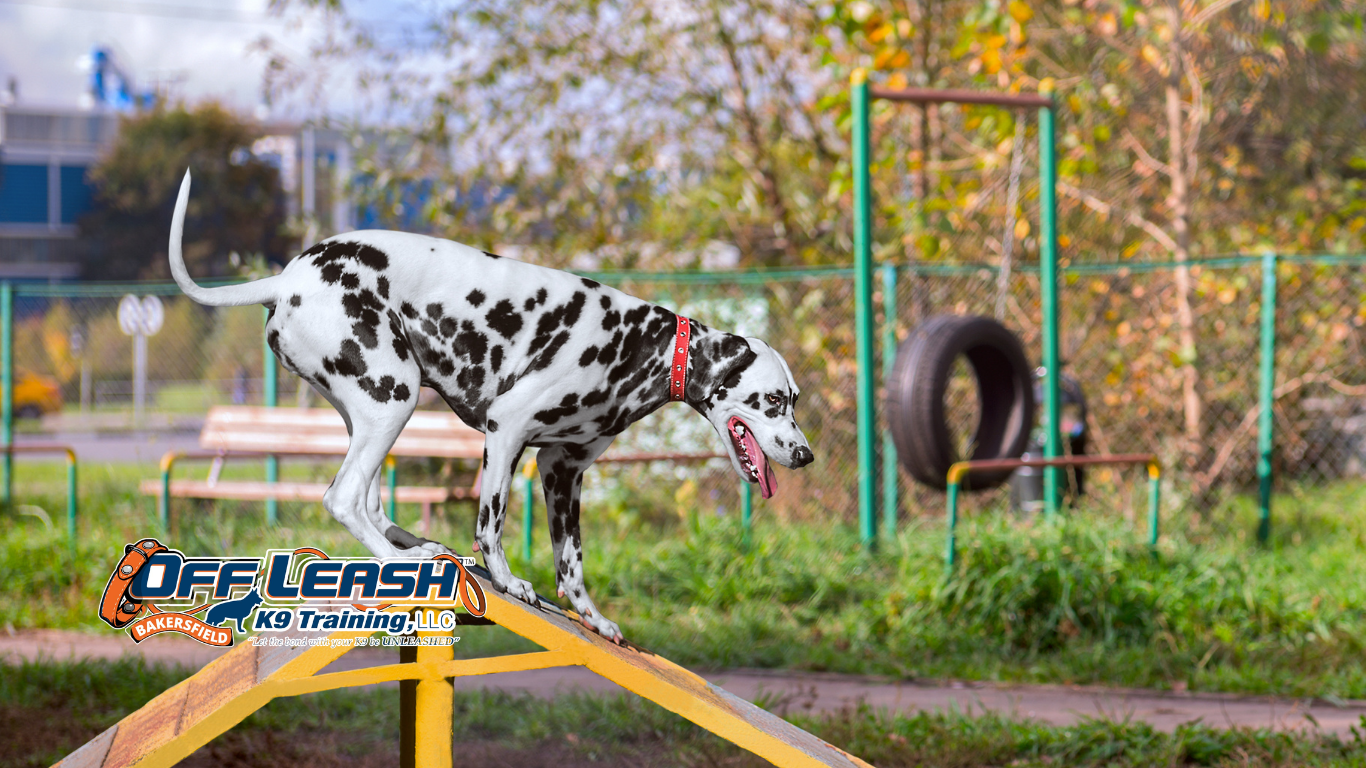
Playground Noise: Training Dogs Around Playground Noise
Playground Noise is one of the most challenging real-world distractions many dogs encounter during walks and public outings. Loud children, sudden screaming, fast movement, bouncing balls, whistles, running games, scooters, skateboards, bikes, and unpredictable activity create an environment filled with constant stimulation that can quickly overwhelm a dog emotionally.
Many dog owners notice that their dog behaves relatively calmly in quiet areas but suddenly becomes reactive, anxious, hyper-focused, overexcited, or completely unresponsive to commands near parks, playgrounds, schools, or sports fields. Dogs that normally walk politely may begin pulling hard on leash, barking excessively, whining, lunging, jumping, or ignoring their owner completely the moment playground activity appears nearby.
For some dogs, playground environments trigger excessive excitement and overstimulation. Other dogs become nervous, defensive, frustrated, or emotionally overwhelmed because of the unpredictability of children’s movement and noise. Regardless of the emotional reason, playground environments commonly increase emotional arousal so dramatically that dogs struggle to remain calm, focused, and responsive.
Many owners mistakenly believe dogs should automatically “get used to” noisy environments over time. However, dogs do not naturally learn emotional neutrality simply through exposure alone. In fact, repeated overstimulation without proper structure often strengthens reactive behavior instead of improving it.
Playgrounds create especially difficult challenges because they combine multiple powerful distractions simultaneously, including:
- Fast unpredictable movement
- High-pitched screaming
- Running children
- Bouncing objects
- Group excitement
- Constant motion
- Sudden sounds
- Environmental unpredictability
For many dogs, these combined triggers overwhelm emotional regulation very quickly.
Busy public environments throughout Bakersfield expose dogs to playground noise regularly. Parks, school zones, sports fields, apartment complexes, community events, and neighborhood recreation areas constantly place dogs near highly stimulating public activity. Without proper emotional regulation training, dogs often rehearse reactive or distracted behavior repeatedly in these environments.
One of the biggest misconceptions in dog training is believing obedience commands alone solve overstimulation. In reality, emotional regulation comes first. Dogs struggling emotionally cannot think clearly, process commands effectively, or make calm decisions consistently.
Structured dog training focuses on helping dogs remain emotionally balanced around stimulation instead of simply correcting behavior after emotional overload has already occurred. Dogs learn how to process noise, movement, and environmental pressure calmly while improving focus, impulse control, and neutrality around distractions.
The goal is not teaching dogs to ignore the world completely. The goal is teaching dogs how to experience public environments without becoming emotionally overwhelmed by them.
Key Takeaways
- Playground noise creates extremely high levels of stimulation for many dogs
- Sudden movement and screaming commonly increase emotional arousal
- Overstimulation often causes barking, pulling, and reactivity
- Dogs need gradual exposure to noisy environments
- Emotional regulation improves public behavior significantly
- Neutrality training helps dogs remain calm around distractions
- Structured exposure builds confidence and focus
- Calm behavior should be reinforced consistently outdoors
- Real-world training improves reliability around children and noise
- Dogs improve through repetition, structure, and emotional balance
Why Playground Noise Is So Difficult for Dogs
Playgrounds contain multiple highly stimulating triggers simultaneously.
Dogs naturally pay attention to:
- Movement
- Sound
- Motion changes
- Fast activity
- Emotional energy
Playgrounds constantly activate all of these instincts at once.
Unlike controlled environments, playgrounds remain unpredictable almost every second.
This unpredictability increases emotional pressure dramatically.
Why Dogs Naturally React to Movement
Movement is one of the strongest environmental triggers for many dogs.
Running children often activate:
- Chase instincts
- Hyper-focus
- Excitement
- Frustration
- Anxiety
- Defensive reactions
Fast unpredictable motion naturally captures canine attention.
Dogs that already struggle with impulse control often become emotionally escalated immediately around rapid movement.
The Impact of High-Pitched Sounds
Children’s voices often contain:
- Sudden screaming
- Sharp tonal changes
- Loud emotional excitement
- Unpredictable volume shifts
These sounds commonly increase:
- Hyper-vigilance
- Emotional arousal
- Barking
- Startle responses
- Anxiety
- Reactivity
Some dogs become overexcited while others become defensive or overwhelmed emotionally.
Why Dogs Ignore Commands Near Playgrounds
Many owners become frustrated when dogs suddenly stop responding to commands near playgrounds.
However, emotional overload often explains the behavior.
Playgrounds compete heavily for a dog’s attention through:
- Noise
- Motion
- Smells
- Public activity
- Environmental unpredictability
Once emotional arousal rises too high, dogs commonly struggle to:
- Focus
- Think clearly
- Process information
- Respond consistently
- Control impulses
- Recover emotionally
The problem is usually emotional overload rather than stubbornness.
Emotional Arousal and Public Behavior
Low to moderate arousal is normal.
However, excessive arousal reduces:
- Listening ability
- Focus
- Patience
- Emotional control
- Obedience reliability
This is why many dogs suddenly appear untrained near playgrounds despite responding well in calm environments.
Why Overstimulation Creates Reactive Behavior
Overstimulation commonly causes dogs to lose emotional balance.
Overstimulated dogs often display:
- Pulling on leash
- Barking excessively
- Lunging
- Jumping
- Whining
- Hyper-fixation
- Spinning behavior
- Ignoring commands
Dogs experiencing emotional overload struggle to process the environment calmly.
Why Some Dogs Become Fearful Around Playgrounds
Not all playground reactions are excitement-based.
Some dogs feel:
- Nervous
- Defensive
- Overwhelmed
- Startled by unpredictability
Fearful dogs may respond by:
- Barking defensively
- Retreating
- Lunging
- Freezing
- Avoiding movement
- Hyper-scanning the environment
Understanding emotional motivation is critical during training.
The Difference Between Excitement and Reactivity
Excited dogs often display:
- Loose body posture
- Happy vocalization
- Pulling toward activity
- Hyperactive movement
Reactive or fearful dogs often display:
- Stiff posture
- Hard staring
- Intense barking
- Defensive lunging
- Difficulty disengaging
Both emotional states can reduce obedience reliability significantly.
Why Dogs Become Hyper-Focused Around Children
Children move differently than adults.
Their movement is often:
- Faster
- Less predictable
- More emotionally intense
- Louder
- More chaotic
Many dogs become hyper-fixated because the movement pattern constantly changes.
Hyper-fixation often leads to:
- Pulling
- Lunging
- Ignoring commands
- Barking
- Obsessive staring
Why Recovery Speed Matters
Emotionally balanced dogs recover quickly after stimulation.
Slow recovery commonly appears as:
- Continued pulling
- Ongoing hyperactivity
- Excessive scanning
- Inability to settle afterward
Faster recovery indicates improving emotional stability.
Why Distance Is Important During Training
One of the biggest mistakes owners make is bringing dogs too close to playgrounds too quickly.
Distance helps dogs:
- Stay emotionally calmer
- Process information
- Learn successfully
- Recover faster
Training should begin far enough away that the dog can still think clearly and respond consistently.
The Importance of Neutrality
Neutrality means dogs can observe the environment calmly without emotional overreaction.
Neutral dogs:
- Notice playground activity
- Stay emotionally balanced
- Avoid hyper-fixation
- Maintain focus on the handler
- Recover quickly after stimulation
Neutrality is far more valuable than forced interaction or overstimulation.
Why Dogs Need Structured Exposure
Dogs improve emotional stability through controlled repetition.
Structured exposure means:
- Gradual increase in stimulation
- Controlled distance
- Calm repetition
- Positive recovery experiences
- Emotional success rather than overwhelm
Flooding dogs with stimulation too quickly often backfires emotionally.
The Difference Between Exposure and Flooding
Many owners assume exposing dogs to overwhelming environments helps them “get used to it.”
However, flooding often increases:
- Stress
- Anxiety
- Hyper-vigilance
- Reactivity
- Emotional instability
Healthy exposure keeps dogs below emotional overload thresholds.
Emotional Regulation and Obedience
Many playground behavior problems are emotional regulation problems first.
Dogs that regulate emotions effectively often:
- Stay calmer around noise
- Ignore distractions more easily
- Respond to commands reliably
- Recover faster from stimulation
- Walk more calmly on leash
Emotional balance improves obedience reliability dramatically.
Why Calmness Matters More Than Exhaustion
Many owners attempt to solve public behavior problems through excessive exercise alone.
Physical exhaustion does not automatically improve emotional regulation.
Dogs can still remain:
- Overstimulated
- Reactive
- Emotionally impulsive
- Hyper-focused
even when physically tired.
Emotional calmness matters more than fatigue alone.
Structured Training Around Playground Noise
Structured training focuses on emotional balance and engagement.
Build Focus on the Handler
Dogs that enjoy engaging with their owner often recover from distractions faster.
Reward Calm Behavior
Calm emotional states should be reinforced consistently.
Practice Gradual Exposure
Dogs improve faster when playground exposure increases slowly.
Teach Impulse Control
Commands like:
- Place
- Heel
- Stay
- Leave it
help dogs develop patience and emotional control.
Why Real-World Training Matters
Dogs need practice in realistic environments.
Indoor obedience alone rarely creates reliable public behavior.
Real-world exposure teaches dogs how to:
- Stay calm outdoors
- Process distractions appropriately
- Maintain focus in stimulating environments
- Recover emotionally after excitement
Why Leash Tension Can Increase Reactivity
Many owners unintentionally increase emotional arousal by tightening the leash excessively.
Tight leash pressure often increases:
- Frustration
- Emotional tension
- Pulling behavior
- Hyper-focus
Loose calm leash handling improves emotional stability significantly.
Common Mistakes Owners Make
Many owners unintentionally strengthen playground reactivity by:
- Bringing dogs too close too quickly
- Repeating commands constantly
- Reacting emotionally during outbursts
- Allowing hyper-fixation
- Overwhelming dogs with stimulation
- Rewarding excitement unintentionally
Consistency and calm leadership improve progress dramatically.
Why Puppies Often Struggle More
Puppies commonly become overwhelmed near playgrounds because they lack:
- Emotional regulation
- Impulse control
- Environmental experience
- Recovery skills
Young dogs often experience emotional overload much faster than mature balanced dogs.
Why Adolescence Increases Reactivity
Adolescent dogs commonly struggle heavily around playgrounds because adolescence increases:
- Excitement
- Curiosity
- Emotional intensity
- Environmental sensitivity
- Impulse control problems
This developmental stage often temporarily worsens public behavior.
Why Structured Walks Improve Focus
Structured walks create emotional predictability.
Helpful routines include:
- Calm leash preparation
- Controlled walking pace
- Focus exercises
- Predictable rules
- Rewarding calm engagement
Predictability improves emotional stability.
The Role of Mental Fatigue
Mental exercise improves emotional balance significantly.
Dogs that practice:
- Problem-solving
- Focus work
- Impulse control
- Engagement exercises
often handle public environments more effectively.
Playground Noise Training in Bakersfield
Busy parks and public spaces throughout Bakersfield expose dogs to playground stimulation regularly.
Common triggering environments include:
- School zones
- Sports fields
- Apartment playgrounds
- Neighborhood parks
- Public recreation areas
- Community events
Structured Bakersfield dog training helps dogs improve:
- Emotional regulation
- Public obedience
- Neutrality around distractions
- Calm leash walking
- Focus despite noise and movement
Why Reliable Public Behavior Takes Time
Public obedience develops gradually.
Dogs improve through:
- Repetition
- Emotional regulation work
- Real-world practice
- Controlled exposure
- Consistent structure
There are rarely instant fixes for emotional overstimulation.
Building Long-Term Emotional Stability
Long-term improvement comes from teaching dogs how to:
- Process stimulation calmly
- Recover emotionally
- Stay engaged with the handler
- Ignore unnecessary distractions
- Maintain emotional balance outdoors
Dogs improve through emotional repetition, not force.
Frequently Asked Questions
1. Why does my dog react to playground noise?
2. Is my dog aggressive around children?
Not necessarily. Many dogs react because of overstimulation, excitement, anxiety, or emotional overload.
3. Why does my dog ignore commands near playgrounds?
High emotional arousal often reduces focus and impulse control significantly.
4. Can dogs learn to stay calm around playgrounds?
Yes. Structured exposure and emotional regulation training improve public behavior gradually.
5. What is neutrality training?
Neutrality training teaches dogs how to observe distractions calmly without emotional overreaction.
6. Why does movement trigger my dog so strongly?
Fast unpredictable movement naturally activates canine attention and emotional arousal.
7. Can excitement create reactive behavior?
Yes. Excessive excitement often overwhelms impulse control and focus.
8. Why does my dog pull near playgrounds?
Playgrounds create stimulation levels that often overpower emotional regulation.
9. How important is distance during training?
Distance helps dogs remain emotionally balanced enough to learn successfully.
10. Can professional training improve public behavior?
Conclusion
Playground noise creates one of the most emotionally stimulating environments many dogs experience during everyday walks and public outings. Running children, screaming, fast movement, unpredictable activity, and constant environmental pressure commonly overwhelm emotional regulation and cause dogs to bark, pull, lunge, hyper-focus, or ignore commands completely.
Most dogs reacting near playgrounds are not intentionally disobedient or aggressive. Many are emotionally overstimulated and struggling to process intense environmental stimulation calmly. This is why emotional regulation and neutrality training are critical for improving public behavior around noisy environments.
Structured training helps dogs develop better emotional balance, stronger focus, improved impulse control, and calmer responses to public distractions. Through gradual exposure, consistent routines, calm leadership, and real-world practice, dogs can learn how to remain emotionally stable despite playground noise and movement.
For Bakersfield dog owners, real-world training becomes especially important because parks, school zones, sports complexes, and public recreation areas constantly expose dogs to playground stimulation. With patience, structure, repetition, and emotional regulation work, dogs can improve public behavior significantly and navigate noisy environments much more successfully over time.
"*" indicates required fields