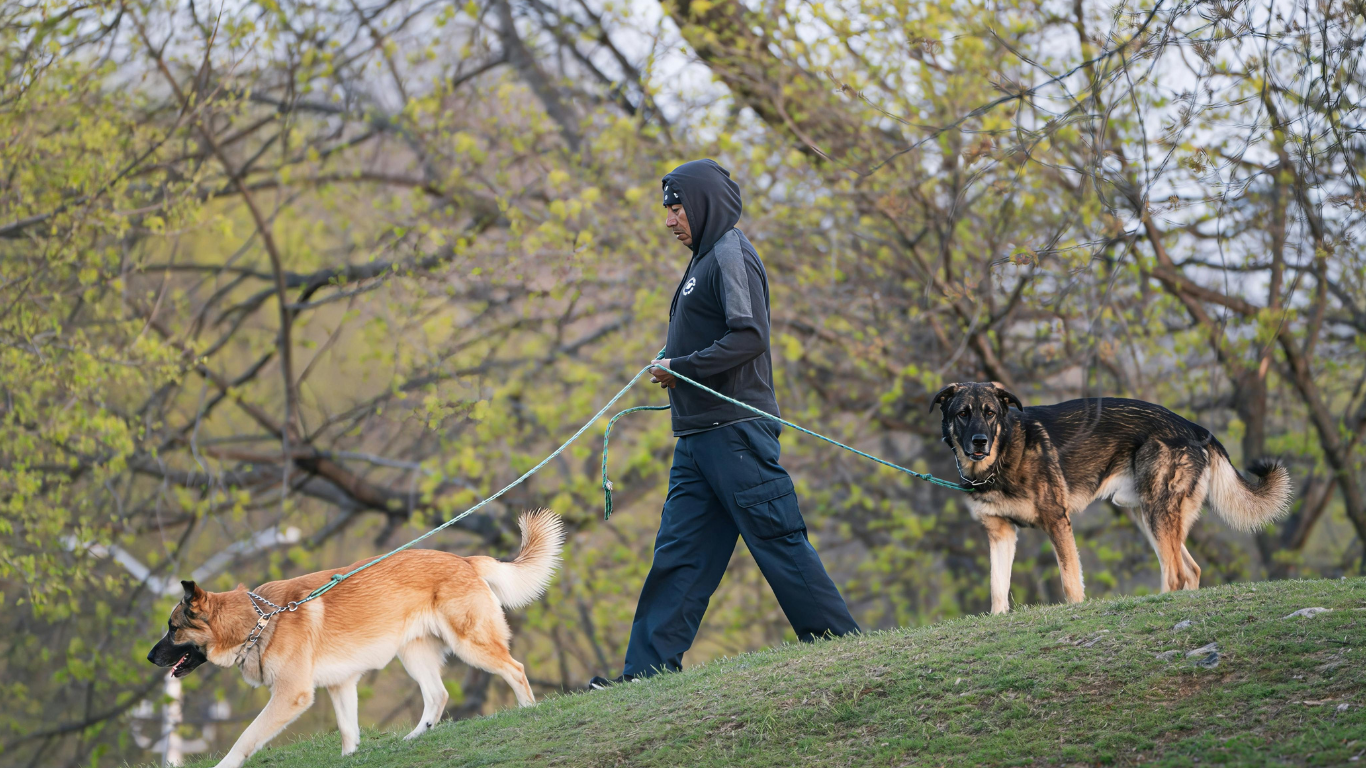
Dogs Misbehave After Walks? Here’s Why It Happens
Have you ever noticed that some dogs become more unruly after a walk? It seems counterintuitive, but this behavior can be puzzling. Understanding the reasons behind this can help experts guide pet owners towards better post-walk routines for their canine companions.
Historically, dogs have been creatures of routine and dependability. Post-walk misbehavior often stems from pent-up energy or unmet needs during the walk. A statistic from the American Kennel Club suggests that over 40% of pet owners report behavioral issues after walks, indicating the need for tailored strategies to address this common challenge.
Dogs may misbehave after walks due to unmet physical or mental needs, overstimulation from the environment, or frustration from a sudden reduction in stimuli. Ensuring adequate exercise, providing mental stimulation during and after walks, and creating a calm home environment can help mitigate these behaviors.
Dogs Misbehave After Walks? Here’s Why It Happens
After a walk, some dogs exhibit unexpected behaviors such as jumping, barking, or chewing. This can be confusing for owners who assume the exercise should calm their pets down. However, walks might not always meet a dog’s physical and mental needs. If the walk was too short or lacked stimulation, dogs might still have excess energy. This unmet need can lead to misbehavior.
Another reason for post-walk misbehavior is the transition back to a less engaging environment. Dogs thrive on new experiences and stimuli they encounter outdoors. When they return home, the sudden reduction in stimulation can cause frustration. This frustration often manifests in behaviors like destructive chewing or excessive barking. Making the home environment more enriching might help.
Environmental factors on the walk can also play a role. A stressful or overstimulating walk might leave dogs feeling anxious or keyed up. Loud noises, unfamiliar animals, or crowded areas can all contribute to a dog not feeling calm after their walk. Paying attention to these triggers can help avoid negative reactions afterward.
To curb post-walk misbehavior, owners can try a few strategies. Extending the walk, incorporating training during the walk, or providing toys and puzzles can help. Ensuring a balanced mix of physical and mental activities is key.
- Longer walks
- Training exercises
- Interactive toys
These techniques can lead to a calmer, happier dog.
Common signs of post-walk misbehavior
Post-walk misbehavior can show up in several ways. One common sign is excessive barking, which might mean the dog is still excited or frustrated. Another sign is jumping up on people or furniture. Dogs may also engage in destructive chewing, targeting shoes, furniture, or other household items.
Restlessness is another sign that a dog isn’t fully satisfied after a walk. This can include running back and forth or pacing around the house. Dogs might also whine or cry, showing they still have unmet needs. Sometimes, they can become more nippy or mouthy with their owners.
Some dogs show signs of post-walk anxiety. This might look like hiding, shaking, or seeking constant reassurance from their owners. Unfamiliar noises or environments during the walk can trigger this behavior. If a dog seems unusually nervous or jumpy, it might be experiencing anxiety from the walk.
To help identify these behaviors, consider keeping an eye out for changes in your dog’s actions after walks. Here are some signs to watch for:
- Excessive barking
- Jumping on people or furniture
- Destructive chewing
- Restlessness
- Whining or crying
- Anxiety behaviors like hiding or shaking
Recognizing these signs early can help address underlying issues more effectively.
The link between exercise and dog behavior
Exercise plays a crucial role in a dog’s behavior and overall well-being. Regular physical activity helps burn off excess energy and keep dogs calm. Without enough exercise, dogs may become bored or frustrated. This can lead to various misbehaviors, such as barking, chewing, or digging. Consistent exercise routines are essential for maintaining a dog’s mental and physical health.
Different breeds have different exercise needs. High-energy breeds like Border Collies or Labrador Retrievers require more intense physical activity. In contrast, smaller or less active breeds might not need as much exercise. Understanding your dog’s specific needs can help tailor their exercise regime. Meeting these needs can result in a happier and better-behaved pet.
On walks, it’s important to mix physical activity with mental stimulation. Including activities like fetch, agility training, or even obedience training can be beneficial. These activities engage a dog’s mind and body. They can help prevent post-walk misbehavior by providing a balanced exercise routine. Using varied approaches keeps walks more exciting and fulfilling for your dog.
Keeping track of your dog’s behavior after different types of exercise can be insightful. Some dogs may prefer longer walks, while others might enjoy short bursts of intense play. Consider making adjustments based on their responses.
- Long, leisurely walks
- Active games like fetch
- Interactive toys
- Training exercises
Observing what works best can lead to more effective exercise and improved behavior.
Environmental triggers that influence canine actions after walks
Various environmental factors can significantly influence a dog’s behavior after a walk. One major factor is the noise level encountered during the walk. Loud noises, such as traffic or construction sounds, can cause anxiety in dogs. This anxiety might make them act out when they return home. Creating a calm and quiet environment at home can help ease their stress.
Interactions with other animals during a walk can also impact a dog’s post-walk behavior. Friendly interactions can leave dogs feeling happy and fulfilled. However, negative encounters with aggressive dogs or wild animals might cause fear or aggression. Monitoring these interactions is crucial for preventing post-walk issues. Avoiding known trouble spots can make walks more enjoyable for your dog.
Weather conditions play a role too. Extreme temperatures, either hot or cold, can make walks uncomfortable. Dogs might return home feeling agitated or exhausted, which can lead to misbehavior. Ensuring walks are held during mild weather conditions can help. Adequate hydration and weather-appropriate gear are also important.
The terrain and route of the walk can influence behavior as well. Walking on varied terrains like grass, sand, or concrete provides different sensory experiences for dogs. Changing up the route can keep the walk interesting and mentally stimulating. A repetitive route can lead to boredom and post-walk restlessness.
Human behavior during the walk also matters. A calm and confident handler can positively affect a dog’s behavior. On the other hand, a tense or anxious owner can transfer their stress to the dog. Maintaining a relaxed demeanor and using positive reinforcement are key. Keeping a positive tone can make the walk a more pleasant experience.
To manage these environmental triggers effectively, consider the following tips:
- Avoid noisy areas during peak hours
- Choose routes with minimal distractions and potential triggers
- Prioritize walks during mild weather
- Stay calm and composed during the walk
Implementing these strategies can help mitigate negative behaviors after walks.
Tips for reducing post-walk behavioral issues
One effective way to reduce post-walk behavioral issues is to extend the duration of the walk. Many dogs need more exercise than we might think. If your dog is still energetic after a walk, consider adding another 10-15 minutes to your routine. This extra time can help burn off remaining energy. Ensuring your dog is adequately exercised can lead to a more relaxed post-walk demeanor.
Incorporating mental stimulation into your walks can also help. Activities like obedience training, scent work, or playing fetch can engage a dog’s mind. Mentally stimulating activities tire out dogs just as much as physical ones. Keeping their minds active can reduce boredom and prevent misbehavior at home. These activities can make walks more exciting for your dog.
Using interactive toys at home can help manage energy levels post-walk. Puzzle toys or treat-dispensing toys can keep dogs occupied and mentally engaged. These toys provide a productive outlet for their energy.
- Puzzle toys
- Kong toys
- Treat dispensers
These options can be beneficial in preventing destructive behaviors.
Another tip is to maintain a consistent walk schedule. Predictability can help dogs feel secure and calm. Sticking to specific walk times can provide structure for your dog. This consistency can reduce anxiety and behavioral issues. Regular routines bring stability to a dog’s day.
Training and positive reinforcement are key strategies. Rewarding good behavior during walks can encourage calmness and obedience. Simple commands like “sit” or “stay” can be practiced during the walk. Praising your dog for following commands helps reinforce good behavior. Training sessions make the walk more interactive and rewarding.
Lastly, consider professional help if behavioral issues persist. A certified dog trainer or behaviorist can provide personalized advice. They can help identify underlying causes and create a tailored plan. Seeking expert guidance can make a significant difference in managing your dog’s behavior. Professional support ensures your dog gets the help they need.
When to consult a professional about your dog’s behavior
Recognizing when to consult a professional about your dog’s behavior is crucial. Persistent behavioral issues that don’t improve with standard training are a clear sign. If your dog shows signs of aggression, such as biting or growling, it’s time to seek help. Severe anxiety, especially if it leads to destructive behavior or self-harm, also warrants professional intervention. In such cases, a certified dog trainer or behaviorist can provide specialized support.
Unexplained changes in behavior can be another cause for concern. If a usually calm dog suddenly becomes anxious or aggressive, it might indicate underlying issues. Health problems can sometimes manifest as behavioral changes. It’s important to rule out any medical conditions first. A veterinarian can perform a thorough examination to ensure your dog is healthy.
Consulting a professional is also advisable if your dog shows extreme fear. Fearful behaviors might include trembling, hiding, or excessive panting. If these reactions happen frequently, they can affect your dog’s quality of life. A behaviorist can help desensitize your dog to triggers. This process involves gradual exposure and positive reinforcement.
In some cases, multiple dogs in the household can result in conflicts. If you notice frequent fighting or tension between pets, professional help is recommended. A dog behaviorist can assess the situation and suggest strategies for peace. These may include
- Separate feeding times
- Structured play sessions
- Individual training plans
Such measures can help restore harmony at home.
Additionally, professional advice is beneficial for new pet owners. Getting started on the right foot with training can prevent future issues. Puppy classes or beginner obedience courses can provide essential guidance. Early intervention can ensure your dog grows up well-behaved and socialized. Investing in professional training early on pays off in the long term.
Overall, professional help can make a significant difference in managing your dog’s behavior. Whether the issues are mild or severe, expert advice can offer effective solutions. Don’t wait until problems escalate. Early consultation with a professional can lead to happier, healthier relationships with your furry friend.
Frequently Asked Questions
Welcome to the frequently asked questions section. Here, you’ll find answers to some common queries related to dog behavior after walks and other related topics.
1. Why is my dog anxious after a walk?
After a walk, some dogs may feel anxious due to overstimulation from the environment. Loud noises, unfamiliar animals, or crowded places can contribute to this anxiety. Providing a calm environment at home and using positive reinforcement can help alleviate these feelings.
Another cause of post-walk anxiety could be unmet physical or mental needs. If the walk wasn’t long enough or lacked engaging activities, dogs might still have pent-up energy leading to anxiety. Ensuring your dog’s need for adequate exercise and mental stimulation is met can significantly reduce post-walk anxiety.
2. Why does my dog bark excessively after a walk?
Excessive barking after a walk can result from leftover energy, frustration, or excitement. The walk might not have been sufficient in draining the dog’s energy, leading them to express it through barking once home. Increasing the walk duration or adding more stimulating activities can help reduce this behavior.
Additionally, dogs may bark due to withdrawal from the stimuli they encountered outdoors. Moving from a stimulating environment to a quieter home can cause frustration, leading to barking. Providing engaging toys and activities indoors can help address this issue.
3. How can I calm my dog after a walk?
To calm your dog after a walk, start by creating a relaxing environment at home. Use calming music, dim lighting, and a comfortable resting area. Offering interactive toys or puzzles can keep their minds engaged while they unwind.
Another effective method is to follow a consistent cool-down routine after walks. This could involve gentle petting, slow-paced activities, or practicing calming commands. Consistency in these routines helps dogs transition smoothly from the walk to relaxation.
4. What can I do if my dog chews things after a walk?
Chewing after a walk often indicates your dog still has excess energy or needs something to keep them occupied. Providing chew toys or interactive puzzles can redirect this behavior positively. Ensuring your dog’s physical and mental needs are met during the walk can also help.
Additionally, gradually training your dog to understand which items are appropriate for chewing can be beneficial. Using positive reinforcement for chewing toys rather than household items can teach them to choose the right objects. Consistent supervision and correction can help guide this behavior.
5. Can increasing walk length help reduce misbehavior afterward?
Increasing the length of walks can effectively reduce misbehavior afterward, particularly for high-energy dogs. Longer walks can help burn off excess energy, leaving dogs calmer and more content when they return home. Make sure to incorporate varied activities during the walk to keep them mentally stimulated.
However, it’s also important to ensure the quality of the walk. Engaging your dog with training exercises, exploring new routes, or allowing time for sniffing can make longer walks more fulfilling. Balance physical and mental activities for the best results in reducing post-walk misbehavior.
Conclusion
Understanding why dogs misbehave after walks is crucial for improving their behavior. Targeting underlying causes like unmet needs or environmental factors can lead to effective solutions. A well-rounded approach involving physical and mental activities can make a significant difference.
Consulting professionals when necessary ensures that persistent issues are addressed properly. By providing consistent routines and tailored activities, owners can help their dogs transition smoothly from walks to a calm home environment. This ultimately leads to happier and better-behaved pets.
"*" indicates required fields