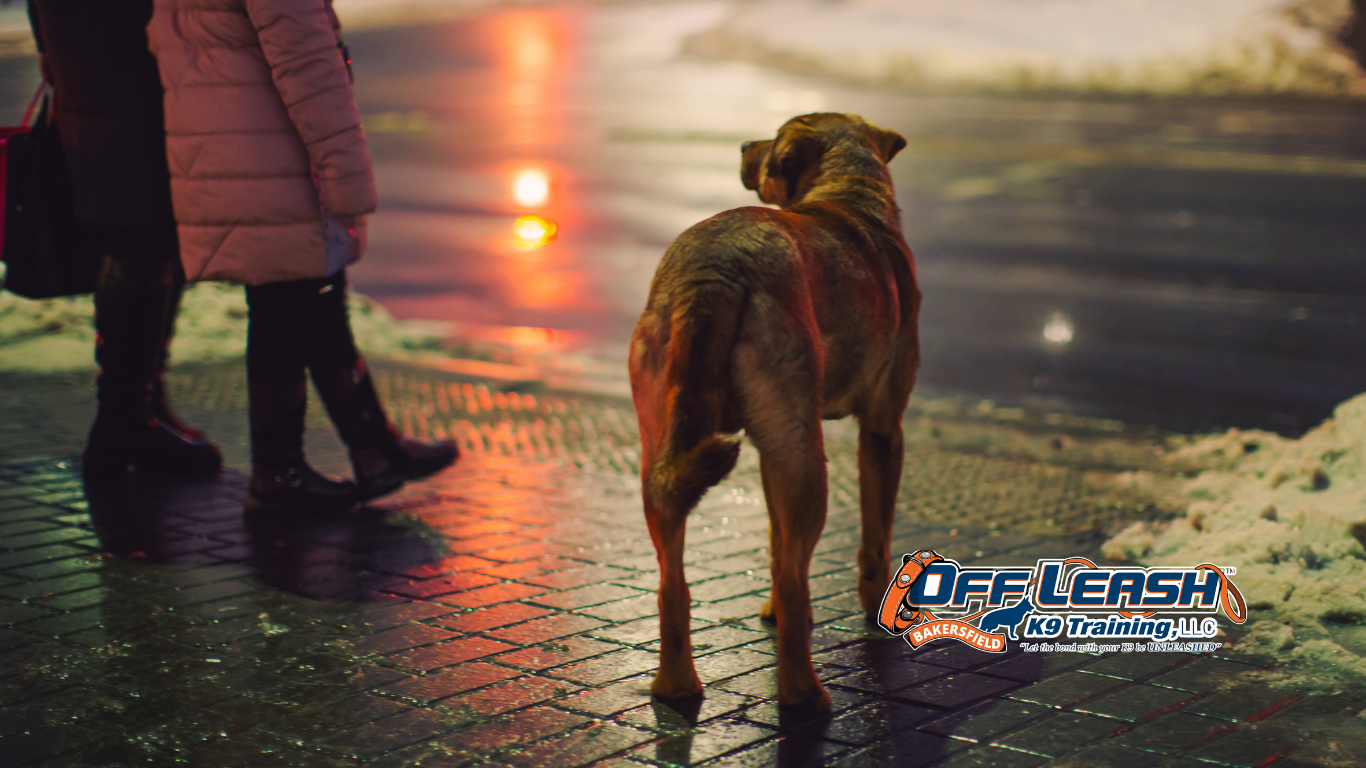
Dogs Act Bad in Public: Why Dogs Act Bad in Public
Ever been on a calm, relaxing walk only to have it interrupted by a dog barking uncontrollably? Such scenarios are all too common and can leave dog owners feeling embarrassed and frustrated. This type of behavior can stem from various triggers that dogs face in unfamiliar public settings.
Historically, dogs have evolved alongside humans, making them highly sensitive to our environment and emotions. Studies show that nearly 50% of dogs display signs of anxiety or stress in public, often due to overstimulation or lack of proper socialization. Addressing these behavior issues requires understanding their roots and implementing consistent training and positive reinforcement strategies.
Dogs act bad in public often due to anxiety, lack of socialization, or inadequate training. Environmental factors like loud noises and crowded areas can also trigger misbehavior. Professional training and gradual exposure to various stimuli are essential to mitigate public behavior issues effectively.
Dogs Act Bad in Public: Why Dogs Act Bad in Public
Dogs can sometimes act badly in public, leaving their owners unsure of how to manage the situation. This misbehavior might include barking excessively, jumping on strangers, or pulling aggressively on the leash. These actions can be embarrassing and create safety concerns. Surprisingly, these behaviors often stem from underlying causes. Understanding these reasons is key to addressing them effectively.
One major reason dogs act out in public is due to lack of proper socialization. If a dog has not been exposed to various environments and people, they may feel anxious or overwhelmed when faced with new situations. This anxiety can translate into disruptive behaviors. A study showed that dogs brought up with regular socialization were calmer in public settings. Investing time in socializing your dog can reduce these issues.
Environmental factors also play a significant role in a dog’s public behavior. Loud noises, unfamiliar smells, and crowded places can trigger a dog’s natural response to stress. Dogs with heightened sensitivity may react more aggressively than those accustomed to such stimuli. Owners should be mindful of these triggers and prepare their dogs accordingly. This preparation could involve gradual exposure to challenging environments.
To prevent bad behavior in public, it’s crucial to focus on training and positive reinforcement techniques. Consistent training helps dogs understand what is expected of them. Positive reinforcement, such as treats and praise, encourages good behavior. Regular practice and patience go a long way in ensuring that dogs remain calm and obedient. It’s essential to keep training sessions short and engaging to maintain the dog’s interest.
Common Reasons for Misbehavior in Public Settings
Dogs often misbehave in public settings due to overwhelming stimuli. Whether it’s loud noises, unfamiliar faces, or strange smells, these elements can cause anxiety in dogs. When faced with such stressors, they may bark, jump, or show other troublesome behaviors. This reaction is their way of coping with the discomfort they’re experiencing. Finding ways to reduce these triggers can help minimize misbehavior.
Another common cause of misbehavior is lack of proper training. Dogs that have not received consistent instructions on how to behave may act out because they don’t know the correct actions to take. Training helps set clear expectations, teaching dogs how to behave appropriately in various situations. Without this guidance, dogs are likely to test boundaries and act unpredictably. Ensuring regular training can make a significant difference.
Socialization plays a key role in a dog’s behavior in public settings. Dogs that have not been exposed to different environments and social interactions can feel anxious and overwhelmed in new situations. Proper socialization helps dogs become more comfortable around strangers and in unfamiliar places. It can reduce anxiety and lead to calmer, more controlled behavior. Gradual and positive socialization is essential.
Finally, health issues can contribute to a dog’s misbehavior in public. Pain or discomfort can cause irritability, leading to aggressive or unruly actions. Routine veterinary check-ups are important to ensure your dog isn’t experiencing health problems. Addressing any medical issues promptly can improve your dog’s overall behavior. Healthy dogs are often happier and more well-behaved.
Environmental Factors That Influence Dog Behavior
Environmental factors greatly impact how dogs behave. Loud noises, such as fireworks or thunderstorms, can cause extreme stress and anxiety in dogs. Even the presence of unfamiliar animals can lead to aggressive or fear-based reactions. Dogs are sensitive to changes in their surroundings, which directly affect their behavior. Understanding these factors can help owners mitigate negative responses.
Weather conditions also play a role in a dog’s behavior. Hot temperatures can lead to irritability and discomfort, while cold weather might make a dog less active or more restless. Changes in weather can disrupt a dog’s regular routine and mood. Providing a comfortable environment is crucial for maintaining good behavior. Proper hydration and shelter from extreme weather are essential.
Urban settings with heavy traffic and dense crowds can overwhelm dogs. The constant movement and noise can be daunting, leading to anxiety and potential behavioral problems. Dogs accustomed to quieter, rural environments may struggle more with these urban challenges. Gradual acclimatization and positive reinforcement can ease the transition. A calm, supportive approach works best.
Household dynamics, including the behavior of family members, influence a dog’s reactions. Tense or chaotic environments can contribute to a dog’s nervous behavior. Creating a stable, peaceful home setting helps dogs feel secure. Consistency and routine are key elements. A relaxed household often leads to a relaxed dog.
The Role of Socialization and Training
Socialization and training are fundamental in shaping a dog’s behavior. Early socialization helps dogs adapt to various environments, people, and animals. Puppies exposed to different experiences are less likely to develop fear or aggression. This exposure should be gradual and positive. Balanced socialization results in confident and well-adjusted dogs.
Training is equally important for fostering good behavior. Basic commands like sit, stay, and come provide structure and expectations. Consistent training reinforces these commands, ensuring a dog understands what is required. Positive reinforcement, such as treats and praise, encourages dogs to follow commands. Effective training leads to obedient and happy dogs.
Group training classes can also be beneficial. These classes offer a controlled environment where dogs can learn to interact with other dogs and handlers. They provide opportunities for socialization while learning essential skills. Instructors guide owners on effective training techniques. Group classes can enhance a dog’s social and behavioral development.
Continuous training is necessary throughout a dog’s life. Reinforcing good behavior and introducing new commands keeps a dog mentally stimulated. Regular practice helps maintain obedience and adaptability. Daily training sessions should be short and engaging. Consistency and variety are key.
Socialization should be introduced early, but it’s never too late to start. Adult dogs can still benefit from exposure to new experiences and environments. Gradually increasing the complexity and variety of these experiences helps older dogs adjust. Patience and persistence are essential. Even older dogs can become well-socialized and better behaved.
Owners must also be aware of their dog’s limits. Some dogs may have specific fears or anxieties that require gentle handling. Tailoring the approach to each dog’s personality promotes success. Understanding individual needs leads to tailored training and socialization practices. Each dog is unique.
Effective Strategies to Address Public Misbehavior
Addressing public misbehavior in dogs requires a combination of strategies. The first step is understanding the triggers. Identifying what causes anxiety or stress can help create a tailored approach. Once these triggers are known, management becomes easier. It’s about creating an environment where the dog feels safe.
Positive reinforcement is a powerful tool. Rewarding good behavior with treats, praise, or playtime encourages dogs to repeat those actions. This method works particularly well in public settings where distractions are high. Consistent use of positive reinforcement builds a pattern of good behavior. Over time, the dog learns what earns rewards.
Redirecting a dog’s focus is also effective. When a dog starts to misbehave, divert their attention to a more acceptable activity. For example, teaching a dog to sit or lay down instead of barking. This method requires patience and consistent practice. Offering toys or engaging in play can help. Keeping the dog occupied can reduce misbehavior.
Using a leash and harness can provide more control. In crowded or unfamiliar places, a snug harness helps guide the dog and limits unwanted actions. A sturdy leash ensures that the dog remains close and manageable. Proper equipment is essential for maintaining control. It’s a preventative measure that aids in behavior management.
Calming products can be useful for anxious dogs. Products like anxiety wraps or calming collars can reduce stress. Additionally, natural supplements may help soothe a dog’s nerves. Introducing these tools gradually is important. They can be particularly helpful in high-stress environments.
Lastly, training classes can offer structured guidance. Professional trainers can provide techniques tailored to individual dogs. Group classes allow for socialization in a controlled setting. These classes often include exercises that mimic real-life scenarios. Training with professionals can lead to significant improvements in a dog’s behavior.
How Owners Can Prevent Bad Public Behavior
Preventing bad behavior in public settings starts with preparation. Owners should ensure their dogs are well-trained and familiar with basic commands. This creates a foundation for good behavior. Socialization is equally important, exposing the dog to various environments and situations. A well-socialized dog is more likely to remain calm.
Using positive reinforcement is essential. Consistently rewarding good behavior helps the dog understand what actions are preferred. Treats, praise, and play are effective motivators. This method encourages repetition of good behavior. Positive reinforcement builds a strong bond between the dog and owner.
Avoiding over-stimulation can prevent misbehavior. Environments with excessive noise or crowded places can overwhelm dogs. Choosing quieter, less crowded places for walks can be beneficial. Gradually introducing more stimulating environments helps dogs adapt. Monitoring the dog’s stress levels is crucial.
Proper exercise before public outings can make a difference. A well-exercised dog is likely to be more relaxed and less prone to act out. Physical activity burns off excess energy. This leads to calmer behavior. Ensuring the dog is not overly tired is also important.
Owners should remain calm and composed. Dogs can sense their owner’s emotions and may mirror them. Keeping a relaxed demeanor helps the dog feel secure. Consistent and clear communication is key. Establishing a routine helps reinforce good behavior.
Using appropriate equipment is another effective strategy. A sturdy leash and comfortable harness provide control. Training tools like head collars can also be helpful. These items aid in guiding the dog’s behavior. Proper equipment ensures safety and management.
Frequently Asked Questions
Here are some common questions and answers related to dog’s behavior in public settings. These insights can help owners understand and manage their furry friend’s actions more effectively.
1. How can I train my dog to behave well in public?
Training your dog for public behavior involves consistency and patience. Start with basic commands like sit, stay, and come at home. Use treats and praise to reinforce good behavior. Gradually introduce your dog to crowded environments while maintaining positive reinforcement.
Enroll in group training classes to help your dog socialize with other dogs and people. Professional trainers can provide guidance and techniques tailored to your dog’s needs. Regular practice and a calm approach will improve your dog’s public behavior over time.
2. Why does my dog become anxious in crowded places?
Dogs can feel overwhelmed by loud noises, unfamiliar faces, and the hustle of crowded places. This sensory overload may lead to anxiety and stress. Some dogs have had limited exposure to these environments, causing them to react anxiously.
Gradual exposure to stimulating environments can help reduce anxiety. Start with less crowded areas and slowly work up to busier places. Reward calm behavior with treats and praise, helping your dog build positive associations.
3. What role does socialization play in a dog’s behavior?
Socialization is crucial for a dog’s development, helping them adapt to different environments, people, and animals. Puppies exposed to varied experiences tend to grow into well-adjusted adults. Lack of socialization can result in fear and aggression in new situations.
Socializing your dog should begin early and continue throughout their life. Positive experiences with unfamiliar settings and individuals help build confidence. This gradual exposure leads to better behavior in public settings.
4. Are there tools that can help manage my dog’s behavior in public?
Several tools can assist in managing your dog’s behavior effectively. A sturdy leash and comfortable harness provide better control. Training collars and anxiety wraps offer additional support for anxious dogs.
Using these tools correctly can make public outings safer and more manageable. Always introduce new equipment gradually and ensure it’s used in accordance with professional advice. Tools can be helpful but should complement consistent training and positive reinforcement.
5. How can I ease my dog’s stress during public outings?
To ease your dog’s stress, prepare them before venturing outside. Ensure they are well-exercised and not overly tired. Bring familiar items like toys or blankets that provide comfort. Engage in calming activities before and during the outing.
Be mindful of your dog’s cues and reactions. If they show signs of stress, provide reassurance and remove them from stressful situations when possible. Gradual exposure and patience will help make public outings more enjoyable for both you and your dog
Conclusion
Effectively managing your dog’s behavior in public requires a combination of training, socialization, and understanding environmental triggers. With consistent effort and patience, dogs can learn to navigate public settings calmly and confidently.
Utilizing positive reinforcement and proper tools enhances the training process. By focusing on these strategies, you can ensure your dog exhibits good behavior, making public outings more enjoyable for both of you.
"*" indicates required fields