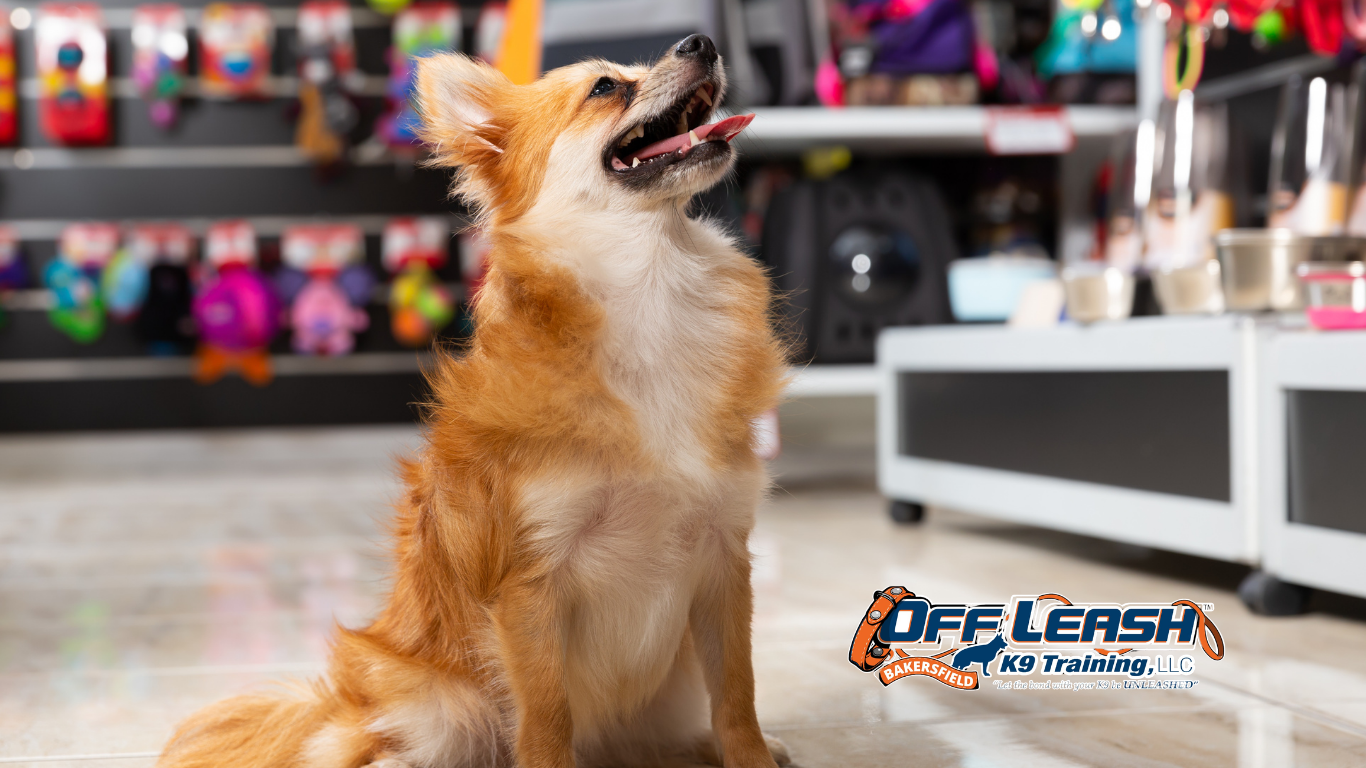
Stay Focused in Busy Shopping Areas: Teaching Dogs Real-World Obedience
Training a dog to maintain focus in a bustling shopping area is akin to teaching them to tune out a symphony of distractions. This challenge is substantial, but experts agree that it’s entirely achievable with the right techniques. Line upon line of people, countless enticing smells, and unpredictable noises can overwhelm even the most well-trained pups.
Historically, obedience training for dogs has focused on controlled environments, where distractions are minimal. However, the real world presents a myriad of challenges, making it essential for training to evolve. A study shows that dogs performing obedience tasks in busy settings are 60% more likely to complete the task successfully if trained in similar environments.
Training a dog to stay focused in busy shopping areas requires consistent practice, positive reinforcement, and gradually increasing distractions. Start with basic commands in low-distraction settings, use high-value treats for motivation, and incorporate interactive games. Patience and incremental exposure to noisier environments are key to achieving real-world obedience.
Stay Focused in Busy Shopping Areas: Teaching Dogs Real-World Obedience
Training a dog to stay focused in busy shopping areas requires patience and consistency. Dogs are naturally curious and can easily get distracted by people, smells, and sounds. The key is to gradually expose them to these environments while reinforcing obedience commands.
Start with basic commands in a controlled setting, then slowly introduce more distractions. For example, practice sit and stay at home before moving to a quiet park. Gradually increase the difficulty by practicing in busier places like shopping areas.
Reinforcement is crucial to maintaining focus. Use treats and positive praise to reward your dog for obeying commands amidst distractions. Consistent practice will help the dog associate staying focused with positive outcomes.
- Begin training in familiar, calm locations.
- Gradually increase the level of distraction.
- Use treats and praise for reinforcement.
- Practice commands like sit, stay, and heel.
- Be patient and consistent with training.
Keys to Building Distraction-Proof Focus in Dogs
Achieving a distraction-proof focus in dogs can be challenging yet rewarding. The foundation of this training starts with consistency and patience. By integrating structured routines and daily practice, dogs can learn to maintain their focus even in distracting environments.
One effective method involves using high-value treats that the dog finds irresistible. This motivates them to pay attention during training sessions. Additionally, gradually increasing the amount of distraction over time helps in fortifying their ability to concentrate.
Another key strategy includes incorporating interactive activities. Games like fetch or hide-and-seek can improve a dog’s focus while providing physical exercise. Use these activities as opportunities to practice commands such as ‘sit’ or ‘stay’.
- Identify high-value treats for motivation.
- Start training in low-distraction areas.
- Gradually introduce more distractions.
- Include interactive games in training.
- Use consistent commands and positive reinforcement.
Challenges of Shopping Area Environments for Dog Training
Training a dog in a shopping area presents unique challenges. Crowds of people can be overwhelming for a dog, causing them to lose focus. The constant movement and noise can distract even the most obedient dogs.
Another challenge is the variety of smells in a shopping area. The mix of food, perfume, and other scents can be very tempting. Dogs might want to explore these smells rather than listen to commands.
Additionally, unpredictable interactions with strangers can occur. Some people might approach your dog to pet them, which can be distracting. Ensuring your dog remains focused during these interactions is crucial.
Challenge Solution Overwhelming crowds Gradual exposure to busy environments Variety of smells Use treats to maintain focus Interactions with strangers Train calming commands
Essential Real-World Obedience Skills for Urban Settings
Dogs in urban environments need specific obedience skills to ensure their safety and comfort. One key skill is leash walking. Teaching a dog to walk calmly beside their owner prevents unexpected darting into traffic.
Another essential skill is the recall command, which is crucial in busy areas. When a dog reliably comes when called, it can help avoid dangerous situations. Practice this command in various environments to ensure consistency.
Training dogs to ignore food or litter on the streets is also important. Urban areas often have discarded food that can be harmful if ingested. A strong “leave it” command can prevent this issue.
- Leash walking to avoid traffic hazards.
- Reliable recall to manage unexpected situations.
- Ignoring street food and litter.
- Staying calm amid loud noises and crowds.
- Basic commands like sit, stay, and heel.
Dogs must also stay calm amidst the hustle and bustle. Loud noises, construction sites, and large crowds can be stressful for them. Training them to stay relaxed in these situations is vital.
The commands “sit,” “stay,” and “heel” are fundamental for any urban dog. Using these commands in public can manage their behavior effectively. Consistent practice ensures they respond well, even amid distractions.
Practical Ways to Reinforce Focus During Outings
Reinforcing a dog’s focus during outings involves consistent, engaging practice. Start by incorporating focus games into your walks. These can include making your dog sit and stay periodically before continuing the walk.
Using a treat pouch can be very effective. Reward your dog with a small treat whenever they obey a command or maintain focus. This reinforcement fosters a positive association with staying focused.
- Implement focus games during walks.
- Use treat pouches for positive reinforcement.
- Incorporate training commands into daily outings.
- Choose quiet environments to begin reinforcement practices.
- Gradually increase distractions once initial focus is achieved.
Integrating training commands like “look” or “watch me” is also beneficial. This encourages your dog to maintain eye contact and stay attentive. Practicing these commands in various settings improves their overall focus.
Gradual introduction of distractions is important. Start with quiet environments and slowly increase the complexity. This helps your dog adapt to focusing even in lively, noisy areas.
Tools and Techniques for Enhancing Dog Obedience in Public Spaces
Enhancing dog obedience in public spaces can be achieved with practical tools and techniques. Using a clicker is highly effective for training sessions. The sound marks desirable behavior, motivating the dog to repeat it.
Leashes and harnesses offer control and safety. A no-pull harness minimizes pulling and helps maintain control during walks. These tools ensure that the dog remains focused and attentive.
- Clickers for marking desirable behavior.
- No-pull harnesses for better control.
- Treat pouches for rewarding good behavior.
- Portable water bowls for hydration during outings.
- Interactive toys to keep the dog engaged.
Set up short, focused training sessions in various public areas. During these sessions, reinforce commands like “sit,” “stay,” and “down.” Consistency and repetition are key for successful obedience training.
Incorporate interactive toys and puzzles during outings. These tools stimulate a dog’s mind, encouraging problem-solving and focus. Engaging in these activities helps maintain their obedience in distracting environments.
Frequently Asked Questions
Training dogs in busy environments can be challenging yet rewarding. Here are some commonly asked questions to help you understand better.
1. How can I prevent my dog from pulling on the leash during walks?
Preventing leash pulling starts with teaching your dog to walk calmly by your side. Use a no-pull harness, which can help reduce pulling. Practice this command in various environments to strengthen their behavior.
Rewarding your dog with treats and praise when they walk correctly is essential. This reinforces the behavior you want to see. Gradually introduce busier environments as they improve, ensuring they get used to different surroundings.
2. What commands are most useful for urban dog training?
Some of the most useful commands for urban settings include “sit,” “stay,” “heel,” and “leave it.” These commands help manage a dog’s behavior amidst distractions. Consistent practice in different environments is crucial for mastering these commands.
Additionally, commands like “watch me” can improve your dog’s focus. Practicing these in busy areas helps them stay attentive. Using high-value treats can make training more effective and engaging.
3. How can I help my dog stay calm around crowds?
To help your dog stay calm around crowds, start by introducing them to smaller groups of people. Gradually increase the size of the crowd as they become more comfortable. Use positive reinforcement, like treats and praise, to reward calm behavior.
Engage in regular socialization exercises with your dog. This helps them get accustomed to varying levels of noise and activity. The key is patience and consistent practice in a variety of settings.
4. Is it beneficial to train my dog in different types of public spaces?
Yes, training your dog in various public spaces is very beneficial. It helps them adapt to different environments and distractions. Start with quieter places before moving to busier areas like markets or parks.
This gradual exposure ensures your dog can handle diverse settings. Reinforcing commands consistently will result in better obedience overall. The more varied the training environments, the more adaptable your dog will become.
5. What tools can make obedience training easier in public settings?
Several tools can simplify obedience training in public areas. No-pull harnesses, treat pouches, and clickers are highly effective. These tools help maintain control and reinforce positive behavior.
Interactive toys and portable water bowls can also be useful. They keep your dog engaged and comfortable during training sessions. Incorporating these tools into your routine can lead to more successful outcomes.
Conclusion
Teaching dogs real-world obedience, especially in busy shopping areas, is a vital skill for urban living. By using a combination of tools, consistent commands, and positive reinforcement, owners can ensure their pets remain focused and well-behaved. This not only enhances their safety but also their comfort in various environments.
Patience, practice, and gradual exposure are key elements in this training process. As dogs become more accustomed to different settings, their ability to handle distractions will improve significantly. Ultimately, well-trained dogs make outings more enjoyable for both the pet and the owner.
"*" indicates required fields