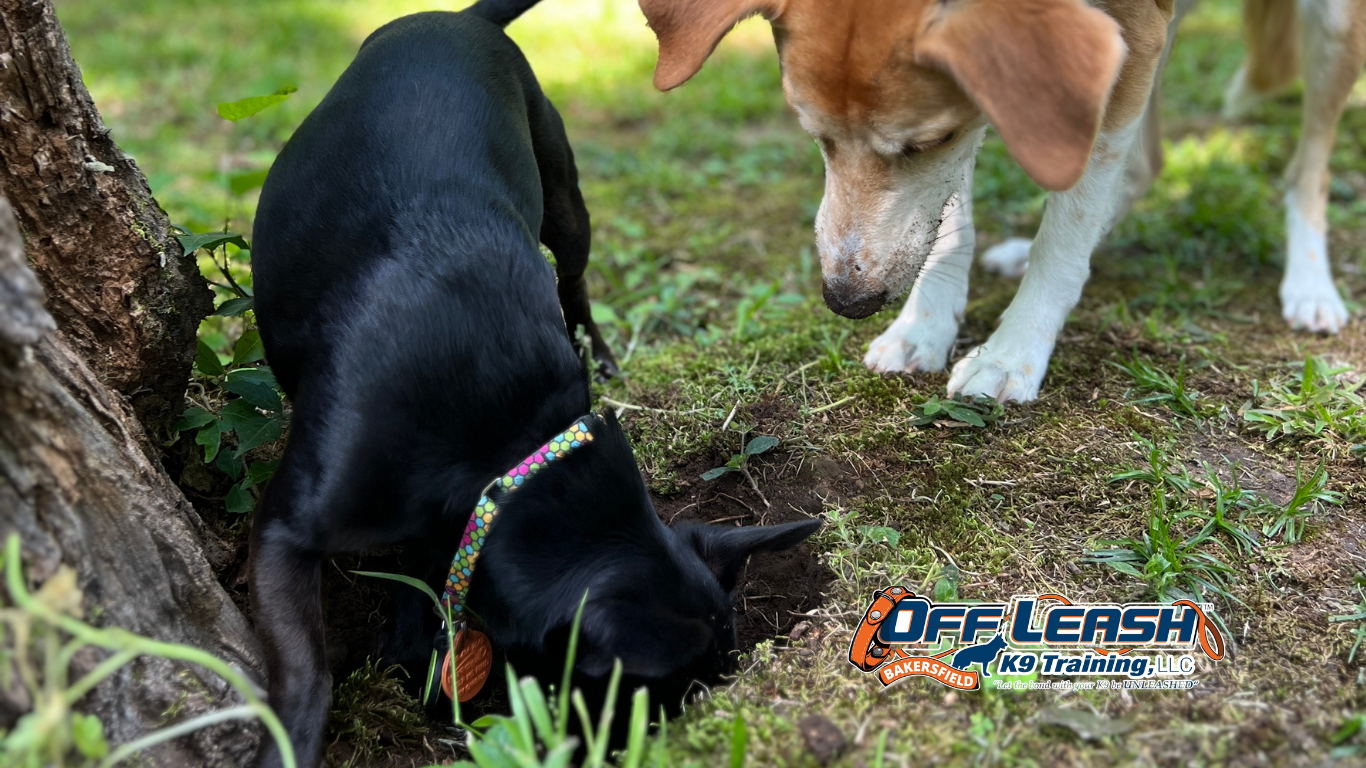
Digging Crater Habits: Simple Training Tips That Actually Work
When it comes to crater digging habits, many pet owners are baffled by the sheer determination their dogs exhibit. These energetic endeavors can be both amusing and frustrating, leaving lawns resembling lunar landscapes. However, understanding the root cause behind this behavior is the first step towards effective training.
Historically, dogs dug to create a den-like environment or to hunt small animals, a behavior still evident in many breeds today. Statistics show that over 50% of pet owners encounter this issue. Implementing simple training tips, such as redirecting their energy through playful engagement and offering alternative digging zones, can minimize the crater crisis.
To effectively manage digging crater habits, provide your dog with ample physical and mental stimulation through regular exercise and interactive toys. Designate a specific digging area in your yard, reinforcing its use with positive reinforcement like treats and praise. Consistent training and redirection are key to changing this behavior.
Digging Crater Habits: Simple Training Tips That Actually Work
Digging is a natural behavior in dogs, often stemming from their ancestors’ need to create shelters or catch prey. However, it can become problematic when your yard starts resembling a moon’s surface. Addressing this behavior starts with understanding why your dog is digging. Often, it could be due to boredom, excessive energy, or simply because they enjoy it. Identifying the root cause will help tailor the right training method.
One effective way to curb digging is to provide plenty of exercise and mental stimulation. Regular walks, play sessions, and puzzle toys can keep your pet engaged. If your dog is digging to escape the heat or cold, ensure they have a comfortable place to rest. Setting up a designated digging area can also help redirect their behavior. This special spot can be a sandbox filled with toys and treats.
Positive reinforcement is key to changing digging habits. Whenever your dog uses the designated digging area, reward them with treats and praise. This encourages them to repeat the behavior. If they start digging elsewhere, gently redirect them to the allowed spot. Consistency and patience are crucial in this training process.
Monitoring your progress is essential to a successful outcome. Keep track of your dog’s behavior in a journal, noting any changes or improvements. Adjust your approach as needed, and seek advice from a professional if the behavior persists. Using these simple training tips, you can effectively manage and eventually eliminate unwanted digging.
Why dogs develop digging crater habits
Dogs develop digging habits for several reasons rooted in their instincts and environment. Historically, wild dogs dug to create shelters to protect themselves from predators and harsh weather. This instinct has carried over to domestic dogs as well. Additionally, certain breeds have a natural inclination to dig due to their history with hunting and burrowing animals. Understanding these innate behaviors can help in managing their digging tendencies.
Another common reason dogs dig is out of boredom or a need for mental stimulation. Lack of proper exercise and mental challenges can lead a dog to find its own entertainment. This often results in digging as a way to release pent-up energy. Providing sufficient physical and mental activities can diminish this type of digging significantly. Keeping your dog engaged can prevent the onset of these behaviors.
Dogs might also dig to cool themselves down during hot weather. By digging a shallow hole, they can lie in the cooler earth to regulate their body temperature. This behavior is particularly prevalent in thicker-coated breeds. Ensuring they have a cool, shaded area to relax can reduce this type of digging. It’s important to consider your dog’s comfort and environment.
Some dogs dig out of anxiety or stress. They may dig to create a sense of safety or distraction from stressful situations. Identifying and addressing the sources of their anxiety can help. This can involve behavioral training or providing a secure and comforting environment. Overall, understanding the reasons behind your dog’s digging will aid in effective training and management.
Common triggers and environmental factors
Understanding the common triggers and environmental factors that lead to digging behavior is essential for effective management. One major trigger is insufficient physical and mental stimulation. Dogs that lack engagement and exercise often resort to digging to entertain themselves. Creating a fun, stimulating environment can reduce this behavior. Regular activities can keep their minds and bodies occupied.
Another factor is the presence of small animals or insects in the yard. Dogs have a natural hunting instinct and may dig to reach burrowing creatures. Ensuring that your yard is free from pests can help minimize this behavior. Additionally, providing alternatives like toys or supervised outdoor time can divert their hunting instincts. Maintaining a clean and pest-free yard is crucial.
Weather conditions can also play a role in why dogs dig. During hot weather, dogs may dig to find a cool spot to regulate their body temperature. In colder climates, they might dig to create a sheltered area. Recognizing these weather-related triggers allows you to offer more comfort to your pet. Providing adequate shelter and cool resting spots is important in these situations.
Another significant trigger is anxiety or stress. Changes in the household or routine can cause a dog to dig as a coping mechanism. Identifying the source of stress and addressing it can help reduce this behavior. This might involve creating a more predictable environment or using calming techniques. Supporting your dog through stressful times is key to preventing anxiety-induced digging.
Simple training techniques for prevention
Preventing digging behaviors starts with providing adequate exercise and mental stimulation. Regular walks, playtime, and interactive toys can keep your dog’s energy levels in check. Activities like fetch, tug-of-war, and agility exercises are excellent for keeping them engaged. This minimizes boredom, which is often a primary cause of digging. Keeping your dog busy helps redirect their energy to more appropriate activities.
Another effective technique is setting up a designated digging area in your yard. Fill a sandbox or a specific spot with sand and bury toys or treats for your dog to find. This gives them a suitable outlet for their digging urges. Encourage them to use this area by rewarding them with praise whenever they dig there. Over time, they’ll learn that this is the appropriate place to dig.
Using commands like “no dig” can also be effective in preventing unwanted digging. Consistently use this command when you catch your dog digging where they shouldn’t be. Pair the command with redirection to the designated digging area. Over time, they’ll associate the command with the undesired behavior and stop digging. Consistency is crucial for this training technique to work.
Positive reinforcement is key to successful training. Reward your dog with treats, praise, or a favorite toy when they refrain from digging or use the designated digging area. Positive reinforcement encourages them to repeat good behavior. Be patient and consistent with rewards to ensure long-term success. This method fosters a positive learning environment for your dog.
Creating barriers can also help prevent digging. Use fences, garden edging, or netting to block off areas where your dog tends to dig. This can be particularly useful in gardens or flower beds. Providing a comfortable outdoor environment with proper shelter and shade can also reduce the desire to dig for coolness. Combining these techniques will help create a harmonious environment for both you and your dog.
Tools and resources for effective training
To prevent unwanted digging, having the right tools can make a significant difference. Dog-friendly sandboxes allow your pet to dig in a specific spot. These sandboxes can be filled with sand and buried toys to provide mental stimulation. They are easy to set up in your backyard. Over time, your dog will learn to dig only in this designated area.
Another useful tool is interactive toys, which keep your dog engaged and occupied. These toys can dispense treats, making them more appealing. Examples include puzzle toys, treat-dispensing balls, and chew toys. These toys help with both mental and physical stimulation. Keeping your dog entertained with such tools reduces the urge to dig out of boredom.
Training aids like clickers and whistles can enhance your training sessions. Using a clicker to mark good behavior followed by a treat reinforces positive actions. This method is called clicker training. It’s an effective way to communicate with your dog during training. Consistent use will help your dog understand the commands more clearly.
Professional dog training resources are also beneficial. Books, online courses, and local training classes offer expert advice and structured programs. They provide step-by-step guidance to tackle specific behavioral issues. Many trainers share their insights and tips through videos and blogs. Utilizing these resources can accelerate your training process.
Lastly, setting up barriers or boundaries can be useful. Garden fences, netting, and barriers prevent your dog from accessing restricted areas. This helps to protect your garden or any delicate areas in your yard. Combining these tools with consistent training establishes a clear understanding of where your dog can and cannot dig. Properly utilizing these tools will lead to effective behavioral management.
Addressing mistakes in managing digging behavior
Managing a dog’s digging behavior can be challenging and mistakes are common. One common error is punishing the dog after the fact. Dogs don’t associate past actions with present punishments. Instead, focus on immediate corrections and redirection. Positive reinforcement works better than negative actions.
Another mistake is not providing enough mental and physical stimulation. Dogs need consistent exercise and engagement to stay happy and healthy. Without it, they can become bored and resort to digging. Regular walks, playtime, and interactive toys can help meet these needs. Keeping your dog active reduces the likelihood of digging behavior.
Inconsistency in training can also hinder progress. All family members should be on the same page with commands and expectations. Mixed signals can confuse the dog, making it harder to correct the behavior. Consistency creates a stable and predictable environment. Everyone needs to follow the same training protocol for effective results.
Using inadequate deterrents is another common issue. Simple barriers might not be enough to prevent a determined dog from digging. Consider combining multiple methods like barriers, training, and providing a designated digging area. A multifaceted approach is more likely to succeed. Use sturdy materials for barriers to ensure they are effective.
Neglecting to understand the root cause of the behavior is also a significant mistake. Whether it’s due to boredom, anxiety, or environmental factors, knowing the cause allows for better-targeted solutions. Address the specific triggers to manage the behavior effectively. Proper diagnosis leads to more successful training outcomes.
How positive reinforcement accelerates habit change
Positive reinforcement is a powerful tool for accelerating habit change in dogs. By rewarding desired behaviors, you create a positive association that encourages repetition. Treats, praise, and playtime can be effective rewards. When your dog performs the correct action, immediately reward them. This helps them understand which behaviors are acceptable.
Consistency is key when using positive reinforcement. Reinforce good behavior every time it occurs to build strong habits. If your dog sits on command, praise and treat them without delay. The timely reward makes the connection between behavior and outcome clear. Over time, the behavior becomes automatic.
Using a clicker can enhance this training method. Clickers provide a distinct sound that marks the exact moment your dog performs the desired action. Pairing the sound with rewards creates a clear signal for the dog. Clicker training can speed up learning by precisely targeting behaviors. It’s especially useful for complex commands or tricks.
Avoid reinforcing negative behavior accidentally. Sometimes, attention—even if it’s scolding—can encourage unwanted actions like barking or jumping. Focus on rewarding only positive behaviors to avoid mixed signals. Ignoring bad behavior while consistently rewarding good actions leads to better results.
Selecting the best toys and enrichment options to redirect digging
Choosing the right toys and enrichment options can effectively redirect your dog’s digging behavior. Toys that challenge your dog’s mind are particularly effective. Interactive puzzle toys that dispense treats keep your dog engaged for longer periods. These toys not only provide entertainment but also stimulate their problem-solving skills. Using such toys can reduce boredom-related digging.
Chew toys are also beneficial in keeping your dog’s attention away from digging. Durable chew toys like rubber bones or antlers can satisfy their natural chewing instincts. These toys are long-lasting and offer a safe outlet for their chewing needs. Make sure to choose toys appropriate for your dog’s size and chewing strength to avoid any hazards. This not only keeps them occupied but also contributes to dental health.
Outdoors, sandboxes can serve as designated dig spots. Fill the sandbox with sand and hide toys or treats for your dog to discover. This provides a controlled environment where your dog can satisfy their digging urge. Reward your dog when they use the sandbox to reinforce the behavior. Over time, they’ll associate the sandbox with positive digging experiences.
Combining toys with physical activities can further reduce digging. Tug toys promote interactive play, which can exhaust your dog and decrease their desire to dig. Regular play sessions with fetch toys or frisbees offer both mental and physical stimulation. Engaging your dog in varied activities prevents monotony and redirects their energy positively. The key is to provide a balanced mix of mental and physical challenges.
Lastly, using treat-dispensing toys during mealtime can extend their feeding time and keep them entertained. These toys require dogs to work for their food, adding an element of fun to their routine. It also promotes slower eating and better digestion. By incorporating these techniques, you can effectively manage and curb your dog’s digging habits. The right toys and enrichment options make training more enjoyable for both you and your pet.
Monitoring progress and adjusting your training plan
Keeping track of your dog’s progress in training is essential for success. Regularly assessing their behavior helps you understand what techniques are working. Use a journal to note any improvements or setbacks. Write down when and where your dog digs, then compare it with your training activities. This will give you a clearer picture of their progress.
Sometimes, adjustments to your training plan are necessary. If you notice that certain methods aren’t effective, it might be time to try new techniques. For instance, if redirecting to a designated dig area isn’t working, consider increasing physical activity. Introducing new toys or puzzles can also invigorate your dog’s interest. Adapting your strategy ensures that you meet your dog’s changing needs.
Regular check-ins with a professional trainer can provide valuable insights. They can offer recommendations based on your dog’s behavior and your observations. Professional advice can be particularly helpful if your dog’s digging is persistent or worsens. Trainers can suggest specific exercises or activities tailored to your dog’s needs. Engaging a professional adds another layer of support to your training efforts.
Consistency is crucial, but so is patience. Behavior change can take time, and not all improvements will be immediate. Celebrate small victories and remain patient through setbacks. Reinforce positive behavior consistently and adjust your approach as needed. Patience and persistence will yield the best results.
Using a combination of methods can create a more comprehensive training plan. Mix physical activities, puzzle toys, and positive reinforcement to keep your dog engaged. Monitor which combinations work best and continue to refine your approach. This multi-faceted strategy will help in effectively managing and altering your dog’s digging behavior.
Frequently Asked Questions
Curious about how to manage your dog’s digging habits? Here are some common questions and helpful answers to guide you through the process.
1. Why does my dog dig holes in the yard?
Dogs dig holes for various reasons, including boredom, hunting instincts, and seeking comfort. Often, they dig to create a cool spot to lie in or to hide toys. Understanding the root cause of your dog’s digging can help you address it effectively.
Providing ample physical activities and interactive toys can reduce boredom-driven digging. Regular exercise and mental stimulation keep your dog engaged and less likely to dig excessively. Establishing a designated digging spot can also help manage this behavior.
2. How can I stop my dog from digging up my garden?
To prevent your dog from digging up your garden, consider creating a specific dig area for them. Fill this designated spot with sand or soft soil. Bury toys and treats to make it more appealing. Training your dog to use this area can help divert their attention away from the garden.
Using barriers to protect your garden can also be effective. Garden fences, netting, or low walls can prevent access to vulnerable areas. Consistently rewarding your dog for using their dig area reinforces positive behavior, gradually eliminating unwanted garden digging.
3. Are certain dog breeds more prone to digging?
Yes, some dog breeds are more inclined to dig due to their history and instincts. For example, terriers are natural diggers because they were bred to hunt burrowing animals. Similarly, breeds like Dachshunds and Beagles have strong digging tendencies driven by their hunting backgrounds.
Understanding your dog’s breed can provide insights into their digging behaviors. Tailoring training and providing suitable outlets, like designated dig spots and toys, can effectively manage these natural tendencies. Exercise and mental stimulation are crucial for all breeds.
4. Can anxiety cause my dog to dig excessively?
Yes, anxiety can contribute to excessive digging in dogs. Stressful situations, separation anxiety, or changes in the environment can trigger this behavior. Digging can serve as a coping mechanism or a way for dogs to comfort themselves.
Addressing anxiety through behavioral training, increased exercise, and providing a comfortable environment can help reduce this behavior. In some cases, consulting a veterinarian for additional support might be necessary if anxiety is severe.
5. What role does exercise play in preventing digging?
Exercise plays a significant role in preventing digging by helping to expend your dog’s excess energy. Regular walks, playtime, and mental challenges keep your dog physically and mentally engaged. A tired dog is less likely to engage in destructive digging behaviors.
Incorporating variety in physical activities, such as fetch, tug-of-war, and agility exercises, also benefits your dog’s overall well-being. Consistent exercise routines contribute to a happy, well-behaved pet, reducing the likelihood of digging for entertainment.
Conclusion
Effectively managing your dog’s digging behavior requires understanding the root causes and providing suitable outlets. By implementing designated dig areas, exercise routines, and interactive toys, you can redirect this natural behavior. Consistent training and positive reinforcement are key to creating lasting habit changes.
Being patient and observant will help you adjust your strategies as needed. Addressing digging behavior promotes a harmonious living environment for both you and your dog. By following these simple tips, you can achieve a balanced and happy relationship with your pet.
"*" indicates required fields