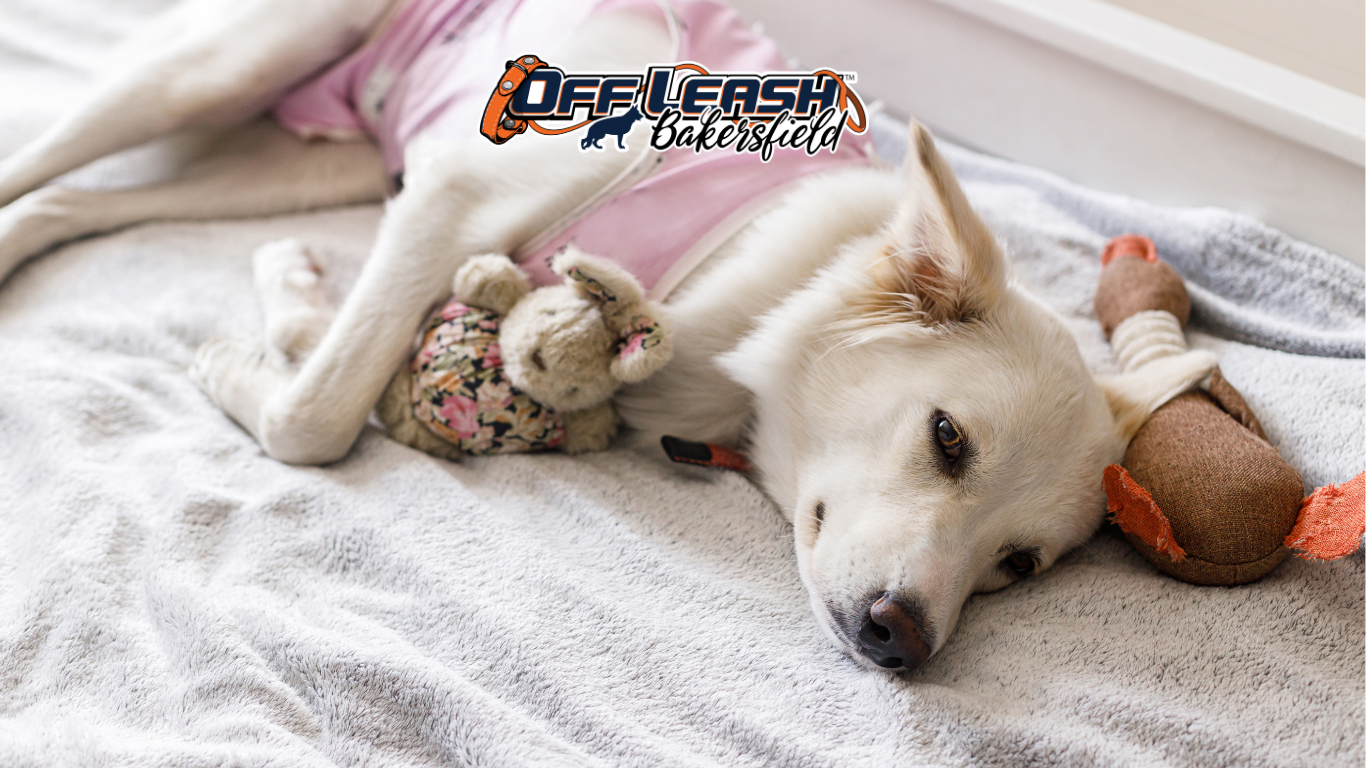
How to Improve Your Dog’s Recovery Time After Stress
It’s fascinating to note that dogs, like humans, can experience anxiety and stress that impact their physical and emotional health. One study revealed that approximately 72.5% of dogs suffer from anxiety, with the primary causes being separation, loud noises, and new environments. Understanding these figures highlights the importance of focusing on reducing stress recovery time for our canine companions.
Historically, methods like consistent routines and safe spaces have proven effective in mitigating stress in dogs. Offering a blend of physical exercise and mental stimulation significantly reduces anxiety, as supported by a 2019 AVMA report, which found that 87% of dogs showed marked improvement. Incorporating techniques such as gentle massage and calming music can also exponentially enhance recovery times, making a noticeable difference in the well-being of your pet.
- Identify stress triggers and signs in your dog early.
- Create a safe, comfortable environment with familiar items.
- Implement calming techniques, such as gentle massages and calming music.
- Incorporate enrichment activities like puzzle toys and scent work.
- Monitor health and nutrition to support resilience, including balanced diet and hydration.
- Regularly evaluate progress and seek professional guidance if needed.

How to Improve Your Dog’s Recovery Time After Stress
Recognizing and understanding your dog’s stress triggers can significantly improve their recovery time. Common indicators of stress include excessive barking, panting, and destructive behaviors. Identifying these signs early helps you take prompt action. Keep a close watch on situations that provoke anxiety. Being proactive can make a big difference.
Once you’ve identified the stressors, creating a calm and secure environment is essential. This can be achieved by setting up a quiet, comfortable space for your dog to retreat to. Providing familiar items like their favorite toys or blankets can help too. Reducing exposure to loud noises and unfamiliar people will create a safer space. This approach minimizes stress and accelerates recovery.
Implementing calming techniques can also aid recovery. Gentle massages and the use of calming music have beneficial effects. Activities that engage your dog mentally, such as puzzle toys, can redirect their focus away from stress. These methods not only calm your pet but also provide essential mental stimulation. Together, these techniques promote faster recovery.
It’s important to monitor your dog’s health and nutrition carefully. A balanced diet can support overall well-being and resilience against stress. Including supplements like omega-3 fatty acids can improve their stress response. Regular vet check-ups ensure they’re in optimal health. If stress persists, consulting a professional can provide additional guidance. Proactive measures help ensure your dog’s swift return to normalcy.
Step 1: Identify the triggers and signs of stress in your dog
Understanding your dog’s stress triggers is vital. Common triggers include loud noises, unfamiliar environments, and separation from their owner. Specific activities, like car rides or vet visits, can also cause anxiety. Observing your dog’s reactions to these situations can help pinpoint stressors. This awareness is the first step in managing their stress.
Recognizing the signs of stress is equally important. Dogs often exhibit physical symptoms such as panting, drooling, or shaking. Behavioral changes like excessive barking, hiding, or destructive actions are also red flags. By familiarizing yourself with these signs, you can quickly address the issue. Early recognition leads to better management.
Sometimes, stress triggers are less obvious. Subtle signs, like changes in eating habits or increased clinginess, can indicate stress. Keeping a journal of your dog’s behavior can help identify patterns. Noting the circumstances when these behaviors occur can reveal hidden triggers. This method provides a clearer picture of your dog’s stress factors.
Consulting with your vet can provide additional insights. Veterinarians can help rule out medical issues that may manifest as stress symptoms. They can also recommend stress relief strategies tailored to your dog. This professional guidance ensures a comprehensive approach to managing your dog’s stress. It supports a healthier, happier pet.
Step 2: Create a safe, comfortable environment for recovery
Establishing a safe, comfortable space for your dog is crucial for their recovery. Choose a quiet area in your home where your dog feels secure. This space should be free from loud noises and sudden activities. Having a designated safe spot helps them relax. Safety and comfort accelerate their recovery process.
Make this space cozy with familiar items. Adding your dog’s favorite bed, toys, and blankets can provide comfort. Familiar scents can have a calming effect on your dog. You can also incorporate an item that smells like you. This setup gives them a sense of safety and security.
Temperature control is another important factor. Ensure the space is neither too hot nor too cold. A comfortable temperature helps your dog rest better. Adequate lighting, not too bright or dim, also creates a soothing environment.
Limiting access to stressful stimuli can be beneficial. Consider using white noise machines or calming music to block out disturbing sounds. Keeping this space private, where your dog can retreat without disruption, is helpful. This approach minimizes external stressors and promotes a quicker recovery.
Step 3: Implement calming techniques and enrichment activities
Using calming techniques can greatly help in reducing your dog’s stress. Gentle massage is one effective way. Focus on areas like their neck and back to help them relax. Many dogs enjoy this and it helps strengthen your bond. It’s a simple yet powerful method.
Calming music also works wonders. Classical music, for instance, has been found to soothe anxious dogs. Playing soft, consistent tunes can create a tranquil atmosphere. This auditory aid can distract from stressful stimuli. It offers an additional layer of relaxation.
Enrichment activities play a critical role in stress reduction. Providing puzzle toys keeps your dog mentally stimulated. These toys challenge them to solve simple problems. This engagement helps divert their mind from anxiety. It’s both fun and therapeutic.
Another engaging activity is scent work. Hiding treats around your home encourages your dog to use their nose. This scavenger hunt is mentally stimulating and rewarding. It combines play with a natural instinct, making it highly effective. Dogs love the challenge and excitement.
Physical exercise should not be overlooked. Regular walks or play sessions help burn off excess energy. Physical activity releases endorphins, improving their mood. A tired dog is generally a more relaxed dog. Balance activity with rest to maintain their well-being.
Varying these techniques keeps things interesting. Rotate enrichment activities to prevent boredom. By constantly engaging both mind and body, you ensure a holistic approach. This variety ensures that your dog remains calm and content. Consistency in these practices brings the best results.
Step 4: Monitor health and nutrition to support resilience
Maintaining your dog’s health is a key factor in improving their resilience to stress. Regular vet check-ups are essential to catch any underlying health issues early. Your vet can also provide specific advice tailored to your dog’s needs. This proactive approach helps in preventing health problems. A healthy dog is better equipped to handle stress.
Nutrition plays a critical role in stress management. A balanced diet complete with essential vitamins and minerals supports overall well-being. Omega-3 fatty acids, for example, are known to reduce anxiety in dogs. Including foods rich in these nutrients can be beneficial. Proper nutrition strengthens your dog’s resilience to stress.
Hydration is equally important. Always ensure your dog has access to fresh water. Dehydration can contribute to stress and anxiety. Pay attention to their water intake, especially during hot weather. Keeping your dog hydrated supports their overall health and well-being.
In some cases, supplements may be recommended by your vet. These can include probiotics for gut health, which is linked to mental well-being. Calming supplements containing natural ingredients like chamomile can also help. Consult your vet before introducing any new supplement. Proper supplementation can aid in reducing stress levels.
Monitoring your dog’s weight is also crucial. Obesity can negatively impact their physical and mental health. Ensure they are at a healthy weight by providing a balanced diet and regular exercise. Keep an eye on their weight changes. A fit dog is better able to cope with stress.
Implementing a consistent routine can further support resilience. Dogs thrive on regular schedules for feeding, exercise, and sleep. Consistency in their daily routine provides a sense of security. This stability helps in managing stress more effectively. Regularity builds a resilient and happier dog.
Step 5: Evaluate progress and seek professional guidance if needed
Regularly assessing your dog’s progress is essential. Keep track of their behavior, noting any improvements or setbacks. A simple journal can be an effective tool for this purpose. Consistent monitoring helps identify patterns. This ongoing evaluation is key to effective stress management.
It’s important to have specific criteria to measure progress. Look for reductions in signs of stress, such as less panting or fewer destructive behaviors. Improvements in sleep patterns and increased playfulness are positive indicators. These benchmarks help you gauge your dog’s recovery. Adjustments can be made based on these observations.
Sometimes, professional help is necessary. If you notice persistent stress symptoms despite your efforts, consulting a vet or a pet behaviorist is a wise step. Professionals can offer specialized techniques and treatments. They can also rule out any underlying health issues. Their expertise can be invaluable in difficult cases.
There are various specialists who can help. Veterinary behaviorists, for example, are trained to address complex behavioral issues. Trainers with experience in anxiety management can provide practical tips. Mental health professionals for pets offer therapy sessions. These options provide a holistic approach to stress management.
Utilizing professional advice can also offer peace of mind. Knowing you’re following expert recommendations ensures you’re on the right path. It’s reassuring to have professional support when needed. This collaboration benefits both you and your dog. It further ensures your pet’s well-being.
Ultimately, patience is key. Stress recovery can be a slow process. Celebrate small milestones along the way. Persistence and consistent evaluation contribute to long-term success. Your efforts will pay off in your dog’s improved health and happiness.
Common causes of stress in dogs
There are several factors that can cause stress in dogs. Loud noises, like thunderstorms or fireworks, are common culprits. These sudden sounds can startle dogs and lead to anxiety. Exposure to these noises should be minimized when possible. Creating a calm environment helps lessen their impact.
Another major source of stress is separation from their owners. Dogs are social animals and can become anxious when left alone for long periods. This condition is known as separation anxiety. Symptoms include excessive barking, destructive behavior, and house soiling. Training and gradual acclimatization can help reduce this stress.
Changes in the home environment can also trigger stress in dogs. Moving to a new house, the arrival of a new pet, or changes in family dynamics can cause anxiety. Dogs thrive on routine and consistency, so any disruption can be unsettling for them. Providing stability during these transitions eases their stress.
Unfamiliar environments and situations often provoke stress as well. Visits to the vet or trips to unfamiliar places can be challenging for some dogs. They may display nervous behaviors such as shaking or hiding. Gradual exposure and positive reinforcement can help mitigate this fear over time.
Poor health is another significant factor contributing to stress. Conditions like arthritis or other chronic illnesses cause discomfort and lead to increased anxiety levels. Regular veterinary care ensures that health issues are managed effectively. Proper medical attention reduces both physical pain and related stress.
Lastly, lack of proper socialization affects a dog’s comfort level around other animals and people. Early socialization helps them adapt better to different situations later in life. Puppies that miss out on this crucial stage often exhibit heightened anxiety as adults. Fostering positive interactions early on lays the foundation for a relaxed, confident dog.
Effective stress relief techniques for dogs
Using effective stress relief techniques can greatly enhance your dog’s recovery time after stress. Gentle massages are a popular method. Massaging areas like their neck and back can help your dog relax. This not only reduces anxiety but also strengthens the bond between you and your pet. Regular massages can make a significant difference in their stress levels.
Calming products can also be helpful. Items such as anxiety wraps, which apply gentle, constant pressure, can provide comfort. Natural calming sprays or diffusers that release soothing scents are another option. These products can be used in combination to create a serene environment. They provide your dog with a sense of security and ease.
Incorporating enrichment activities is key to reducing stress. Interactive toys and puzzle feeders keep your dog mentally engaged. These activities challenge their mind and divert attention from stress. Using such toys regularly ensures they stay entertained. Mental stimulation is crucial for a happy, relaxed dog.
Physical exercise is a natural remedy for stress. Regular walks, play sessions, and aerobic activities help burn off excess energy. This not only keeps your dog fit but also releases endorphins, which are natural stress relievers. Consistent physical activity is vital for their mental and physical health. A tired dog is a content dog.
Providing a safe and comfortable space at home is essential. Create a calm area with their favorite bed, toys, and blankets. This space should be away from loud noises and disruptions. Allow your dog to retreat here whenever they feel overwhelmed. A designated safe zone fosters a sense of calm and security.
Training and socialization also play a role in managing stress. Teaching your dog basic commands and positively reinforcing good behavior builds their confidence. Socializing them with other dogs and people reduces anxiety in different situations. These skills help your dog navigate the world with ease. Confidence leads to lower stress levels.
Foods and supplements to aid your dog’s post-stress recovery
Certain foods and supplements can aid your dog’s recovery after stressful events. A balanced diet rich in essential nutrients supports overall health. Adding foods like salmon and flaxseed, rich in omega-3 fatty acids, can help reduce anxiety. These nutrients are known to improve brain function and reduce inflammation. A well-balanced diet is fundamental for stress recovery.
Probiotics play a vital role in gut health. A healthy gut is linked to improved mental well-being. Including probiotic-rich foods like yogurt can enhance digestion and stress resistance. Another option is to use probiotic supplements recommended by your vet. These supplements help maintain a balanced and healthy gut flora.
Calming supplements can be very effective. Ingredients like chamomile, valerian root, and melatonin are known for their soothing properties. These natural supplements help relax your dog’s nervous system. Consult your vet before introducing any new supplements. They can provide the correct dosage and product recommendations.
Adding antioxidants to your dog’s diet can be beneficial as well. Foods high in antioxidants, such as berries and leafy greens, help combat oxidative stress. These foods protect against cell damage and boost immunity. Including a variety of antioxidant-rich foods supports overall recovery. A mixture of these foods can enhance their diet.
Another useful supplement is L-theanine. Found in green tea, L-theanine promotes relaxation without drowsiness. This amino acid helps in reducing anxiety and promoting a calm state. Available in supplement form, it’s a practical addition to your dog’s regimen. Always get vet approval before adding new supplements.
Maintaining adequate hydration is crucial. Always ensure your dog has access to fresh water. Dehydration can worsen stress and anxiety. Providing water-rich foods, like cucumbers or watermelons, can help. Hydration supports all bodily functions and aids in quicker recovery.
When to consult a veterinarian about stress-related recovery concerns
Consulting a veterinarian is important if your dog’s stress symptoms persist. If your pet continues to show signs of anxiety despite your efforts, it’s time to seek professional help. Persistent symptoms can include excessive panting, destructive behavior, or refusal to eat. These issues might indicate more serious underlying problems. A vet can provide a thorough diagnosis.
Sudden changes in behavior are another sign. If your normally calm dog becomes unusually aggressive or fearful, it warrants a vet visit. Such changes could be due to new stressors or health issues. An early intervention can prevent the situation from worsening. It’s always better to be cautious in these cases.
Physical symptoms should never be ignored. If your dog shows signs of illness like vomiting, diarrhea, or lethargy, consult your vet immediately. These symptoms can be stress-related or indicate a medical condition. A vet can run necessary tests to determine the cause. Proper diagnosis and treatment are crucial for recovery.
Chronic stress can lead to long-term health issues. Conditions like high blood pressure, weakened immune system, and even depression can develop. Regular check-ups can help in monitoring your dog’s overall health. Your vet can recommend specialized treatments or therapies to address these stress-related concerns. Preventative care is key to long-term well-being.
If you notice no improvement with at-home stress management techniques, a vet’s guidance is essential. They can suggest advanced strategies such as medication or behavioral therapy. Vets have access to resources and expertise that can make a significant difference. Their recommendations are tailored to your dog’s specific needs.
Even if there are no immediate concerns, it’s beneficial to discuss any stress-related issues during routine visits. Keeping your vet informed ensures comprehensive care for your dog. This proactive approach allows for early detection and intervention if needed. Open communication with your vet supports your dog’s health and happiness.
Frequently Asked Questions
Here are some common queries related to improving your dog’s recovery time after stress. These answers offer practical insights for ensuring your dog’s well-being.
1. What are the signs that my dog is stressed?
Stress in dogs can be identified by various physical and behavioral signs. Common indicators include excessive barking, panting, drooling, and destructive behaviors. Other symptoms like changes in eating habits, hiding, or withdrawal from social interaction are also signs of stress.
It’s important to observe your dog’s behavior closely to identify these signs. Timely identification allows for quicker intervention, which can significantly improve your dog’s recovery time. Consulting with a veterinarian can also provide further insights into stress signs.
2. How can I create a calming environment for my dog?
Creating a calming environment for your dog involves reducing exposure to stressors and providing a safe space. Designate a quiet, comfortable area in your home with familiar items like their bed, toys, and blankets. Maintain a consistent routine to provide a sense of security.
Additionally, using calming products like anxiety wraps, soothing music, or calming sprays can further enhance the environment. These techniques help create a serene atmosphere that promotes quicker recovery from stress. Consistency is key in maintaining this environment.
3. What role does diet play in managing my dog’s stress?
Diet plays a crucial role in managing your dog’s stress levels. A balanced diet rich in essential nutrients supports overall health and well-being. Foods high in omega-3 fatty acids, such as salmon and flaxseed, can reduce anxiety and improve brain function.
Including probiotic-rich foods like yogurt can enhance digestion and support mental well-being. Always consult your vet before making significant changes to your dog’s diet. Proper nutrition is fundamental to building resilience against stress.
4. Are supplements effective for reducing stress in dogs?
Supplements can be an effective way to reduce stress in dogs when used correctly. Natural ingredients like chamomile, valerian root, and L-theanine are known for their calming properties. These supplements help relax the nervous system without causing drowsiness.
It’s essential to consult your veterinarian before introducing any new supplements to ensure they are appropriate for your dog. The correct dosage and product selection are critical for safety and efficacy. Well-chosen supplements can significantly aid in stress management.
5. When should I seek professional help for my stressed dog?
If your dog’s stress symptoms persist despite your efforts, it is advisable to seek professional help. Consistent signs of anxiety, such as excessive panting, aggression, or withdrawal, require veterinary attention. A thorough diagnosis can reveal underlying issues and guide treatment.
Sudden changes in behavior or physical symptoms like vomiting and lethargy also warrant a vet visit. Professional guidance can provide specialized treatments and therapies to effectively manage your dog’s stress. Early intervention is crucial for long-term well-being.
Conclusion
Improving your dog’s recovery time after stress requires a comprehensive approach. By identifying stress triggers and providing a calming environment, you lay a solid foundation for their well-being. Incorporating enrichment activities and maintaining proper health support are pivotal steps.
Consulting with your veterinarian ensures you are on the right path. Addressing stress proactively leads to a happier, healthier pet. Your commitment to their well-being will yield significant benefits.