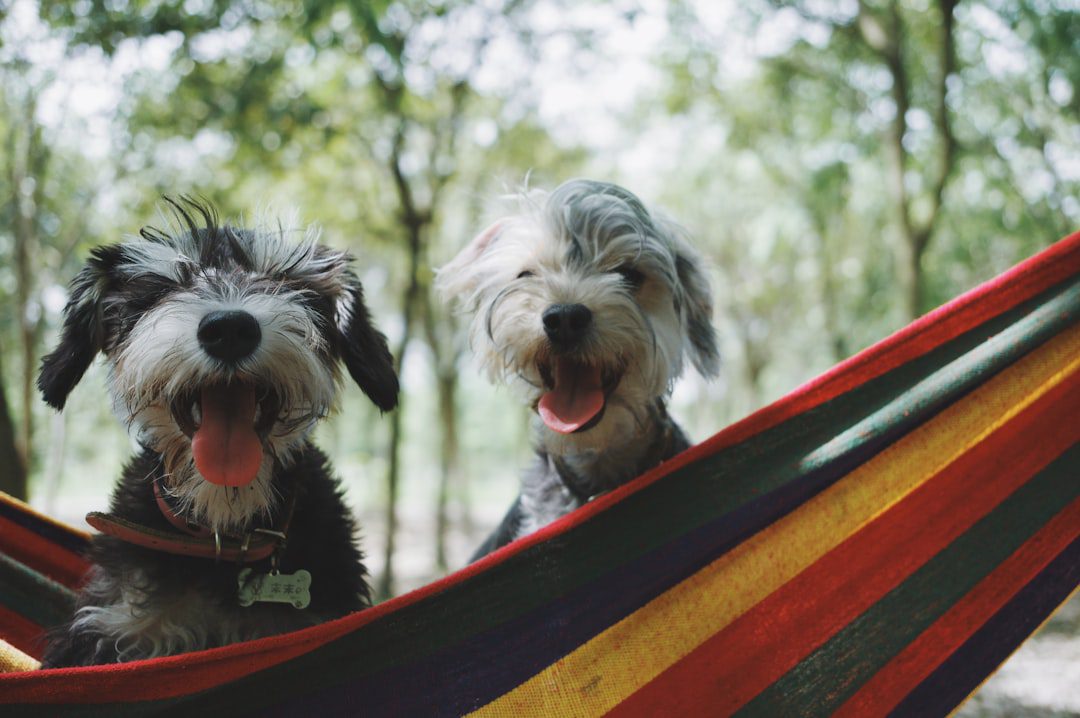
Your Dog’s Comfort Checklist: 10 Signs They’re Happy in Their New Surroundings
Bringing a new furry friend home is exciting, but how do you know if they’re truly settling in? The answer lies in understanding your dog’s happiness signals – their tail wags tell a story, and their body language speaks volumes. Your dog’s comfort in their new environment is crucial for their well-being. Whether you’re a first-time pet parent or have recently relocated with your four-legged companion, recognizing these positive signs can bring peace of mind. From playful zoomies to relaxed sleeping positions, we’ll explore 10 clear indicators that your dog is thriving in their new space. These telltale signs will help you understand if your pup feels safe, secure, and genuinely happy in their surroundings. Ready to become fluent in your dog’s happiness language? Let’s dive into these essential signs that will confirm your furry friend is right at home.

Understanding Your Dog’s Adjustment Period
When bringing a dog into a new home, understanding their adjustment period is crucial for ensuring a smooth transition. Dogs, like humans, need time to acclimate to unfamiliar surroundings and establish new routines. This period can vary significantly depending on your dog’s personality, past experiences, and the environment they’re coming from.
Timeline of Adjustment
The first week in a new home is often the most challenging for dogs. During these early days, your furry friend might exhibit various behaviors as they process their new environment. Some dogs may appear withdrawn or anxious, while others might seem overly excited or restless.
In the first 3-7 days, your dog’s adjustment period typically involves exploring their surroundings cautiously. They’ll begin mapping out safe spaces and understanding the daily rhythm of their new home. You might notice them being extra vigilant, with heightened responses to unfamiliar sounds or movements.
The second week usually brings more stability as your dog starts feeling more secure. They begin understanding house rules and showing their true personality. However, some dogs might take up to several weeks or even months to fully adjust, especially if they’ve experienced trauma or multiple relocations.
During this time, it’s essential to maintain consistent routines and provide plenty of reassurance. Creating a predictable schedule for meals, walks, and playtime helps your dog feel more secure during their adjustment period. Remember that patience is key – rushing the process might lead to setbacks in their adaptation.
Reading Your Dog’s Body Language
Understanding your dog’s body language is one of the most reliable ways to gauge their comfort level in a new environment. Dogs communicate primarily through physical signals, making it essential for pet parents to become fluent in their four-legged friend’s non-verbal cues.
Positive Body Language Signals
When your dog feels safe and content, their body language reflects their emotional state. A relaxed body posture, with loose muscles and a gentle curve to their spine, indicates they’re at ease. Watch for a softly wagging tail held at medium height – this is one of the easiest dog body language signs to interpret as happiness.
Look for soft, almond-shaped eyes and a slightly open mouth that resembles a happy smile. If your dog’s ears are held in their natural position rather than pinned back or overly alert, it’s another positive indicator. A happy dog might also present their belly for rubs, showing complete trust in their environment.
Stress Signals to Watch For
Being attentive to signs of stress in your dog’s body language can help you address discomfort before it escalates. Common stress indicators include excessive lip licking, yawning when not tired, and avoiding eye contact. A tense body posture, with stiff muscles and a lowered head, suggests your dog isn’t fully comfortable.
Pay attention if your dog’s tail is tucked between their legs or held unusually high and still. These are clear signals that they’re feeling uncertain or anxious. Other stress indicators include showing the whites of their eyes (whale eye), excessive panting without physical exertion, and frequent scratching when there’s no obvious itch.
If you notice your dog displaying multiple stress signals, it’s important to give them space and time to adjust. Remember that every dog processes change differently, and some may take longer to feel secure in their new surroundings.

Physical Signs of Comfort
A content dog displays various physical indicators that reveal their comfort level in a new environment. When your furry friend feels at ease, their body language and daily routines naturally align with their physical needs.
Eating and Sleeping Patterns
Your dog’s eating habits serve as a reliable barometer of their comfort level. A relaxed dog maintains healthy eating patterns, eagerly approaching their food bowl during meal times. They’ll eat at a steady pace without rushing or showing signs of anxiety.
Watch for these positive eating signals:
– Finishing meals completely
– Maintaining a consistent appetite
– Showing interest in treats
– Drinking water regularly
Their sleeping habits also reveal valuable insights about their adjustment. A comfortable dog develops regular sleeping patterns and chooses favorite spots for rest. They’ll sleep soundly without constantly shifting positions or appearing restless.
Look for these encouraging sleeping habits:
– Sleeping deeply without frequent startling
– Maintaining consistent nap schedules
– Choosing specific spots for rest
– Relaxed body posture while sleeping
– Stretching out comfortably rather than curling up tightly
When dogs feel secure, they often alternate between periods of activity and rest naturally throughout the day. They might doze off in common areas of the house rather than hiding in isolated spots, showing they trust their surroundings.
A well-adjusted dog will also display:
– Regular bathroom routines
– Normal grooming behavior
– Relaxed muscle tone
– Steady breathing patterns
– Healthy appetite levels
Environmental Exploration
Curiosity and Investigation
When dogs feel secure in their new environment, they naturally display an eagerness to explore their surroundings. A happy dog will confidently venture into different rooms, sniffing corners and investigating new sights with enthusiasm. This natural curiosity is a positive indicator that your pet is becoming comfortable in their new home.
Watch how your furry friend responds to new smells and sounds. A content dog will show interest in exploring unfamiliar areas without hesitation or fear. They might spend time investigating window sills, furniture, or even the garden, taking in all the novel sensory experiences their new surrounding offers.
Pay attention to their body language during exploration. A relaxed tail, forward-facing ears, and loose body movements suggest they’re enjoying their investigative adventure. You might notice them revisiting certain spots multiple times, marking their territory and creating familiar reference points in their new environment.
Healthy exploration also involves interaction with household items. Your dog might show interest in toys left in various locations or follow interesting scents from room to room. This behavior indicates they’re mentally mapping their new space and feeling secure enough to claim it as their own.
Remember that some dogs may take longer to build confidence in exploring their new sight and surroundings. Give them time and space to investigate at their own pace, ensuring they have a safe retreat spot if they feel overwhelmed.

Social Bonding Indicators
Interaction with Family Members
As your furry friend settles into their new home, their interactions with family members become a crucial indicator of their comfort level. A happy dog actively seeks out companionship and engages with their pet parent in meaningful ways.
When dogs feel secure, they’ll naturally gravitate towards family gatherings, choosing to be part of the action rather than hiding away. You might notice your new furry friend following family members from room to room, a behavior known as “shadowing” that shows trust and attachment.
Positive social interactions often include:
– Gentle leaning against family members
– Bringing toys for shared playtime
– Seeking attention through soft nudges
– Relaxed body posture during family activities
– Comfortable sleeping near family spaces
Watch how your dog responds when a family member enters the room. A content dog will show excitement through a wagging tail, relaxed ears, and an open, happy expression. They might even roll over for belly rubs, displaying complete trust in their new environment.
Remember that each dog has their own personality and comfort levels with social interaction. Some may be more reserved while others are naturally outgoing. The key is looking for consistent, positive engagement with family members that shows they view their new home as a safe and happy space.
Creating a Comfortable Environment
A welcoming home environment plays a crucial role in helping your dog feel secure and content in their new surroundings. Creating a space that caters to their needs while maintaining structure can significantly impact their adjustment period.
Establishing Routines
Setting up a consistent routine helps your dog understand what to expect each day, reducing anxiety and building confidence. Start by establishing regular feeding times, walks, and potty breaks. This familiar routine creates a sense of predictability that dogs naturally crave.
Make sure to designate specific areas for different activities. Set up their bed in a quiet corner, place their food and water bowls in a consistent spot, and create a dedicated play area. This organization helps them understand the purpose of different spaces within their new home environment.
Consider incorporating regular exercise sessions and playtime into their daily schedule. Physical activity not only helps burn energy but also strengthens the bond between you and your pet. Whether it’s a morning walk or an afternoon play session, maintaining these activities at consistent times helps your dog feel more secure.
Remember to be patient during this transition period. Some dogs may take longer to adjust to their new schedule, while others adapt quickly. Pay attention to their responses and make gentle adjustments to the routine as needed, always keeping their comfort and well-being in mind.