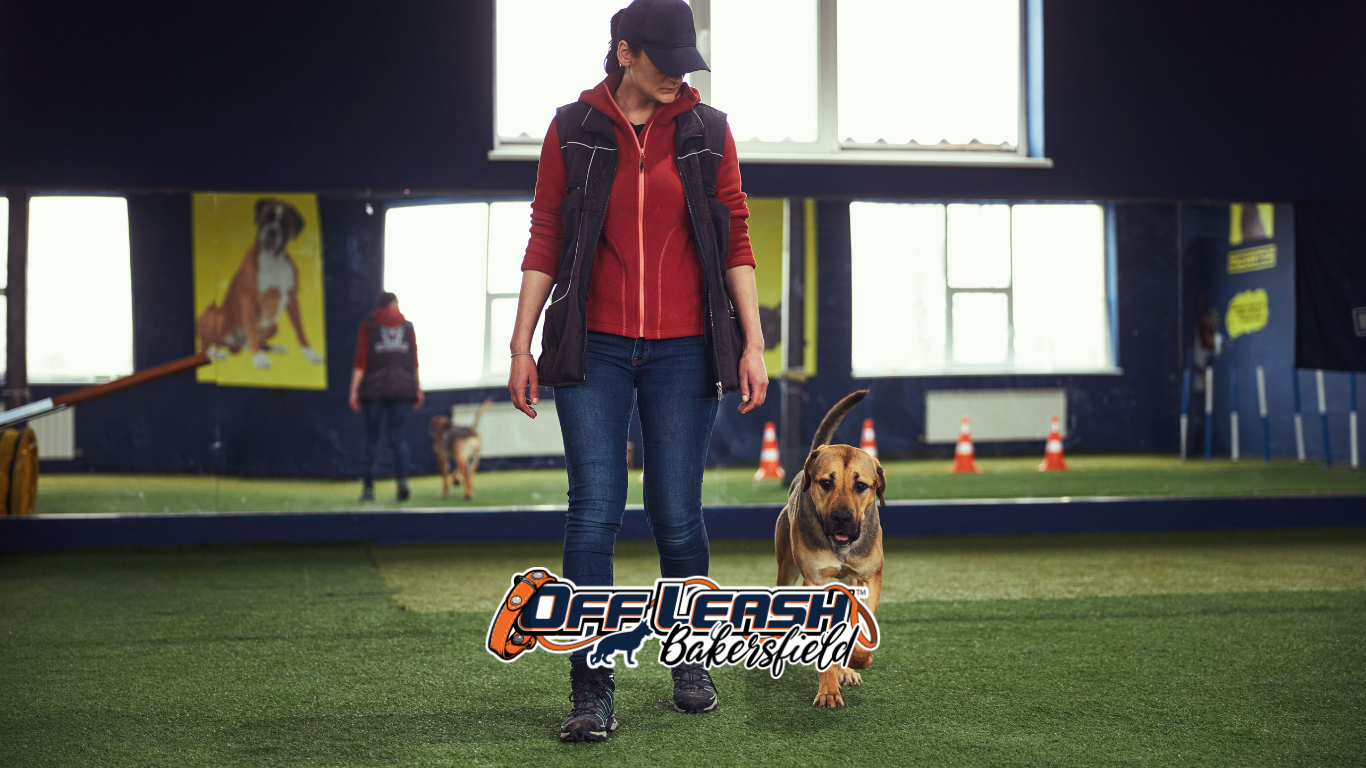
Why Dogs Struggle With Long Training Sessions
Just as humans can’t maintain focus for hours on end, dogs also struggle to keep their attention during extended training sessions. This isn’t merely a matter of stubbornness; it’s grounded in their cognitive and energy limitations. Puppies, particularly, have even shorter attention spans, making concise, rewarding training periods crucial for success.
Historically, the notion of long training sessions was popularized by outdated methods that didn’t account for a dog’s natural behavior. Modern research, however, shows that dogs learn best in short, frequent bursts. A study revealed that dogs trained in 3-5 minute intervals showed significantly more retention and enthusiasm compared to those enduring half-hour sessions.
Dogs often struggle with long training sessions due to their limited attention spans, energy constraints, and the mental fatigue that prolonged focus can cause. Shorter, consistent sessions paired with positive reinforcement are typically more effective in maintaining a dog’s engagement and improving learning outcomes.
Why Dogs Struggle With Long Training Sessions
Dogs, like humans, have a limited attention span. Extended training sessions can lead to frustration and fatigue. When dogs become tired, they lose focus and enthusiasm, making learning less effective.
Energy levels also play a significant role. Puppies and older dogs often tire quickly, while active breeds might last longer. However, even the most energetic dogs can struggle to stay engaged in prolonged sessions.
Mental stimulation is crucial for dogs. Long sessions can overwhelm them, leading to stress. Short, frequent training bursts are proven to be more effective in maintaining interest and improving retention.
Various studies support this approach. For instance, dogs trained in 5-minute intervals show better performance. This method adapts to their natural behavior, ensuring consistent progress without exhaustion.
Key Factors Behind Attention Span Limitations
Dogs’ cognitive processes are different from humans. They tend to focus on immediate stimuli rather than long-term goals. This means they can get distracted easily by their surroundings.
Age significantly affects attention span. Puppies are naturally more curious and easily distracted. Older dogs might have shorter attention spans due to decreased energy and possible health issues.
Breed characteristics also play a role in attention capabilities. Some breeds are known for being more focused and trainable, such as Border Collies. Conversely, breeds like Beagles may have shorter attention spans due to their hunting instincts.
External factors can influence attention levels. For example, noisy environments or unfamiliar places can make it harder for a dog to concentrate. Reducing these distractions can help improve focus during training sessions.
Common Behavioral Signs of Overtraining
One clear sign of overtraining in dogs is a lack of enthusiasm during sessions. If a dog shows disinterest in commands or tasks, it might be overtrained. This change in behavior can indicate fatigue.
Another typical sign is increased frustration or aggression. Dogs may start to exhibit unwanted behaviors such as barking excessively or becoming more agitated. These reactions often stem from exhaustion and mental overload.
Physical indicators can also signal overtraining. Dogs may begin to tremble, pant heavily, or show signs of stress. Noticing these physical cues is crucial for preventing overtraining-related issues.
Frequent mistakes in tasks they once mastered might occur. This regression is a common behavioral sign that a dog is overloaded. Keeping sessions short and varied can help mitigate these challenges.
The Role of Breed and Age in Training Endurance
Different dog breeds have varying levels of endurance, which impacts their training capacity. For instance, working breeds like Border Collies and German Shepherds typically have higher stamina. These breeds often benefit from more extended training sessions.
On the other hand, smaller breeds like Chihuahuas or Shih Tzus might tire more quickly. These dogs usually require shorter, more frequent training sessions to stay engaged. Tailoring training durations based on breed is essential for effective learning.
Age is another significant factor affecting training endurance. Puppies are full of energy but have short attention spans. Training sessions for them should be brief but more numerous throughout the day.
Older dogs might face physical limitations that impact their endurance. They might need more rest breaks and shorter sessions. However, this doesn’t mean they can’t learn new tricks – just at a slower pace.
A table highlighting breed-specific endurance can be useful. Breed characteristics influence training success and program design. Understanding these traits helps in structuring sessions appropriately.
| Breed | Endurance Level |
|---|---|
| Border Collie | High |
| Chihuahua | Low |
| German Shepherd | High |
| Shih Tzu | Low |
Effective Alternatives to Lengthy Training Sessions
Short and frequent training sessions can be highly effective. Instead of one long session, break training into several short segments throughout the day. This keeps the dog engaged and less likely to get bored.
Incorporating play into training is another excellent technique. For example, teaching a dog to fetch or tug-of-war can also include commands. This makes learning fun and mentally stimulating for the dog.
Reward-based training is particularly effective. Using treats or verbal praises can encourage quicker learning. Positive reinforcement helps dogs associate training with enjoyable outcomes.
Puzzle toys can provide mental stimulation and training. These toys challenge the dog’s brain and can be used to teach problem-solving skills. Introducing new toys periodically keeps training fresh and exciting.
Interactive training apps and resources are becoming more popular. These tools often offer structured programs that can be tailored to a dog’s specific needs. They can be great for providing variety and keeping both the owner and dog motivated.
A table summarizing some of these alternatives can help. This visual representation aids in quickly understanding the different methods.
| Training Method | Benefits |
|---|---|
| Short sessions | Keeps dog engaged and attentive |
| Play-based training | Makes learning fun |
| Reward-based training | Encourages quicker learning |
| Puzzle toys | Provides mental stimulation |
| Interactive apps | Structured and customizable |
Expert Recommendations for Maximizing Training Success
Experts suggest maintaining a consistent training schedule. Consistency helps dogs understand and anticipate their training sessions. This regularity can lead to faster learning and better retention of skills.
Setting realistic goals is another vital recommendation. Break down complex tasks into smaller, manageable steps. This approach prevents overwhelming the dog and makes each training achievement attainable.
Experts also emphasize the importance of positive reinforcement. Rewards such as treats, praise, or playtime encourage dogs to perform well. It creates a positive association with training activities.
Ensuring a distraction-free environment can significantly impact training success. Minimizing interruptions helps maintain the dog’s focus. This can be especially important for younger or more easily distracted dogs.
Participating in group classes or working with a professional trainer can provide additional benefits. Interactive sessions with other dogs and owners can enhance social skills. Professional guidance ensures that training methods are effective and appropriately tailored.
- Maintain a consistent schedule
- Set realistic goals
- Use positive reinforcement
- Minimize distractions
- Consider group classes or a professional trainer
Frequently Asked Questions
Training dogs effectively requires understanding their behavior and limitations. Here are some common questions and professional insights to help improve your training methods.
1. How long should a typical training session last for a dog?
For most dogs, a training session should last between 5 to 15 minutes. This duration helps maintain their attention and minimizes the risk of frustration or fatigue.
Short and consistent training sessions throughout the day can be more effective. Puppies may need even shorter intervals due to their limited attention spans.
2. What are the signs that a dog is getting bored during training?
Common signs of boredom include yawning, sniffing around, or avoiding eye contact. These behaviors indicate that the dog is losing interest and may not be absorbing the training.
Introducing new commands or switching up activities can help re-engage your dog. Keeping sessions lively and varied helps maintain their attention and enthusiasm.
3. Can all dog breeds handle the same training duration?
No, different dog breeds have varying levels of stamina and attention spans. Working breeds often handle longer sessions, while smaller or less active breeds may prefer shorter ones.
It’s important to tailor training durations to your dog’s specific breed and energy level. Observing your dog’s responses can guide you in adjusting the session length.
4. How does age affect a dog’s ability to train?
Puppies have high energy but short attention spans, requiring brief, frequent training. Older dogs may need shorter sessions with more breaks due to physical limitations.
Even senior dogs can learn new tricks with patience and consistency. Adjust the training intensity to suit their age and health condition.
5. What techniques can enhance the effectiveness of short training sessions?
Using positive reinforcement such as treats or praise can significantly enhance training. Consistent rewards for good behavior encourage dogs to learn quickly and willingly.
Incorporating games and playful activities into training keeps the dog engaged. Frequent breaks and varied commands also help maintain their interest and focus.
Conclusion
Understanding why dogs struggle with long training sessions helps in designing effective training programs. Short, consistent sessions that keep the dog engaged are more beneficial. Tailoring the training to the dog’s breed and age ensures a positive experience.
By recognizing signs of overtraining and boredom, owners can adjust their methods accordingly. Utilizing positive reinforcement and varied activities helps maintain a dog’s enthusiasm. These strategies contribute to more successful and enjoyable training outcomes.
"*" indicates required fields