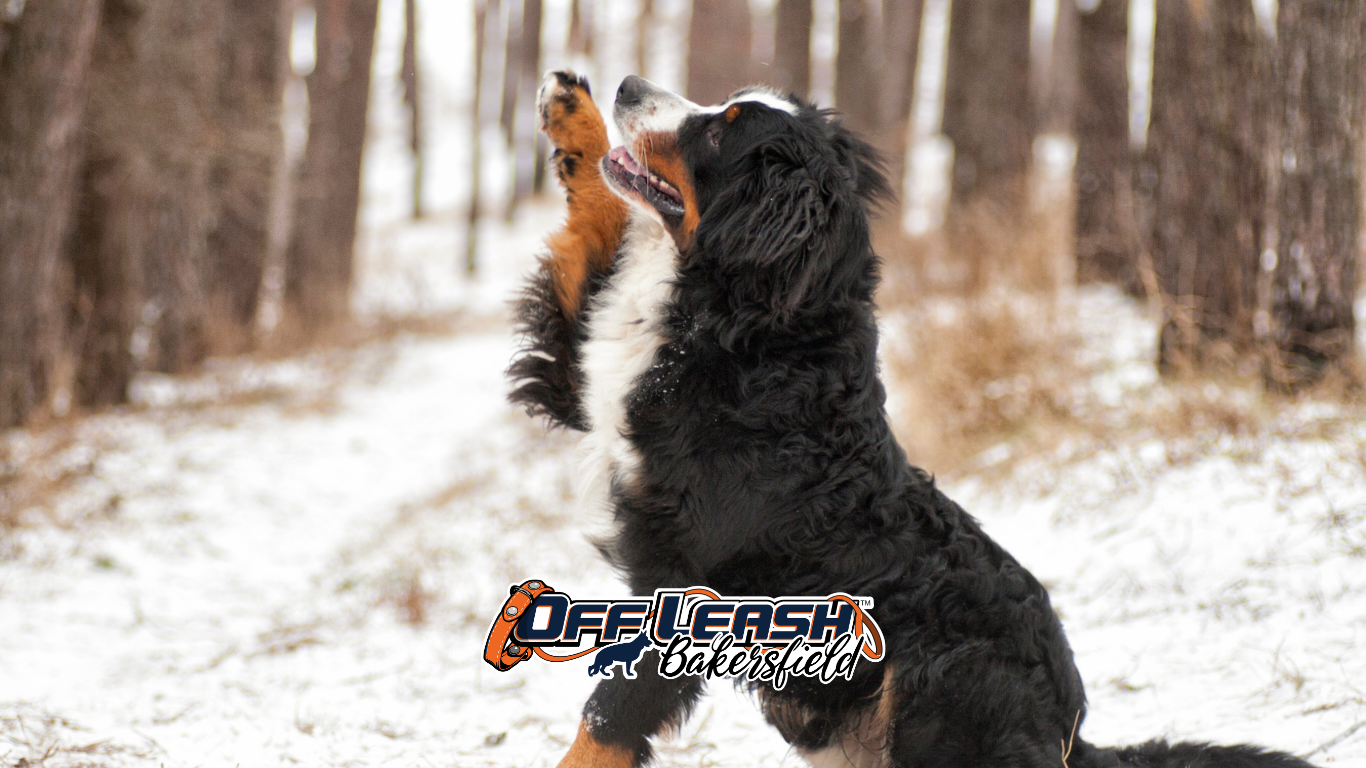
Weather Changes: Helping Your Dog Maintain Focus Outdoors
Have you ever noticed how some dogs become anxious or distracted with the slightest change in weather? It’s fascinating how weather shifts can impact a dog’s behavior and focus. Many pet owners find it challenging to maintain their dog’s attention when it’s storming outside or when the temperature drops suddenly.
Historically, dogs’ sensitivity to weather changes relates to their evolutionary survival instincts. According to a recent study, over 80% of dogs react to thunderstorms or drastic weather changes. Providing a consistent training routine, even in varying weather conditions, can help strengthen your dog’s focus and resilience. Consistency and positive reinforcement are key in adapting their behavior.
- Recognize and record how different weather conditions affect your dog’s behavior.
- Maintain a consistent training schedule regardless of the weather.
- Use positive reinforcement with treats, praise, and toys during focus exercises.
- Create a safe, comfortable environment to reduce stress.
- Monitor progress and adjust training strategies as needed for continual improvement.

How to Build a Dog Who Can Focus During Weather Changes
Training a dog to stay focused during weather changes starts with recognizing how different conditions affect them. Thunder, rain, and strong winds can be overwhelming. Begin by observing your dog’s behavior in these situations. Note any signs of anxiety or distraction. This helps in tailoring training techniques specific to their needs.
Next, maintain a consistent training schedule regardless of the weather. This teaches your dog that training is part of their routine. Even a few minutes each day can make a difference. Consistency helps your dog understand that focus is required no matter the weather. This builds their confidence over time.
Using positive reinforcement is key. Reward your dog for staying calm and focused during training sessions, especially in challenging weather conditions. Treats, praise, and toys can be effective rewards. This makes the training process enjoyable and encourages your dog to maintain focus despite distractions.
Finally, creating a safe environment is crucial. Ensure your dog has a comfortable space indoors where they feel secure. Using tools like calming music or anxiety wraps can help them relax. Regularly review and adjust your strategies based on your dog’s progress. This adaptive approach ensures continuous improvement in their behavior.
Step 1: Recognize the Impact of Weather on Canine Behavior
Different weather conditions can significantly affect a dog’s behavior. Thunderstorms, for example, can cause extreme anxiety. Some dogs might bark, hide, or even become destructive. It’s essential to recognize these signs early. Understanding your dog’s reactions can guide you in helping them cope better.
Windy weather can also be a challenge. Dogs rely heavily on their sense of smell, and gusty winds can carry various scents, making it harder for them to focus. They may become more alert and distracted. This heightened state can lead to anxiety or hyperactivity. Recognizing these behaviors is the first step toward addressing them.
Rain can also impact a dog’s mood and behavior. The sound of rain, the smell, and the wet environment can be overwhelming. Some dogs might refuse to go outside. This can disrupt their routine and cause stress. Identifying these changes helps in adjusting their training.
Changes in temperature can influence a dog’s energy levels. Hot weather can make them lethargic, while cold weather might make them restless. Providing a comfortable environment helps manage these shifts. Acknowledging how temperature affects them is vital for effective training. Regularly monitor and adapt based on their needs.
Step 2: Establish Consistent Training Regardless of Weather
Maintaining a consistent training schedule is essential, even with changing weather. Dogs thrive on routine, and regular training helps them understand expectations. Start by setting a specific time each day for training. This routine builds their focus and reassurance. Weather should not dictate their training sessions.
Creating short, flexible training sessions can be beneficial. These sessions can be moved indoors when the weather is extreme. Practicing commands like “sit,” “stay,” and “come” indoors can be just as effective. If outdoor weather conditions allow, continue training outside. This consistency reinforces their learning regardless of the environment.
Incorporating variety in training keeps your dog engaged. Mix up the activities to include different commands and games. Use their favorite toys or treats to make it fun. This variety helps maintain their interest and focus. Consistent training, even during windy weather or rain distractions, is crucial for their development.
Utilize tools that can aid indoor training. Objects like agility tunnels, obedience jumps, or interactive toys can make indoor sessions engaging. These tools help simulate outdoor distractions, preparing your dog for environmental challenges. Maintaining a structured training routine, inside or out, helps your dog stay focused. Adapt training techniques to fit weather conditions, ensuring continuous progress.
Step 3: Use Positive Reinforcement and Focus Exercises
Positive reinforcement is a powerful tool in dog training. Rewarding your dog for good behavior encourages them to repeat those actions. Treats, praise, and playtime are effective rewards. Consistency in using these rewards helps your dog understand what behavior is desired. It’s important to reward immediately to reinforce the connection.
Focus exercises are essential for improving your dog’s attention span. One simple exercise involves holding a treat close to your face and asking your dog to “watch me.” When your dog makes eye contact, reward them. Gradually increase the duration of eye contact before giving the reward. This strengthens their ability to maintain focus.
Another effective exercise is the use of interactive toys. Toys that dispense treats or require problem-solving can keep your dog engaged. This not only provides mental stimulation but also helps them practice sustained attention. Regularly incorporating these toys into training can significantly benefit your dog’s focus.
Teaching your dog new tricks also enhances their concentration. Commands like “stay,” “leave it,” and “look” can be particularly useful. Practice these commands in different environments to generalize the behavior. Using distractions during training sessions helps your dog learn to focus despite environmental challenges. Over time, this builds their resilience.
Involving movement in focus exercises can increase engagement. Activities like agility training or playing fetch require your dog to pay attention to your commands while being active. For instance, setting up a mini-obstacle course helps in both physical and mental stimulation. These activities make training enjoyable and effective.
Combining positive reinforcement with focus exercises creates a balanced training approach. This method ensures your dog remains motivated and attentive, even in challenging weather conditions. Keeping sessions short and frequent can prevent frustration. Regular practice with positive rewards solidifies these behaviors.
Step 4: Create a Safe and Comfortable Environment
Providing a safe and comfortable environment is crucial for your dog’s well-being. A designated space where they can retreat to feel secure is important. This space should be free from loud noises and crowded areas. Consider placing a cozy bed or crate here. A calm environment helps reduce anxiety during weather changes.
Using calming aids can further enhance this safe space. Products like anxiety wraps, pheromone diffusers, or calming music can be effective. These tools help soothe nervous dogs. Incorporate them into your dog’s space to promote relaxation. These aids are especially helpful during storms or windy weather.
Proper temperature control is also essential for your dog’s comfort. Ensure their environment is neither too hot nor too cold. Extreme temperatures can cause stress and discomfort. Using fans, air conditioning, or heaters can help regulate the temperature. Pay attention to how your dog reacts and adjust as needed.
Ensure your dog’s space includes familiar items. Their favorite toys, blankets, and even your scent on a piece of clothing can provide comfort. These items help your dog feel secure and reduce stress. Regularly cleaning and maintaining this area is also important. It keeps the space inviting and hygienic.
Addressing environmental noise is another consideration. Outside noises like thunderstorms or heavy traffic can disturb your dog. Soundproofing the area with thick curtains or using white noise machines can help. These measures create a quieter atmosphere. A quiet environment makes it easier for your dog to stay calm.
Regularly monitor your dog’s behavior in this space. Look for signs of comfort or distress. Adjust the environment as needed based on their reactions. A well-maintained safe space contributes to your dog’s ability to focus. It provides a stable foundation for their training and overall well-being.
Step 5: Monitor Progress and Adjust Strategies as Needed
Regularly monitoring your dog’s progress is essential to gauge the effectiveness of your training strategies. Keep an eye on how they respond to different weather conditions. Documenting behaviors and responses can provide valuable insights. This helps in identifying patterns and areas that need improvement. Adjusting strategies based on these observations is crucial.
Use a training log to track developments. Note down the training activities, weather conditions, and your dog’s reactions. Compare entries over time to see if there are improvements or consistent issues. This systematic approach makes it easier to recognize progress. It’s also helpful for communicating with professionals if needed.
Feedback from others can also be beneficial. Involve family members or friends in observing your dog’s behavior. They might notice things you miss. Sharing observations ensures a more comprehensive understanding. Collaboration can enrich the training process.
Adjust your training methods when necessary. If a particular strategy isn’t working, try a different approach. Flexibility in your methods can cater to your dog’s unique needs. For instance, if treats aren’t motivating enough, consider using playtime or favorite toys as rewards. Adapting based on your dog’s preferences encourages better results.
Set specific goals for your dog’s focus and behavior. Clear targets provide direction for your training sessions. Celebrate small milestones to keep the process encouraging. Regularly reviewing and updating these goals ensures continuous progress. It helps maintain motivation for both you and your dog.
Consult with a professional if challenges persist. Trainers or veterinarians can provide expert advice and tailored strategies. Their input can be invaluable in overcoming specific difficulties. A professional perspective can offer new solutions and reassurance. Working with experts ensures your dog’s training remains effective.
Ways Weather Changes Affect Dog Focus
Weather changes can profoundly affect a dog’s ability to focus. Rain, for instance, brings new sounds and smells that can be distracting. The sound of raindrops hitting the roof or ground can cause some dogs to become anxious. This anxiety often leads to a lack of concentration during training sessions. It’s essential to recognize these distractions.
Windy conditions also pose challenges for canine attention spans. Strong gusts carry various scents that pique a dog’s interest. Dogs may find it difficult to concentrate when their nose is flooded with new and intense smells. Their constant alertness to these scents diverts their focus from commands. This makes training more challenging.
Thunderstorms are another significant factor affecting focus. The loud thunderclaps and flashes of lightning can be terrifying for dogs. Immediate responses include hiding, trembling, or excessive barking. These reactions severely hinder any attempt at training during such conditions. Preparing your dog ahead of a storm is crucial.
Seasonal weather changes impact energy levels too. For example, extremely hot or cold temperatures can make dogs either lethargic or restless respectively. Hot days may cause your dog to tire quickly, while cold days might have them seeking warmth instead of focusing on tasks at hand. Adapting activities according to the weather helps maintain their focus.
A sudden drop in barometric pressure before storms affects some dogs’ mood and behavior as well. This drop can lead to increased anxiety and discomfort in pets sensitive to pressure changes. Recognizing this can help owners provide comfort during these times, thus aiding in better focus once conditions stabilize.
Environmental changes like snow also create distractions due to unfamiliar textures and cold sensations on paws. Many dogs enjoy playing in the snow but may find it hard to switch back to focused training mode afterward.
- This playful state affects their mindset for serious tasks.
. Transitioning them from playtime back into focus requires patience and strategy.”
Common Training Techniques for Weather Adaptation
Training a dog to adapt to various weather conditions involves several techniques. One effective method is desensitization, which gradually exposes your dog to weather elements they find distressing. Start with low-level exposure, like playing storm sounds softly, then increase the volume over time. Pair these exposures with positive experiences, such as treats or playtime. This helps your dog associate positive feelings with previously stressful weather.
Another valuable technique is counter-conditioning. This method changes your dog’s reaction to unpleasant weather conditions by rewarding them during those times. For instance, give your dog a favorite treat when it rains or when the wind picks up. Over time, they begin to associate the previously negative experience with something pleasant. This shift in perception helps them stay calm and focused.
Regular practice of obedience commands in different weather conditions is also critical. Commands like “sit,” “stay,” and “come” should be practiced, not just on sunny days but during rain and wind as well. This helps your dog realize that these commands are essential, regardless of the environment. Consistent practice across varied conditions solidifies their obedience.
Creating structured indoor activities can maintain your training schedule during extreme weather. Use interactive toys, puzzle feeders, and mini-obstacle courses to keep your dog mentally stimulated. These activities ensure that training continues even when outdoor sessions are not possible. Keeping your dog engaged indoors builds their focus and resilience.
Utilizing calming techniques can also be beneficial. Gentle massages, calming music, or anxiety wraps can help your dog relax during weather changes. These techniques can be incorporated before, during, and after outdoor training sessions. Combining these calming methods with regular training helps your dog remain attentive and calm.
Professional guidance can enhance these training techniques. Consulting with a dog trainer or behaviorist can provide additional strategies tailored to your dog’s specific needs. They can offer insights into overcoming particular challenges your dog faces with weather adaptation. Professional support ensures a comprehensive approach to training.
Tools and Resources for Training in Changing Conditions
To train your dog effectively in various weather conditions, several tools and resources can be highly beneficial. One useful tool is an anxiety wrap or vest. These snug-fitting vests provide gentle pressure, helping to calm your dog during stressful weather events. They are particularly effective during thunderstorms or when it’s windy.
Interactive toys and puzzle feeders can keep your dog engaged when outdoor training isn’t possible. These toys provide mental stimulation and can be used to practice focus exercises indoors. Some popular choices include treat-dispensing balls, puzzle boards, and Kong toys stuffed with treats. These tools ensure your dog remains occupied and mentally active.
Audio aids, such as calming music or white noise machines, can also be helpful. Playing soothing music can create a calm environment, especially during storms or heavy rain. White noise machines can drown out distracting sounds. This approach makes it easier for your dog to concentrate on training and reduces anxiety.
| Tool | Purpose |
|---|---|
| Anxiety Wrap | Calms during stress |
| Puzzle Feeder | Mental stimulation |
| Calming Music | Reduces anxiety |
Training apps and online resources can provide additional guidance. There are several apps available that offer step-by-step training programs. These apps often include video tutorials and progress tracking features. Utilizing these tech resources can enhance your training methods and keep you on track.
Finally, consulting with trainers or attending dog training classes can be invaluable. Professional trainers can offer personalized advice and techniques tailored to your dog’s needs. Classes also provide a structured environment for learning and practicing new skills. Combining professional guidance with these tools ensures a comprehensive approach to training in any weather.
Signs Your Dog is Succeeding in Adapting Focus
When training your dog, recognizing signs of progress can be very encouraging. One clear sign is that your dog responds promptly to basic commands like “sit,” “stay,” and “come” even during distracting weather. This shows that they can maintain focus despite external stimuli. Consistent obedience, no matter the conditions, is a positive indicator.
Another sign of success is decreased anxiety during weather changes. If your dog remains calm during thunderstorms or gusty winds, this shows effective adaptation. Look for behaviors like reduced trembling or hiding. Over time, these calmer reactions suggest your training techniques are working. Reduced anxiety leads to better focus.
Your dog’s willingness to engage in training sessions regardless of the weather is also telling. If they are eager to participate in both indoor and outdoor activities, it shows that they trust the training process. This enthusiasm makes sessions more productive. A keen attitude towards training indicates successful adaptation.
Improved behavior outside of training sessions is another good sign. If your dog can stay focused during everyday activities like walks or play, it shows overall progress. Less distraction from weather-related stimuli demonstrates their growing resilience. Observing this behavior in various settings confirms their steady improvement.
Monitoring your dog’s ability to handle new challenges with ease is important. Introducing unfamiliar tasks or environments without causing stress indicates adaptability. If your dog can stay calm and focused during these new experiences, it’s a solid sign of their training success. Consistent performance in different scenarios showcases their learning.
Engagement in difficult commands without loss of focus reflects significant progress. Commands that require sustained attention, like “heel” or “stay” for longer periods, become a clear measure. If your dog executes these commands successfully, it’s a testament to their mental endurance. This ability is a strong indicator of their adaptation to various conditions.
Frequently Asked Questions
Here are some common questions and answers about helping dogs focusing during weather changes. These tips will support consistent training and help manage any weather-related distractions.
1. Why do dogs get distracted during thunderstorms?
Dogs often get distracted during thunderstorms due to loud noises and flashes of lightning. These sudden changes in their environment can cause stress and anxiety. Their heightened senses amplify these disturbances, making it hard for them to concentrate on tasks or stay calm.
Providing a safe space with minimized noise and light can help them feel secure. Additionally, desensitizing dogs to storm sounds gradually can reduce their anxiety over time, allowing them to remain more focused even during storms.
2. How can indoor training help dogs adapt to different weather conditions?
Indoor training ensures that a dog’s routine continues, regardless of the weather. This consistency helps reinforce commands and behaviors without interruption. Using interactive toys and indoor exercises can keep your dog engaged and mentally stimulated.
It also offers a controlled environment to practice focus, which can be transferred to outdoor settings as conditions improve. Regular indoor training builds resilience and adaptability, preparing your dog to handle various weather scenarios more effectively.
3. What are the best tools to use during dog training in adverse weather?
Some of the best tools for training in adverse weather include anxiety wraps, interactive toys, and calming music. Anxiety wraps provide comfort during thunderstorms or wind, while interactive toys keep your dog mentally active indoors.
Calming music or white noise machines can reduce stress levels, creating a peaceful training environment. These tools help maintain a dog’s focus and alleviate weather-related anxiety during training sessions.
4. How can positive reinforcement aid in training during weather changes?
Positive reinforcement encourages dogs to repeat desired behaviors by rewarding them with treats, praise, or toys. This method is particularly effective during weather changes, as it reinforces focus and calmness despite distractions.
By consistently rewarding calm behavior, dogs learn to associate positive outcomes with staying focused. Over time, this method builds a strong pattern of preferred behaviors, making it easier to handle training in various weather conditions.
5. What signs indicate successful training in changing weather conditions?
Signs of successful training include consistent obedience to commands despite external weather distractions. If your dog remains calm during storms or windy conditions and follows commands promptly, this demonstrates progress.
Additionally, decreased anxiety behaviors like less trembling or hiding indicate that your dog is adapting well. Observing these positive changes confirms that your training methods are effective in helping your dog focus during weather changes.
Conclusion
Training a dog to stay focused during weather changes requires patience and consistency. By understanding how different weather conditions affect your dog, you can tailor your approach. Using positive reinforcement and creating a safe environment are key to success. These strategies help your dog remain calm and focused.
Regular monitoring and adjusting your training techniques ensure continuous improvement. With the right tools and methods, your dog can learn to handle various weather conditions effectively. This leads to a happier and more adaptable pet. Implement these tips to enhance your training process.
"*" indicates required fields