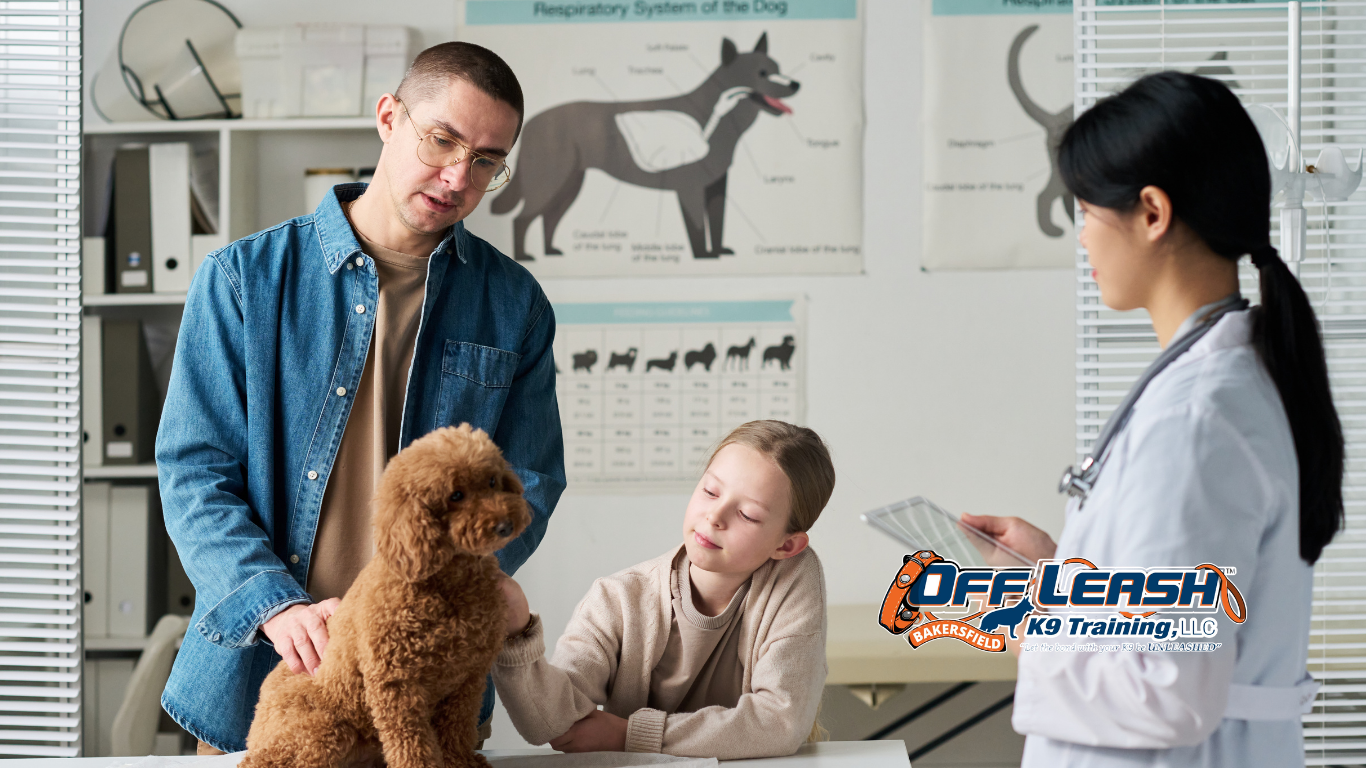
Veterinary Visits Training for Dogs: How to Stay Calm at the Vet
A surprising 40% of dogs experience severe anxiety during veterinary visits. This stress not only affects the animal’s well-being but also the efficiency of their check-ups. How do we, as professionals, turn this nerve-racking experience into a calm and manageable event for our canine companions?
The history of acclimating dogs to vet visits dates back to basic, yet pivotal, desensitization techniques. From these foundational practices, methods have evolved; today, 68% of dog owners use positive reinforcement to ease their pets’ anxiety. Incorporating familiar toys or blankets and frequent practice visits significantly improve a dog’s comfort level, transforming trips to the vet into a less daunting experience.
Training dogs for calmness at the veterinarian involves regular desensitization visits, positive reinforcement with treats and praise, and using familiar items like toys or blankets. Incorporating calming aids such as pheromone sprays can also be effective. Consistent practice and support from veterinarians ensure a stress-free experience for pets.
Veterinary Visits Training for Dogs: How to Stay Calm at the Vet
Veterinary visits can be stressful for many dogs. The unfamiliar environment, strange smells, and presence of other animals can all contribute to their anxiety. Training your dog to stay calm at the vet begins long before the actual visit. Frequent short trips to the vet without any procedures can help your dog get used to the surroundings. This desensitization process makes future visits smoother.
Incorporating positive reinforcement is key to successful training. Bringing along your dog’s favorite treats or toys can provide comfort and distraction. Practice basic obedience commands at home and during vet visits to reinforce good behavior. Rewarding your dog for staying calm builds a positive association with the vet clinic. The goal is to make the experience as pleasant as possible.
Additionally, consistency in training is crucial. Regular practice helps your dog retain calm behavior in stressful situations. Schedule mock vet visits where you simulate what happens at a real appointment. Use a table or counter to mimic the exam table and handle your dog as a vet would. Gradual exposure reduces anxiety over time.
Sometimes, tools and products can assist in keeping your dog calm.
- Calming sprays
- ThunderShirts
- Calm music
can be effective. These items create a relaxing environment during the visit. Working together with your veterinarian ensures that your dog receives the support needed to stay calm and healthy.
Common Causes of Stress During Veterinary Visits
Many factors can cause stress for dogs during veterinary visits. One major factor is the unfamiliar smells and sounds present in a vet clinic. These new sensations can be overwhelming and cause anxiety. Additionally, the presence of other animals, who may also be stressed, can further heighten a dog’s anxiety. The combination of strange environments and other animals makes these visits particularly challenging.
Another significant cause of stress is past negative experiences. If a dog has previously had a painful or unpleasant visit, they may associate the vet clinic with those memories. The anticipation of pain or discomfort, such as getting vaccinated, can increase their anxiety levels. Dogs remember these experiences and may react fearfully during subsequent visits. Ensuring positive experiences can help mitigate this issue over time.
Separation from their owner can also be distressing for dogs. Many dogs view their owners as a source of comfort and security. When taken away from their owner for certain procedures, they may feel vulnerable and scared. This separation anxiety can compound their fear and stress. Staying with your dog as much as possible can reduce this anxiety.
Lastly, the restraint required during examinations can be another stressor. Dogs may not understand why they are being held still and might become frightened. Tight restraining can amplify their fear, leading to more stress. To help, some vets use gentle handling techniques and calming products to make the examination process less stressful for dogs.
Techniques for Reducing Anxiety in Dogs Before Vet Visits
Preparing a dog for a vet visit starts with practice at home. Gradually introducing them to car rides, vet-like environments, and handling can make a huge difference. Use positive reinforcement throughout these practice sessions. Reward your dog with treats for calm behavior. This way, they associate these experiences with positive outcomes.
Another effective technique is to desensitize your dog to the sights and sounds of a vet clinic. Take your dog to the vet clinic just for a visit without any medical procedures. Let them explore the lobby and meet the staff. These short, stress-free visits help build familiarity. Over time, the clinic becomes a less intimidating place.
Using calming aids can also help reduce anxiety.
- Pheromone diffusers
- Calming collars
- Natural supplements
can create a soothing atmosphere. Discuss with your vet to find the best calming aid for your pet.
Regular, gentle handling is another powerful method. Touch your dog’s paws, ears, and mouth regularly as vets do during exams. This familiarity makes actual vet visits less startling. Stroke them calmly and provide treats to create positive associations with handling.
Steps to Train Dogs for Calmness at the Vet Clinic
The first step in training dogs for calmness at the vet clinic is acclimation. Take your dog to the clinic for casual visits. During these visits, let them explore the waiting area and meet the staff. This exposure helps reduce fear over time. Consistent, positive experiences are key.
Incorporating obedience training at home is vital. Teach basic commands like “sit,” “stay,” and “down.” Practice these commands regularly.
- Offer treats as rewards for following commands.
- Use a calm tone of voice.
- Gradually increase the duration of each command.
Eventually, your dog will follow these commands even in stressful situations.
Mock vet visits at home can be highly effective. Mimic the actions of a vet examining your dog. Gently handle their paws, ears, and mouth. Use a table or bench to simulate the exam table. Provide treats and praise for their calm behavior.
Leash training plays a crucial role as well. Ensure your dog walks calmly on a leash. Practice walking to and from the car. Gradually build up the length of these walks. This builds confidence and ensures smooth transitions during actual vet visits.
Consider using calming aids if your dog remains anxious.
- Consult your vet about calming supplements.
- Pheromone sprays can create a soothing atmosphere.
- Calming treats might also be beneficial.
These aids can take the edge off, making the experience less stressful.
Finally, stay calm and patient throughout the process. Dogs easily pick up on their owner’s emotions. If you’re calm and relaxed, your dog is more likely to feel the same way. Consistency and positive reinforcement will help your dog remain calm at the vet.
Tools and Products That Aid Veterinary Visit Training
Several tools and products can help make vet visits less stressful for dogs. One popular option is pheromone diffusers. These devices release calming pheromones, creating a sense of peace. Using them at home and in the car can help reduce anxiety before reaching the clinic. Pheromone sprays work similarly and can be used directly on bedding or carriers.
Calming collars are another useful tool. These collars release natural calming pheromones around your dog’s neck. They provide comfort and help keep your dog relaxed during the vet visit. They are easy to use and effective for many dogs. Simply place it on your dog’s neck a few hours before the visit.
ThunderShirts are specially designed wraps that provide gentle pressure to calm dogs. They work by applying a constant, gentle pressure, similar to swaddling a baby. This pressure can reduce anxiety and make dogs feel more secure. It’s a simple solution but highly effective for many dogs. ThunderShirts are available in various sizes to fit different breeds.
Using a favorite toy or blanket can also help ease stress. Bringing something familiar from home can provide a sense of comfort. It acts as a distraction during the visit and keeps the dog’s mind off stressful stimuli. Make sure it’s a cherished item that your dog associates with positive experiences.
For dogs with severe anxiety, natural supplements might be beneficial.
- Calm chews
- Herbal drops
- CBD oil
can all help reduce stress. Always consult with your vet before starting any new supplement. Your vet can recommend the best options for your dog’s specific needs.
How Veterinarians and Owners Collaborate for Stress-Free Visits
Collaboration between veterinarians and pet owners is crucial for stress-free visits. Open communication about your dog’s specific fears and triggers helps the vet understand and plan accordingly. Discuss any past negative experiences your dog may have had. This information prepares the vet to handle the situation with greater care. It builds a foundation of trust and teamwork.
Veterinarians often provide tips and techniques to ease pet anxiety. They may suggest bringing familiar items from home or using calming aids. Vets can also offer guidance on effective training methods. Following these expert recommendations is essential. It ensures a consistent approach to reducing anxiety.
Some veterinary clinics offer desensitization programs. These programs involve gradual introductions to the clinic environment. Dogs can visit the clinic regularly without undergoing medical procedures. This approach helps dogs become familiar with the surroundings. Over time, these visits become less intimidating.
Owners play a significant role during the actual vet visit. Staying calm and composed helps your dog feel more secure. Rewarding good behavior with treats and praise reinforces positive experiences. Being present and supportive throughout the visit makes a difference. It’s a team effort between the owner and the vet.
Effective collaboration extends beyond the clinic. Regular at-home training complements the strategies discussed with the vet. Integrating these practices into daily routines ensures long-term success. The goal is a seamless and stress-free experience for both the dog and owner. Working together maximizes the comfort and health of the pet.
Frequently Asked Questions
Here are some common questions about training dogs for calmness at the vet. These answers will help you understand how to make veterinary visits less stressful for your pet.
1. How can I prepare my dog for their first vet visit?
Preparing your dog for their first vet visit involves familiarization and positive reinforcement. Start by introducing them to short car rides and letting them explore the vet clinic without appointments. This helps reduce fear of the unknown.
Use treats and praise to reward calm behavior during these visits. Practice basic obedience commands like “sit” and “stay” to build discipline. Bring familiar items such as toys or blankets to the vet to provide comfort.
2. Are calming aids beneficial for dogs during vet visits?
Calming aids can be very helpful for dogs during vet visits. These aids include pheromone diffusers, calming collars, and supplements. They work by creating a soothing environment that reduces anxiety levels.
Consult your vet to determine the best calming aid for your dog. Some dogs respond well to pheromone sprays, while others benefit from calming treats. Using these aids consistently can make vet visits more manageable.
3. What role does the dog owner play during a vet visit?
The dog owner plays a critical role during the vet visit by providing comfort and reassurance. Staying calm and composed helps your dog feel secure. Owners should reward good behavior with treats and praise.
Being present throughout the visit allows your dog to feel supported. Engaging with your dog during the exam and speaking in a soothing tone can reduce their anxiety. It’s a team effort between the owner and the vet.
4. Can regular vet visits reduce anxiety over time?
Yes, regular vet visits can help reduce anxiety over time through a process called desensitization. Frequent, non-invasive visits allow dogs to become familiar with the clinic environment. This decreases their fear and anxiety.
Gradual exposure to different aspects of the vet clinic, such as the waiting area and staff, builds comfort. Positive experiences during these visits ensure that future appointments are less stressful.
5. Why is positive reinforcement important in training dogs for vet visits?
Positive reinforcement is crucial because it helps create a positive association with vet visits. When dogs are rewarded with treats and praise for calm behavior, they learn to associate the vet clinic with positive experiences.
This method encourages dogs to remain calm and cooperative during appointments. Consistent use of positive reinforcement makes the training process effective and enjoyable for both the dog and the owner.
Conclusion
Training dogs for calmness during veterinary visits is essential for their well-being. By using desensitization techniques and positive reinforcement, owners can create a stress-free environment. Consistency and patience play key roles in this process.
Collaboration between veterinarians and dog owners ensures the best outcomes. Utilizing calming aids and regular practice helps dogs adjust. With the right approach, veterinary visits can become a positive experience for pets and their owners.
"*" indicates required fields