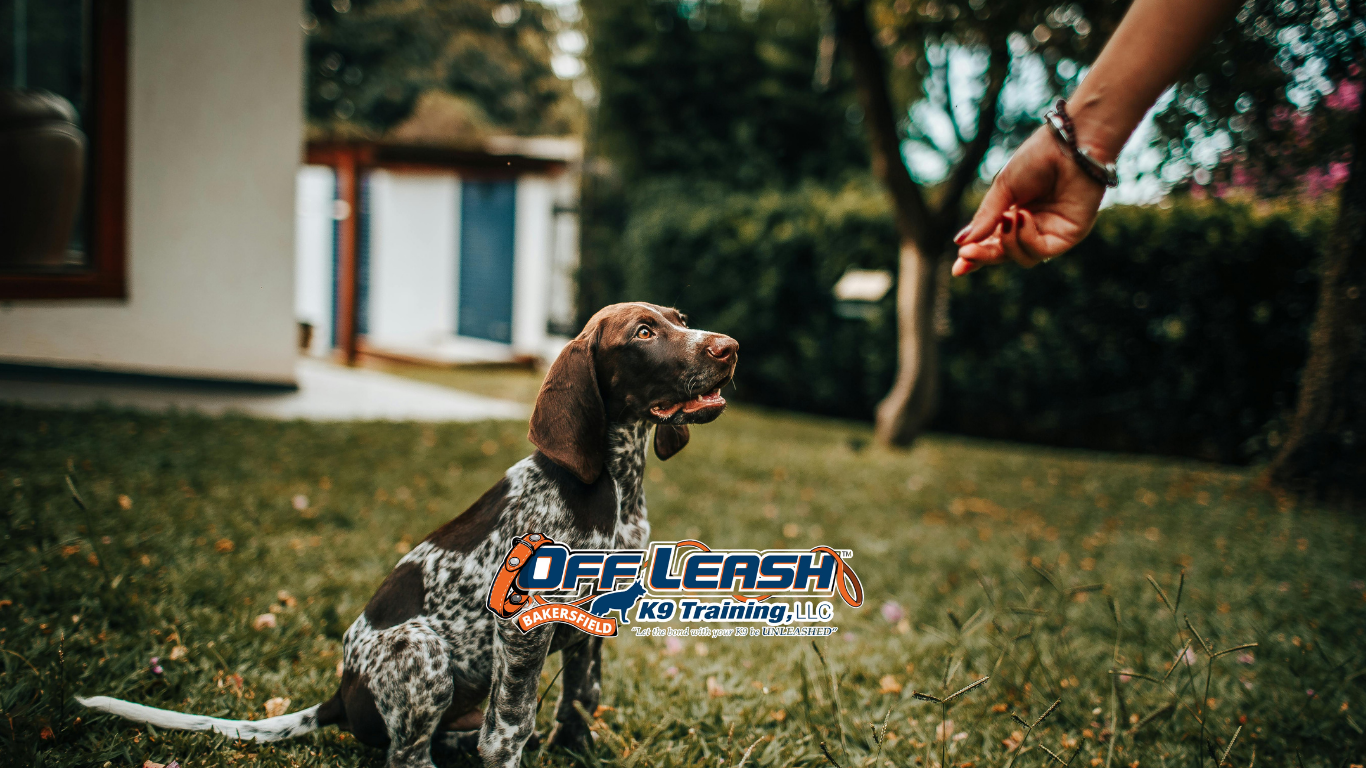
Touch Command: How to Improve Dog Focus and Responsiveness
Statistics have shown that dogs trained with consistent commands are 67% more responsive than those without structured training. The Touch Command, a relatively modern technique, has proven to be particularly effective in enhancing canine focus. Essentially, this command involves the handler prompting the dog to touch their hand with its nose, creating a tactile engagement that reinforces attention.
Introduced in dog training programs in the early 2000s, the Touch Command quickly became a favorite among professional trainers. Research indicates that the clear, physical cue of this command fosters quicker cognitive recognition in dogs. Moreover, it helps handlers to effectively redirect their dogs’ attention in potentially distracting situations, ensuring more consistent responsiveness during training sessions.
The Touch Command involves having a dog touch the handler’s hand with its nose, which can significantly enhance focus and responsiveness. This command helps redirect attention and build consistent communication between dog and handler, proving especially useful in distracting environments. Regular practice using positive reinforcement is key to its success.

Touch Command: How to Improve Dog Focus and Responsiveness
The Touch Command is a simple yet highly effective dog training technique. It involves having your dog touch your hand with its nose. This command helps to refocus your dog’s attention, promoting better responsiveness. When a dog learns to reliably respond to this command, it can be used in various situations to maintain their attention. This can be particularly useful in distracting or stressful environments.
There are several benefits to using the Touch Command. Firstly, it’s a straightforward way to engage your dog mentally. By performing this command, your dog is actively participating in learning and obeying. Secondly, it helps strengthen the bond between the dog and the handler. This bond is crucial for effective training and overall well-being.
To teach the Touch Command, start by holding out your hand close to your dog’s nose. When your dog touches your hand with its nose, immediately reward it with a treat. Repeat this process several times each day for consistent results. Gradually increase the distance they need to move to touch your hand. Always use positive reinforcement to encourage learning.
- Set clear goals and be consistent with the training.
- Create short, enjoyable sessions to keep your dog engaged.
- Use treats and praise to reinforce positive behavior.
What is the Touch Command in Dog Training?
The Touch Command is a fundamental exercise in dog training that involves the dog touching its nose to an object or the handler’s hand. This command is used to direct the dog’s focus and improve their responsiveness. Trainers often use a flat palm or a designated target stick for this purpose. This simple action not only captures the dog’s attention but also promotes engagement. It becomes a useful tool in various training scenarios.
The command can be used to reinforce positive behavior and redirect a dog’s attention from distractions. It’s particularly beneficial in busy environments where a dog might be overwhelmed. By teaching this command, owners can gain better control over their dogs’ actions. This command can also be a gateway to more advanced training exercises. Dogs enjoy the interaction and often find it fun.
Training a dog with the Touch Command is straightforward and can be a part of daily routines. Start by holding your hand close to the dog’s nose and rewarding them when they touch it. Gradually, increase the distance and complexity to make the exercise more challenging. Consistent practice is key to ensure the behavior sticks. Always use positive reinforcement to encourage learning.
- Use treats and praise for motivation.
- Keep training sessions short and frequent.
- Gradually increase the difficulty of the task.
Key Benefits of Using the Touch Command for Focus and Responsiveness
The Touch Command significantly enhances a dog’s focus, making it easier to get their attention in various situations. This command can break a dog’s fixation on something distracting, redirecting their attention back to the handler. It is particularly useful during walks where the dog might get distracted by other animals or people. Engaging their sense of touch provides a clear and direct way to communicate. This immediate response helps manage and control their behavior effectively.
Using the Touch Command can also strengthen the bond between the dog and owner. The frequent, positive interactions during training build trust and understanding. Over time, this bond makes the dog more responsive and willing to obey other commands. Consistent use of this command fosters better communication skills. This enhances the overall training experience for both the dog and the handler.
Moreover, the Touch Command improves mental stimulation for dogs. This type of training keeps the dog’s mind active and engaged, which is essential for their overall well-being. A mentally stimulated dog is often more relaxed and less prone to destructive behaviors. Incorporating the Touch Command into daily routines ensures the dog remains alert and focused. This approach helps in developing a well-rounded and well-behaved pet.
- Boosts confidence in dogs by providing clear expectations.
- Reduces anxiety and stress with consistent training.
- Enhances adaptability to new environments.
Common Mistakes When Teaching Touch Command
One common mistake when teaching the Touch Command is not being consistent with rewards. If you don’t reward your dog every time they perform the command correctly, they may become confused. Consistency helps reinforce the behavior you want. Dogs thrive on routine and predictability. Make sure to always have a treat or praise ready.
Another mistake is using a forceful approach. Dogs respond better to positive reinforcement rather than punishment. Making training a negative experience can lead to resistance. Use gentle and encouraging methods to keep the dog motivated. Positive reinforcement fosters a more effective learning environment.
- Not practicing in different environments
- Moving your hand too quickly for the dog to follow
- Training sessions that are too long, leading to dog fatigue
Failing to practice the command in various settings is another mistake. Dogs need to learn that this command applies everywhere, not just in one location. Vary the training environments to avoid situational training. This helps your dog generalize the command. They will understand that touch means the same thing at home, in the park, or anywhere else.
Training sessions that are too long can also be counterproductive. Dogs, especially young ones, have short attention spans. Keep sessions brief but frequent to maintain their interest. This way, training remains fun and engaging. A 5 to 10-minute session is usually sufficient.
Moving your hand too quickly for the dog to follow is another common mistake. Ensure your motions are slow and deliberate. This gives the dog time to process the command and respond correctly. Patience is key in training. Give your dog the time they need to succeed.
Advanced Techniques for Maximizing Your Dog’s Responsiveness
To maximize your dog’s responsiveness, consider incorporating advanced training techniques. Start by extending the duration and distance of commands. Gradually increase the time your dog has to hold a command before receiving a reward. This builds patience and understanding. Distance training can also enhance their ability to respond from afar.
Introducing distractions during training sessions can further improve responsiveness. Teach your dog to obey commands even in busy, noisy environments. Begin with mild distractions and gradually increase the difficulty level. This strengthens their focus and helps them remain attentive. It’s essential to reward their success in these challenging scenarios.
Engage your dog with varied training exercises to keep the learning process dynamic and interesting. Mix up commands and introduce new ones periodically. This prevents boredom and keeps your dog challenged. A diverse training routine can maintain high levels of engagement. It also enhances their overall obedience.
- Use clicker training to mark precise behaviors.
- Incorporate agility practices for physical and mental stimulation.
- Provide interactive toys to boost cognitive skills.
Clicker training is another excellent technique to improve responsiveness. A clicker provides a clear, consistent marker for correct behavior. The sound of the clicker signals to your dog that they’ve done something right, followed by a treat. This method is effective for capturing precise actions. It helps enhance communication between you and your dog.
Incorporating agility courses in your training program can yield significant benefits. Agility training requires your dog to navigate various obstacles. This type of training promotes physical fitness and sharpens their mental focus. It’s a fun way to reinforce commands and improve their responsiveness. Agility exercises can be both stimulating and rewarding for your dog.
Comparing Touch Command to Other Focus-Building Techniques
The Touch Command stands out for its simplicity and effectiveness in enhancing dog focus. Unlike complex commands, Touch is straightforward and easy for dogs to understand. It requires minimal tools, usually just the handler’s hand. This makes it accessible for any dog owner. Its practicality is a key advantage.
Other focus-building techniques include clicker training and the use of target sticks. Clicker training involves marking desired behaviors with a click sound followed by a treat. It is precise and great for shaping new behaviors. However, it requires consistent use of the clicker. This can sometimes be cumbersome for beginners.
Target sticks act as an extension of the hand, providing a physical point for the dog to touch. This method is useful for guiding a dog’s movement. It can be particularly effective for training at a distance. However, it might not be as convenient for everyday walks or spontaneous training sessions. The additional equipment can be a drawback for some handlers.
- Touch Command: Direct and simple.
- Clicker Training: Precise but requires consistent use of a clicker.
- Target Sticks: Effective for distance but less convenient daily.
Another technique is using verbal commands paired with eye contact. Encouraging a dog to make eye contact before giving a command can greatly improve focus. This method relies on building a strong bond and clear communication. While effective, it requires the dog to already be somewhat obedient. Beginners may find it challenging without prior training.
Overall, each method has its own merits and drawbacks. The choice depends on the handler’s preference and the dog’s personality. Combining multiple techniques often yields the best results. It keeps training engaging and effective. Experiment with different methods to find what works best for both you and your dog.
Frequently Asked Questions
Curious about how to improve your dog’s focus and responsiveness? Check out these commonly asked questions to learn more about effective training techniques and best practices.
1. How long does it take to teach the Touch Command?
Training duration can vary depending on the dog’s breed, age, and individual learning ability. Generally, dogs can start responding to the Touch Command within a few weeks with consistent practice. It’s important to be patient and to maintain regular, short training sessions. Each dog learns at its own pace.
Consistency and positive reinforcement are key. Brief, frequent sessions are more effective than long, sporadic ones. Always reward your dog when it successfully completes the command. This reinforcement helps solidify the behavior. Gradually increase the challenge as your dog becomes proficient.
2. Can the Touch Command be combined with other training techniques?
Yes, the Touch Command can complement other training techniques. Combining it with commands like sit, stay, or come can enhance overall obedience. For example, you might use “touch” to redirect your dog’s attention before issuing another command. This layered approach can improve training effectiveness.
Using multiple techniques keeps training engaging and varied. Dogs respond well to diverse tasks that challenge them mentally and physically. integrating the Touch Command with other methods creates a comprehensive training routine. This improves responsiveness and ensures your dog remains attentive.
3. What equipment is needed for Touch Command training?
Minimal equipment is required for Touch Command training. Typically, you only need your hand or a simple target stick. Some trainers might use clickers to mark the behavior, but it’s not mandatory. The primary tools are treats and praise to reward your dog.
Your dog’s focus and responsiveness can improve dramatically with these basic tools. Make sure to keep the sessions positive and enjoyable for your dog. Positive reinforcement helps cement the desired behavior. The simplicity of the equipment makes this command accessible to all dog owners.
4. How do I handle a dog that gets easily distracted?
For dogs that get easily distracted, start training in a quiet, controlled environment. Gradually introduce distractions once your dog becomes more comfortable with the command. If the dog loses focus, calmly redirect them using the Touch Command. Always give a treat or praise for refocusing.
Regular practice helps manage distraction issues. Over time, the dog learns to stay attentive even in busy settings. Keeping your dog engaged with varied training activities can also help. Interactive toys and agility courses are beneficial. The goal is to strengthen their ability to focus under different conditions.
5. What is the importance of positive reinforcement in training?
Positive reinforcement is crucial in dog training. Rewarding good behavior helps the dog associate the action with something pleasant, making it more likely to repeat the behavior. This can be achieved through treats, praise, or playtime. Positive reinforcement fosters a positive learning environment.
Dogs learn quicker when they receive immediate rewards for their actions. It builds their confidence and strengthens the bond with the handler. Avoiding negative reinforcement ensures a stress-free training experience. A happy dog is more responsive and willing to learn. This method ensures effective and enjoyable training sessions.
Conclusion
The Touch Command is a powerful tool for enhancing dog focus and responsiveness. Its simplicity and effectiveness make it an invaluable technique for both novice and experienced trainers. Incorporating this command into daily training can significantly improve communication between handler and dog.
Consistency and positive reinforcement are crucial to the success of the Touch Command. By practicing regularly and maintaining a positive training environment, you can foster a stronger bond with your dog. This will lead to a well-behaved and attentive pet, ready to tackle new challenges.