Teaching Your Dog to Wait at Doors & Gate Boundaries
Have you ever had an exhilarating escape artist of a dog bolt through the door the moment it opens? For many dog owners, this can be a daily struggle, leading to a mix of amusement and frustration. Teaching your dog to wait at doors and gate boundaries isn’t just about obedience; it’s a crucial safety measure that can prevent dangerous and unexpected situations.
The concept of boundary training has roots in early dog training practices, where instilling self-control in dogs was vital for working breeds. According to a study, 50% of dog owners have faced issues with their pets bolting through open doors. Implementing a consistent training regimen not only enhances your dog’s safety but also strengthens the bond between you and your furry companion.
Training your dog to wait at doors and gate boundaries involves teaching basic commands like “sit” and “stay,” using positive reinforcement, and gradually increasing the difficulty of the training environment. Consistency, patience, and clear communication are critical to ensuring your dog understands and respects boundaries for improved safety.
Teaching Your Dog to Wait at Doors & Gate Boundaries
Teaching your dog to wait at doors and gate boundaries is a vital skill for their safety. When your dog understands boundaries, it reduces the risk of them bolting into unsafe areas. This training also helps curb their excitement and builds their patience. Consistency and positive reinforcement are key to success. Simple commands like “wait” or “stay” should be reinforced regularly.
The first step in this training is ensuring your dog understands basic commands. Commands such as “sit,” “stay,” and “come” are essential foundations. Without these basics, teaching door boundaries becomes more difficult. Start the training in a quiet environment with minimal distractions. This helps your dog focus better on your commands.
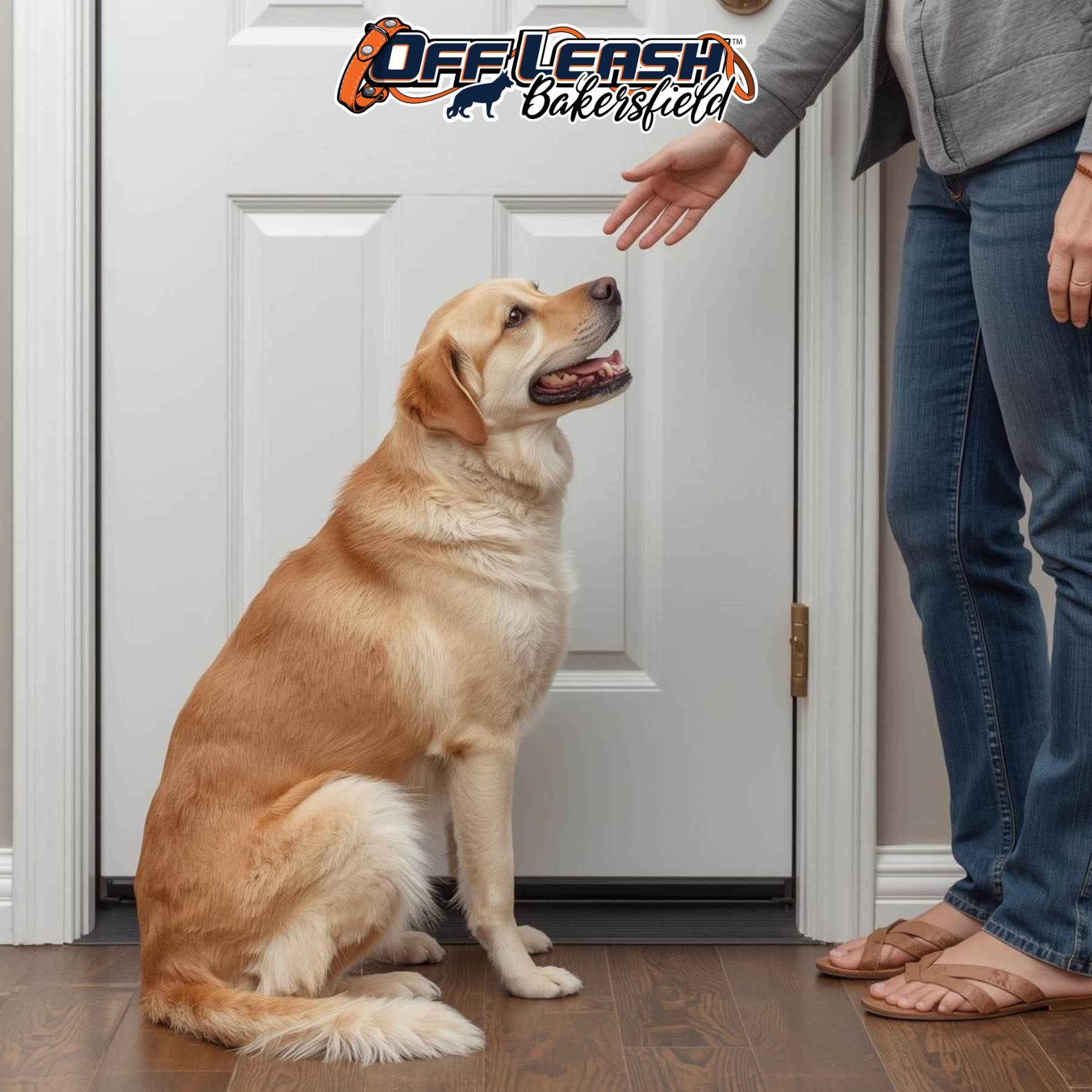
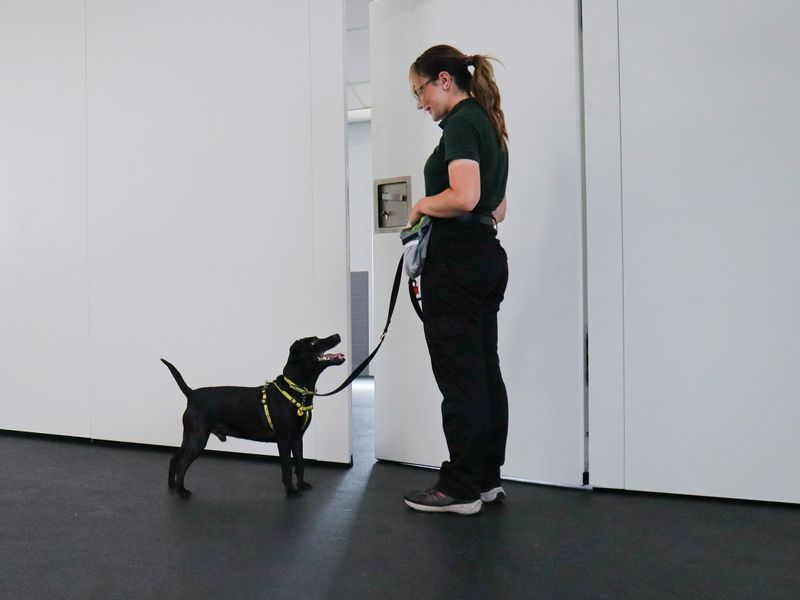
Begin the training by standing near the door or gate with your dog on a leash. Command them to sit and stay while you slowly open the door. If they move, close the door and repeat the process. Patience is crucial during these initial trials. Reward them with treats and praise when they follow instructions correctly.
Gradually increase the complexity of the training. Practice with different doors and gates around your house. Add distractions, like a friend walking by, to ensure your dog remains focused. Regular practice sessions reinforce their understanding. Each successful session should end with plenty of praise and rewards.
Understanding the Importance of Door and Gate Training
Door and gate training is crucial for your dog’s safety. Many dogs naturally love to explore, and an open door or gate can be enticing. Without proper training, they might dash into dangerous areas like roads. This not only puts them at risk but also other people. Ensuring your dog waits at these boundaries can prevent accidents and injuries.
Training your dog to wait also helps in controlling their impulsive behavior. Dogs are often excited about what’s outside, whether it’s another animal or a new scent. Teaching them patience helps to calm their excitement. This makes them more manageable and obedient. It also reduces their anxiety in unfamiliar situations.
Besides safety and control, boundary training strengthens your bond with your dog. When your dog follows your commands, it shows trust and respect. This is a significant part of their development. Consistent training sessions using positive reinforcement techniques build this trust. Rewarding them for good behavior encourages repeated obedience.
Moreover, such training sets a foundation for more advanced commands and behaviors. Dogs that understand boundaries are easier to train in other areas. They become more adaptable in varied environments. This training also makes interacting with guests and strangers more manageable and safer. Overall, it contributes to a happier and healthier relationship with your dog.
The Basic Commands Needed Before Beginning Training
Before starting door and gate training, your dog should master a few basic commands. One of the most important commands is “sit.” This command helps your dog to stay in one place and remain calm. It’s easy to teach and reinforces your dog’s self-control. Consistent practice is essential for success.
The “stay” command is equally important. This command ensures your dog remains in its position until you give a release signal. Dogs need to understand this to avoid dashing through doors or gates. Start training with short periods and gradually increase duration. Always reward them for obeying.
The “come” command is crucial as well. This command teaches your dog to return to you immediately. It’s not only important for basic training but also for emergency situations. Practicing this regularly strengthens recall ability. Use positive reinforcement to encourage fast responses.
Adding a release command like “okay” or “free” is also beneficial. This signal tells your dog when they are allowed to move. It reinforces boundaries and discipline. Consistent use during training sessions is vital. Combining these commands lays a solid foundation for door and gate training.
Setting the Stage: Preparing for Training Sessions
Preparing for a training session is crucial for success. Begin by selecting a quiet, distraction-free area. This helps your dog focus solely on the task at hand. Gather all necessary supplies like treats, a clicker, and a leash. Consistent location and tools help create a routine for your dog.
Ensure your dog is in the right frame of mind before starting. If they are overly excited or tired, training will be less effective. A calm, alert dog is easier to train. Taking them for a short walk beforehand can help. This helps burn off excess energy and prepares them to focus.
Timing is also important. Short, frequent sessions are more effective than long, sporadic ones. Aim for sessions lasting 10 to 15 minutes. This keeps your dog’s attention and prevents them from getting bored. Regular practice reinforces learning.
Lay out a clear plan for each session. Decide on specific commands and behavior goals. Consistency in what you aim to achieve is vital. This structured approach makes each session productive. Keep a training log to track progress and identify areas needing improvement.
Consider your dog’s health when preparing for training. Avoid sessions around meal times as your dog might be too hungry or too full. Ensure they have had water. A healthy, comfortable dog will be more eager to learn. Observing their behavior and adjusting as needed ensures a smooth training experience.
Ultimately, your preparation sets the tone for successful training sessions. Being organized and patient benefits both you and your dog. Each positive interaction fosters better learning. The right preparation helps achieve long-term training goals.
Gradual Increment: From Easy to Challenging Scenarios
Starting with simple scenarios is key for your dog’s understanding. Begin by practicing commands in a quiet room with minimal distractions. This helps the dog focus solely on you. As their confidence grows, gradually introduce mild distractions. This could be a toy on the floor or a family member walking by.
Once your dog masters these basic settings, it’s time to increase the difficulty. Move your sessions to different rooms within your home. Each new environment offers its own set of challenges. Consistent practice across varied settings reinforces behavior. Make sure to reward your dog with treats and praise.
Next, consider taking your training outdoors. Start in a quiet backyard before progressing to busier areas. This teaches your dog to maintain commands despite noise and other distractions. The outdoor experience is rich in stimuli. Controlling their impulses here is crucial for their safety.
Implementing gradual increments helps avoid overwhelming your dog. Overloading them with challenges too soon can lead to confusion. Slow, steady progress builds confidence. Regular assessment helps you adjust difficulty levels appropriately. Consistency and patience are essential.
Introducing other dogs to the training process adds another level of complexity. A dog’s natural instincts can kick in when other dogs are present. Practicing boundaries with other pets nearby reinforces learned behaviors. This ensures your dog respects commands regardless of social distractions. Successful training in such scenarios is highly rewarding.
By progressively increasing challenge levels, you help your dog adapt to various situations. This makes them well-rounded and obedient in all environments. Testing their skills regularly maintains their training. It also strengthens your bond, as both trust and understanding grow. These gradual increments pave the way for lasting success.
Tools and Techniques for Effective Training
For effective dog training, using the right tools is essential. Clickers are popular for their clear and distinct sound, which quickly grabs a dog’s attention. Treats are another key tool; they serve as immediate rewards for good behavior. A comfortable leash helps maintain control without harming the dog. Items like these make training more efficient and enjoyable for both you and your pet.
Positive reinforcement is a highly recommended technique. This approach involves rewarding the dog each time they perform a desired behavior. Treats, praise, and play serve as excellent rewards. Consistency in this method ensures that commands are ingrained. It helps build a strong, trusting relationship between you and your dog.
Another technique is using signals. Hand signals combined with verbal commands can reinforce learning. For example, raising your hand while saying “sit” becomes a clear cue for the dog. This dual approach helps if the dog is in a noisy environment. Practicing these signals regularly enhances obedience.
Creating a structured training schedule is also crucial. Consistent timings help establish routine and expectations. This can be something as simple as 10-minute sessions twice a day. Short, frequent sessions are more effective than long, sporadic ones. This keeps both the dog and trainer motivated and engaged.
Incorporating varied environments during training is beneficial. Practicing commands in different settings like the backyard, park, or even inside the home boosts adaptability. This helps the dog learn to obey despite distractions. A varied routine simulates real-life situations. It prepares the dog for any eventuality.
Using these tools and techniques ensures a holistic training experience. Each tool has its unique role in making the process smoother. Techniques such as positive reinforcement and hand signals contribute significantly. Combined with a structured schedule and varied environments, these methods pave the way for a well-trained dog. Adopting these practices guarantees long-lasting results.
Measuring Success: How to Assess Your Dog’s Progress
Assessing your dog’s progress is essential to ensure effective training. One way to measure success is by observing their response time. If your dog obeys commands quicker over time, you know they are learning well. Consistency in behavior is another indicator. A trained dog will perform commands reliably without many prompts.
Keeping track of your dog’s performance can be done through regular assessments. Use a simple scoring sheet for each command and rate how well the dog executes it. This helps identify areas needing improvement. Regular assessments also keep the training on track. Over time, you’ll notice patterns and improvements.
Video recording sessions can be particularly useful for detailed analysis. Reviewing footage allows you to observe subtle changes and progress over time. It also helps identify any mistakes you might be unknowingly making. Comparing old and new recordings highlights significant improvements. This visual approach provides clear evidence of success.
- Response Time Improvement
- Consistency in Behavior
- Reliability Without Prompts
The feedback from family members or friends who interact with your dog can offer valuable insights. They may notice things you miss since they see the dog less frequently. Their observations can complement your own evaluations. Gathering multiple perspectives ensures a more comprehensive assessment.
A noticeable reduction in undesirable behaviors is another sign of progress. Decreased episodes of jumping, barking, or pulling indicate effective training sessions. These positive changes reflect your dog’s understanding and adherence to boundaries and commands.
Ultimately, measuring success involves consistent observation, documentation, and third-party feedback. Combining these methods gives a clear picture of how well your training efforts are working out. Continuous evaluation ensures that both you and your furry friend achieve all the planned goals effectively.
Common Challenges and Their Solutions
Training your dog to wait at doors and gate boundaries can present various challenges. One common issue is your dog’s impatience. Some dogs get overly excited and struggle to stay still. Practicing short, frequent sessions can help. Gradually increasing the wait time builds their patience.
Another challenge is inconsistency in commands. If family members use different words or actions, it confuses the dog. Ensure everyone is on the same page with the commands. Consistent cues make it easier for the dog to understand. Regular communication among family members is key.
Environmental distractions can also hinder progress. Noise, other animals, and unfamiliar people can break your dog’s focus. Begin training in a quiet, controlled environment. Gradually introduce mild distractions to prepare your dog for real-world scenarios. This helps build their focus even in busy settings.
- Impatience
- Inconsistency in Commands
- Environmental Distractions
Stubbornness is another hurdle some dog owners face. Certain breeds resist commands more than others. Using high-value treats can improve motivation. Extra praise and affection also encourage stubborn dogs to obey. Persistence and patience are crucial.
Finally, progress can sometimes plateau, causing frustration. When this happens, mix up the training exercises to keep things interesting. Introduce new commands or vary the settings. This reignites your dog’s enthusiasm and keeps training exciting. Regularly changing routines can prevent stagnation.
Tackling these common challenges requires patience, consistency, and adaptability. Every dog learns at their own pace, so adjusting your methods can make a significant difference. With perseverance, even the most stubborn or distracted pups can master waiting at doors and gate boundaries.
Frequently Asked Questions
Training your dog to wait at doors and gate boundaries is crucial for safety and discipline. Here are some common questions and answers about this topic.
1. What’s the best age to start training my dog to wait at doors?
The best age to start training your dog to wait at doors is when they are a puppy. Puppies are more adaptable and eager to learn new commands. However, even older dogs can be trained with patience. The key is to start as soon as possible to instill good behavior early.
Starting early ensures the training becomes part of their routine. Puppies have fewer bad habits to unlearn. Use positive reinforcement and consistent commands. Training an older dog might take longer, but it’s still very achievable. Just be patient and persistent in your efforts.
2. How long does it usually take for a dog to learn to wait?
The time it takes for a dog to learn to wait varies. Some dogs might pick it up in a few days, while others may take a few weeks. Factors like the dog’s age, breed, and prior training experience influence the learning speed. Consistency and positive reinforcement are key.
Regular, short training sessions work best. Practice for about 10-15 minutes at a time, several times a day. Reward the dog immediately for good behavior. This helps them associate waiting with positive outcomes. Patience and persistence are critical to success.
3. What commands are essential for this type of training?
Three essential commands for teaching your dog to wait at doors are “sit,” “stay,” and “wait.” “Sit” helps them remain in one place. “Stay” reinforces the command to keep still, and “wait” teaches them to hold a position until given permission to move.
Start with “sit” and make sure your dog masters it. Then move on to “stay,” which builds on “sit.” Finally, introduce “wait” to complete the training. Consistent use of these commands in various situations reinforces learning. Positive reinforcement for obedience is essential.
4. What should I do if my dog constantly ignores the “wait” command?
If your dog ignores the “wait” command, go back to basics. Reinforce the “sit” and “stay” commands first. Use high-reward treats to hold their attention. It’s important to control the training environment to minimize distractions. Consistency in commands and rewards is crucial.
Conduct shorter sessions focusing solely on the “wait” command. Practicing in a quiet room can help your dog focus better. Gradually introduce distractions once they understand the command. Be patient and make training sessions fun to keep your dog engaged.
5. Are there any tools that can help with boundary training?
Several tools can aid in boundary training. A clicker can be useful for marking the exact moment your dog follows a command. Treats are essential for positive reinforcement. A sturdy leash helps in maintaining control, especially during outdoor training sessions.
In addition, baby gates can help define boundaries indoors. They create physical barriers while your dog learns commands. Training collars can also be useful, but consult a professional to ensure they’re used correctly. Proper tools can make the training process smoother and more effective.
Conclusion
Training your dog to wait at doors and gate boundaries is a crucial step in ensuring their safety and enhancing their discipline. With the right tools, techniques, and consistent practice, any dog can learn these valuable skills. Positive reinforcement and a structured training environment are keys to success.
Addressing the common challenges with patience and persistence can greatly improve the training process. By setting clear expectations and rewarding good behavior, you create a trusting and obedient relationship with your dog. This leads to a safer, more harmonious home environment.