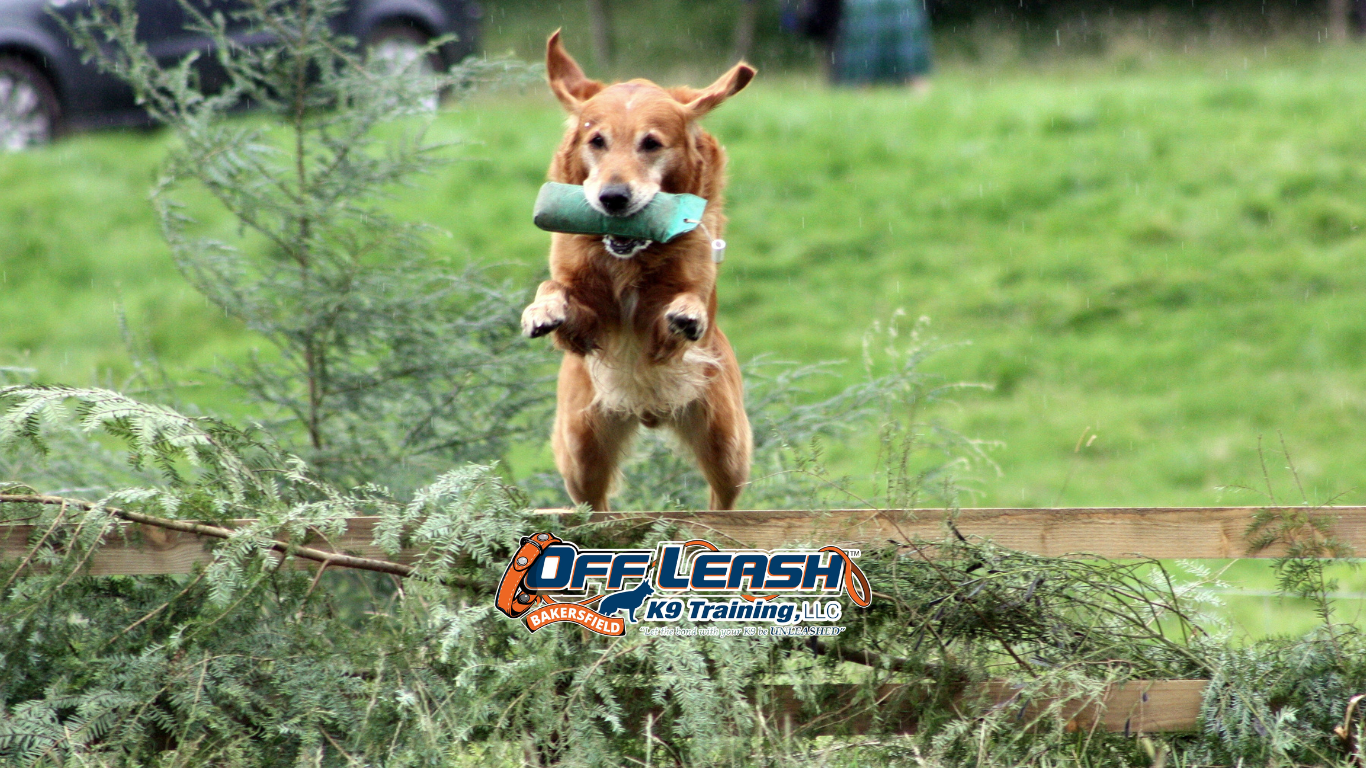
Stay Focused Training for Dogs in Distracting Environments
Observing a dog maintain unwavering focus despite the cacophony of urban life is nothing short of astounding. Many might be surprised to learn that dogs, much like humans, possess the ability to hone their concentration through systematic training. By fostering a structured environment and consistent routines, trainers often achieve remarkable outcomes with these highly adaptable animals. Dog training, historically rooted in methods tailored to hunting and companionship, has evolved significantly. Today, techniques incorporate behavioral sciences, ensuring dogs can navigate and thrive amidst distractions. Studies indicate that dogs can improve their focus by up to 40% with structured training. Such facts underline the dynamic capability of dogs to adapt and excel, making them indispensable companions in varied settings.
- Start training in a quiet, controlled environment to build foundational focus.
- Gradually introduce mild distractions such as toys or other animals.
- Use positive reinforcement like treats and praise to reward focused behavior.
- Implement consistent training schedules to reinforce learning.
- Utilize techniques like clicker training and targeting exercises for improved engagement.

How Dogs Learn to Stay Focused Around Distractions
Dogs learn to stay focused through consistent training and positive reinforcement. By creating a structured environment, trainers can help dogs understand what is expected of them. Repetition is key; the more a dog practices, the better it will get at ignoring distractions. Treats and praise help reinforce desired behaviors, making the process enjoyable for the dog. Over time, the dog associates staying focused with rewards.
Training sessions should start in quiet settings and gradually introduce distractions as the dog becomes more skilled. Begin by practicing basic commands like “sit” and “stay” in a calm environment. Gradually incorporate distractions like other dogs, noises, or toys. This step-by-step approach helps dogs adjust without becoming overwhelmed. It ensures they can maintain focus even when the environment changes.
Consistency is crucial in training. Dogs need to practice focus daily to reinforce their learning. Short, frequent sessions are typically more effective than long, occasional ones. This consistent practice helps the dog understand that focus is always expected, no matter the situation. Over time, this becomes second nature to them.
Another effective method involves using clicker training. A clicker is a small device that makes a distinct sound when pressed. When the dog exhibits the desired focus, the clicker is pressed, immediately followed by a reward. This clear, immediate signal helps the dog learn to associate the sound with positive behavior. It speeds up the learning process and helps the dog stay focused more efficiently.
Key Training Principles that Build Canine Focus
One fundamental principle is consistency in training. Dogs thrive on routines and predictable patterns. Keeping training sessions at regular times helps reinforce their learning. A consistent environment ensures that dogs always know what to expect. This makes it easier for them to stay focused.
Another crucial principle is positive reinforcement. Using rewards like treats, praise, or toys motivates dogs to repeat good behavior. Rewarding a dog immediately after it performs the desired action strengthens the connection between the behavior and the reward. Over time, this builds a strong habit of focus. The more positive the experience, the more likely the dog will stay engaged.
Short, focused training sessions are more effective than long, drawn-out ones. Dogs, especially young ones, have limited attention spans. Training sessions should be kept short, ideally around 5 to 10 minutes. This helps maintain their interest and prevents them from becoming bored. Frequent breaks also help keep the training fun and engaging.
Gradual exposure to distractions is also essential. Start training in a quiet, controlled environment. Once the dog masters the commands there, slowly introduce mild distractions. Gradually increase the level of distraction as the dog becomes more adept. This method ensures the dog learns to stay focused regardless of the surrounding chaos.
Types of Distractions Dogs Encounter
Dogs are naturally curious animals, making distractions an everyday challenge. One of the most common distractions comes from other animals. Whether it’s another dog, a cat, or a squirrel, the presence of another animal can easily divert a dog’s attention. This curiosity often leads to a temporary loss of focus. It’s crucial to train dogs to ignore such distractions.
Noises can also be significant distractions for dogs. Loud sounds like sirens, fireworks, or even a vacuum cleaner can catch a dog’s attention. Sudden noises often cause dogs to become anxious or curious. Over time, consistent exposure to these sounds can help dogs learn to stay focused. This familiarity reduces the impact of noise distractions.
Smells are another powerful distraction. Dogs have an incredibly keen sense of smell, much stronger than humans. A strong aroma from food, garbage, or even another animal can easily tempt a dog away from its task. Training a dog to ignore these scents takes patience and persistence. Rewarding them for staying focused despite these tempting smells is effective.
Human interactions, whether from strangers or family members, can also distract dogs. People typically want to pet or talk to dogs, which can disrupt their concentration. Teaching dogs to stay focused despite these interactions is essential. Practicing commands while in busy environments helps. It reinforces their ability to stay attentive regardless of human distractions.
Role of Positive Reinforcement in Training Focused Behavior
Positive reinforcement is a powerful tool in dog training. By rewarding desired behaviors, it encourages dogs to repeat those actions. Rewards can be treats, praise, or toys, depending on what motivates the dog. Immediate rewards help dogs understand the connection between their behavior and the reward. This understanding fosters a positive learning environment.
Consistency in using positive reinforcement is key to success. Dogs learn best when they receive prompt and predictable rewards. This creates a clear link between their actions and the positive outcome. Over time, this consistency helps solidify the behavior. It also makes training sessions more enjoyable for the dog.
Positive reinforcement also helps build trust between dogs and their trainers. When dogs associate training with positive experiences, they become more willing to learn. This trust strengthens the bond between the dog and its trainer. A strong bond enhances communication and makes future training more effective. It establishes a solid foundation for continued learning.
Using a variety of rewards can keep training interesting for dogs. Mixing treats, verbal praise, and playtime ensures that the dog remains engaged. Variety prevents the dog from becoming bored with the training process. It also caters to different preferences, making the training sessions more tailored to the individual dog. This personalized approach maximizes the effectiveness of positive reinforcement.
Positive reinforcement is not only effective but also humane. It promotes a respectful and compassionate training method. Unlike punishment-based techniques, it does not rely on fear or intimidation. This makes it a preferred choice for many trainers and pet owners. Overall, positive reinforcement creates a happier and more focused dog.
Practical Exercises for Improving Focus in Distracting Environments
One effective exercise is the “Look at Me” command. This involves getting the dog to make eye contact with you on command. Hold a treat near your face and say “Look at me.” When the dog makes eye contact, reward it immediately.
- This exercise helps capture the dog’s attention.
- It reinforces the bond between you and the dog.
Another useful exercise is the “Leave It” command. Place a tempting object on the ground. When the dog moves towards it, say “Leave it.” Once the dog stops and looks at you, reward it with a treat. Gradually increase the level of temptation to build its focus.
Targeting games also improve a dog’s focus. Use a specific object, such as a stick or a target stick. Encourage the dog to touch the object with its nose or paw. Reward the dog each time it successfully touches the target. This exercise keeps the dog engaged and helps improve concentration.
Practicing commands in different settings can also be beneficial. Start in a quiet room and gradually move to environments with more distractions. This could include the backyard, a park, or a busy street. The goal is for the dog to follow commands consistently, regardless of the surroundings. Varying the location helps generalize the dog’s ability to focus.
Mental stimulation exercises, like puzzle toys, help maintain focus. These toys challenge the dog’s mind, requiring it to solve problems to get a reward. Incorporate these toys into the daily routine to keep your dog mentally sharp. This added challenge not only entertains but also aids in building focus. Over time, these exercises make a noticeable difference.
Common Challenges and Solutions in Training Focused Dogs
One common challenge is dealing with short attention spans. Puppies, in particular, can only focus for a short time. To tackle this, keep training sessions brief, around 5 to 10 minutes. Gradually increase the session length as the dog’s focus improves. Frequent short sessions are often more effective than longer, infrequent ones.
Another issue is overcoming high energy levels. Some dogs are naturally more hyper and find it difficult to stay still. Ensure your dog gets ample exercise before training sessions. A tired dog is more likely to concentrate on tasks. Incorporate physical activities like walking or playing fetch to burn off excess energy.
Distracting environments can also pose a challenge. Dogs may find it hard to focus in places with lots of noise or movement. Start training in a quiet setting and slowly introduce distractions. Gradually increase the complexity of the environment as the dog gets better at focusing. This method helps the dog adjust without becoming overwhelmed.
Lack of motivation can make training difficult. Some dogs lose interest in treats or toys quickly. Rotate different types of rewards to keep your dog engaged. Consider using high-value treats that your dog finds irresistible. This ensures the dog remains motivated to learn and focus.
Consistency is crucial yet sometimes challenging to maintain. Different family members may give conflicting commands. Ensure everyone involved in the dog’s training uses the same commands and techniques. Consistency helps the dog understand expectations and improves training outcomes. This unified approach builds a strong foundation for focused behavior.
Frequently Asked Questions
Training dogs to stay focused around distractions involves consistent methods and an understanding of canine behavior. Here are some common questions and detailed answers to help you.
1. What is positive reinforcement in dog training?
Positive reinforcement involves rewarding a dog for good behavior to encourage it to be repeated. This can include treats, praise, or toys, and should be given immediately after the desired behavior. The goal is to create a positive association with the behavior, making the dog more likely to repeat it.
Using positive reinforcement consistently helps build trust and strengthens the bond between the dog and the trainer. Over time, this leads to better focus and more effective training sessions, as the dog learns that focusing and following commands lead to positive outcomes.
2. How can distractions affect a dog’s training progress?
Distractions can significantly impact a dog’s ability to focus during training sessions. This includes noises, other animals, or even different smells. These distractions can cause the dog to become unfocused or stressed, making it harder to learn and follow commands.
To combat this, it is essential to gradually introduce distractions into the training environment. Starting with a calm setting and slowly increasing the complexity helps the dog adapt without becoming overwhelmed. This progressive exposure helps the dog learn to maintain focus, regardless of the distractions present.
3. Why is consistency important in dog training?
Consistency is critical in dog training because it helps dogs understand what is expected of them. When commands and rewards are consistent, it creates a clear structure for the dog to follow. This reduces confusion and increases the likelihood of the dog learning and retaining desired behaviors.
All family members involved in the training should use the same commands and methods to maintain consistency. This unified approach reinforces learning and makes the training process more efficient and effective. Over time, consistent training leads to better-behaved and more focused dogs.
4. What role does exercise play in maintaining a dog’s focus?
Regular exercise is crucial for maintaining a dog’s focus during training. Physical activity helps to burn off excess energy, making it easier for dogs to concentrate. A well-exercised dog is more likely to be calm and attentive during training sessions.
Incorporating activities like walks, playtime, and agility exercises into a dog’s routine can improve its overall focus. Exercise also helps reduce anxiety and hyperactivity, which can be significant obstacles to effective training. Ensuring a dog gets enough physical activity is a vital component of a comprehensive training program.
5. How can clicker training improve a dog’s focus?
Clicker training uses a small device that makes a clicking sound, marking the exact moment a desired behavior occurs. This method provides clear and immediate feedback to the dog, making it easier to understand what behavior is being rewarded. The click is always followed by a treat, reinforcing the positive behavior.
Clicker training helps improve a dog’s focus by providing precise timing and consistency. The clear, distinct sound of the clicker captures the dog’s attention quickly, allowing for better engagement and learning. Over time, this method can significantly enhance a dog’s ability to stay focused during training sessions.
Conclusion
Training dogs to stay focused around distractions is a rewarding journey. By using consistent positive reinforcement and gradually introducing distractions, trainers can significantly improve a dog’s attention span. The efforts in maintaining focus pay off in a well-behaved and attentive companion.
Every dog is unique, and patience is key. Continual practice, tailored approaches, and meaningful rewards make the process effective. Ultimately, this builds a strong bond and fosters a harmonious relationship between the dog and its handler.
"*" indicates required fields