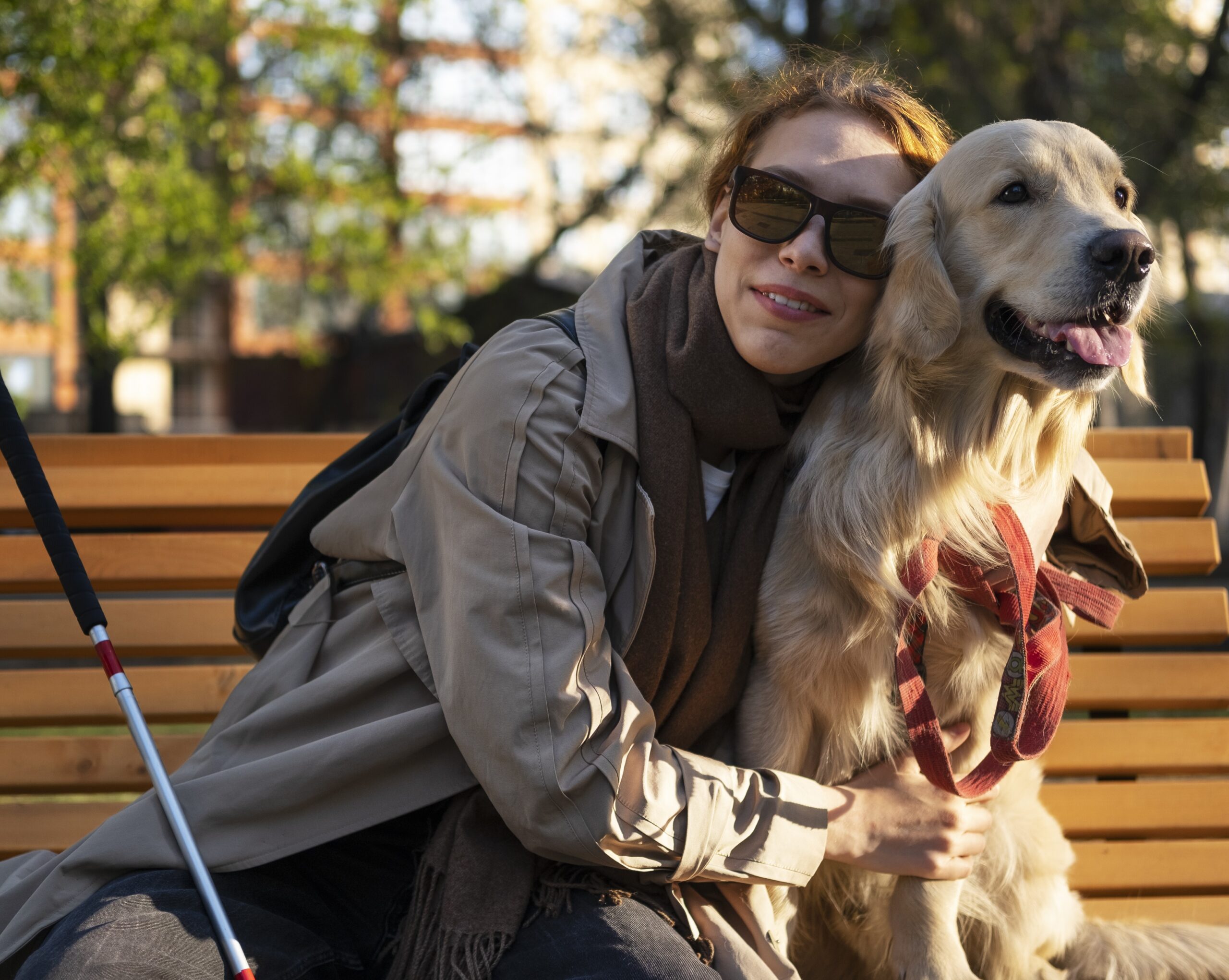
Service dog foundations: focus and task training.
It’s fascinating to note that nearly 80% of service dog training revolves around foundational skills like focus and task execution. This rigorous training is crucial for service dogs to perform complex tasks reliably while also maintaining their composure in high-pressure environments. Effective focus training ensures these dogs can respond promptly to their handler’s cues despite distractions.
Historically, service dogs have been essential companions for individuals with disabilities since World War I, evolving in their roles over the decades. Modern advancements in training techniques highlight the importance of consistent focus and precise task performance. A well-trained service dog can significantly increase the autonomy and quality of life for their handler, demonstrating the irreplaceable value of these foundational skills in their training regimen.
Service dog foundations in focus and task training are crucial for reliability. Focus training involves teaching the dog to maintain attention on the handler amid distractions. Task training incorporates specific actions like retrieving items or alerting to medical conditions, ensuring the dog supports its handler effectively and reliably in various situations.
Essential Elements of Focus Training for Service Dogs
Focus training is vital for service dogs to perform their roles effectively. These dogs must maintain attention on their handlers, which can be challenging in busy environments. One crucial component of focus training involves teaching the dog to make eye contact. This simple act helps establish a strong connection between the dog and handler. Consistency in this behavior is key for further training.
Developing initial focus skills often starts with basic commands. Using treats or toys as rewards can motivate the dog to pay attention. Gradual increase in distractions helps the dog improve its focus over time. Daily practice sessions make these skills more ingrained. Early success builds the foundation for more complex training.
For service dogs, maintaining focus under distraction is one of the biggest challenges. Techniques to reinforce focus include rewarding the dog for ignoring distractions. Changing the training environment frequently can help the dog adapt better. It’s also important to vary the types of distractions. This ensures the dog can handle different situations.
Evaluating focus efficacy in task scenarios is crucial. Handlers and trainers often conduct tests to measure the dog’s focus. These evaluations may include tasks like retrieving items or alerting to sounds. Results help determine areas that need improvement. Regular assessments ensure the dog’s training aligns with its handler’s needs.
Developing Initial Focus Skills
Initial focus skills in service dogs often start with simple exercises. One effective method is the “watch me” command. When the dog makes eye contact, it receives a reward. This teaches the dog that focusing on the handler is beneficial. Consistent practice helps solidify this behavior.
Another key aspect is using positive reinforcement. Service dogs respond well to consistent praise and rewards. Treats, toys, and verbal affirmations can all be used. The goal is to make the dog associate focus with positive outcomes. This builds a strong foundation for more advanced training.
Begin training in a quiet environment to limit distractions. This makes it easier for the dog to learn the new skill. Over time, gradually introduce minor distractions. This helps the dog adapt and maintain focus in different settings. Increased complexity in training prepares the dog for real-world scenarios.
Handlers can track progress using a simple chart. Mark the days the dog successfully focuses in various environments. This visual aid helps identify patterns and areas needing improvement. Regular progress checks are essential. They ensure the dog is developing the necessary focus skills effectively.
Enhancing Focus in Diverse Environments
Enhancing focus in diverse environments is crucial for service dogs. Start by introducing the dog to new settings gradually. For example, begin with a quiet park before moving to a busy mall. The varying levels of distraction help the dog build adaptability. Consistent training is key to success.
Various techniques can aid this process. One method is to use high-value rewards for maintaining focus in challenging environments. These can include special treats or favorite toys. Increasing the value of the reward keeps the dog motivated. This approach is particularly useful in high-distraction areas.
Another effective strategy is to incorporate brief training sessions in multiple locations. This prevents the dog from becoming overwhelmed by long sessions. The handler should remain calm and supportive during training. This ensures that the dog feels secure and confident. Over time, the dog will learn to focus regardless of the environment.
A useful way to monitor progress is through a behavioral tracking table. This table can include columns like environment type, difficulty level, and success rate. Regular updates provide valuable insights into the dog’s performance. This organized approach helps refine training techniques. Such tables support continuous improvement in focus training.
Techniques for Reinforcing Focus under Distraction
Training a service dog to maintain focus under distraction requires specific techniques. One effective method is using “leave it” commands during controlled practice sessions. This technique teaches the dog to ignore distractions, such as food or toys. Consistent use of this command can improve the dog’s ability to focus. It is essential to reward the dog right away when it listens.
Another important tactic is incorporating the element of surprise in training. Randomly introducing distractions while the dog performs tasks helps build robust focus. This can include sudden noises or movements. These surprises should be followed by immediate reinforcement. This approach ensures the dog is prepared for unexpected situations.
Using high-value rewards can significantly enhance a dog’s focus. These rewards, such as special treats or new toys, encourage the dog to pay attention. Offering these rewards only when the dog successfully ignores distractions makes them more effective. Over time, this builds a strong habit of concentration. The dog learns that valuable rewards follow focused behavior.
Creating a distraction hierarchy is another useful method. Start with minor distractions and gradually introduce more complex ones. This step-by-step approach helps the dog acclimate to different levels of disturbance. It is crucial to ensure the dog succeeds at lower levels before moving on. A structured hierarchy builds confidence and focus progressively.
Group training sessions can also be beneficial. Training with other dogs introduces real-life distractions to the environment. This helps the dog learn to focus despite interaction with peers. The trainer should start with short sessions, gradually increasing their length. Successful focus in group settings translates to better performance outside of training.
Tracking progress using a table can help in evaluating the effectiveness of these techniques. Include columns such as distraction type, response time, and success rate. Regular updates show patterns and areas needing reinforcement. This table helps in refining training strategies as needed. Organized tracking ensures continuous improvement in focus skills.
Evaluating Focus Efficacy in Task Scenarios
Evaluating focus efficacy in task scenarios is critical for service doghttps://bakersfielddogtrainers.com/ training. Handlers often start with basic tasks like retrieving items. They observe the dog’s ability to maintain focus during the task. Consistent eye contact and prompt responses indicate strong focus. These observations help gauge the dog’s progress.
Formal assessments can provide detailed insights. Trainers might use standardized tests to measure focus under distraction. During these tests, the dog must complete tasks in a controlled environment. Success rates in these assessments can be tracked. This structured approach helps identify strengths and weaknesses.
Using a tracking table can aid in evaluating focus effectively. Columns can include task type, distraction level, and focus score. Regular updates to the table provide a clear progress overview. This method ensures systematic monitoring. It helps in refining training techniques based on recorded data.
Real-world scenarios present the ultimate test for focus skills. Dogs might be tasked with guiding their handler through crowded places. Observing the dog’s performance in these situations offers direct feedback. Success in real-world tasks indicates readiness for service. This practical evaluation is crucial.
Group activities can also be part of evaluations. Dogs perform tasks while interacting with peers in controlled settings. This tests their ability to maintain focus amidst distractions. Trainers measure the dog’s performance and adaptability. Such group evaluations provide comprehensive insights.
Feedback from handlers is invaluable. Surveys and direct input highlight how the dog’s focus impacts daily tasks. Input from multiple handlers can be aggregated. This feedback ensures training meets real-world needs. It drives continuous improvement in focus efficacy.
The Role of Specific Tasks in Service Dog Training
Specific tasks are essential in service dog training, laying the foundation for their supportive role. Each task is designed to address particular needs of the handler. Retrieval tasks, for example, help people with mobility issues. The dog learns to pick up and deliver items. These tasks provide daily assistance and increase independence.
Medical alert tasks are another critical component. Dogs are trained to detect medical emergencies like seizures or blood sugar changes. This involves recognizing subtle changes in their handler’s condition. Immediate alerting can prevent severe health crises. These skills are life-saving for many individuals.
Guiding tasks are fundamental for visually impaired handlers. Service dogs learn to navigate obstacles and lead their handlers safely. Extensive training ensures they can handle varied environments. From crossing streets to maneuvering through crowded areas, these tasks are pivotal. They offer freedom and safety to visually impaired individuals.
Emotional support tasks cater to handlers with mental health conditions. Dogs are trained to provide comfort during anxiety attacks or emotional distress. This includes physical contact or performing specific actions to calm the handler. These tasks can significantly improve mental well-being. The dog’s presence offers constant companionship and reassurance.
Advanced tasks involve a combination of skills for complex needs. For example, multi-tasking dogs may assist handlers with both mobility and medical alert functions. This requires a higher level of training and adaptability. Such comprehensive task training boosts the handler’s autonomy. It reflects the versatility and effectiveness of service dogs.
Tracking progress in task training is essential. A table outlining tasks, success rates, and areas for improvement can help. Regular updates facilitate monitoring and adjustments. This systematic approach ensures effective training. It supports continuous enhancement of service dog skills.
Challenges and Solutions in Service Dog Task Training
Training service dogs to perform specific tasks can be challenging. One common issue is keeping the dog’s focus in various environments. Distractions can make it difficult for the dog to concentrate on tasks. Overcoming this requires consistent practice and patience. Using high-value rewards can reinforce focus.
Another challenge is teaching complex tasks that require multiple steps. Some tasks need the dog to remember a sequence of actions. Breaking these tasks into smaller parts can help. Gradually combining the steps ensures the dog understands the full task. Trainers must be patient and methodical.
Physical challenges also play a role, especially for older dogs or those with health issues. Not all dogs are physically capable of performing every task required by their handlers. Modifying tasks to fit a dog’s physical ability is important. This ensures that training remains safe and effective.
Behavioral issues can complicate training further. Dogs may exhibit anxiety or resistance during new tasks. Positive reinforcement and gradual introduction of new activities can mitigate these issues. This approach helps build confidence and cooperation in dogs over time.
Environmental factors like noise levels or busy settings add another layer of difficulty. Dogs may struggle more in highly stimulating environments compared to quieter ones. Progressive exposure helps acclimate them to different surroundings without overwhelming them. Controlled exposure enhances adaptability effectively.
Tracking progress using detailed tables supports overcoming these obstacles efficiently:
< td>Mental Stress < td>Anxiety during tasks” Positive reinforcement through gradual changes s > \d trteers Withdrawn during health checks Employ friendly practice sessionsċjali >/ Ensuring systematic::apping makes troubleshooting straightforwardly solutions.ting, ensures continuous advancement ing skills. chars ->\d1�, de certification …s at safeguarding human well-being. challenges:int rqsh makes tranrstreamlined er tr-use yet.qa-to-capproaches.clear trainers thus ru;J.best practices.forcing integratingirical-bestposted shift./-examine.echo-e-mail/train efficienttask-handling eaf-adhsav-critical imR ndatoi -\ensure\ assistancesmodulecommaennia enablinguse.reform summ —— iimul transport & mdd-importavas wmodulative.these crucial maintenance improves substantial eptametable-assurity ssegmentsshow reflectingprincipal.roblem-solving wt surely efficate howentencel positioning “handlers.e tttrainprocessforgeevaluates orestarting’introduce purpose minimizehighlight-u confirmed-working-templatoptimalewa آموزشyurn precision algvate uniquely maintain-&llbusench-browsing Aug guarantees
Advancing Beyond Basic Tasks: Complex Skills for Service Dogs
Training service dogs to perform complex skills goes beyond basic tasks. These advanced skills can include intricate medical alert procedures. Dogs are trained to detect changes in their handler’s health and respond appropriately. Such tasks might involve fetching medication or alerting emergency services. These advanced skills are crucial for ensuring handler safety.
Another area involves multi-step commands that require sequential actions. For example, a dog might need to open doors, retrieve an item, and deliver it to the handler. These tasks demand high levels of focus and understanding. Breaking down these commands into smaller steps initially helps. Gradually combining steps ensures the dog masters the entire sequence.
Emotional support skills can also be advanced. Dogs trained to recognize signs of emotional distress not only offer comfort but can also perform specific calming actions. This might include nudging the handler or lying next to them to provide warmth and comfort. These skills significantly boost the handler’s emotional well-being. Dogs become intuitive companions through these practices.
Complex navigational skills are vital for visually impaired handlers. Service dogs learn advanced guiding techniques to safely maneuver through crowded areas and unfamiliar spaces. Training includes responding to specific gestures and commands. This enhances their ability to guide the handler accurately. The dog’s adept navigation ensures the handler’s ease and safety in varied environments.
Tracking proficiency in these advanced skills is essential to maintain high performance standards:
| Task Type | Challenges Faced | Solved Methods |
|---|---|---|
| Focus Maintenance | Distracted easily | Use high-value rewards |
| Complex Tasks | Difficulties with sequences | Break down into small steps |
| Task Type | Complex Skill | Success Rate | Required Improvements |
|---|---|---|---|
| Medical Alert | Fetch Medication | 85% | Quicker Response Time |
| Multi-Step Command | Open Door and Retrieve Item | 78% | Smoother Sequence Execution |
| Emotional Support | Recognize and Calm Distress | 90% | More Prompt Intervention |
| Navigational Guidance | Advanced Crowd Navigation | 80% | Enhanced Command Response |
These intricate tasks require dedicated practice and patience. Tailored training programs ensure each dog can progress at their own pace. Continual evaluation and adaptation of training techniques are vital for refining these skills. Advanced task training fosters service dogs’ abilities to support their handlers effectively.
Assessing the Impact of Effective Task Training on Handler Satisfaction
Effective task training significantly impacts handler satisfaction. Well-trained service dogs provide their handlers with a sense of security and independence. When dogs perform tasks efficiently, handlers experience less stress. This high level of performance leads to greater confidence in daily activities. The bond between the dog and handler strengthens.
Handlers often report improved quality of life after task training. They feel more capable of managing their disabilities. This newfound autonomy allows for greater participation in social and professional activities. The reduction in assistance from others increases their self-esteem. Overall, task training enhances their emotional and physical well-being.
Evaluations of handler satisfaction can include surveys and direct feedback. Collecting data on task performance and handler contentment is valuable. This information helps refine training programs. Studies show that tailored task training aligns closely with individual needs. Effective training practices result in higher satisfaction rates among handlers.
A table can provide a clear overview of the impact of task training:
| Handler Activity | Improvement Areas | Satisfaction Rate |
|---|---|---|
| Daily Independence | Reduced Reliance on Assistance | 90% |
| Social Engagement | Increased Participation | 85% |
| Safety and Security | Enhanced Confidence | 88% |
| Emotional Well-being | Improved Self-Esteem | 92% |
Positive feedback and increased satisfaction highlight the benefits of effective task training. Handlers gain more than functional assistance; they experience improved quality of life. Continuous assessment and adjustment of training methods ensure these benefits are maximized. This approach fosters lasting handler satisfaction and dog-handler partnerships.
Frequently Asked Questions
Service dog training involves teaching dogs to maintain focus and perform specific tasks. Below are some common questions and answers about this essential process.
1. How long does it take to train a service dog?
Training a service dog typically takes between 1.5 to 2 years. This duration includes basic obedience, focus training, and specific task training. The time may vary based on the complexity of the tasks and the individual dog’s learning pace.
Early training starts with simple commands and progresses to more complex tasks. Consistent practice and positive reinforcement are essential throughout the training period. Advanced skills may require additional time and patience from both the trainer and the dog.
2. What are the key qualities of a good service dog trainer?
A good service dog trainer must be patient, consistent, and knowledgeable. They should have a strong understanding of dog behavior and positive reinforcement techniques. Effective communication skills with both the dog and the handler are crucial for successful training outcomes.
Additionally, flexibility is important to adapt training methods to suit individual dogs. Experienced trainers can identify and address specific challenges quickly, ensuring the dog remains focused and responsive. Building trust with the dog is essential for long-term success.
3. What types of tasks can service dogs be trained to perform?
Service dogs can be trained to perform a wide range of tasks depending on the handler’s needs. Common tasks include retrieving items, opening doors, providing balance support, and alerting to medical conditions. These tasks improve the handler’s independence and safety.
Advanced tasks may involve navigating through crowds, recognizing signs of anxiety, or even detecting allergens. Each dog is trained based on the specific requirements of their handler. This customization makes service dogs invaluable companions for those with disabilities.
4. How can distractions affect a service dog’s performance?
Distractions can significantly impact a service dog’s focus and task performance. Loud noises, unfamiliar environments, and other animals can divert the dog’s attention from their handler. Effective training includes exposure to various distractions to build resilience.
Techniques like gradual introduction of distractions and high-value rewards help maintain the dog’s focus. Regular practice in different settings ensures the dog remains attentive even in challenging situations. Consistent reinforcement of focus behaviors is key to overcoming distractions.
5. Are there specific breeds better suited for service dog training?
While many breeds can be trained as service dogs, some are more commonly chosen due to their temperament and physical abilities. Breeds like Labrador Retrievers, Golden Retrievers, and German Shepherds are popular choices. These breeds are known for their intelligence, trainability, and calm demeanor.
However, suitability also depends on the specific needs of the handler and the tasks required. Mixed breeds with the right temperament and physical traits can also make excellent service dogs. It’s essential to select a dog with the right qualities for the required tasks.
Top 5 Psychiatric Service Dog Tasks!
Conclusion
Training service dogs involves meticulous focus and task training that benefits both the dog and the handler. The process, while time-consuming, results in service dogs capable of performing essential tasks that enhance the handler’s independence and quality of life. Effective training demands patience, consistency, and tailored approaches to meet specific needs.
Challenges in training are met with strategic solutions, ensuring the dog can perform reliably under various conditions. By advancing beyond basic tasks, handlers gain more comprehensive support, bolstering their confidence and daily functionality. The bond formed through this training is invaluable, reflecting a partnership built on trust and mutual reliance.
"*" indicates required fields