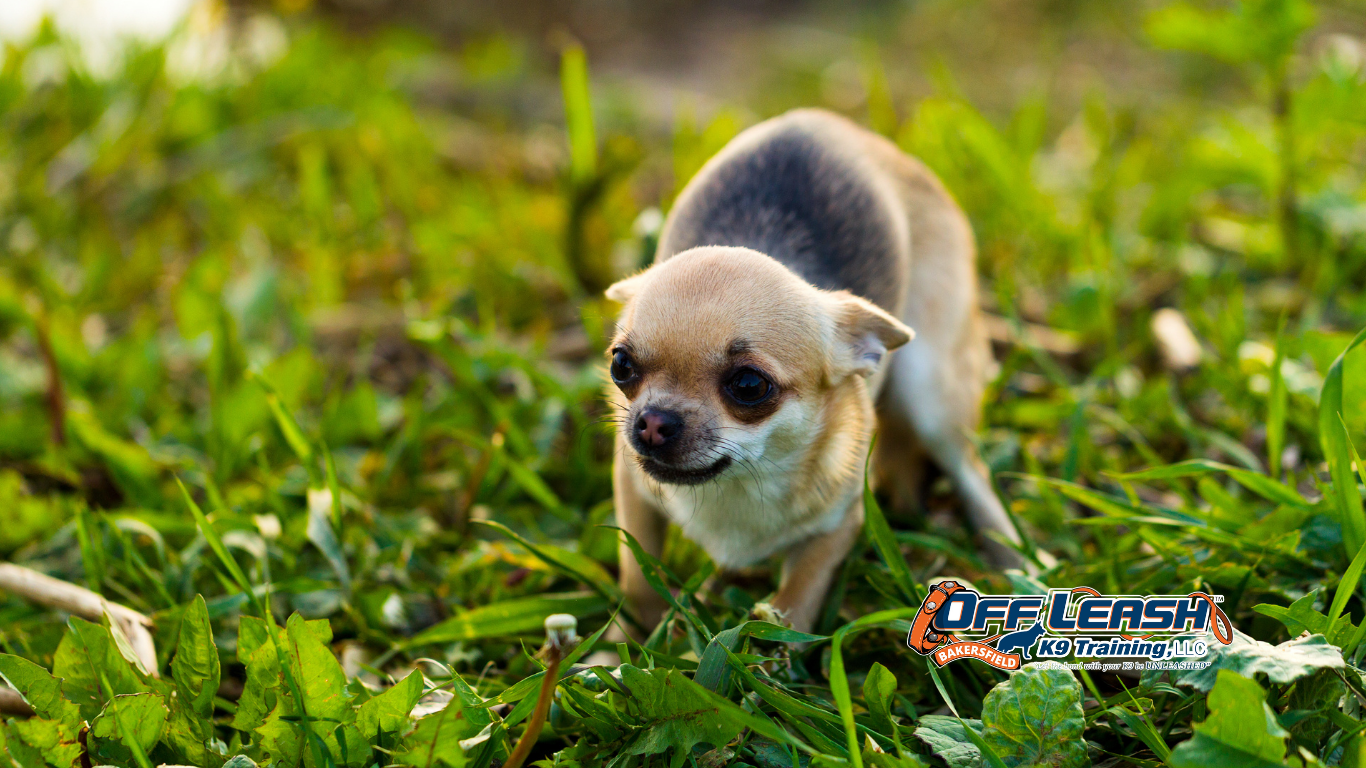
Scares My Dog: Should I Avoid Everything That Scares My Dog?
Scares My Dog is one of the most common concerns dog owners have when their companion reacts fearfully to everyday situations. Whether it’s loud trucks, bicycles, strangers, other dogs, fireworks, construction equipment, or busy public places, watching your dog become frightened can be heartbreaking. Naturally, many owners wonder if the best solution is simply to avoid everything that makes their dog uncomfortable.
While that approach may seem protective, it is not always the most helpful.
Avoiding every scary situation can temporarily reduce your dog’s stress, but it may also prevent them from learning that many of those situations are actually safe. Over time, a dog’s world can become smaller and more restrictive if they never have opportunities to build confidence through positive experiences.
On the other hand, forcing a frightened dog into overwhelming situations is equally problematic. Taking an anxious dog directly into a crowded park, encouraging them to approach something they fear, or expecting them to “get over it” often increases anxiety instead of reducing it.
The goal is not complete avoidance.
The goal is not forced exposure.
The goal is gradual confidence building.
Dogs learn best when they feel safe enough to observe, process information, and make calm decisions. By introducing challenging situations slowly and rewarding relaxed behavior, owners help their dogs develop emotional resilience instead of fear.
Many fearful dogs improve dramatically when training focuses on confidence rather than simply managing unwanted behaviors.
For Bakersfield dog owners, this approach is especially important. Everyday life often includes neighborhood walks, busy intersections, parks, apartment complexes, outdoor shopping centers, and community events. Helping dogs navigate these environments confidently creates calmer companions and more enjoyable daily experiences.
With patience, consistency, and structured training, most dogs can learn that the world is far less frightening than they once believed.

Key Takeaways
- Avoiding every fear is usually not the best long-term solution.
- Forcing dogs into scary situations can increase anxiety.
- Gradual exposure builds confidence safely.
- Emotional regulation improves through positive experiences.
- Confidence grows one success at a time.
- Patience is essential when working with fearful dogs.
- Structured training reduces anxiety.
- Calm leadership helps dogs feel secure.
- Consistency strengthens confidence.
- Professional guidance can help dogs overcome fear more effectively.
What Does “Scares My Dog” Really Mean?
When owners say something scares my dog, they are describing situations that trigger fear, anxiety, or uncertainty. Every dog experiences fear differently, and what frightens one dog may not bother another at all.
A fearful dog is not trying to be difficult or stubborn. Instead, they are reacting to something they perceive as unsafe or unpredictable. Their response is an emotional one, driven by instinct rather than choice.
Common situations that scare dogs include:
- Loud trucks
- Motorcycles
- Fireworks
- Thunderstorms
- Construction equipment
- Vacuum cleaners
- Strangers
- Children running
- Other dogs
- Busy sidewalks
- Bicycles
- Skateboards
- Unfamiliar buildings
Some dogs react immediately, while others show subtle signs of discomfort before becoming overwhelmed.
Understanding what scares your dog is the first step toward helping them build confidence.
Why Dogs Develop Fears
Fear develops for many different reasons.
Some dogs are naturally more cautious because of genetics, while others develop fears through life experiences.
Common causes include:
Limited Early Socialization
Puppies that have little exposure to people, environments, sounds, and everyday situations may become more cautious later in life.
Negative Experiences
A frightening encounter can leave a lasting impression.
Examples include:
- Being startled by fireworks
- Being knocked over by another dog
- Slipping on unfamiliar flooring
- Experiencing a painful veterinary visit
Dogs may begin associating similar situations with danger.
Sudden Environmental Changes
Moving homes, construction, unfamiliar neighborhoods, or major household changes can temporarily increase anxiety.
Medical Conditions
Pain, declining vision, hearing loss, or illness may cause older dogs to become more cautious.
Physical discomfort often changes emotional behavior.
Why Every Dog Reacts Differently
No two dogs experience fear exactly the same way.
Some dogs become:
- Quiet
- Withdrawn
- Frozen
Others become:
- Barky
- Reactive
- Hyperactive
Breed tendencies, personality, previous experiences, age, and confidence all influence how dogs respond.
Training should always be tailored to the individual dog.
Avoidance vs. Confidence Building
Many owners naturally want to protect their dogs from scary situations.
While avoiding overwhelming experiences is important, avoiding every trigger forever may actually prevent dogs from becoming more confident.
There is a difference between:
Helpful Management
Temporarily increasing distance from overwhelming situations.
and
Permanent Avoidance
Never allowing the dog opportunities to build confidence.
The goal is not to force dogs into frightening situations.
The goal is to gradually help them discover they can remain safe.
Why Avoiding Everything Isn’t Always Helpful
Imagine someone who fears elevators.
Never entering another elevator might reduce stress temporarily.
However, the fear often remains—or even grows.
Dogs experience similar patterns.
Without carefully managed exposure, their confidence has little opportunity to improve.
Their world gradually becomes smaller.
Training helps expand that world safely.
Why Flooding Can Make Fear Worse
Flooding occurs when dogs are forced into situations that overwhelm them emotionally.
Examples include:
- Taking a fearful dog into a crowded festival.
- Forcing interaction with strangers.
- Standing close to fireworks.
- Bringing a nervous dog directly into a busy dog park.
Owners often hope repeated exposure will teach confidence.
Instead, overwhelming exposure frequently increases fear.
Dogs become unable to process information because their emotional state is too intense.
Learning stops.
Stress increases.
Confidence decreases.
Why Gradual Progress Works Better
Dogs learn best when they remain below their emotional threshold.
This means they are:
- Alert
- Curious
- Able to eat treats
- Able to respond to commands
- Able to recover quickly
Training begins at this comfortable level.
Difficulty increases gradually over multiple sessions.
Small improvements create lasting confidence.
Reading Your Dog’s Body Language
Dogs communicate long before barking or lunging begins.
Recognizing early stress signals helps owners respond before fear escalates.
Common signs include:
- Lip licking
- Yawning
- Turning the head away
- Looking away
- Slowing down
- Tail lowering
- Ears pinned back
- Panting
- Trembling
- Refusing treats
- Whale eye (showing the whites of the eyes)
These subtle behaviors often indicate that a dog is becoming uncomfortable.
Responding early allows owners to create successful training experiences.
Why Timing Matters
Many owners wait until their dog is barking or pulling before intervening.
By then, the emotional response is already intense.
Instead, owners should learn to notice early body language.
Calm intervention before anxiety escalates is much more effective.
Gradual Exposure Training
Gradual exposure is one of the safest ways to build confidence.
The goal is simple:
Allow the dog to experience the trigger at an intensity they can comfortably handle.
For example:
A dog afraid of bicycles does not begin training beside a busy bike trail.
Instead:
- Observe one bicycle from a distance.
- Reward calm behavior.
- Leave before anxiety increases.
- Repeat consistently.
Over time, the dog begins associating bicycles with positive experiences rather than fear.
Why Distance Creates Success
Distance reduces emotional pressure.
When dogs remain far enough from a trigger, they are more likely to:
- Think clearly
- Listen
- Stay relaxed
- Accept rewards
As confidence improves, owners gradually decrease distance while monitoring the dog’s comfort level.
Progress should always move at the dog’s pace.
Building Trust Through Positive Reinforcement
Trust is one of the most powerful tools in overcoming fear.
Dogs learn that their owners provide guidance and safety rather than forcing uncomfortable situations.
Positive reinforcement strengthens trust by rewarding calm choices.
Examples include rewarding the dog for:
- Looking calmly at a stranger
- Walking past a noisy truck
- Remaining relaxed around another dog
- Choosing to check in with the owner
- Recovering quickly after hearing a loud sound
Each reward teaches the dog that calm behavior leads to positive outcomes.
Over time, confidence replaces uncertainty.
Rather than reacting automatically with fear, dogs begin looking to their owners for guidance whenever they encounter something unfamiliar.
This growing partnership forms the foundation for lifelong emotional stability and prepares fearful dogs to successfully handle increasingly challenging situations with confidence.
Common Owner Mistakes
Helping a fearful dog requires patience, consistency, and an understanding of how dogs learn. Unfortunately, many well-meaning owners unintentionally make fear worse by reacting in ways that increase anxiety instead of building confidence.
Recognizing these common mistakes can help your dog make faster progress.
Forcing Interactions
Examples include:
- Pulling the leash toward strangers
- Encouraging children to pet the dog
- Bringing the dog directly into crowded areas
- Forcing greetings with unfamiliar dogs
Although owners often hope repeated exposure will reduce fear, overwhelming experiences usually increase stress.
Dogs learn best when they feel safe enough to make their own choices.
Comforting Panic Excessively
Speaking calmly to your dog is perfectly appropriate.
However, becoming overly emotional yourself can sometimes communicate that the situation truly is dangerous.
Instead:
- Stay calm.
- Use relaxed body language.
- Speak normally.
- Reward calm behavior.
Dogs often take emotional cues from their owners.
Punishing Fear
Fear should never be punished.
Correcting behaviors such as trembling, hiding, barking from fear, or avoiding a trigger rarely creates confidence.
Instead, punishment may strengthen negative associations with the frightening situation.
Training should focus on helping dogs feel secure rather than suppressing fearful behaviors.
Moving Too Fast
Owners often become excited when progress begins.
However, increasing difficulty too quickly frequently causes setbacks.
Confidence develops gradually.
Small successes create lasting improvement.
Ignoring Recovery Time
After stressful experiences, dogs need opportunities to relax.
Providing quiet time allows emotional recovery before the next training session.
Recovery is an important part of learning.
Safe Socialization for Fearful Dogs
Socialization does not mean allowing your dog to interact with every person or every dog they encounter.
Healthy socialization means teaching dogs that they can remain calm around everyday life.
Examples include:
- Watching people from a distance
- Walking calmly through neighborhoods
- Observing children playing
- Passing other dogs without greeting
- Relaxing outside pet-friendly businesses
Neutrality often produces better long-term behavior than constant interaction.
Dogs do not need to greet everyone.
They simply need to feel comfortable sharing the same environment.
Choosing Positive Experiences
Quality experiences matter more than quantity.
One calm, successful outing teaches more than multiple stressful encounters.
Owners should prioritize situations where their dog can remain relaxed enough to learn.
Why Confidence Builds Slowly
Confidence develops through repetition.
Every successful experience teaches the dog:
“I handled that situation safely.”
Over time, these successful repetitions replace fearful expectations with positive ones.
Confidence is built one experience at a time.
Scares My Dog in Bakersfield
Bakersfield offers many excellent opportunities for confidence-building training.
Common environments include:
- Neighborhood sidewalks
- Public parks
- Outdoor shopping centers
- Farmers markets
- Community festivals
- Apartment complexes
- School zones
- Walking trails
Each location introduces different sights, sounds, and distractions.
Professional dog training helps Bakersfield owners gradually expose dogs to these environments while improving:
- Emotional regulation
- Confidence
- Loose leash walking
- Public manners
- Focus around distractions
Carefully structured outings help fearful dogs become more adaptable without overwhelming them.
Long-Term Benefits of Confidence Training
Dogs that learn to overcome fear often experience improvements in many areas of life.
Benefits include:
- Better emotional stability
- Improved obedience
- Stronger focus
- Better leash manners
- Reduced reactivity
- Greater adaptability
- More enjoyable walks
- Easier veterinary visits
- Stronger trust in owners
- Increased quality of life
Confidence influences nearly every aspect of behavior.
As dogs become more comfortable with the world around them, they are able to think more clearly and respond more reliably.
Frequently Asked Questions
1. Should I avoid everything that scares my dog?
2. What if my dog is terrified of strangers?
Begin at a distance where your dog feels comfortable. Reward calm behavior and allow your dog to approach new people voluntarily rather than forcing interaction.
3. Can fearful dogs become confident?
Yes. With patience, positive reinforcement, and consistent training, many fearful dogs develop significantly more confidence over time.
4. Is flooding a good training method?
No. Flooding often overwhelms dogs emotionally and may increase fear instead of reducing it.
5. How can I tell when my dog is becoming anxious?
Watch for early signs such as lip licking, yawning, tucked tails, pinned ears, trembling, avoiding eye contact, or refusing treats.
6. How long does confidence-building take?
Every dog progresses at a different pace. Consistent practice over weeks or months often produces steady, lasting improvement.
7. Can older dogs overcome fear?
Absolutely. Dogs continue learning throughout their lives and can build confidence at any age.
8. Should I use treats during confidence training?
Yes. High-value rewards help create positive associations with situations that previously caused fear.
9. Can professional training help fearful dogs?
10. What is the most important part of helping a fearful dog?
Patience, consistency, positive reinforcement, and allowing the dog to progress at their own pace are the keys to long-term success.
Conclusion
Scares My Dog situations can feel overwhelming for both dogs and their owners, but fear does not have to define a dog’s future. Many fearful behaviors develop because dogs are uncertain about the world around them, not because they are stubborn or unwilling to learn. Understanding the emotional reasons behind fear allows owners to replace frustration with empathy and effective training.
The goal is not to shield dogs from every challenge, nor is it to force them into situations that exceed their comfort level. Instead, confidence grows through gradual exposure, positive reinforcement, consistent routines, and patient guidance. Every calm experience teaches a dog that unfamiliar people, places, sounds, and situations are not necessarily dangerous. Over time, these positive experiences build resilience and reduce anxiety.
For Bakersfield dog owners, confidence-building training is especially valuable because local parks, neighborhoods, outdoor shopping areas, and community events provide regular opportunities for dogs to encounter new environments and distractions. A dog that learns to remain calm in these settings becomes easier to manage, safer in public, and more enjoyable to take on everyday outings.
Ultimately, helping a dog overcome fear is about much more than reducing anxious behavior. It is about building trust, improving communication, and giving your dog the emotional tools needed to navigate life with confidence. With consistency, understanding, and the right training approach, even fearful dogs can grow into calm, resilient companions who are prepared to face the world one successful experience at a time.
"*" indicates required fields