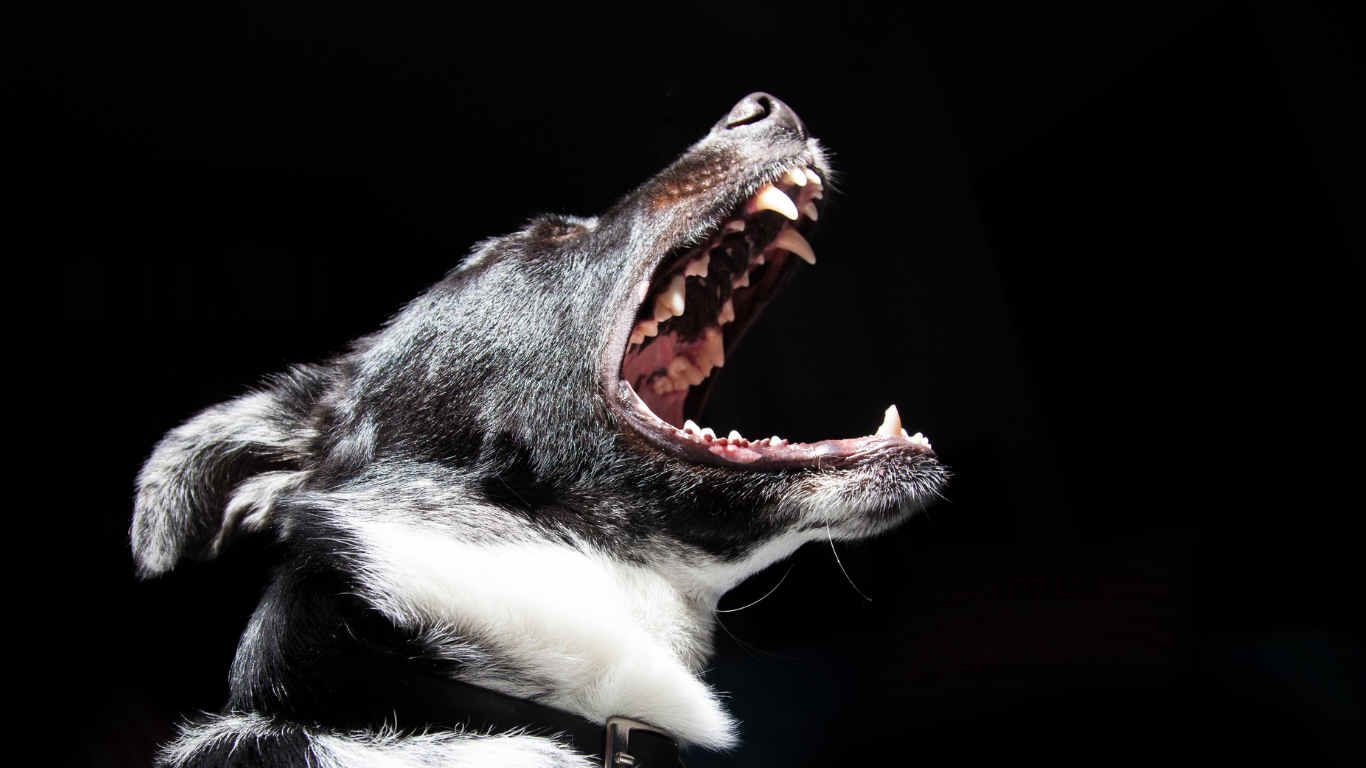
Redirect Aggression in Dogs: Why Dogs Redirect Aggression Onto Owners
Many dog owners are shocked to find their beloved pets suddenly displaying aggression towards them. This perplexing behavior, known as redirected aggression, can occur when a dog is unable to reach the source of its frustration. Instead, the dog directs its aggressive energy towards anyone nearby, often its owner.
Redirected aggression in dogs has been studied extensively, revealing a complex interplay of factors. Historically, this behavior can be traced back to a dog’s instinctual responses to stress and environmental triggers. According to the American Veterinary Medical Association, about 15% of dog bites reported annually are cases of redirected aggression, emphasizing the need for understanding and addressing this issue.
Redirect aggression in dogs happens when a dog is frustrated and unable to reach the source of its agitation, often redirecting its aggressive behavior toward a nearby person or animal. Common triggers include seeing other animals, loud noises, or feeling restrained. Understanding and managing environmental stressors can help reduce incidents of redirected aggression.
Redirect Aggression in Dogs: Why Dogs Redirect Aggression Onto Owners
Redirected aggression in dogs can be quite alarming. It occurs when a dog, frustrated by something it can’t reach or control, lashes out at the closest target. Often, this target is the dog’s owner or another household pet. This behavior is linked to the dog’s inability to cope with stress. Understanding what triggers this aggression is crucial in preventing it.
Several factors can lead to redirected aggression. These include seeing another animal, experiencing loud noises, or feeling restrained by a leash. If a dog feels threatened by a passing dog while on a walk, but can’t reach it, it might snap at its owner instead. This response is a natural reaction to frustration. Recognizing these triggers helps in managing the behavior.
The signs of redirected aggression usually involve sudden and intense behavior changes. A dog might growl, bark aggressively, or even bite without warning. Owners might notice that this behavior happens in specific situations, like during walks or when the dog is startled. Keeping a close eye on these signs can provide valuable insights into what sets the dog off. Communication between the owner and a professional trainer can also be beneficial.
Preventing redirected aggression involves training and creating a calm environment. Owners should avoid putting their dogs in high-stress situations whenever possible. Consistent training can help the dog develop better coping mechanisms. Using positive reinforcement helps in managing these stressful encounters. It is also recommended to consult with a veterinarian or an animal behaviorist for personalized advice.
Key triggers and environmental factors behind redirected aggression
Redirected aggression in dogs can be triggered by various environmental factors. One common trigger is the presence of another animal that the dog cannot reach. For instance, a dog might see a cat outside the window and become frustrated. This tension can then be redirected towards the owner or another nearby pet. Loud noises and sudden movements can also act as triggers.
Changes in the dog’s environment can significantly affect its behavior. Moving to a new house or rearranging furniture can make a dog feel insecure. This insecurity can lead to stress and, consequently, aggressive outbursts. Additionally, a lack of proper exercise can cause pent-up energy, making a dog more prone to frustration. Ensuring a stable and predictable environment helps in managing these triggers.
Leash restraints can also contribute to redirected aggression. When a dog is on a leash, it may feel more confined and unable to escape a stressor. This restriction can increase the dog’s frustration levels. For example, if a dog encounters another aggressive dog while on a leash, it might not be able to run away. This inability to retreat can escalate its anxiety, leading to redirected aggression towards the handler.
Social interactions play a crucial role in a dog’s behavior. Dogs that are not well-socialized often have more fear-based reactions. These dogs are more likely to react aggressively when they feel threatened. Ensuring that dogs receive proper socialization during their early developmental stages can help in reducing redirected aggression. Taking steps to manage their social environment can make a big difference in their overall behavior.
Common signs and behavioral patterns of redirected aggression
Redirected aggression in dogs often manifests in sudden and intense behaviors. A dog may start growling or barking aggressively without a clear reason to the owner. These outbursts can seem unpredictable and catch owners off guard. Other signs include the dog snapping at the nearest person or animal. This kind of behavior can escalate quickly, so it is important to recognize early warning signs.
Some dogs might show physical symptoms before an aggressive episode. For example, they might begin to pace or become excessively restless. Their ears could be pinned back and their fur might stand on end. These visual cues can indicate a dog is feeling distressed or agitated. Observing these signs can help prevent an aggressive incident.
Behavioral patterns can vary but often share common elements. Dogs might only display redirected aggression in specific environments, like during walks or when confined. Others may react aggressively when they see something outside, like another dog or a wild animal. Documenting these incidents can help identify patterns. This makes it easier to manage and modify the behavior.
In many cases, redirected aggression is a response to a particular type of stress. Stressors can include things like loud noises, unexpected movements, or even unfamiliar guests. By creating a calm and consistent environment, owners can reduce these stressors. Additionally, proper training and socialization play key roles in preventing redirected aggression. Consulting with experts can provide tailored solutions to manage and reduce these behaviors.
The psychological and physiological mechanisms causing redirected aggression
Redirected aggression in dogs involves both psychological and physiological components. On a psychological level, dogs often redirect aggression as a coping mechanism for frustration. This frustration can arise from being unable to reach a stimulus, such as another dog or a cat. The dog’s mind goes into a state of heightened arousal. This increased arousal often leads to aggressive behavior.
Physiologically, the dog’s body reacts to stress by releasing adrenaline. Adrenaline prepares the dog to either fight or flee from the perceived threat. However, when the dog cannot do either, it may redirect that energy towards a nearby target. The release of adrenaline also causes physical changes, like rapid heartbeat and tense muscles. These changes can make the dog more prone to sudden aggression.
Aggression can also be linked to an imbalance of neurotransmitters in the brain. Neurotransmitters like serotonin help regulate mood and behavior. Low levels of serotonin have been associated with increased aggression in dogs. Similarly, high levels of dopamine can make a dog more reactive. Ensuring a balanced diet can sometimes help regulate these chemicals.
Environmental factors play a role in triggering these physiological responses. Loud noises, confined spaces, or unfamiliar settings can all increase stress levels. When a dog is consistently exposed to these stressors, it can lead to chronic stress. Chronic stress affects the dog’s overall health and well-being. Understanding these triggers helps in creating a more peaceful environment for the dog.
Training and socialization are crucial in managing redirected aggression. Proper socialization helps dogs learn how to cope with different situations. Training can teach the dog alternative ways to deal with frustration. This reduces the likelihood of redirected aggression. Consulting with a veterinary behaviorist can provide personalized management plans.
Preventing and managing redirected aggression safely
Preventing redirected aggression in dogs involves teaching them to handle frustration calmly. A key strategy is to identify and avoid known triggers whenever possible. Ensuring that the dog has a safe space to retreat to when they feel stressed is essential. Training should focus on reinforcing positive behaviors. Consistent commands and rewards can help the dog understand what is expected.
Management techniques can include physical and mental stimulation. Regular exercise can help burn off excess energy, reducing the likelihood of aggressive outbursts. Interactive toys and puzzle feeders can keep a dog mentally engaged. This engagement helps lower stress levels. Sometimes, a tired dog is a well-behaved dog.
Owners should also implement controlled exposure to stressors. Gradually introducing the dog to scenarios that cause frustration can desensitize them. Professional trainers often recommend using desensitization techniques. Slowly increasing the level of exposure helps the dog adjust. Over time, this can significantly reduce aggressive reactions.
Using tools like harnesses and leashes correctly can also help manage aggression. A no-pull harness can provide better control during walks. This control can prevent situations where a dog lunges at a trigger. Additionally, teaching the dog to focus on the owner during walks can redirect their attention. Simple commands like “look” or “leave it” can be very effective.
In some cases, consulting with a veterinary behaviorist may be necessary. These professionals can provide a thorough assessment of the dog’s behavior. They often suggest personalized training and management plans. Medication might be prescribed to help balance neurotransmitter levels. It’s crucial to follow their guidance for the safety and well-being of both the dog and the owner.
Socialization is another critical aspect. Dogs that are well-socialized from a young age tend to cope better with stress. Introducing dogs to different environments, people, and animals can make them more adaptable. This adaptability can lower the chance of redirected aggression. Socialization should always be done in a controlled and positive manner.
Expert advice on minimizing risks and promoting healthy dog-owner relationships
Experts often emphasize the importance of early socialization. Introducing puppies to a variety of experiences can help them become well-adjusted adults. This includes meeting different people, encountering other dogs, and exploring new environments. Positive experiences during this stage can reduce the likelihood of aggression later on. A well-socialized dog is more likely to cope better with stress and unfamiliar situations.
Consistency in training is another crucial aspect. Dogs thrive on routine and clear expectations. Consistent commands and reinforcement help a dog understand what behaviors are acceptable. Using positive reinforcement, such as treats or praise, can encourage good behavior. Experts suggest avoiding punishment, as it can increase fear and aggression.
Regular veterinary check-ups can help monitor a dog’s health. Sometimes, behavioral issues can be linked to underlying medical conditions. Pain or discomfort can make a dog more irritable and prone to aggression. Keeping up with vaccinations, dental care, and overall health assessments is essential. A healthy dog is generally a happier and more stable dog.
Building a strong bond between the dog and owner is fundamental. Spending quality time together through play, walks, and training sessions strengthens this relationship. It also helps the dog feel secure and valued. Trust and communication between the owner and the dog can significantly reduce behavioral problems. This bond is the foundation of a healthy and happy dog-owner relationship.
Enrichment activities are vital for a dog’s mental and physical well-being. Providing toys, puzzle feeders, and opportunities for play can keep a dog engaged. An engaged dog is less likely to develop frustration and anxiety. These activities can help channel the dog’s energy positively. Experts recommend incorporating these into the dog’s daily routine.
If behavioral issues persist, consulting with a professional trainer or a veterinary behaviorist can be beneficial. They have the expertise to assess the situation and provide tailored advice. Sometimes, they might suggest specific training techniques or tools. Their guidance can make a significant difference in managing and improving the dog’s behavior. Following their recommendations can promote a harmonious dog-owner relationship.
Frequently Asked Questions
Understanding redirected aggression in dogs can be complex. Below are answers to common questions that can help dog owners manage and prevent this behavior.
1. What are the most common triggers of redirected aggression in dogs?
Redirected aggression in dogs can be triggered by various stimuli. Common triggers include seeing another animal, hearing loud noises, and feeling restrained by a leash or confinement. When a dog encounters these stressors but cannot react appropriately, it may redirect its frustration toward a nearby person or pet.
It’s essential to identify and avoid these triggers when possible. Creating a calm environment and gradually exposing the dog to stressors in a controlled manner can help minimize aggressive episodes. Professional training can also assist in developing coping mechanisms for the dog.
2. How can I tell if my dog is experiencing redirected aggression?
Signs of redirected aggression include sudden, intense barking, growling, or snapping. These behaviors often occur without warning and can be directed towards anyone nearby. Physical signs like pacing, pinned-back ears, and raised fur are also indicators that a dog is distressed.
Monitoring these signs and documenting when and where they occur can help identify patterns. Consulting with a veterinarian or animal behaviorist can provide further insights and tailored strategies for managing this behavior effectively.
3. Are certain breeds more prone to redirected aggression?
Redirected aggression can occur in any breed, though some breeds may have higher tendencies. Breeds with strong prey drives or those known for territorial behavior might be more susceptible. However, environmental factors and individual experiences play significant roles in the development of this behavior.
Socialization and training during puppyhood can help mitigate these tendencies. All breeds benefit from consistent, positive reinforcement-based training and stable environments. Regular exercise and mental stimulation are also crucial for maintaining a balanced temperament.
4. What steps can I take to prevent redirected aggression in my dog?
Preventing redirected aggression involves a combination of environmental management and training. Identifying and avoiding known triggers is a primary step. Ensuring your dog has a safe space and is well-exercised can reduce stress levels. Consistent training with positive reinforcement can help a dog develop appropriate responses to frustration.
Gradual desensitization to triggers and consulting with professionals are also effective. Professional trainers can develop personalized plans to address specific needs. Effective prevention requires patience and consistency from the dog owner.
5. How can professional trainers help with redirected aggression?
Professional trainers can offer significant help in managing redirected aggression. They conduct thorough assessments to understand the specific triggers and underlying causes. Based on their evaluation, they create tailored training programs that include desensitization techniques and coping strategies for the dog.
They also provide guidance and support to dog owners, teaching them how to handle situations that may provoke aggression. Continuous monitoring and adjustments to the training plan ensure that progress is made. Collaboration with trainers can lead to a safer and more harmonious relationship with your dog.
Conclusion
Redirected aggression in dogs is a complex behavior that requires careful management. By understanding the triggers and signs, owners can take proactive steps to prevent and address aggressive episodes. Consistent training and a stable environment are key. Consulting with professionals ensures tailored strategies for each unique situation.
Building a strong bond between dog and owner through positive reinforcement and mutual trust is essential. Early socialization and regular veterinary check-ups contribute to a dog’s overall well-being. With the right approach, managing redirected aggression becomes more manageable, promoting a harmonious dog-owner relationship.