Recognizing displacement behaviors in dogs
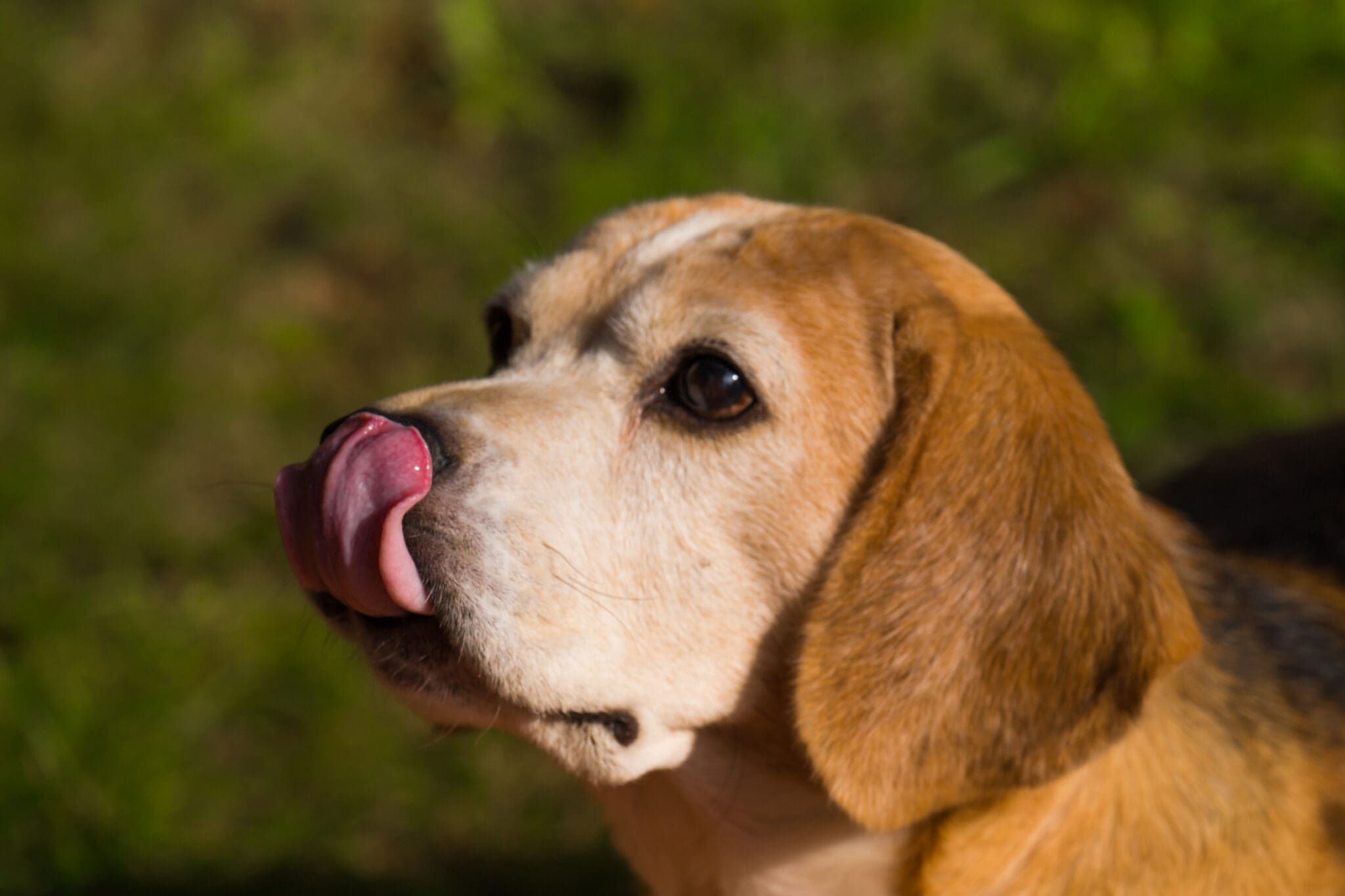
Consider the moment a dog starts yawning incessantly or licking its lips in the absence of food. These seemingly ordinary actions might be more than just habitual behavior; they can often point to displacement behaviors. Recognizing these signs is crucial as they are subtle indicators of a dog’s inner emotional state and possible stress.
The concept of displacement behaviors in dogs isn’t new; it has been noted in animal behavior studies for decades. These behaviors, observed when a dog is conflicted, anxious, or confused, are essential communication tools. For instance, studies estimate that a considerable percentage of behavior problems in dogs relate to misunderstanding these signals. Effectively addressing and understanding these behaviors can significantly improve a dog’s well-being and the human-animal bond.
Recognizing displacement behaviors in dogs involves observing actions such as yawning, lip licking, sniffing the ground, and sudden grooming. These behaviors often indicate stress, anxiety, or internal conflict and serve as coping mechanisms for the dog in uncertain situations. Noting these signs is crucial for addressing the dog’s emotional needs effectively.
Recognizing displacement behaviors in dogs
Displacement behaviors in dogs are actions that seem out of place but hold significant meanings. These behaviors can include yawning, scratching, or sniffing the ground when there’s no apparent reason. They often arise when a dog is experiencing an internal conflict or feels stressed. As humans, recognizing these behaviors helps us understand the dog’s emotional state. This is essential for improving the bond between pets and their owners.
Dogs, much like humans, display their emotions through their body language. Recognizing displacement behaviors like lip licking or sudden grooming can reveal a dog’s anxiety. These signs might appear when the dog is unsure or overwhelmed in a particular situation. Noticing these subtle cues can prevent misunderstanding and inappropriate reactions. This awareness helps create a safer and more supportive environment for the dog.
The role of displacement behaviors is not just limited to stress indicators. They can also help a dog communicate and cope with uncomfortable situations. For instance, during a vet visit, dogs often display these behaviors to handle their anxiety. Recognizing these actions allows the observer to take steps to make the environment more comforting. Thus, understanding these signals is beneficial for managing a dog’s mental well-being.
It’s helpful to keep an eye out for patterns in your dog’s behavior. If scratching, yawning, or other displacement behaviors become frequent, it might indicate ongoing stress or discomfort. Recording these actions in different environments can help identify triggers. This information can then be used to avoid or modify stressful situations for the dog. By doing so, we address the needs of our pets, ensuring they thrive in their daily lives.
Key signs and examples of displacement behaviors
Displacement behaviors in dogs often include actions like yawning and lip licking. These behaviors can occur in situations where they don’t seem to fit, such as during training sessions. For example, a dog might start scratching itself when it’s actually feeling stressed. Another common sign is sudden biting or chewing on objects. Each of these behaviors serves as a way for dogs to manage their emotions.
Dogs displaying displacement behaviors may also engage in exaggerated sniffing. It’s not unusual to see a dog sniffing the ground when they’re trying to avoid a stressful situation. Paw lifting is another subtle sign that’s easy to miss. This can be seen when a dog is uncomfortable or uncertain. Recognizing these signs helps in understanding and addressing their needs.
Common examples of displacement behaviors also include repetitive actions. Tail chasing is one such behavior where dogs may chase their tails if they’re feeling anxious. These can be more pronounced in high-stress environments like busy streets or crowded parks. Understanding these actions can help in providing appropriate support. For instance, creating a calm space can mitigate these repetitive behaviors.
Observing combinations of displacement behaviors can provide deeper insights. A dog might yawn, lick its lips, and then look away all within a few moments. This combination can indicate high levels of stress. Documenting these combinations in different settings can be very helpful. This approach ensures a better understanding and effective handling of the dog’s anxiety or discomfort.
Why displacement behaviors occur in canine communication
Displacement behaviors in dogs occur primarily due to internal conflict or stress. When a dog encounters a situation where it’s unsure or feels anxious, it might display behaviors like paw licking or body shaking. These actions act as coping mechanisms. They help the dog alleviate its stress and ease the internal tension. Understanding these motivations provides insight into the dog’s emotional state.
Another reason displacement behaviors occur is due to environmental stressors. Changes in the environment, such as new people, noises, or places, can prompt these behaviors in dogs. For example, when a dog hears a loud noise, it may start yawning or scratching excessively. These actions are ways to divert attention from the stressor. Recognizing these signs helps in adjusting the environment to reduce the dog’s anxiety.
Displacement behaviors also relate to social interactions and hierarchical dynamics among dogs. In a multi-dog household, one dog may show submissive behaviors like licking or rolling over. These behaviors help prevent conflicts and establish social order. By observing these interactions, owners can better manage the social dynamics within their home. This understanding helps in creating a peaceful environment for all the pets.
Learning theory and previous experiences also contribute to displacement behaviors. Dogs that have had negative experiences may display these behaviors in similar future situations. For instance, a dog that had a stressful vet visit might yawn or lick its lips during subsequent visits. Recognizing this can help in gradually desensitizing the dog to stressful triggers. This ensures a more positive experience in the long run.
Common triggers and environmental factors
Various factors in a dog’s environment can trigger displacement behaviors. One common trigger is loud noises, such as fireworks or thunderstorms. These sudden sounds can cause anxiety and stress. Additionally, dogs may show displacement behaviors like yawning or hiding. Recognizing these triggers allows for better management and comfort for the dog.
Changes in daily routines are another significant trigger. Dogs thrive on consistency, so unexpected changes can lead to stress. Moving to a new house, changes in the family, or switching dog walkers can all prompt these behaviors. For instance, a dog might start pacing or grooming excessively. Understanding the connection between routine changes and behaviors can help in making transitions smoother.
Exposure to unfamiliar environments tends to provoke displacement behaviors in dogs as well. Visiting the vet, going to a new park, or encountering strange dogs can be overwhelming. These situations may cause a dog to exhibit signs like sniffing the ground or licking lips. By gradually introducing new experiences, owners can reduce their pet’s anxiety. This method helps the dog become more comfortable over time.
Social interactions, especially with unfamiliar dogs or people, can also trigger displacement behaviors. A dog might show behaviors like scratching or looking away when it feels intimidated. These actions are coping mechanisms in stressful social situations. Allowing the dog to approach new interactions at its own pace can ease this stress. Recognizing when a dog feels uncomfortable can prevent unnecessary distress.
Lack of mental and physical stimulation can lead to displacement behaviors. A bored dog might begin compulsively licking or tail chasing. Ensuring regular exercise and engaging activities can mitigate these behaviors. Providing a variety of toys and interactive games is helpful. This approach keeps the dog mentally stimulated and reduces the likelihood of anxiety-based actions.
Environmental triggers also include scents and objects that a dog finds overwhelming. Strong cleaning chemicals, new furniture, or an unfamiliar scent can cause distress. The dog might react by shaking or yawning more frequently. Identifying and minimizing these environmental stressors can be crucial. This creates a more comfortable living space for the dog.
Impacts of misinterpreting displacement behaviors
Misinterpreting displacement behaviors in dogs can lead to several negative outcomes. Often, these behaviors are mistaken for disobedience or playful actions. Owners may reprimand the dog, adding to its stress and confusion. Instead of addressing the underlying issue, this creates a cycle of anxiety. It’s crucial to understand the root cause to provide proper support.
One significant impact of misinterpretation is the development of behavioral problems. Anxiety-based actions like excessive licking or tail chasing can become habitual. If not addressed correctly, these behaviors can escalate. This can lead to severe issues that affect the dog’s quality of life. Proper understanding helps in preventing such long-term problems.
Health consequences can also arise from prolonged stress. Continuous misinterpretation of displacement behaviors may cause chronic anxiety. Stress has physical effects, such as skin irritations from over-grooming or digestive issues. Recognizing early signs can prevent these health problems. Timely intervention ensures the well-being of the pet.
Misunderstanding these behaviors can damage the human-animal bond. When a dog’s stress signals are ignored, it may feel neglected and misunderstood. This weakens trust and attachment between the dog and its owner. Building a strong, supportive relationship depends on recognizing and responding to these cues. This fosters a healthier and happier environment for both.
Incorrect interpretations can lead to inappropriate training methods. Aggressive or punitive measures taken in response to displacement behaviors can backfire. Such approaches increase the dog’s anxiety and reinforce negative behaviors. Positive reinforcement and understanding the dog’s needs are crucial. This leads to more effective and humane training outcomes.
Strategies for managing and addressing displacement behaviors in dogs
Addressing displacement behaviors in dogs can begin with identifying the stress triggers. Observing your dog’s behavior in different environments helps pinpoint what causes anxiety. Keeping a journal of these observations is beneficial. This information allows for making necessary adjustments. Creating a consistent routine can significantly reduce stress.
Another effective strategy is providing proper mental and physical stimulation. A well-exercised dog is typically less anxious and more relaxed. Regular walks, playtime, and interactive toys can make a big difference. Engaging activities keep your dog’s mind occupied. Incorporating training sessions also helps in building confidence.
It’s important to create a safe and comforting space for your dog. Having a designated area where the dog feels secure can help manage anxiety. This space should have familiar items such as their bed or favorite toys. Allowing the dog to retreat to this space during stressful times can mitigate displacement behaviors. Gradually introducing new experiences in a controlled manner also helps.
Using positive reinforcement is crucial in addressing displacement behaviors. Rewarding calm and desired behaviors encourages the dog to repeat them. Avoiding punitive measures is essential, as it can increase anxiety. Instead, focus on rewarding your dog for staying calm in previously stressful situations. Over time, this builds a positive association with these environments.
Professional help might be necessary for persistent or severe displacement behaviors. Consulting with a veterinarian or an animal behaviorist can provide insights. They can offer tailored strategies and interventions. Medications or specialized training programs might be recommended. Seeking expert advice ensures that the dog receives the best possible care.
Frequently Asked Questions
Understanding your dog’s behavioral cues is essential for a healthy and happy relationship. Here are some common questions experts ask about displacement behaviors in dogs.
1. What are common displacement behaviors in dogs?
Common displacement behaviors in dogs include yawning, scratching, sniffing the ground, and sudden grooming. These actions often seem unrelated to the current situation, indicating stress or anxiety. Dogs may display these behaviors when they feel conflicted or unsure.
Recognizing these behaviors can help in addressing underlying issues. For instance, a dog that yawns frequently in new environments might be feeling anxious. Identifying these signs ensures better care and support for your pet.
2. How do environmental changes trigger displacement behaviors?
Environmental changes can be a major trigger for displacement behaviors in dogs. Moving to a new house, loud noises, or unfamiliar scents can cause stress. Dogs may exhibit behaviors like excessive sniffing or licking as a coping mechanism.
Keeping a consistent routine and gradually introducing changes can help alleviate these behaviors. Providing a safe and familiar space for the dog to retreat to can also mitigate stress. It’s vital to consider these factors to ensure your dog’s well-being.
3. Can displacement behaviors become habitual?
Yes, displacement behaviors can become habitual if not properly addressed. Dogs may start repeating these actions, such as tail chasing or excessive licking, out of anxiety. Over time, these can develop into serious behavioral problems.
Early recognition and intervention are key to preventing these habits. Using positive reinforcement and engaging the dog in stimulating activities can reduce the likelihood of these behaviors becoming ingrained. This approach helps maintain a healthy mental state for your pet.
4. How can I support my dog during displacement behaviors?
Supporting your dog during displacement behaviors involves understanding and addressing the root cause of stress. Positive reinforcement of calm behaviors is crucial. Providing a safe space and minimizing stressors can also help.
Engaging your dog in regular physical and mental activities is beneficial. Consultation with a veterinarian or animal behaviorist for persistent issues can provide targeted strategies. This holistic approach ensures your dog receives comprehensive care and support.
5. Why is it important to recognize displacement behaviors in dogs?
Recognizing displacement behaviors is important for ensuring your dog’s emotional and physical well-being. These behaviors are indicators of stress and anxiety, which can lead to health issues if ignored. Addressing these signs prevents potential long-term problems.
Acknowledging and understanding these behaviors strengthens the bond between you and your dog. This awareness allows for timely intervention and creates a supportive and happy environment. Ultimately, this leads to a healthier and more fulfilling relationship with your pet.
Conclusion
Understanding and recognizing displacement behaviors in dogs is crucial for their overall well-being. These subtle cues provide insights into the dog’s emotional state, helping owners address stress and anxiety promptly. By identifying these signs, we can foster a more supportive and comforting environment.
Addressing these behaviors through proper strategies ensures a healthier and happier pet. It strengthens the bond between dogs and their owners, promoting a more fulfilling relationship. Ultimately, knowledge and awareness of displacement behaviors lead to better care and a more harmonious living condition for our furry friends.
"*" indicates required fields