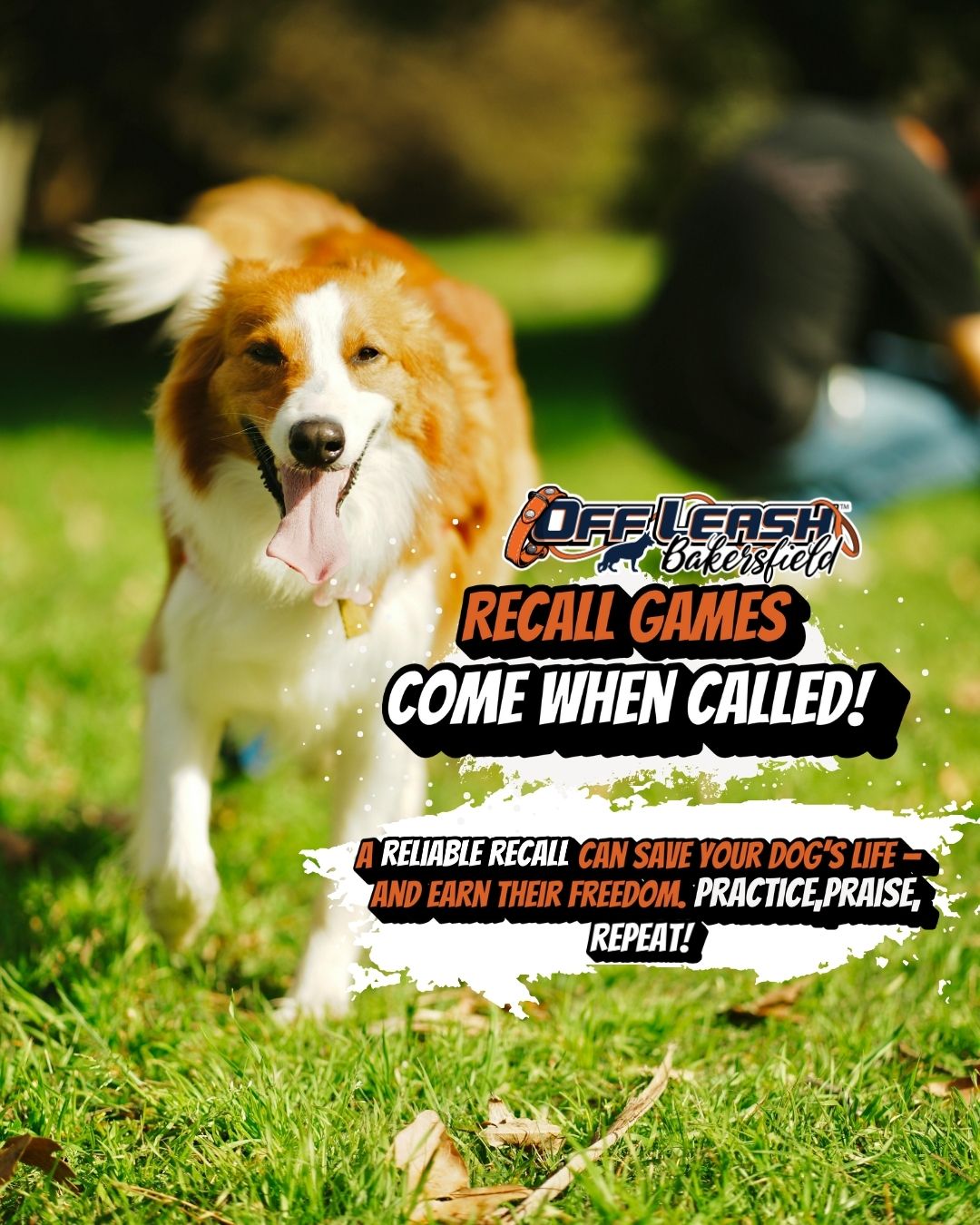
Dog Recall Games Come When Called!
Recall games for dogs are not just about fun—they are essential for safety. Every year, countless dogs get lost because they simply don’t come back when called. Imagine the many lives saved and mishaps avoided if all dogs were well-trained in recall.
Historically, recall training has evolved from basic commands to engaging games. Studies show that dogs learn faster and retain commands better when they are taught through play. Incorporating games like hide and seek or fetch into recall training creates a positive and stimulating environment, ensuring your dog enthusiastically returns when called.
Recall games for dogs, such as hide and seek, come and go, and long leash training, enhance obedience through engaging activities. These games help ensure that dogs respond reliably to recall commands, improving safety and strengthening the bond between owner and pet. Effective recall training is essential for well-rounded canine behaviors.
The Importance of Recall Training for Dogs
Recall training is crucial for the safety of your dog. When a dog reliably comes when called, it lessens the chance of them running into dangerous situations. It provides the owner peace of mind when off-leash. This skill is not just about obedience; it builds a stronger bond. Your dog learns to trust that responding to your call is always a good choice.
A well-trained recall can prevent accidents. For instance, if your dog is about to cross a busy street, a quick recall can save their life. This training can be a lifesaver. It also ensures that your pet can enjoy more freedom during walks and playtime. Dogs benefit greatly from the ability to roam and explore safely.
Recall training also aids in managing your dog’s behavior. Dogs that come back when called can be redirected from distractions, such as other animals or people. This helps in stressful or unpredictable environments. Developing a reliable recall reduces stress for both you and your dog. It makes outings more fun and relaxed.
Consistent training strengthens the human-animal connection. Using praise and rewards during recall training boosts your pet’s confidence. Positive reinforcement makes learning enjoyable for them. List items can be helpful for training tools, including treats, toys, and clickers. Creating a positive training experience ensures long-term obedience and happiness.
Enhancing Safety and Building Trust
Enhancing your dog’s safety is the primary reason for recall training. When a dog responds immediately to a recall, it can avoid hazards. This type of training is crucial for off-leash activities. It ensures that your dog can safely explore without wandering too far. Trust between the dog and owner becomes stronger with effective recall.
Building trust is a vital part of any dog-owner relationship. Consistent recall training shows your dog that you are dependable. They learn that coming back to you means safety and rewards. This trust makes your dog more obedient in different situations. It helps in stressful environments too, where your dog needs to rely on you.
Effective training methods can make all the difference. Use a mix of praise, treats, and play to reinforce positive behavior. Keep training sessions short and fun to maintain your dog’s interest. Using varied content such as toys or games can make learning more enjoyable. Your dog will respond better and trust you more.
Implementing a recall routine can involve simple steps. Start training in a quiet area with few distractions. Gradually increase the level of distraction as your dog improves. List of training essentials might include:
- High-value treats
- A long leash
- Patience and consistency
These tools help ensure that your dog learns to come when called and build a trusting bond.
Essential Recall Games for Every Dog Owner
Playing games with your dog is an excellent way to improve recall skills. One fun game to try is hide and seek. Start by hiding in a familiar place and calling your dog. When they find you, reward them with a treat or praise. This game strengthens the recall command while also stimulating your dog’s mind.
Another effective recall game is “Come and Go.” This game involves calling your dog back and forth between two people. Reward them each time they come correctly. This repetition helps reinforce the recall command. It also builds your dog’s confidence in responding to their name or a command.
Long leash training is another useful method. Attach a long line to your dog’s harness and let them wander. Then, call them back and reward them when they return. This method is perfect for practicing recall in open spaces. It combines freedom with safety, ensuring your dog can learn without running away.
Enriching your dog’s learning with these games can be both fun and educational. Here’s a list of key recall games:
- Hide and Seek
- Come and Go
- Long Leash Training
Including varied activities keeps training engaging. It also covers different scenarios where a reliable recall is essential.
Tips for Effective Recall Training
Effective recall training begins with understanding your dog’s motivations. Some dogs respond better to treats, while others are motivated by toys or praise. Identifying what your dog finds most rewarding is key. Use this to your advantage during training sessions. It will make learning more enjoyable and successful for your pet.
Start your training in a controlled environment. This minimizes distractions and sets your dog up for success. Begin with short sessions lasting only a few minutes. Gradually increase the duration as your dog improves. Consistency is crucial, so practice regularly.
Positive reinforcement is essential in recall training. When your dog responds correctly, immediately reward them. Consistent rewards help your dog associate coming back with positive outcomes. Avoid using a harsh tone or punishment. This can create fear and hinder training progress.
Using a cue or signal can improve recall. A whistle or a unique word can work well. Ensure the cue is distinct and not used for other commands. This helps your dog understand exactly what you want. Consistent use of the cue reinforces its meaning.
Gradually introduce distractions. Once your dog masters recall in a quiet setting, add mild disturbances. This could be toys, other people, or different environments. Increasing the challenge step-by-step ensures your dog learns to focus on you, no matter the situation.
Make training a part of your daily routine. Practice recall during walks or playtime. You can list these activities to keep track of progress:
- Morning walks
- Play sessions in the yard
- Evening training drills
Incorporating recall into everyday activities helps your dog understand its importance and improves reliability.
Frequently Asked Questions
Recall training for dogs is essential for safety and bonding. Here are some common questions experts often have about this key aspect of dog training.
1. What is the best age to start recall training for dogs?
The best age to begin recall training is as early as possible. Typically, puppies can start learning basic recall commands at eight weeks old. Early training helps instill good habits from the beginning. Young dogs are more adaptable and eager to learn, making it a perfect time to start.
Early training sets the foundation for future obedience. However, if your dog is older, it’s never too late to start. With patience and consistency, dogs of any age can learn to respond to recall commands. The key is to make the training positive and rewarding.
2. How can I make recall training fun for my dog?
Making recall training fun involves incorporating games and rewards. Use interactive games like hide and seek or the come and go game to keep sessions engaging. Dogs enjoy these activities, making them more likely to participate enthusiastically. Always use high-value treats or favorite toys as rewards.
Vary the training environment to keep things exciting. Change locations, add different distractions, and keep sessions short to maintain your dog’s interest. Consistently mixing up the activities prevents boredom and enhances learning. Remember, a happy dog learns best.
3. What should I do if my dog ignores me during recall training?
If your dog ignores you during recall training, it’s crucial to remain calm and patient. First, ensure that there are minimal distractions in the training area. Remove any potential disturbances and refocus their attention on you. Reassess the rewards you are using; they might not be enticing enough.
Break down the training into smaller steps. Start with shorter distances and gradually increase the difficulty as your dog’s response improves. Consistency is key. If your dog continues to ignore commands, consulting with a professional trainer might be beneficial. They can provide personalized strategies to address specific issues.
4. How often should I practice recall training with my dog?
Practicing recall training with your dog should be a regular part of your routine. Aim to have short training sessions daily, about 5-10 minutes each. Frequent, consistent practice enhances learning and reinforces commands. Making it a habit ensures that your dog retains the recall skills.
Integrate recall training into everyday activities like walks or playtime. This not only makes training less of a chore but also reinforces the behavior in various settings. Keeping sessions positive and rewarding will encourage your dog to respond reliably over time.
5. Can recall training prevent my dog from running away?
Yes, effective recall training significantly reduces the risk of your dog running away. A reliable recall command can prevent your dog from wandering too far or entering dangerous situations. Dogs are more likely to stay close if they know returning to you brings rewards and praise.
However, it’s important to regularly practice and reinforce the recall command. Even a well-trained dog can get distracted or frightened. Continuous reinforcement ensures your dog responds reliably, keeping them safe and giving you peace of mind during off-leash activities.
Conclusion
Effective recall training is essential for the safety and well-being of your dog. Incorporating fun games and consistent practice ensures that your dog reliably responds to recall commands. This builds trust and enhances your bond, making your relationship stronger and more enjoyable.
From starting at an early age to making training sessions engaging, recall training is a rewarding process. Remember to be patient and use positive reinforcement to encourage your dog. With dedication and the right approach, you can achieve a reliable recall that keeps your furry friend safe and happy.
"*" indicates required fields