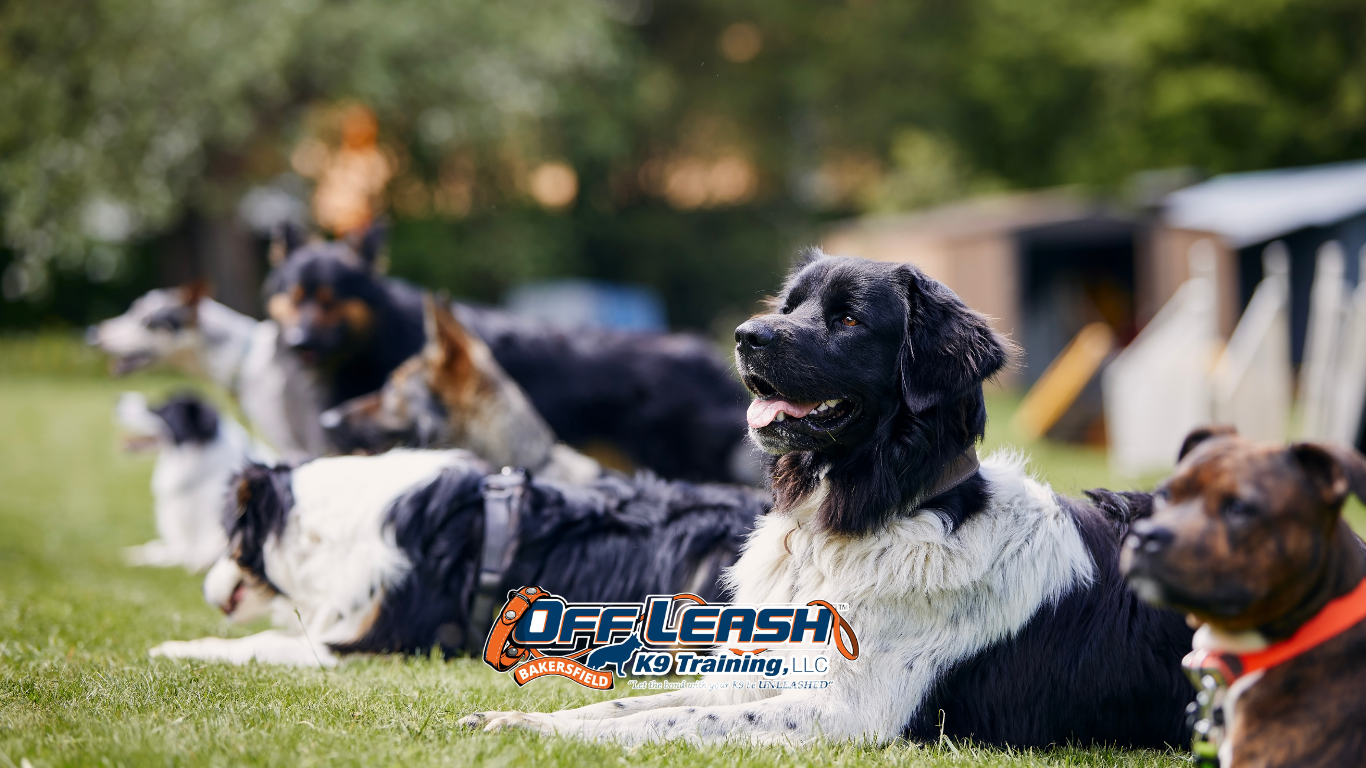
Real-World Training: How Real-World Training Prevents Selective Listening
When a dog’s response to commands becomes hit-or-miss, it can be incredibly frustrating for owners. This phenomenon, often referred to as selective listening, is more common than many might realize. Real-world training strategies offer a powerful solution, allowing dogs to learn obedience in various environments and situations.
Real-world training focuses rather on teaching commands in everyday settings instead of controlled environments. A compelling statistic reveals that dogs trained in real-world situations are 40% more likely to consistently follow commands even amidst distractions. This method leverages the dog’s natural behaviors and surroundings, creating a more effective and relatable approach to preventing selective listening.
Real-world dog training prevents selective listening by exposing dogs to various environments and distractions. This method ensures that commands are practiced in real-life situations, increasing the dog’s ability to focus and obey consistently. By integrating daily routines and positive reinforcement, dogs become more reliable and attentive in any setting.

Real-World Training: How Real-World Dog Training Prevents Selective Listening
Real-world training focuses on teaching dogs commands in everyday environments. Unlike traditional training done in controlled settings, this method involves real-life distractions and situations. This approach helps dogs understand and obey commands, regardless of where they are.
One significant benefit of real-world training is its effectiveness in preventing selective listening. Dogs trained this way are exposed to various scenarios that they might encounter daily. This variety ensures they are less likely to ignore commands when faced with new distractions.
Further, real-world training strengthens the bond between the dog and owner. It allows owners to practice commands during daily activities, making the training part of their routine. This consistent reinforcement is key to achieving reliable obedience.
Implementing real-world training can involve activities like walking in busy areas, playing in the park, or visiting friends. Through these experiences, dogs learn to focus on their owner despite surrounding distractions. This method creates a well-rounded, obedient companion in every setting.
The impact of selective listening in dogs
Selective listening in dogs can be an owner’s nightmare. Imagine calling your dog repeatedly with no response; this can be stressful and frustrating. When dogs choose to ignore commands, it can also lead to safety issues, especially near traffic or other hazards.
Dogs with selective listening often pick and choose when to obey, making training inconsistent. This behavior can undermine an owner’s authority and affect the dog’s discipline. Essential commands like “stay” or “come” become unreliable, posing risks in unpredictable situations.
This issue primarily arises from inadequate training environments. Dogs trained only in controlled settings may not apply those skills in real-world situations. Introducing real-life distractions during training helps eliminate selective listening by preparing dogs for various scenarios.
Effective real-world training can mitigate these problems. Consistent practice in diverse environments enhances a dog’s ability to focus. As a result, dogs become more reliable, making interaction more enjoyable and secure for both the pet and the owner.
Key principles of real-world dog training
In real-world dog training, consistency is essential. Commands should be practiced in various environments, not just at home. By exposing dogs to diverse settings, they learn to respond reliably in any situation.
The next important principle is positive reinforcement. Rewarding good behavior with treats or praise encourages dogs to repeat those actions. This method builds a positive association with obeying commands, making training more effective and enjoyable.
It’s also crucial to introduce distractions gradually. Start with minor distractions and slowly increase the difficulty as the dog progresses. This approach helps dogs build focus and confidence, reducing the chances of selective listening.
Finally, practice patience and persistence. Dogs may not get everything right the first time, and that’s okay. Consistent practice with real-world elements will lead to lasting results, creating a well-trained and obedient companion.
Common mistakes in traditional obedience training
One of the most common mistakes in traditional obedience training is focusing too much on repetition in controlled environments. While repetition is important, dogs also need to practice commands in real-life situations. This lack of variation can lead to selective listening when the setting changes.
Another mistake is using negative reinforcement or punishment. These methods can create fear and anxiety in dogs. Instead of learning to obey commands, they may become scared of making mistakes, which can hinder their overall training progress.
Inconsistency is another major error. If different family members use different commands or reward systems, the dog can easily become confused. Consistency in commands and rewards among all family members is crucial for effective training.
Skipping the socialization phase is also problematic. Dogs need to be well-socialized to handle various environmental stimuli. Without proper socialization, dogs may struggle to focus on commands when faced with unfamiliar distractions.
Overloading dogs with too many commands at once can lead to confusion and frustration. It’s better to focus on mastering one command at a time before introducing new ones. Gradual progression ensures that each command is thoroughly understood and retained.
Lastly, neglecting to reinforce training regularly can cause a dog to forget learned commands. Even after mastery, continuous practice is essential to maintain obedience skills. Integrating training into daily routines can keep these skills sharp over time.
Techniques to reinforce consistent responses
To reinforce consistent responses, always use clear and consistent commands. Avoid changing the words or tone for commands, as this can confuse your dog. Simple and direct instructions work best in maintaining clarity.
Positive reinforcement is a powerful tool. Reward your dog with treats or praise immediately after they respond correctly. This helps them associate the command with positive outcomes, increasing the likelihood of repetition.
Practice commands in different environments to ensure reliability. Take your dog to parks, streets, and even busy areas to test their obedience. This real-world practice helps them adapt to various distractions while still following commands.
Short, frequent training sessions are more effective than long, sporadic ones. Consistency in training keeps the commands fresh in your dog’s mind. Aim for multiple brief sessions throughout the day to reinforce learning without overwhelming your pet.
Incorporate variation by mixing up the order of commands. This prevents your dog from anticipating the next command and ensures they are paying attention each time. This approach keeps your training dynamic and engaging for your dog.
Lastly, be patient and persistent. Dogs may take time to fully grasp certain commands, especially in distracting environments. Regular practice and understanding will yield steady progress in reinforcing consistent responses.
Real-world scenarios for practical obedience
Taking your dog to a bustling park is a great way to practice obedience. The multitude of sights, sounds, and smells present challenges that help reinforce your commands. Starting with basic commands like “sit” and “stay” can build their focus and discipline.
Grocery store parking lots also offer a unique training environment. The constant movement of people and cars demands your dog’s attention. Practicing commands here ensures your dog remains responsive even in chaotic settings.
Visiting friends or family who have pets can add another layer of distraction. This scenario tests your dog’s social skills while reinforcing obedience. Commands should be practiced amidst other pets to ensure your dog can focus on you.
A walk through downtown or a busy city street can be very effective for advanced obedience training. The urban environment introduces various distractions, from pedestrians to street performers. Such settings require your dog to listen intently to your commands.
Even home environments hold potential for real-world scenarios. Hosting gatherings or dinners can serve as practice grounds. Getting your dog to remain calm and listen during these events demonstrates practical obedience at home.
Car trips are yet another real-world scenario to practice commands. Teaching your dog to wait before getting out of the car or to stay calm during the ride enhances their overall obedience. It’s a practical way to ensure they remain well-behaved in every situation.
Frequently Asked Questions
Here are some common questions and answers about real-world dog training and how it helps prevent selective listening in dogs. We hope these insights are helpful for understanding this training approach better.
1 What is the best way to start real-world dog training?
Begin by introducing your dog to different environments where they can practice basic commands. Start with familiar settings and gradually add more challenging ones. This method helps your dog build confidence and responsiveness in varied situations.
Reward good behavior consistently and use clear commands. These practices promote obedience and reduce selective listening. It’s important to be patient and persistent, as real-world training can take time but yields reliable results.
2 How can real-world training improve my dog’s behavior?
Real-world training adapts your dog to different environments and distractions. This broad exposure helps them stay focused and obedient regardless of setting. Persistent and varied practice in diverse locations makes your dog’s responses more reliable.
Additionally, integrating positive reinforcement in various settings strengthens your bond with your dog. Rewarding good behavior boosts their motivation and confidence. Over time, your dog’s overall behavior improves significantly through real-world practice.
3 Can real-world training help with dog anxiety?
Yes, real-world training can help alleviate dog anxiety by gradually exposing dogs to various environments. This exposure helps them become more adaptable and less fearful of new situations. Practice in different settings builds their confidence and reduces anxiety.
Positive reinforcement during training reassures your dog and encourages calm behavior. Over time, these practices decrease anxiety levels. Structured, consistent training helps dogs feel secure and more comfortable outside controlled environments.
4 What are common mistakes to avoid in real-world dog training?
Avoid inconsistency in commands and rewards as it leads to confusion. Be clear and persistent, using the same commands and reward system every time. Gradual exposure to distractions is also crucial; do not overwhelm your dog with too many distractions initially.
Punishment-based methods should be avoided as they create fear and anxiety. Instead, use positive reinforcement to encourage good behavior. Consistent practice and understanding patience are key to successful real-world dog training.
5 How often should I practice real-world training with my dog?
Frequent short sessions are more beneficial than long, sporadic ones. Aim for multiple brief training sessions throughout the day, each lasting a few minutes. This approach keeps commands fresh in your dog’s mind and enhances obedience.
Incorporate training into daily routines like walks or errands. This continuous reinforcement helps your dog adapt to different settings and distractions. Regular practice ensures lasting results and a well-trained, obedient dog.
Conclusion
Real-world dog training offers a practical approach to enhancing obedience and reducing selective listening. By consistently practicing commands in various environments, dogs become more reliable and attentive. This method not only improves behavior but also strengthens the bond between dog and owner.
Incorporating positive reinforcement and gradual exposure to distractions ensures effective training. Patience and persistence play crucial roles in achieving lasting results. Ultimately, real-world training creates a well-rounded, obedient, and confident companion.