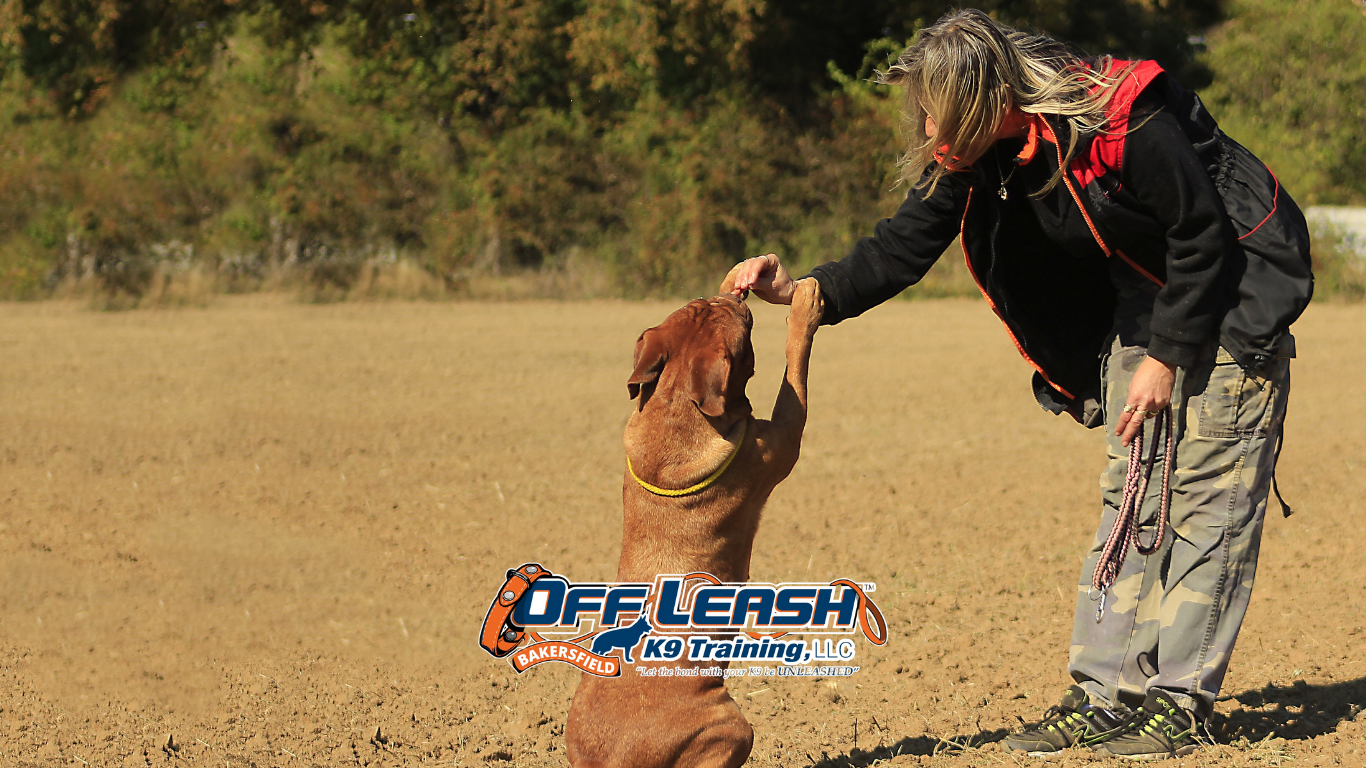
Professional Dog Training: When Is the Right Time to Start?
It’s fascinating to note that the optimal time for initiating professional dog training might be earlier than most believe. Puppies as young as 8 weeks old are already capable of learning basic commands, countering the myth that they must be older to begin training. Early training can harness their innate adaptability and curiosity, setting a strong foundation for future behaviors.
A significant aspect of starting early is the advantage it provides in shaping a dog’s lifelong habits. Historically, dog training methods have evolved, emphasizing earlier interventions for better success rates. Research indicates that puppies who receive early training are more likely to exhibit positive behavior and socialization skills, making them well-rounded companions.
Professional dog training should start when a puppy is around 8 weeks old. This early age is ideal for learning basic commands and socialization skills, laying the groundwork for good behavior in adulthood. Early intervention helps in establishing positive habits and prevents the development of unwanted behaviors.
When to start professional dog training
Starting professional dog training at the right time can make a significant difference in your dog’s behavior. Ideally, training should begin when your puppy is around 8 weeks old. At this age, they are highly adaptable and eager to learn new things. Puppies that start training early develop good habits and socialization skills. This early start builds a strong foundation for advanced training later.
It is essential to recognize the signs indicating your dog is ready for professional training. If your dog shows curiosity, responds to basic commands, and has vaccinations, these are good indicators. Additionally, an observant owner will notice their dog’s natural routines and habits. Professional trainers can then work with these behaviors. This approach tailors the training to the dog’s specific needs.
Waiting too long to start training can lead to behavioral issues. Dogs can develop unwanted habits if left unchecked. Early intervention prevents these problems from becoming ingrained. By addressing issues early, the training process becomes smoother. Consistency from both the owner and the trainer is crucial for success.
Choosing the right time also involves understanding the best methods. Positive reinforcement is the most effective approach. It encourages good behavior without using harsh punishments. Professional trainers often use treats, praise, or play as rewards. This method ensures that training sessions are motivating and enjoyable for the dog.
Key signs your dog is ready for professional training
One sign that your dog is ready for professional training is their response to simple commands. If your dog can follow basic instructions like “sit” or “stay,” they are likely ready for more advanced training. Dogs that pay attention during these exercises show a willingness to learn. This is a positive indicator for professional training. Focus and engagement are key traits trainers look for.
Socialization is another significant sign. Dogs that interact well with other dogs and people are prepared for training environments. These dogs display fewer behavioral issues and can adapt to new situations more easily. Social skills also reduce the risk of aggression. Professional trainers often emphasize the importance of early socialization.
The dog’s age and vaccination status also play a role. Puppies around 8 to 12 weeks old, with up-to-date vaccinations, are typically ready to start. This age range is when puppies are most receptive to new experiences. A vaccinated dog is also safe in group classes. Proper health ensures uninterrupted training sessions.
Noticing signs of curiosity and eagerness can also indicate readiness. Dogs that explore their surroundings and show interest in activities are ready for training. Curiosity helps them engage with new commands and tasks. Eager dogs are more likely to participate actively in training sessions. This enthusiasm makes the learning process enjoyable for both the dog and the trainer.
Benefits of early professional dog training
Early professional dog training helps develop good habits from the start. Puppies learn to follow commands and respond positively to their owners. Training at a young age also reduces the likelihood of unwanted behaviors. This can include excessive barking, chewing, or aggression. Early intervention sets a strong foundation for well-behaved adults.
Another benefit is improved socialization skills. Puppies trained early are more comfortable around other dogs and people. This helps prevent fear and anxiety in new situations. Well-socialized dogs are less likely to become aggressive. They also enjoy a fuller, happier life with their families.
Training early also strengthens the bond between the owner and the dog. Through training sessions, owners learn how to communicate effectively with their pets. This communication builds trust and loyalty. Dogs also learn to look to their owners for guidance. This mutual understanding makes for a harmonious relationship.
Early training ensures a safer environment for everyone. A well-trained dog is less likely to engage in dangerous behaviors. This includes running into the street or jumping on strangers. Safety is a top priority, and early training addresses this concern. The result is a dog that listens and behaves in various situations.
Age-specific recommendations for dog training
Training a dog effectively often depends on the dog’s age. For puppies between 8 and 12 weeks old, focus on basic commands like “sit,” “stay,” and “come.” This age is ideal for socialization, getting them used to different people and environments. Use positive reinforcement techniques to encourage good behavior. Make training sessions short and fun to keep their attention.
When dogs reach 3 to 6 months, their training can become more structured. This is the perfect time to introduce leash training and housebreaking. Consistency is key during this stage. Puppies can handle longer training sessions. Incorporate more complex commands and tricks to challenge them.
From 6 months to 1 year, dogs enter adolescence and testing boundaries. Training should focus on reinforcing good behavior and curbing any bad habits. This stage might require patience, as dogs can become more stubborn. Consistent training helps manage their energy and focus. Enroll them in a group obedience class for this period.
For dogs older than 1 year, training can still be effective but may require more effort. Adult dogs may have developed habits that are harder to break. Focus on behavior modification and advanced training. Use rewards and positive reinforcement to motivate them. Regular practice and patience will yield results over time.
Special considerations should be made for senior dogs. Their training needs to include gentle exercises and commands. Focus on keeping their minds active and maintaining their current skills. Older dogs may benefit from training that improves their quality of life. Adapt sessions to their physical capabilities and monitor their health closely.
Common challenges and solutions in professional dog training
One common challenge in professional dog training is dealing with stubborn behavior. Some dogs resist commands and don’t follow instructions. This can be frustrating for trainers and owners alike. To address this, consistency and patience are crucial. Using high-value treats and praise can motivate stubborn dogs to cooperate.
Another frequent issue is distraction in training environments. Dogs often get sidetracked by sights, sounds, or other animals. This can hinder their ability to focus on tasks. Trainers can manage distractions by gradually increasing their intensity. Starting with minimal distractions and slowly adding more can help dogs build focus.
Separation anxiety is a significant problem for many dogs. Dogs with this condition become anxious when left alone, leading to destructive behavior. To solve this, trainers recommend gradually acclimating the dog to being alone. Positive reinforcement when the dog stays calm can help alleviate anxiety.
Aggression during training can also pose a challenge. Some dogs may display aggressive behavior toward other dogs or people. This needs careful handling to prevent escalation. Trainers use techniques like clicker training and socialization exercises. Addressing aggression early can prevent it from becoming a persistent problem.
Housebreaking issues are another common concern for dog owners. Some dogs struggle to learn where and when to relieve themselves. Consistent routines and immediate rewards for proper behavior are effective solutions. Crate training can also assist in speeding up the housebreaking process. It’s essential to address accidents calmly and not punish the dog harshly.
Choosing the right dog trainer for your needs
Finding the right dog trainer is a crucial step in your pet’s development. First, consider the trainer’s qualifications and experience. Look for certifications from recognized organizations. These credentials indicate knowledge and professionalism. Experienced trainers often have proven methods that yield results.
It’s also important to match the training style with your dog’s needs. Some trainers specialize in positive reinforcement, while others might use balanced methods. Ensure the trainer’s philosophy aligns with your preferences. For puppies, gentle and encouraging techniques work best. Discuss your expectations during the initial consultation.
Researching trainer reviews and testimonials can provide insight. Read about other owners’ experiences to gauge their success. Positive feedback often reflects a trainer’s reliability and effectiveness. Word-of-mouth recommendations can also be helpful. Personal endorsements carry weight and can guide your decision.
Consider the location and class structure of the training sessions. Some trainers offer in-home sessions, while others provide group classes. Evaluating what’s most convenient and effective for your dog is essential. In-home sessions offer personalized attention. Group classes can enhance socialization skills.
A trial session is a great way to assess compatibility. Observe how the trainer interacts with your dog. Look for patience, clear communication, and a calm demeanor. A good trainer will adapt to your dog’s personality. This first-hand experience helps you make an informed choice.
Frequently Asked Questions
Professional dog training is a vital step in ensuring a well-behaved and happy pet. Below are some common questions and answers to help guide you through this process.
1 How long does professional dog training take?
The duration of professional dog training varies depending on the dog’s age and behavior. Typically, a basic training course lasts about 4 to 6 weeks. Consistency and regular practice at home are essential for the best results. Some dogs may require additional time for advanced skills or behavioral issues.
It’s important to judge the dog’s progress and adapt training sessions accordingly. Regular assessments by the trainer can help determine the need for extended sessions. Eventually, the goal is to ensure the dog responds well to commands and exhibits good behavior in various settings.
2 What methods do professional dog trainers use?
Professional dog trainers commonly use positive reinforcement techniques, which involve rewarding good behavior with treats, praise, or play. This method encourages dogs to repeat desired behaviors. Trainers may also use clicker training, a method that associates a clicking sound with a reward.
Another popular approach is the use of balanced training, which combines positive reinforcement with gentle corrections for unwanted behaviors. It’s important to choose a trainer whose methods align with your dog’s needs and your comfort level. Always prioritize humane and effective techniques.
3 Are there specific breeds that benefit more from professional training?
While all dog breeds benefit from professional training, certain breeds may require more specialized attention. High-energy breeds like Border Collies and German Shepherds often benefit from focused training to manage their energy levels and intelligence. These breeds might need more complex tasks to stay engaged.
On the other hand, smaller breeds like Dachshunds and Terriers can benefit from training to control stubborn behaviors. Professional training can help ensure that all breeds, regardless of size or temperament, develop into well-behaved and balanced pets. Tailored training approaches are key for effective results.
4 How can I reinforce professional training at home?
Consistency is key in reinforcing professional training at home. Create a routine that includes daily training sessions, ensuring you use the same commands and rewards as the trainer. Positive reinforcement, such as treats and praise, helps cement the lessons learned during professional sessions.
Incorporate training exercises into everyday activities. For example, ask your dog to “sit” before meals or “stay” when guests arrive. Use these opportunities to practice commands and reinforce good behavior, making training a natural part of your dog’s daily life.
5 How do I find a reputable professional dog trainer?
Finding a reputable professional dog trainer involves research and recommendations. Start by asking for referrals from your veterinarian or other pet owners. Online reviews and testimonials can also provide insight into a trainer’s reputation and effectiveness.
Look for trainers with certifications from recognized organizations, such as the Association of Professional Dog Trainers (APDT). Schedule a consultation to discuss their training methods and observe a class, if possible, to ensure their approach aligns with your needs and values.
Become a Professional Dog Trainer. Lesson 1 – Terminology
Conclusion
Starting professional dog training at the right time can set the foundation for a well-behaved and happy pet. Early training helps in developing good habits and enhances socialization skills. This approach equips your dog to face various situations calmly and confidently.
Choosing the right trainer and reinforcing training at home are essential steps to success. By understanding and addressing common challenges, you can ensure your dog benefits fully from professional training. In the long run, this investment in training will create a harmonious relationship between you and your furry friend.
"*" indicates required fields