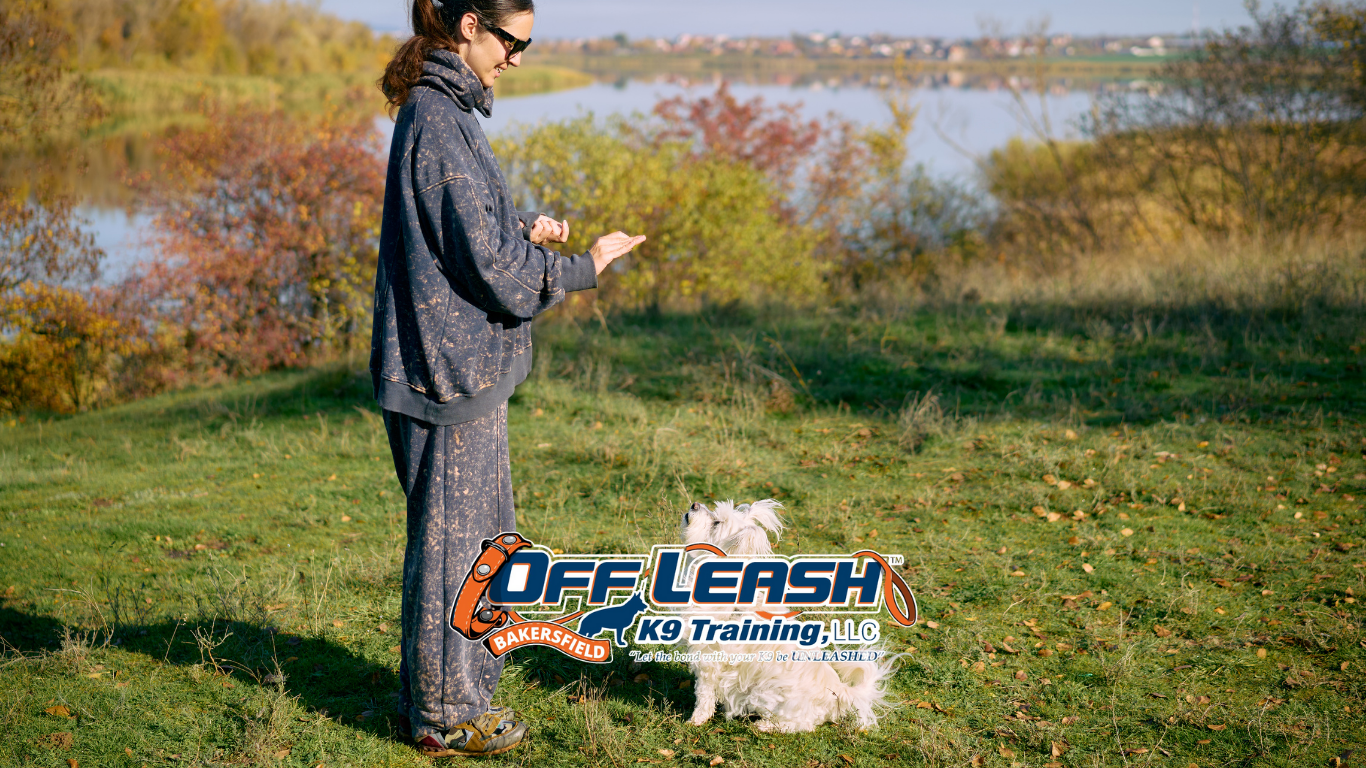
Preventing frustration-based behaviors
Have you ever considered that dogs might exhibit frustration-based behaviors as a way to communicate their needs or discomfort? Surprisingly, a significant number of these behaviors stem from their inability to express themselves in ways humans can understand. From excessive barking to destructive chewing, these signs are often misinterpreted and not addressed effectively.
Historically, pet owners believed that behavioral issues were solely due to inadequate training or inherent flaws within the dog. Now, experts recognize that satisfying a dog’s physical and mental needs can dramatically reduce frustration-based actions. For instance, a study found that dogs engaging in regular physical exercise and mental stimulation showed a 40% reduction in undesirable behaviors. Implementing structured activities and consistent training protocols can help mitigate these frustrations.
Preventing dog frustration-based behaviors involves regular exercise, mental stimulation, and consistent training. Provide interactive toys, maintain a stable routine, and offer social interaction. Address underlying medical issues with veterinary help if needed. Engaging in positive reinforcement techniques can effectively reduce anxiety and prevent destructive actions.
Preventing dog frustration-based behaviors
Preventing frustration-based behaviors in dogs starts with understanding their triggers. These triggers can include lack of physical exercise, mental stimulation, or social interaction. Dogs may exhibit behaviors such as excessive barking, chewing, or digging when they feel frustrated. Recognizing these signs helps in addressing the root of the problem. Regular observation of your dog’s behavior is crucial.
Providing a structured routine is essential in managing a dog’s frustration. Regular walks, playtime, and training sessions can significantly reduce anxious behaviors. Also, mental stimulation is vital for their well-being. Interactive toys and puzzle feeders keep their minds engaged. These activities help in channeling their energy positively.
Effective training strategies should be implemented to handle frustration-based behaviors. Positive reinforcement techniques work well in encouraging desirable behavior. Rewarding good behavior with treats or praise makes a significant difference. Consistency in training is key. Also, engaging in activities that stimulate their natural instincts can be beneficial.
Environmental factors also play a big role in a dog’s mental state. Creating a safe and stimulating home environment is crucial. Providing a comfortable space for rest, accessible toys, and a calm atmosphere helps. Ensuring the dog feels secure reduces anxiety and frustration. Regularly changing their environment, like new toys or different walking routes, can also be effective.
Signs and triggers of frustration in dogs
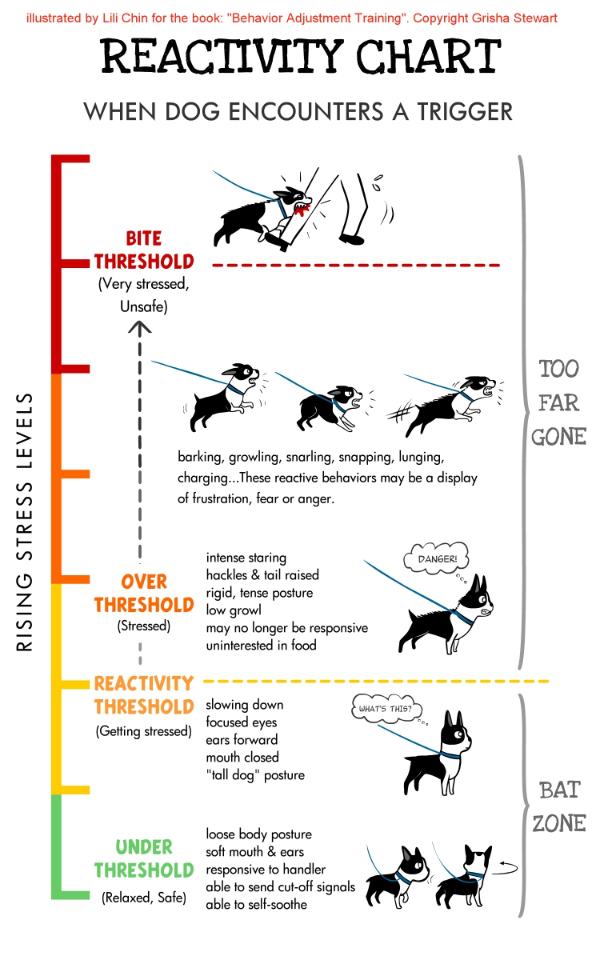
Frustration in dogs can be observed through various behaviors. Common signs include excessive barking, chewing household items, and digging in the yard. These actions often indicate unmet needs or desires. Additionally, dogs may exhibit restlessness, pacing, or aggressive tendencies. Observing these signs helps in identifying underlying issues.
Specific triggers can directly cause frustration in dogs. A lack of physical exercise is a primary trigger, leading to pent-up energy. Mental stimulation is equally important; boredom can lead to destructive behaviors. Social isolation or inadequate interaction with humans or other animals also contributes to frustration. Understanding these triggers is crucial for managing behavior.
Some dogs may become frustrated due to environmental factors. Loud noises or chaotic surroundings can create stress and anxiety. Changes in routine, such as altered feeding schedules or interrupted sleep, also impact their mood. Providing a stable environment can help mitigate these issues. Consistency is key to maintaining a calm and happy dog.
Addressing these signs and triggers involves a combination of strategies. Ensuring regular physical and mental activities is essential. Using puzzle toys and frequent playtime can help. Creating a calm and stable home environment further reduces stress. These steps collectively contribute to a well-balanced and content dog.
The role of routine and enrichment
Establishing a consistent routine for your dog is essential in preventing frustration. Dogs thrive on predictability, and knowing what to expect reduces anxiety. Regular feeding, walking, and playtime schedules help create a stable environment. Consistency in routine also aids in house training and other behaviors. This structure is crucial for a dog’s well-being.
Enrichment activities are just as important as routine in a dog’s life. These activities engage their minds and prevent boredom. Examples include interactive toys, puzzle feeders, and sniffing games. Incorporating varied forms of enrichment keeps them mentally stimulated. This can significantly reduce destructive behaviors caused by frustration.
A well-balanced enrichment plan includes different types of activities. Physical exercise, such as walks and fetch, is crucial. Mental stimulation, like training sessions and problem-solving games, engages their intellect. Social interaction, whether with humans or other dogs, is also vital. A combination of these activities ensures overall well-being.
Routine and enrichment together create a harmonious environment for your dog. Establish a daily schedule that includes time for physical activities and mental challenges. Rotate enrichment options to keep things interesting. Here are some suggestions:
- Daily walks in varied locations
- Puzzle feeders for meal times
- Interactive play sessions
- Scheduled training periods
By implementing these strategies, you enhance your dog’s quality of life and minimize frustration.
Effective training strategies for anxious and frustrated dogs
Effective training strategies can significantly help anxious and frustrated dogs. Positive reinforcement is a key technique, rewarding good behavior with treats, toys, or praise. This method encourages repeat behavior without adding stress. Consistent training sessions, conducted daily, help reinforce these behaviors. It is essential to be patient and persistent.
Desensitization and counter-conditioning are useful for managing anxiety triggers. Gradually exposing the dog to the trigger in a controlled manner helps desensitize them. Pairing the trigger with positive experiences, like treats or playtime, creates a positive association. Over time, the anxiety linked to the trigger decreases. These techniques require a careful and gradual approach.
Providing a safe and secure environment is crucial for anxious dogs. Create a designated safe space where the dog can retreat when feeling overwhelmed. Ensure this area is quiet and comfortable, with familiar toys and bedding. Reducing exposure to loud noises or chaotic environments can help. The dog learns it has a safe place, reducing overall anxiety.
Interactive toys and puzzle feeders can also aid in training and reducing frustration. These toys engage their minds and provide a healthy outlet for energy. Incorporating problem-solving activities into daily routines keeps dogs mentally stimulated. This helps curb destructive behaviors born out of frustration. Regularly rotating toys keeps the dog interested and engaged.
Socialization is another important aspect of training for anxious dogs. Gradual exposure to new people, pets, and environments helps build confidence. Controlled socialization sessions should start small and gradually increase in complexity. Positive experiences during these sessions reinforce good behavior. Socializing helps reduce anxiety in unfamiliar situations.
Engaging in regular exercise and playtime is essential for anxious and frustrated dogs. Physical activity helps burn off excess energy and reduces stress levels. Structured play sessions provide an outlet for pent-up energy. Including a mix of physical and mental activities keeps dogs balanced. These strategies contribute to a well-rounded training approach.
Environmental factors influencing canine frustration
The environment plays a major role in a dog’s mental state and behavior. Loud noises, like thunderstorms or fireworks, can cause significant anxiety and frustration. Sudden changes in the household, such as new family members or pets, can also be disruptive. Frequent disruptions to their routine can lead to heightened stress levels. Dogs thrive in stable, predictable environments.
A cluttered or overcrowded living space can be overwhelming for dogs. Providing a designated area where they can retreat and relax is essential. This space should be quiet and free of excessive disturbances. Ensuring that the dog’s living area is clean and well-organized can reduce anxiety. Keeping this space consistent helps the dog feel safe and secure.
Limited access to the outdoors and lack of physical exercise greatly impact a dog’s frustration levels. Dogs need regular outdoor time to explore and expend energy. Providing a variety of outdoor activities, such as walks, playdates, and fetch, helps keep them engaged. Lack of exercise can lead to boredom and destructive behaviors. A balance of indoor and outdoor activities is ideal.
Environmental enrichment tools can effectively reduce frustration in dogs. Here are some common enrichment tools:
- Puzzle toys
- Interactive feeders
- Chew toys
- Sniffing mats
Offering these items keep dogs mentally stimulated and satisfied.
The social environment also plays a crucial role in a dog’s emotional well-being. Regular interaction with family members and other pets fosters a sense of belonging. Isolation or lack of social interaction can lead to loneliness and frustration. Encouraging positive social interactions helps build confidence. A supportive social environment is key to a happy dog.
It is essential to monitor and adjust the dog’s environment as needed. Observing how they interact with their surroundings provides insight into potential stressors. Making necessary adjustments can mitigate frustration and promote a calmer demeanor. Consistent evaluation ensures the dog’s environment remains conducive to their well-being. Proactive management of environmental factors leads to a happier, healthier pet.
Professional interventions for persistent behavioral issues
When behavioral issues persist, professional intervention may be necessary. Certified dog behaviorists and trainers have the expertise to address complex problems. They can develop customized training plans tailored to the dog’s specific needs. This professional guidance ensures a comprehensive approach. Working with an expert can accelerate progress significantly.
Veterinarians can also play a crucial role in addressing behavioral issues. Sometimes, underlying medical conditions can cause or exacerbate poor behavior. Conducting a thorough medical examination can rule out such issues. Vets can recommend appropriate treatments or medications if necessary. Establishing a health baseline is essential for effective intervention.
Behavior modification programs are often employed by professionals. These programs use systematic techniques to change undesirable behaviors. Methods such as desensitization, counter-conditioning, and targeted training are common. The dog’s progress is closely monitored and adjusted as needed. These structured programs typically show significant improvements over time.
Professional trainers may also use advanced tools and technology. For instance, tools like clickers and e-collars can aid in training. Technology such as behavior tracking apps helps monitor progress. These tools provide additional support for effective behavior correction. Incorporating modern tools can enhance training outcomes.
Group training classes can offer social and behavioral benefits. These structured environments facilitate learning alongside other dogs. This setting promotes socialization and reduces fear or aggression towards other dogs. Moreover, group classes are an excellent way to practice obedience in a controlled environment. They provide a supportive space for dogs to learn and grow.
Continued support and follow-up are vital for sustained success. Regular check-ins with professionals ensure that the training is effective. Adjustments to the training plan may be necessary as the dog progresses. Consistent reinforcement of learned behaviors is key. Ongoing professional support helps maintain behavioral improvements long-term.
Frequently Asked Questions
Preventing frustration-based behaviors in dogs is essential for maintaining their well-being. Here are some common questions on the topic to help you better understand and manage your dog’s behavior.
1. How can I identify if my dog is frustrated?
Frustration in dogs can manifest through a variety of behaviors. Common signs include excessive barking, chewing on furniture, digging, and restlessness. You might also notice pacing, whining, or even aggressive behaviors. It’s crucial to observe these signs and determine their triggers to address the root cause effectively.
Understanding your dog’s normal behavior will help you detect changes that indicate frustration. Spend time interacting with your pet to better understand their signals. Keeping a behavior journal can also be useful in identifying patterns and triggers. Once you recognize these behaviors, you can take steps to manage and prevent them.
2. What role does exercise play in reducing dog frustration?
Exercise is vital in reducing frustration in dogs as it helps expend their energy. Without sufficient physical activity, dogs may become bored and engage in destructive behaviors. Regular walks, playtime, and other physical activities can keep your dog mentally and physically stimulated. This helps them maintain a balanced state of mind.
It’s important to tailor the exercise routine to your dog’s breed, age, and health. High-energy breeds require more intense activities, while older dogs might prefer gentle exercise. Including different types of activities can keep your dog engaged and prevent monotony. Consistent exercise helps improve their overall well-being.
3. Can mental stimulation activities help with frustration-based behaviors?
Mental stimulation is just as important as physical exercise for dogs. Engaging their minds with activities like puzzle toys, training sessions, and interactive games can significantly reduce frustration. These activities challenge your dog’s brain and keep them occupied, reducing the likelihood of destructive behavior.
Interactive toys and treat-dispensing gadgets can be great tools for mental stimulation. Rotating these toys can keep your dog interested and prevent boredom. Additionally, teaching new tricks or commands can provide mental stimulation and strengthen your bond with your pet. Consistently incorporating these activities can lead to a happier, more balanced dog.
4. How does a consistent routine help manage dog frustration?
Consistency is key to managing dog frustration. Dogs thrive on routine and feel more secure when they know what to expect. A consistent schedule for meals, walks, playtime, and bedtime can help reduce anxiety and frustration in your dog. This predictability helps them feel more in control and less stressed.
Establishing a routine doesn’t mean sticking to rigid timings but maintaining a general order of activities. For example, walking your dog at roughly the same time each day can create a sense of stability. Consistency in training and discipline also plays a role. A well-structured routine helps mitigate stress and promotes harmony.
5. When should I consider seeking professional help for my dog’s behavioral issues?
If your dog’s frustration-based behaviors persist despite your efforts, it may be time to seek professional help. Certified dog behaviorists and trainers are experts in addressing complex behavioral problems. They can assess your dog and develop tailored strategies to manage their specific issues. This professional guidance can make a significant difference.
Additionally, a veterinarian can rule out any underlying medical conditions that may be contributing to the behavior. Sometimes, medical issues manifest as behavioral problems. Seeking professional advice ensures a thorough approach to addressing the root cause. Early intervention can prevent problems from becoming more severe.
How To Fix Reactive Dog In 3 Simple Steps
Conclusion
Effectively managing dog frustration-based behaviors requires a multifaceted approach. Understanding triggers and addressing them through consistent routines, mental stimulation, and physical exercise can make a significant difference. Utilizing the expertise of professionals when necessary ensures comprehensive care for persistent issues.
Creating a stable environment, coupled with love and attention, is pivotal for a dog’s well-being. Continuously observing and adapting to their needs fosters a harmonious relationship. By taking proactive steps, you can ensure your dog remains happy, healthy, and well-adjusted.
"*" indicates required fields