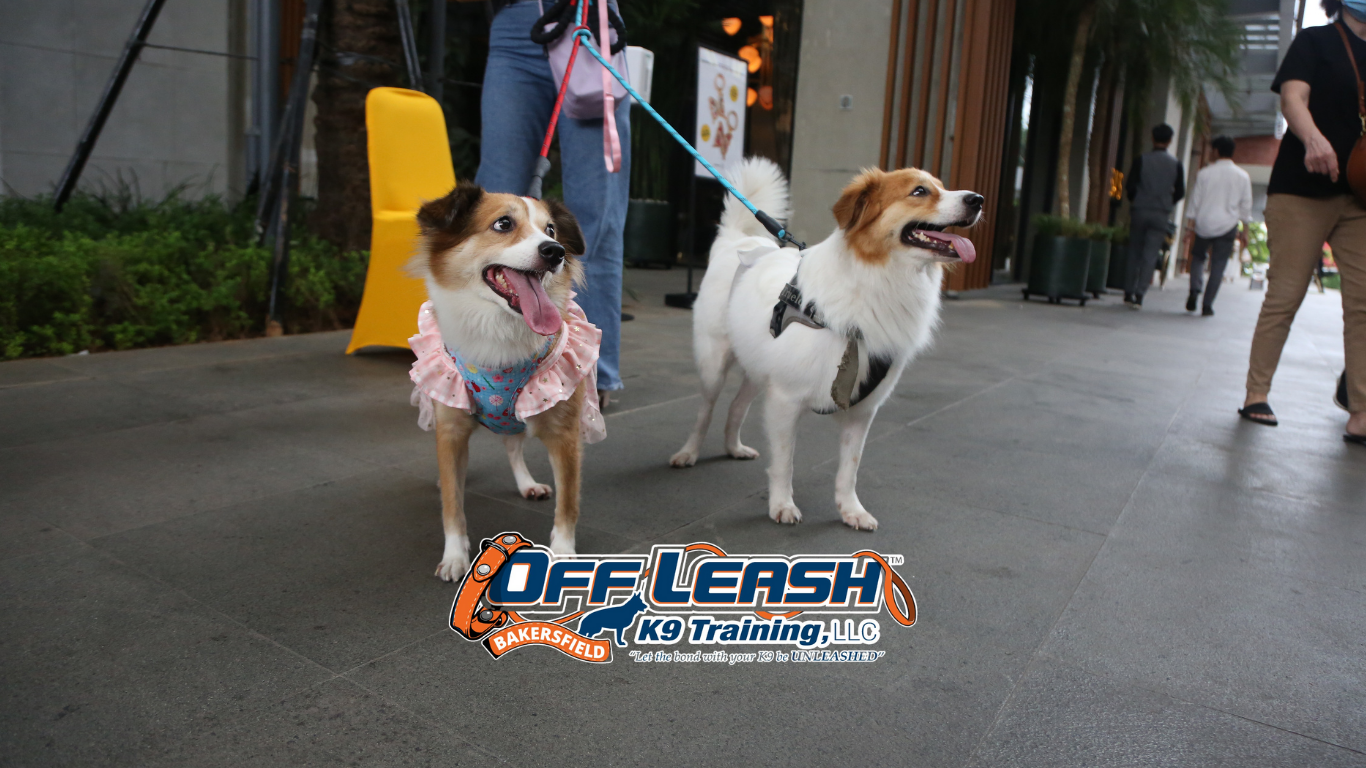
Preparing dogs for local events
How often have we seen dogs outshine their human counterparts at local events, leaving us both amused and impressed? This success doesn’t happen overnight; it takes meticulous preparation to ensure the pooches are ready. The journey includes socialization, obedience training, and acclimatizing them to a variety of environments.
Historically, dogs have been trained for centuries, and preparing for local events is no different. According to the American Kennel Club, well-prepared dogs significantly enhance event experiences, reducing stress for owners. Offering relatable solutions like exposure to crowds and practice sessions can ensure a dog performs well and remains calm during the event.
Preparing dogs for local events involves thorough socialization, consistent obedience training, and acclimatizing them to various environments. Key steps include exposing dogs to different settings, practicing commands in diverse scenarios, ensuring proper hydration and nutrition, and equipping them with necessary supplies like leashes, water bowls, and first-aid kits.
Preparing dogs for local events
Preparing dogs for local events involves a blend of discipline and patience. The first step is socialization, allowing your dog to get used to people and other animals. Attend small gatherings initially to gauge their reactions. Gradually, increase the size and complexity of the events. Consistent exposure helps build their confidence.
Training is crucial for a well-behaved dog at events. Basic commands like “sit,” “stay,” and “come” are essential. Practice these commands in different environments to ensure your dog responds well. Introducing distractions during training can be beneficial. The aim is to ensure they’re prepared for any situation.
Behavioral challenges are common in new environments. Dogs might display anxiety or excitement. Recognizing these behaviors early and addressing them is key. Positive reinforcement and rewards can help manage their behavior. Remember, it’s important to stay calm and patient.
Equip your dog with the necessary supplies for the event. Items may include a sturdy leash, water bowl, and some treats. Always have a first-aid kit handy. A comfortable collar or harness is also important. Ensuring your dog is hydrated and comfortable can make the experience enjoyable for both of you.
Key steps in preparing dogs for local events
Starting with socialization is fundamental. Introduce your dog to various scenarios and people gradually. A visit to the local park or dog-friendly café can be beneficial. Varying the environment will reduce their anxiety. Consistency in these visits establishes familiarity.
Next is the focus on obedience training. Basic commands like “sit,” “stay,” and “leave it” are essential. Practicing these commands in different settings ensures your dog understands them. Use positive reinforcement to encourage good behavior. Treats and praise work wonders.
Desensitization to sounds and movements is equally important. Start with low-level noises and gradually increase the volume. Introduce movements like bicycles or strollers. This helps them react calmly in busy environments. Patience is crucial during this process.
Lastly, equipment preparation is necessary for a successful outing. Make a checklist to ensure nothing is missed. Include items like leashes, water bottles, and portable bowls. A first-aid kit is also important. This ensures your dog’s comfort and safety during the event.
Common behavioral challenges and solutions
One common issue is excessive barking. Dogs often bark out of excitement or nervousness in new environments. To manage this, remain calm and use training techniques. Commands like “quiet” can be helpful. Reinforce this behavior with treats or affection.
Another challenge is leash pulling. Dogs may pull on the leash when they are overly excited. Practice walking with a loose leash at home first. Gradually introduce distractions in controlled environments. Consistent training helps establish proper leash manners.
Fear or anxiety can be a significant hurdle for some dogs. Recognizing triggers is the first step. Slowly expose your dog to these triggers in a controlled manner. Provide comfort and reassurance. Over time, your dog may become more comfortable.
Aggression towards other dogs or people is also problematic. Socialization and positive reinforcement play key roles here. Introducing your dog to others in neutral settings can help. Monitoring their interactions is crucial. Always reward calm and friendly behavior.
Training techniques for event environments
Training in different environments is key to preparing your dog for events. Start with quieter settings before moving to noisier ones. increasing the level of distractions helps. This technique, called desensitization, ensures your dog remains focused. Exposure to various settings builds confidence and reduces anxiety.
Basic commands like “sit,” “stay,” and “come” are essential. Practicing these commands in diverse settings reinforces their importance. Use treats and positive reinforcement to reward good behavior. List training sessions should be short but consistent. This keeps your dog engaged and attentive.
Leash training is vital for crowded environments. Teach your dog to walk beside you without pulling. Use a sturdy leash and a comfortable harness. Practice in both quiet and busy areas. Proper leash behavior ensures safety and control.
Incorporate distractions during training sessions. Introduce sounds like clapping, traffic, and other animals gradually. Reward your dog when they remain calm. Consistency is key to success. Over time, your dog will learn to ignore these distractions.
Clicker training can also be beneficial. Using a clicker helps mark desired behaviors clearly. Every time your dog obeys a command, click the device and give a treat. This method builds a strong association between the click and the reward. It’s a powerful tool in noisy and busy environments.
Maintaining a calm demeanor is essential. Dogs pick up on their owner’s stress and anxiety. Stay relaxed and composed during training. Your calmness will reassure your dog. A confident owner leads to a confident pet.
Equipment and supplies for a successful outing
Having the right equipment is crucial for a dog’s successful outing. First and foremost, a sturdy leash and comfortable harness are essential. This ensures safety and control. Always test the leash and harness at home. Make sure they fit well and are easy to use.
Hydration is key to your dog’s health. Bring along a portable water bowl and enough water for the duration. Dogs can quickly become dehydrated, especially in warm weather. Frequent water breaks are necessary. Keeping your dog hydrated keeps them comfortable and healthy.
Carrying a small first-aid kit can be a lifesaver. Items to include are bandages, antiseptic wipes, and tweezers. These can help manage minor injuries. Also, consider adding a copy of your dog’s medical records. Being prepared can ease the stress of an unexpected situation.
Don’t forget treats and toys. Treats are perfect for rewarding good behavior. Toys can keep your dog entertained. Choose durable toys that your dog loves. This can help keep them calm and occupied.
Bring waste bags to manage clean-up duties. It’s vital to clean up after your dog to maintain a healthy environment. Many public spaces provide these bags, but carrying extras is always a good idea. It ensures you’re never caught unprepared. Responsible pet ownership promotes a positive experience for everyone.
A proper ID tag is indispensable. It should include your contact information. In the event your dog gets lost, this helps ensure they are returned safely. Microchipping your dog adds an extra layer of security. These measures are essential for your peace of mind.
Ensuring your dog’s health and safety during events
Ensuring your dog’s health and safety during events begins with a pre-event checkup. Schedule a vet visit to ensure your dog is healthy. Keeping vaccinations up to date is vital. Check for any existing conditions that might need management. This is a preventive measure for any issues that could arise.
Monitoring your dog’s behavior is crucial. Signs of stress or discomfort include excessive panting or drooling. If you notice these signs, it may be best to take a break. Provide a calm space for your dog to relax. Recognizing distress signals early can prevent further issues.
Hydration plays a key role in maintaining your dog’s health. Always have fresh water available. Portable water bottles or bowls are convenient. Regular water breaks are necessary, especially in hot weather. This keeps your dog comfortable and prevents dehydration.
Be cautious about the surfaces your dog walks on. Hot pavement or rough terrain can harm their paws. Bring booties if necessary to protect their feet. In cold weather, use protective gear to keep them warm. Being mindful of surfaces ensures your dog’s comfort and safety.
Food and treats should be carefully managed. Avoid giving your dog new or unfamiliar treats during events. Stick to what you know they tolerate well. Overfeeding can lead to an upset stomach. Monitoring their intake helps maintain their well-being.
Lastly, make sure your dog is easily identifiable. Use an ID tag with current contact information. A microchip adds an extra layer of security. In crowded places, keeping your dog close is essential. These precautions help ensure your dog returns safely if they wander off.
Frequently Asked Questions
Below are some commonly asked questions related to preparing dogs for events. These will help you better understand how to ensure your dog is ready and comfortable.
1. How can I train my dog to behave in a crowd?
Start by introducing your dog to small groups and gradually increase the crowd size. Socialization in different settings helps your dog adapt. Practice commands like “sit” and “stay” in those environments. Consistency and positive reinforcement are crucial.
Use treats and praise to reward good behavior. If your dog becomes overwhelmed, give them a break to calm down. This will build their confidence and improve their ability to handle crowds over time.
2. What should I bring to a local dog event?
Essential supplies include a sturdy leash, a comfortable harness, and fresh water. Portable bowls and a first-aid kit are also vital. Bring your dog’s favorite treats and toys to keep them happy and distracted.
Waste bags are important to maintain cleanliness. A proper ID tag and possibly a microchip ensure your dog can be identified if they get lost. Having these items makes for a successful outing.
3. How do I reduce my dog’s anxiety during an event?
Familiarize your dog with the event location beforehand and practice commands in that setting. This makes the area feel less intimidating. Gradually introducing your dog to similar environments helps too.
Provide a comfort object like a favorite toy or blanket. Use calming techniques such as gentle petting and speaking softly. Keeping your own stress levels down also helps your dog stay calm.
4. How important is hydration for dogs at events?
Hydration is critical, especially in warm weather or during physical activities. Always bring enough fresh water and a portable bowl. Regular water breaks are necessary to keep your dog hydrated.
Signs of dehydration include excessive panting and drooling. If you notice these signs, make sure your dog drinks water immediately. Keeping them hydrated ensures their overall well-being.
5. What types of training are most effective for event preparation?
Obedience training, such as commands like “sit,” “stay,” and “come,” is essential. Practicing these in various settings helps. Desensitization training to handle loud noises and movements is also valuable.
Incorporate distraction training to keep your dog focused in the presence of other stimuli. Positive reinforcement works best. Short, frequent training sessions maintain your dog’s interest and improve retention.
Conclusion
Properly preparing your dog for local events is an essential step in ensuring a rewarding experience for both you and your pet. With consistency in socialization and training, your dog can become confident in various environments. The right equipment and vigilance towards their health enhance their comfort and safety.
Remember, patience is key during the preparation process. Recognize and address any behavioral issues promptly. With these steps, you and your dog can enjoy the excitement and joy that local events offer.
"*" indicates required fields