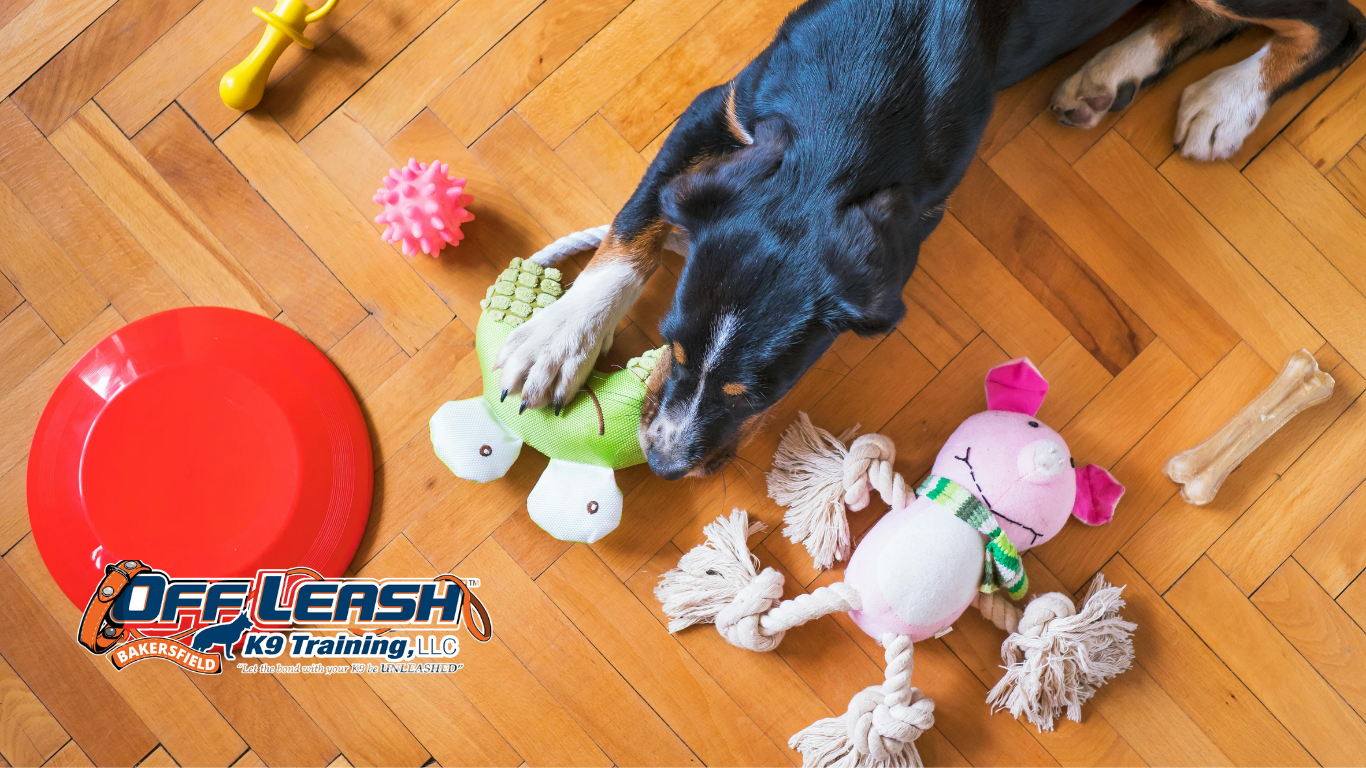
Possessive of Toys Dogs: Why Dogs Become Possessive of Toys
Possessive of Toys Dogs are more common than many owners realize. While it may seem harmless when a dog refuses to share a favorite ball or chew toy, possessive behavior can sometimes develop into resource guarding if left unaddressed. Dogs may growl, stiffen, bark, snap, or attempt to hide their toys whenever another person or animal comes close.
Many owners are surprised because their dog may be friendly in every other situation. A playful dog at the park can suddenly become protective over a tennis ball, while a gentle family pet may guard a favorite chew toy in the living room. This change in behavior often reflects how valuable the dog perceives that particular object to be.
Dogs that are possessive of toys may display behaviors such as:
- Carrying toys away from others
- Growling when approached
- Freezing over a toy
- Stiff body posture
- Barking at people or other pets
- Running away with toys
- Hiding favorite toys
- Snapping when someone reaches for a toy
- Refusing to release toys
- Guarding toy storage areas
These behaviors are usually rooted in emotion rather than dominance. A possessive dog often worries that a valued resource could be taken away. Their goal is typically to keep possession of the toy, not to intimidate others without reason.
Several factors can contribute to toy possessiveness, including:
- Competition with other dogs
- Past experiences where toys were taken away
- Genetics
- Insecurity
- High toy drive
- Lack of impulse control
- Limited training around sharing
Fortunately, toy guarding can often be improved through structured training. Teaching dogs that people approaching their toys leads to positive outcomes helps replace anxiety with trust. Trade games, impulse control exercises, and positive reinforcement encourage dogs to remain relaxed while maintaining confidence around their favorite possessions.
For Bakersfield dog owners, addressing toy possessiveness early is especially important in multi-dog households, homes with children, and during visits to parks or training classes. A dog that can enjoy toys without guarding them is safer, more confident, and easier to manage in everyday situations.
Key Takeaways
- Toy possessiveness is often a form of resource guarding.
- Dogs usually guard toys because they perceive them as valuable.
- Fear of losing the toy often drives guarding behavior.
- Early intervention prevents guarding from becoming stronger.
- Positive reinforcement builds trust.
- Trade games teach dogs that giving up toys is rewarding.
- Impulse control reduces possessive behavior.
- Avoid punishment or forcibly taking toys away.
- Professional training may be helpful for severe guarding.
- Most dogs improve with consistent, confidence-based training.
What Does “Possessive of Toys Dogs” Mean?
When dogs are possessive of toys, they become protective of items they consider valuable and may react negatively when someone or another animal approaches. This behavior is commonly known as resource guarding, and it occurs because the dog believes they need to protect something important from being taken away.
Toy possessiveness exists on a spectrum.
Some dogs simply pick up a favorite toy and carry it to another room.
Others may display more intense behaviors such as:
- Freezing over the toy
- Stiffening their body
- Growling
- Barking
- Showing their teeth
- Running away with the toy
- Snapping when someone reaches for it
The goal is usually not aggression.
Instead, the dog is attempting to keep possession of a resource they value.
Understanding this distinction is important because treating the behavior as stubbornness or dominance often leads to ineffective training.
Why Dogs Value Toys
To humans, toys are entertainment.
To dogs, toys may represent:
- A prized possession
- A hunting reward
- A comfort object
- A source of excitement
- A stress reliever
- A highly valuable resource
Different dogs assign different levels of importance to different toys.
One dog may guard a tennis ball.
Another may only guard a favorite chew toy.
Some dogs ignore toys completely.
Learning which items your dog values most helps predict situations where guarding may occur.
Why Dogs Become Possessive of Toys
Several factors influence whether a dog develops possessive behavior.
Rarely is there a single cause.
Instead, multiple influences often combine.
Natural Survival Instincts
Dogs descended from animals that survived by protecting valuable resources.
Food, shelter, and prized possessions were limited.
Protecting valuable items increased survival.
Although pet dogs now receive regular care, these instincts still exist.
The brain naturally treats valuable resources as worth protecting.
Previous Experiences
Past experiences strongly influence future behavior.
Examples include:
- Toys being taken away unexpectedly
- Competition with other dogs
- Losing valuable objects
- Negative interactions around possessions
If a dog repeatedly experiences having toys removed, they may begin guarding them more carefully.
Learning Through Association
Dogs constantly learn from outcomes.
For example:
A person reaches for the toy.
The toy disappears.
The dog learns:
“People approaching my toy means I lose it.”
Next time, the dog may growl before the toy is removed.
The growl becomes an attempt to prevent the loss.
Genetics and Personality
Some dogs naturally value toys more than others.
Breed tendencies, personality, and individual temperament all influence resource guarding.
Highly toy-driven dogs often include:
- Labrador Retrievers
- Golden Retrievers
- Belgian Malinois
- Border Collies
- Australian Shepherds
However, any breed can become possessive.
Resource Guarding vs. Normal Play
Not every dog that protects a toy is resource guarding.
Normal play and guarding look very different.
Understanding the difference helps owners respond appropriately.
Normal Play Includes:
- Chasing toys
- Tug games
- Fetch
- Carrying toys proudly
- Inviting interaction
- Dropping toys willingly
The dog remains relaxed and social.
Resource Guarding Includes:
- Freezing
- Stiff posture
- Growling
- Snapping
- Moving away with the toy
- Blocking access
- Hard staring
- Refusing to release
The emotional state changes noticeably.
The dog’s focus shifts from enjoying the toy to protecting it.
Why Context Matters
Many dogs willingly play fetch in the yard.
The same dog may guard a chew toy indoors.
The difference lies in perceived value.
Higher-value resources create stronger emotional investment.
Early Warning Signs
Resource guarding rarely begins with biting.
Most dogs communicate discomfort long beforehand.
Early signs include:
- Looking away
- Picking up the toy quickly
- Walking away
- Hovering over the toy
- Increased alertness
Recognizing these subtle signals helps owners intervene before behavior escalates.
The Role of Insecurity and Competition
Many possessive dogs are not trying to dominate others.
Instead, they worry about losing something valuable.
This emotional insecurity often drives guarding behavior.
Competition Between Dogs
Multi-dog households sometimes increase toy guarding.
Dogs may compete for:
- Balls
- Rope toys
- Chews
- Stuffed animals
- Frisbees
Even if no conflict occurs, simply having another dog nearby can increase tension.
Some dogs begin guarding preemptively.
Competition With People
Dogs may also guard toys from humans if they believe people frequently remove valued items.
Repeatedly taking toys away without offering something positive may unintentionally strengthen guarding behavior.
Teaching dogs that people approaching predict good things instead of loss helps rebuild trust.
Why Puppies Can Become Possessive
Puppies are still learning about resources.
Without guidance, they may believe they need to protect favorite toys.
Early positive experiences with trading games and gentle handling help prevent guarding from becoming a long-term habit.
Body Language Before Guarding
Dogs almost always communicate before displaying aggressive behavior.
Recognizing these signals protects both dogs and people.
Common warning signs include:
- Freezing
- Stiff muscles
- Hard eye contact
- Lowered head
- Hovering over the toy
- Lip lifting
- Growling
- Closed mouth
- Tail becoming still
- Ears pinned back
These signals communicate:
“I am uncomfortable.”
Ignoring these warnings increases the likelihood of escalation.
Escalation Happens Gradually
Most guarding behaviors follow a predictable pattern.
The dog may first:
- Look away.
- Pick up the toy.
- Walk away.
If ignored, they may:
- Freeze.
- Growl.
- Show teeth.
Only if these signals fail might the dog snap or bite.
Respecting early communication reduces conflict.
Emotional Regulation Around Valued Resources
Dogs that guard toys often struggle with emotional regulation.
The appearance of a valuable object causes excitement and anxiety simultaneously.
Instead of calmly enjoying the toy, the dog becomes preoccupied with keeping possession of it.
Training should focus on helping dogs remain emotionally balanced around valuable resources.
Helpful exercises include:
- Trade games
- Leave It
- Drop It
- Place training
- Impulse-control exercises
- Rewarding voluntary toy releases
- Positive reinforcement around toy exchanges
These activities teach dogs that giving up a toy does not mean losing it forever. Instead, they learn that people approaching often predict rewards, praise, or an even better opportunity. As trust grows and emotional regulation improves, many dogs become far more relaxed around their favorite toys, reducing the need to guard them and creating safer, more enjoyable interactions with both people and other pets.
Common Owner Mistakes
When dogs are possessive of toys, owners often respond with good intentions but accidentally increase guarding behavior. Because resource guarding is driven by emotion, not stubbornness, the goal should be to build trust instead of creating conflict.
Recognizing these common mistakes helps dogs feel safer and more confident around their favorite toys.
Taking Toys Away Without Warning
One of the most common mistakes is repeatedly removing toys from a dog’s mouth without offering anything in return.
For example:
- Walking over and grabbing a ball
- Pulling a chew toy away
- Taking a bone without warning
- Removing toys whenever playtime ends
From the dog’s perspective, people approaching always predict loss.
Over time, the dog may begin guarding earlier by:
- Picking up the toy quickly
- Walking away
- Freezing
- Growling
Instead, teach your dog that giving up a toy leads to something positive.
Punishing Growling
It tells you the dog feels uncomfortable.
Punishing a growl may stop the sound temporarily, but it does not remove the underlying emotion.
In some cases, dogs learn to skip the warning and react more suddenly.
Instead of correcting the growl, focus on changing how the dog feels about someone approaching.
Chasing the Dog
Some dogs grab a toy and run away.
Owners naturally chase them to retrieve it.
Unfortunately, this often becomes a game while also reinforcing the dog’s belief that people always try to take toys away.
Instead:
- Stay calm.
- Call your dog.
- Offer a trade.
- Reward voluntary returns.
Allowing Competition Between Dogs
In multi-dog households, leaving several dogs alone with high-value toys can increase tension.
Competition over:
- Tennis balls
- Rope toys
- Chews
- Stuffed toys
may strengthen guarding behavior.
When necessary, provide valuable toys separately to prevent conflict while training progresses.
Expecting Immediate Improvement
Resource guarding usually develops over time.
Changing emotional responses also takes time.
Small, consistent successes create lasting improvement.
Teaching Dogs to Share and Trade Toys
The goal is not to force sharing.
The goal is to teach dogs that people approaching toys predict positive experiences.
Trust replaces anxiety.
Teach the Trade Game
Trading is one of the safest and most effective exercises.
Offer your dog:
- A favorite toy
Then present:
- A high-value treat
When your dog voluntarily releases the toy:
- Mark the behavior.
- Give the treat.
- Return the toy whenever appropriate.
Returning the toy teaches the dog that releasing it does not always mean losing it forever.
Practice “Drop It”
Teach “Drop It” away from stressful situations.
Begin with low-value toys before progressing to more valuable items.
Reward every successful release generously.
Eventually, your dog learns:
“Letting go creates good things.”
Reward Calm Handling
Occasionally approach while your dog enjoys a toy.
Instead of taking it:
- Drop a treat nearby.
- Walk away.
This simple exercise changes the association.
Instead of thinking:
“They’re taking my toy.”
The dog begins expecting:
“People approaching bring rewards.”
Teach Impulse Control
Exercises that strengthen emotional regulation include:
- Place
- Stay
- Leave It
- Wait
- Settle
- Delayed rewards
These skills help dogs think before reacting.
Supervise Play
When children or other pets are present:
- Watch interactions carefully.
- Avoid forcing sharing.
- Separate dogs if tension develops.
- End play before emotions escalate.
Successful management prevents guarding from becoming a practiced habit.
Possessive of Toys Dogs in Bakersfield
Many Bakersfield dog owners enjoy activities involving toys, including:
- Fetch at neighborhood parks
- Frisbee games
- Tug sessions
- Training classes
- Dog-friendly outdoor spaces
While these activities are excellent for exercise and enrichment, they can also reveal toy guarding behaviors if a dog feels insecure about losing valuable resources.
Professional dog training helps Bakersfield owners improve:
- Resource guarding prevention
- Impulse control
- Toy manners
- Drop It reliability
- Emotional regulation
- Confidence around people and other dogs
Structured training builds trust while reducing conflict around valued possessions.
Long-Term Benefits of Trust-Based Training
Helping dogs feel safe around their toys improves much more than playtime.
Benefits include:
- Reduced guarding
- Greater trust
- Better impulse control
- Improved obedience
- Safer family interactions
- Better multi-dog relationships
- Reduced anxiety
- Increased confidence
- Better emotional regulation
- More enjoyable play sessions
Dogs that trust people around valuable resources rarely feel the need to protect them.
Frequently Asked Questions
1. Why is my dog possessive of only one toy?
Dogs assign different values to different objects. A favorite ball, chew, or stuffed toy may simply be much more important than other toys.
2. Is toy guarding the same as aggression?
No. Resource guarding is usually motivated by fear of losing something valuable rather than a desire to be aggressive.
3. Should I take my dog’s toy away to show I’m in charge?
4. Can puppies develop toy guarding?
Yes. Puppies can begin guarding valuable items early in life. Positive trade games and gentle handling help prevent the behavior from becoming established.
5. What should I do if my dog growls over a toy?
Respect the warning by avoiding confrontation. Assess the situation calmly and work on trust-building exercises rather than punishing the growl.
6. Can two dogs safely share toys?
Some can, while others cannot. Supervise play closely and separate dogs if competition or tension develops.
7. Is “Drop It” enough to solve guarding?
No. While “Drop It” is helpful, improving your dog’s emotional response through trust-building and positive associations is equally important.
8. Can professional training help?
Yes. Professional trainers can create individualized plans that improve emotional regulation, confidence, and safe resource-sharing behaviors.
9. How long does it take to improve toy guarding?
Progress varies. Mild cases may improve within weeks, while more established guarding behaviors often require several months of consistent practice.
10. Will my dog ever enjoy toys without guarding them?
Most dogs make significant progress when they learn that people approaching toys predict rewards instead of loss. Patience and consistency are essential.
Comprehensive Conclusion
Possessive of Toys Dogs often guard their favorite toys because they view them as valuable resources worth protecting. Rather than acting out of dominance or defiance, these dogs are usually responding to an emotional concern that something important might be taken away. Recognizing this underlying motivation allows owners to address the behavior with patience and trust instead of confrontation.
The most effective approach is to replace anxiety with positive expectations. Trade games, impulse-control exercises, and rewarding voluntary toy releases help dogs discover that people approaching their possessions often lead to good experiences rather than loss. Over time, these repeated positive interactions reduce the need to guard and encourage more relaxed, confident behavior.
For Bakersfield dog owners, addressing toy possessiveness early is especially important in homes with children, multiple pets, or dogs that frequently visit parks, training classes, or other social settings. Teaching reliable skills such as Drop It, Leave It, and Place, while carefully managing valuable toys, helps create safer interactions and stronger trust between dogs and their families.
Ultimately, successful training is about building confidence, not winning a contest over a toy. When dogs learn that their owners are predictable, fair, and rewarding, they become less concerned about protecting their possessions. The result is a calmer, more emotionally balanced companion that can enjoy playtime without anxiety, making everyday life safer and more enjoyable for everyone in the household.
Website Contact Form
"*" indicates required fields