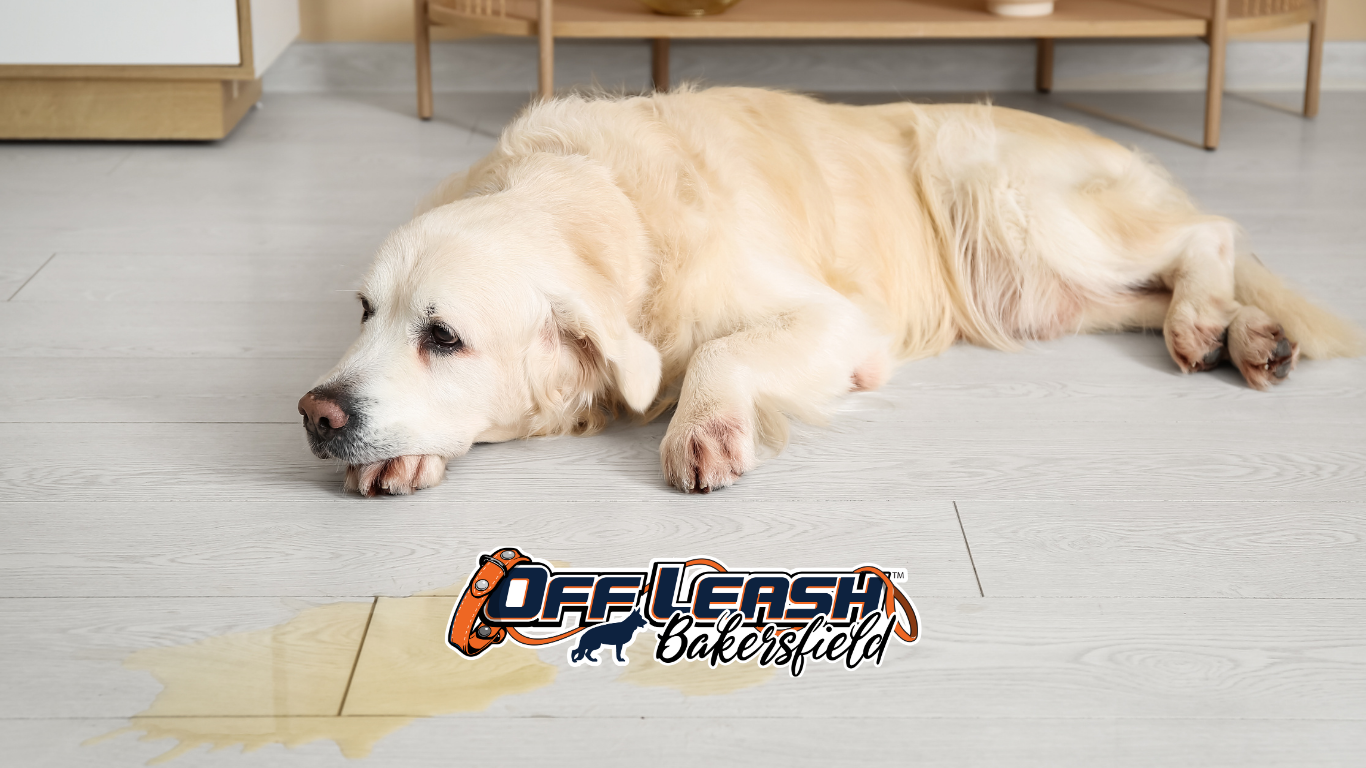
Why Is My Dog Peeing in the House?
Have you ever considered that your dog might be peeing in the house not out of defiance but possibly due to underlying issues? Understanding the reasons behind this behavior is crucial for creating effective solutions. It might be surprising, but indoor urination often signals much deeper concerns.
Historically, dogs are creatures of habit, and changes in their environment or health can trigger urinary accidents. A staggering 20% of house-soiling cases in dogs are due to medical conditions such as incontinence or urinary tract infections. Addressing these root causes with proper diagnostic approaches and veterinary intervention can significantly reduce indoor accidents.
Dogs may pee in the house due to medical issues like urinary tract infections or incontinence, behavioral triggers such as stress or insufficient training, environmental changes, or a lack of access to outdoor spaces. Identifying the root cause through observation and veterinary consultation is essential for effective resolution.
Why Is My Dog Peeing in the House?
When dogs start peeing inside the house, it can be puzzling and frustrating for owners. Sometimes, medical conditions such as urinary tract infections or bladder stones are to blame. These conditions cause discomfort and frequent urination, making it hard for dogs to control their bladder. A visit to the vet can help identify and treat any underlying health issues.
Behavioral reasons also play a significant role in house soiling. Dogs might urinate indoors due to stress or anxiety, which could stem from changes in the home environment. Moving to a new house, the arrival of a new baby, or even loud noises can be stressful for dogs. Training and providing a comforting environment can help alleviate this issue.
Another factor to consider is environmental influences. Dogs are creatures of habit and disruptions in their usual routine can lead to accidents indoors. Furthermore, if their usual outdoor bathroom spot is inaccessible or the weather is extreme, dogs may avoid going outside. Providing consistent routines and an alternative indoor potty area might reduce these occurrences.
To address indoor urination effectively, owners need to identify the root cause. Keeping a close eye on when and where accidents occur can provide valuable clues. Additionally, making sure the dog follows a regular schedule for feeding, exercise, and bathroom breaks is essential. Implementing positive reinforcement techniques for proper bathroom habits also reinforces good behavior.
Common Medical Reasons Behind Indoor Urination
Dogs can experience indoor urination due to a variety of medical conditions. Urinary tract infections (UTIs) are a leading cause, as they make urination painful and frequent. Symptoms of UTIs include frequent licking of the urinary opening and blood in the urine. If you notice these signs, a prompt visit to the vet is necessary.
Another common medical issue is incontinence, especially in older dogs. This condition often leads to leaking urine while the dog is resting or sleeping. Hormonal imbalances or neurological problems are typical causes. Medication and management strategies can help control incontinence effectively.
Bladder stones can also lead to accidents indoors. These stones cause discomfort and block the urinary passage, making it difficult for dogs to hold their urine. Common signs include straining during urination and frequent attempts to urinate. Surgical removal or a special diet can resolve this issue.
Chronic kidney disease is yet another concern that can lead to house soiling. Affected dogs often drink more water, leading to increased urination. They may not always make it outside in time. Regular check-ups and proper care can help manage this condition.
Behavioral Triggers for House Soiling in Dogs
Behavioral issues can significantly contribute to house soiling in dogs. Anxiety and stress are common triggers. Changes in the home environment, such as new pets or family members, can cause your dog to feel insecure. This can lead to inappropriate urination as a response to the stress.
Another behavioral cause is insufficient potty training. Puppies and newly adopted dogs may not have fully grasped where and when they should relieve themselves. Consistent training and positive reinforcement are essential. Make sure to take your dog out regularly and reward them for going outside.
Territorial marking is also a behavioral issue that leads to indoor accidents. This behavior is common in unneutered males but can occur in any dog. They mark their territory to send messages to other dogs. Neutering or spaying can significantly reduce this behavior.
Separation anxiety can cause dogs to urinate indoors as well. Dogs with this condition may urinate when left alone, even for short periods. Signs include excessive barking, destructive behavior, and howling. Working with a professional trainer or behaviorist can help mitigate separation anxiety symptoms.
Environmental Factors That Influence Indoor Accidents
Environmental factors can play a significant role in why dogs have accidents indoors. Weather is one major factor; extreme heat, cold, or rain can deter dogs from going outside. They may prefer the comfort of indoors rather than facing harsh weather conditions. Providing a sheltered area or using doggy raincoats can encourage outdoor trips.
Changes in the household environment can also impact a dog’s bathroom habits. Renovations, new furniture, or even new carpets can confuse your dog about where they should go. Stick to a consistent area outside and reinforce this location to avoid confusion. Consistency helps establish a reliable routine.
Access to outdoor spaces is crucial as well. If a dog’s usual outdoor area becomes inaccessible due to fencing, gates, or other blockages, it can lead to indoor accidents. Ensure that all exits are accessible to your dog. Consider installing doggy doors for easier access to the yard.
Routine disruption is another environmental factor. Busy schedules or irregular routines can confuse dogs about their bathroom times. Maintaining a regular schedule for feeding, walking, and bathroom breaks aids in preventing accidents. Consistency and routine are key elements in successful house training.
Introducing new animals to the environment can lead to changes in a dog’s bathroom habits. This may cause stress or provoke territorial marking. Gradual introductions and supervised interactions can help reduce such stress. A calm and stable environment is beneficial for all pets involved.
Effective Strategies to Prevent Indoor Urination
Training is one of the most effective strategies to prevent indoor urination. Consistent and positive reinforcement techniques work best. When your dog urinates outside, reward them with treats or praise. This helps them associate going outside with positive experiences. Patience is key, as training can take time.
Maintaining a regular schedule is also critical. Dogs thrive on routine, so keep feeding, walking, and bathroom times consistent. This helps regulate their bathroom habits. If you’re away for long periods, hiring a dog walker can help. Regular exercise and potty breaks are essential.
- Provide easy access to outdoor areas
- Utilize puppy pads or indoor doggy restrooms
- Keep an eye on your dog for signs they need to go
Proper hydration is equally important. Ensure your dog has access to fresh water but limit intake before bedtime. This reduces the likelihood of nighttime accidents. Additionally, monitoring their diet can help control their bathroom habits. Avoid feeding them right before bed to maintain a manageable schedule.
When medical issues are suspected, consult a veterinarian immediately. Some medical conditions require specific treatment or management plans. Ignoring potential health problems can worsen the situation. A vet can provide tailored advice and treatment options suited to your dog’s needs.
When to Seek Professional Veterinary Help
Recognizing when to seek professional veterinary help is crucial for your dog’s health. If your dog suddenly starts urinating indoors after being house-trained, it could signal a medical issue. Consistent accidents paired with symptoms like lethargy, vomiting, or a change in appetite require immediate attention. Promptly consulting with a veterinarian ensures timely diagnosis and treatment.
Frequent urination or strain during urination can be signs of underlying conditions. Problems such as urinary tract infections, kidney disease, or diabetes need professional intervention. These conditions can be painful and lead to more severe issues if left untreated. Regular vet visits help monitor your dog’s health and catch problems early.
Unusual behavior changes in your dog often warrant a vet visit. If your dog appears anxious, disoriented, or is excessively licking their genital area, they might be uncomfortable or in pain. Behavioral shifts coupled with accidents should not be ignored. Veterinary professionals can assess both physical and emotional health concerns.
For senior dogs, frequent indoor urination may indicate age-related issues. Conditions like arthritis or cognitive dysfunction can make it challenging for older dogs to get outside. A vet can recommend treatments or management plans to improve their quality of life. Medication and lifestyle adjustments can offer significant relief.
Chronic indoor urination despite consistent training and environmental adjustments is another red flag. Dogs who continue to have accidents may have complex medical issues that require specialized care. Veterinarians can perform tests to identify less obvious conditions. Seeking their expertise can lead to a tailored treatment plan for your dog.
Frequently Asked Questions
Understanding why your dog pees in the house requires addressing various scenarios. Below are some commonly asked questions to help you navigate this issue.
1. How can I tell if my dog has a urinary tract infection?
If your dog frequently asks to go outside but produces little to no urine, it could have a UTI. Other symptoms include straining to urinate and possible blood in the urine. Observing these signs should prompt a visit to the vet for a proper diagnosis and treatment plan.
Dogs with UTIs may also seem more lethargic or exhibit discomfort around their abdomen. Timely medical care can ensure quick recovery and prevent further complications. Your vet may recommend antibiotics and increased water intake to help flush the urinary system.
2. What are some behavioral reasons for house soiling?
Dogs might urinate indoors due to anxiety, especially during changes in their environment. Moving to a new home, a new family member, or loud noises can cause stress. Consistent training and positive reinforcement can help alleviate these behaviors.
Another behavioral reason is insufficient potty training. Puppies and newly adopted dogs may not have learned where to relieve themselves properly. Regular bathroom breaks and rewarding them for going outside can help establish good habits.
3. What should I do if my senior dog is urinating indoors?
Senior dogs may face age-related issues like incontinence or arthritis, making it hard for them to hold their urine or get outside. Medications and lifestyle adjustments can often help mitigate these issues. Consult your veterinarian for specific advice tailored to your dog’s needs.
Providing easy access to outdoor areas and placing absorbent pads indoors can also help manage accidents. A consistent routine and regular vet check-ups are essential for maintaining your senior dog’s quality of life.
4. How can diet impact my dog’s urination habits?
Diet plays a significant role in your dog’s bathroom habits. Giving your dog a balanced diet with the right amount of fiber can regulate their digestive system. Certain foods and additives might lead to increased water intake, thereby causing more frequent urination.
Consulting your vet about a suitable diet can prevent urinary issues. A proper diet ensures your dog is hydrated but not excessively, helping maintain a balanced urination routine.
5. Can spaying or neutering affect indoor urination?
Spaying or neutering can significantly reduce the likelihood of territorial marking. This behavior is common in unneutered dogs and involves urinating to mark territory. After the procedure, many dogs show a marked decrease in this behavior.
However, it’s essential to note that spaying or neutering is not a cure-all for behavioral issues. Consistent training and positive reinforcement remain crucial in managing and preventing indoor urination.
Conclusion
Addressing the issue of indoor urination in dogs involves understanding the root causes, whether medical, behavioral, or environmental. Immediate consultation with a veterinarian is advised for suspected health issues. Ensuring a consistent routine and training helps in managing behavioral triggers effectively.
Each dog’s situation is unique, requiring tailored strategies for prevention and management. By providing a stable environment and appropriate care, you can significantly reduce indoor accidents. This holistic approach promotes a healthier and happier life for your furry companion.
"*" indicates required fields