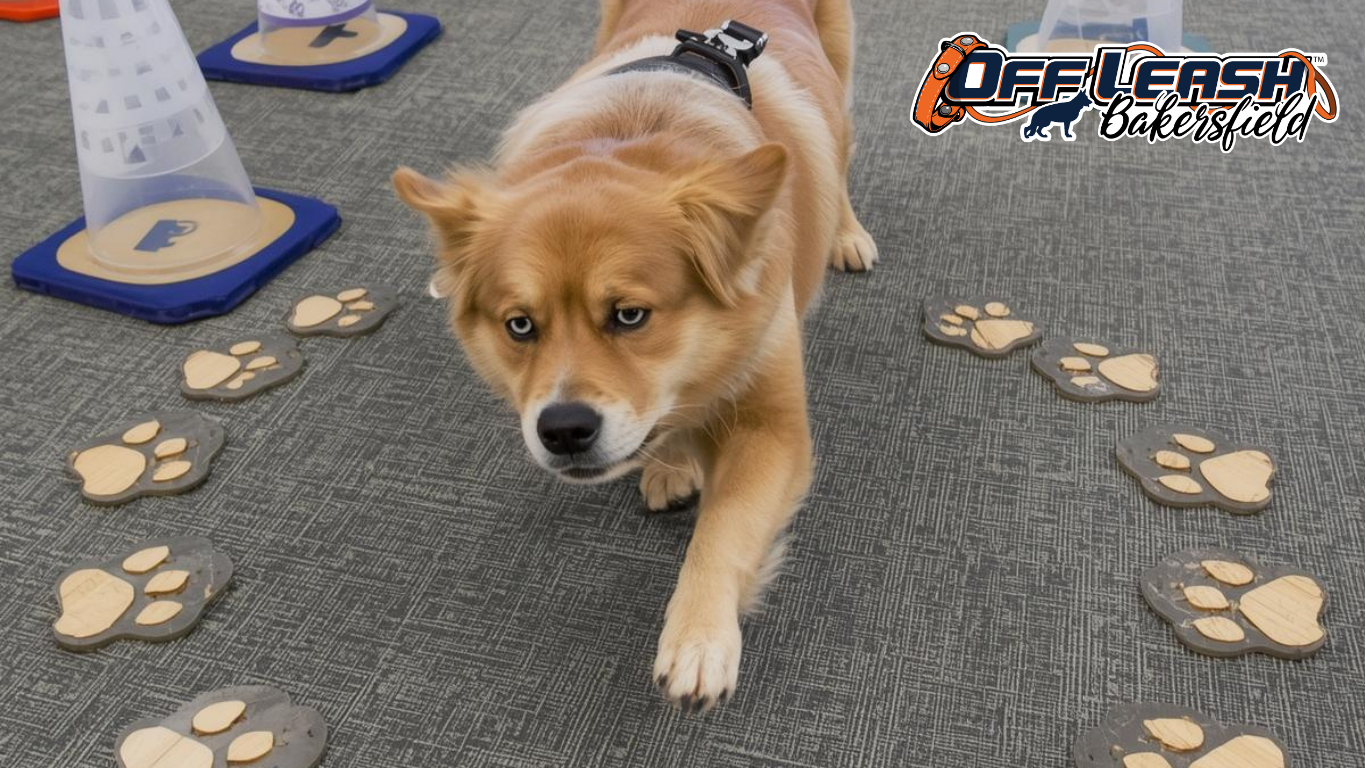
Pattern Games For Dogs That Build Confidence and Control
Ever watched a truly confident dog navigate an obstacle course with ease and wondered how they got there? It’s not just innate talent; it involves strategic training through pattern games. These games, designed to build routine and predictability, provide the structure that both boosts a dog’s confidence and enhances their control over responses.
Historically, trainers emphasized obedience drills, but today’s approach integrates engaging activities that stimulate a dog’s mental agility. For instance, the “1-2-3 Game” not only nurtures a dog’s self-assurance but also teaches impulse control—a crucial trait for real-world situations. Studies show that consistent pattern games can reduce anxiety-related behaviors by up to 30%, reinforcing the dog’s sense of security and predictability.
Pattern games, such as “1-2-3 Game” and “Up-and-Down,” help dogs build confidence and control by providing predictable sequences and enhancing focus. Through regular practice, these games reduce anxiety, improve impulse control, and strengthen the bond between dogs and their owners. They are effective for training and behavioral adjustment.
Pattern Games For Dogs That Build Confidence and Control
Pattern games are an effective way to help dogs feel more confident and in control. By repeating specific actions and sequences, dogs start to predict what comes next, reducing anxiety. These games create a sense of stability and familiarity, which is beneficial for dogs that might be easily stressed or fearful. Additionally, these games can be done anywhere, making them convenient for daily practice.
One popular pattern game is the “1-2-3 Game.” In this game, the owner counts out loud and gives a treat at the count of three. Consistency is key, so the dog knows what to expect each time. This repetition helps the dog focus on the task and builds their confidence. Over time, it improves their impulse control, an essential aspect of training.
Another engaging pattern game is “Up-and-Down.” Here, the dog follows a treat held by the owner in a specific up-and-down motion. The dog learns to follow movement cues, which strengthens their ability to concentrate. This game is particularly useful for dogs that get easily distracted. It’s also a fun way to practice basic commands like “sit” and “down.”
Introducing a variety of pattern games can keep training sessions exciting. Using games like “Ping Pong” or “Find It,” owners can address different training goals. “Ping Pong” involves tossing a treat back and forth to encourage quick movements, while “Find It” hides treats for the dog to discover using their nose. Mixing up these games helps maintain the dog’s interest and keeps training enjoyable.
Understanding the Basics of Pattern Games
Pattern games for dogs are designed to create predictability and structure. These games involve repeating specific actions, making it easier for dogs to anticipate what happens next. This predictability can significantly reduce a dog’s anxiety and help them feel more secure. By consistently practicing these routines, dogs learn to expect positive outcomes and become more confident in different situations.
Pattern games work by tapping into a dog’s natural ability to recognize patterns. For instance, a simple game might involve the dog sitting before receiving a treat each time. The repetition helps them understand the behavior that leads to a reward. Over time, this process reinforces good manners and encourages focus.
There are several basic pattern games that can be easily introduced to your dog. Some of these include the “1-2-3” game, where a treat is given on the count of three, and “Up-and-Down,” which involves moving a treat up and down to guide the dog’s movements. These games not only build confidence but also keep training sessions fun and engaging. Implementing these games is straightforward and can be adapted to suit a dog’s individual needs.
When teaching pattern games, it’s important to start simple and build gradually. Begin with easy patterns, like a short sequence of steps, and then introduce more complex ones as your dog becomes more confident. This step-by-step approach helps ensure that your dog remains engaged and successfully learns the new patterns. Always celebrate small victories and keep the sessions positive, reinforcing your dog’s progress throughout the training.
Benefits of Engaging Dogs in Pattern Games
Engaging dogs in pattern games brings numerous benefits that go beyond basic training. One of the key advantages is building the dog’s confidence. By knowing what to expect through repeated patterns, dogs feel more secure and less anxious. This sense of predictability helps them manage stress better. Over time, they become more resilient and adaptable in various situations.
Pattern games also enhance a dog’s focus and concentration. These games require dogs to pay attention to specific cues and sequences. As they successfully follow these patterns, their ability to concentrate improves significantly. This heightened focus is invaluable during more advanced training and real-life scenarios, ensuring better responsiveness and obedience.
Beyond mental benefits, pattern games provide physical exercise too. Activities like “Ping Pong” involve quick movements, ensuring the dog burns energy in a controlled manner. Regular engagement in such games can contribute to overall physical well-being. Paired with mental stimulation, this combination helps maintain a balanced, healthy lifestyle for dogs.
Involving dogs in these games can strengthen the bond between the dog and the owner. Through regular practice, a strong connection and trust are built. Enhanced communication during these games fosters a deeper understanding and cooperation. This relationship improves the effectiveness of training and creates a positive environment for learning.
Most Popular Pattern Games Recommended by Trainers
Trainers often recommend the “1-2-3 Game” for its simplicity and effectiveness. In this game, owners count out loud, and when they reach three, they give their dog a treat. This consistent sequence helps dogs anticipate what will happen next. The repetition reduces anxiety and boosts confidence. It’s a straightforward way to introduce pattern training.
The “Up-and-Down” game is another favorite among trainers. Using a treat, owners guide their dog’s head up and down, encouraging them to follow the motion. This game helps improve focus and teaches the dog to follow visual cues. Additionally, it can be a fun way for dogs to practice commands like “sit” and “down.” Regular involvement in this game enhances obedience skills.
Trainers also frequently use the “Ping Pong” game to add some excitement. In this game, treats are tossed back and forth, and the dog chases after them. This game not only provides physical exercise but also sharpens response time. It’s particularly useful for high-energy dogs that need a way to channel their energy. The quick movements keep the dog engaged and attentive.
The “Find It” game is recommended for stimulating a dog’s natural hunting instincts. Treats are hidden in different locations, and the dog uses their sense of smell to locate them. This game encourages problem-solving and enhances the dog’s scent-tracking abilities. It’s an excellent choice for keeping dogs mentally active. Plus, it can be played indoors or outdoors, making it versatile.
Lastly, trainers often suggest the use of the “Touch” game. In this game, a target, such as a hand or a specific object, is presented, and the dog is rewarded for touching it with their nose or paw. This game can be used to teach dogs to follow directions or focus on specific targets. It’s great for building communication between the dog and the owner.
Choosing the Right Pattern Game for Your Dog’s Personality
Selecting the right pattern game for your dog depends on their individual personality and energy levels. High-energy dogs may benefit from dynamic games like “Ping Pong” which require quick movements and keep them engaged. These games channel their energy in a productive way, helping them to stay focused. Meanwhile, more relaxed, laid-back dogs might enjoy gentler games that require less physical activity. Finding a balance is crucial to keep your dog interested and motivated.
For dogs that are naturally curious and enjoy problem-solving, games like “Find It” are ideal. These dogs thrive on using their senses and figuring out the hidden treats. Such games stimulate their minds and provide the mental challenge they crave. Engaging them in these activities helps prevent boredom and promotes overall mental well-being. It’s a great way to keep inquisitive dogs entertained.
If your dog is easily distracted, games focusing on attention skills, such as “Up-and-Down,” are beneficial. These games teach dogs to follow visual cues and concentrate on specific tasks. Over time, their ability to stay focused improves, which is helpful in various training scenarios. Consistency in playing such games builds their concentration and response to commands. It’s particularly useful for young or excitable dogs.
For more anxious or timid dogs, starting with simple games like “1-2-3” can build confidence. These games provide a predictable sequence, making the dog feel secure. By gradually increasing the difficulty, owners can help their dogs gain confidence in more complex situations. Making the experience positive and calm is essential for these dogs. Encouragement and patience go a long way.
Here are some factors to consider when choosing a pattern game for your dog:
- Energy level: High-energy or laid-back.
- Curiosity: Enjoys problem-solving or prefers simple tasks.
- Focus: Easily distracted or attentive.
- Temperament: Confident or anxious.
By observing your dog’s behavior and preferences, you can better tailor the games to suit their personality. This approach ensures that training remains effective and enjoyable for both the dog and the owner. Regularly switching up the games also keeps your dog excited about learning new skills. Conclusively, the right game can make a significant difference in your dog’s development.
Implementing Pattern Games into Your Dog’s Training Routine
Integrating pattern games into your dog’s training routine can be straightforward and rewarding. Start with a few minutes each day dedicated to these games. Consistency is key, so choose times when you and your dog are both relaxed and can focus completely. Gradually increase the duration as your dog becomes more comfortable with the activities. This way, the dog remains engaged without feeling overwhelmed.
Create a schedule that includes different pattern games to keep things interesting. For example, you could play “1-2-3” on Mondays, “Up-and-Down” on Wednesdays, and “Find It” on Fridays. Mixing up the routine ensures your dog doesn’t get bored and continues to develop new skills. This varied approach also helps to reinforce a broader range of commands and behaviors. Use treats or favorite toys to motivate and reward your dog.
It’s important to adapt the games based on your dog’s progress and comfort level. If a game seems too challenging, simplify it until your dog gains confidence. Conversely, if it appears too easy, add complexity to maintain a suitable level of difficulty. Observing your dog and making necessary adjustments keeps the training effective. Providing positive reinforcement at every stage is crucial for success.
Practicing these games in different environments can further enhance their effectiveness. Start indoors where distractions are minimal, then gradually introduce outdoor settings like your yard or a quiet park. This gradual exposure helps your dog generalize the learned behaviors to various scenarios. As a result, your dog will likely remain focused and responsive, even in more distracting environments.
The Impact of Routine Pattern Games on a Dog’s Behavior
Regular engagement in pattern games can significantly enhance a dog’s behavior. These games teach dogs to anticipate positive outcomes from disciplined actions, fostering better manners. Consistent practice helps reduce anxiety by providing structure and predictability in their daily lives. This stability is particularly beneficial for dogs that struggle with stress or new environments. Over time, they become more confident and calm.
One noticeable impact of routine pattern games is improved focus. Through repeated sequences, dogs learn to concentrate on specific tasks and follow through to completion. This heightened concentration translates to quicker responses during training sessions and real-world situations. In addition, it can help mitigate distractions, which are often a challenge during outdoor activities or busy settings. Enhanced focus reinforces overall obedience.
Another benefit lies in the physical exercise these games provide. Active participation keeps dogs physically fit while offering mental stimulation as well. This combination ensures that dogs are not only healthy but also less likely to develop behavioral problems like excessive barking or destructive chewing due to boredom. Exercising both mind and body is crucial for balanced development.
Pattern games also strengthen the bond between dog and owner. Regular play sessions build trust and understanding, enhancing communication skills. As dogs recognize patterns and respond accurately, owners gain confidence in their pet’s abilities and commitment improves the relationship quality substantially.
Success Stories: Transformations Achieved Through Pattern Games
Pattern games can lead to remarkable transformations in a dog’s behavior and confidence. For example, take Bear, a formerly anxious and restless dog. His owner introduced pattern games like “1-2-3” and “Up-and-Down,” which helped ease his anxiety. Over a few months, Bear became more relaxed, responding well to commands and displaying better overall behavior. His improvement boosted the confidence of both Bear and his owner.
Daisy, another success story, struggled with focus and impulsiveness. Trainers recommended incorporating “Ping Pong” and “Touch” games into her routine. These activities channeled her energy positively, significantly improving her attention span. Within weeks, Daisy was able to follow cues more precisely and remain calm in distracting environments. This change made walks and social interactions much more enjoyable.
Max, a shy and timid dog, gained confidence through pattern games. Starting with simple games like “1-2-3,” Max’s owner gradually introduced more complex sequences, building his courage step by step. As Max grew more accustomed to the predictable nature of these games, his confidence soared. He began engaging more during training and even started excelling in agility courses.
Lucy, a rescue dog with a history of neglect, displayed tremendous progress through pattern games. Initially wary of new situations, she responded well to the structured format these games provided. Over time, Lucy’s cautious behavior transformed into enthusiastic participation. The games not only taught her basic commands but also helped her trust her new environment and family.
Rex, known for his hyperactivity, found balance through pattern games. Games like “Find It” kept him mentally engaged while helping him burn off excess energy. This structured play improved his impulse control and overall behavior. His family noticed a significant decrease in restless activities and more mindful responses to commands.
Frequently Asked Questions
Pattern games for dogs are a great way to build confidence and control. They involve repetitive sequences that create predictability, helping dogs manage stress and improve behavior.
1. How do pattern games help reduce anxiety in dogs?
Pattern games create a predictable environment, which helps reduce anxiety in dogs. By knowing what to expect, dogs feel more secure and less stressed. This predictability helps them to relax and focus, which is especially beneficial for dogs that are easily worried or scared.
These games also provide mental stimulation, engaging the dog’s mind and keeping it occupied. Mental exercise is just as important as physical activity in reducing anxiety. Over time, practice with these games helps dogs build resilience and confidence in new and challenging situations.
2. What are some simple pattern games to start with?
One simple pattern game to start with is the “1-2-3 Game,” where you count to three and then reward your dog. This helps your dog understand the routine and anticipate the positive outcome. Another easy game is “Up-and-Down,” where you move a treat up and down and have your dog follow it.
Both of these games require minimal setup and can be done in short sessions. They are great for introducing your dog to the concept of pattern games and building a foundation for more advanced activities. Consistent practice will make these patterns second nature to your dog.
3. Can pattern games be used for all dog breeds?
Yes, pattern games can be used for all dog breeds, regardless of size or age. These games are versatile and can be tailored to meet the needs of different dogs. The main goal is to create a predictable sequence that the dog can follow, which helps in training.
Adjusting the complexity and physical demands of the game ensures that it is suitable for any breed. For example, a high-energy breed might enjoy more active games, while a smaller or older dog might benefit from simpler, less physical patterns. The key is to observe your dog and adapt games accordingly.
4. How often should pattern games be played with a dog?
Pattern games should ideally be played daily, even if just for a few minutes. This consistency helps reinforce the patterns and ensures the dog remains engaged. Short, frequent sessions are generally more effective than longer, irregular ones, as they fit more easily into daily routines.
Integrating pattern games into regular training sessions or playtime is beneficial. Consistent practice helps build lasting habits and can significantly improve the dog’s behavior over time. Always end sessions on a positive note to keep your dog motivated and happy.
5. What behavioral changes can be expected from pattern games?
Dogs that regularly engage in pattern games often show increased confidence and reduced anxiety. These games help dogs learn to focus and follow commands consistently. Additionally, pattern games can improve impulse control, making dogs less reactive and more responsive to their owners.
In the long term, you may notice your dog being calmer in new situations and better at handling stress. Enhanced mental stimulation from these games also reduces boredom-related behaviors, such as excessive barking or chewing. The overall result is a more balanced and well-mannered pet.
Conclusion
Pattern games offer a structured and engaging way to enhance your dog’s confidence and control. They not only reduce anxiety but also improve focus and impulse control. Regular practice creates a predictable environment that helps build a stronger bond between you and your dog.
Incorporating these games into your daily routine can lead to significant positive changes in your dog’s behavior. From increased confidence to better obedience, pattern games prove to be a valuable tool in canine training. Embrace these activities to enjoy a well-balanced and happy dog.
"*" indicates required fields