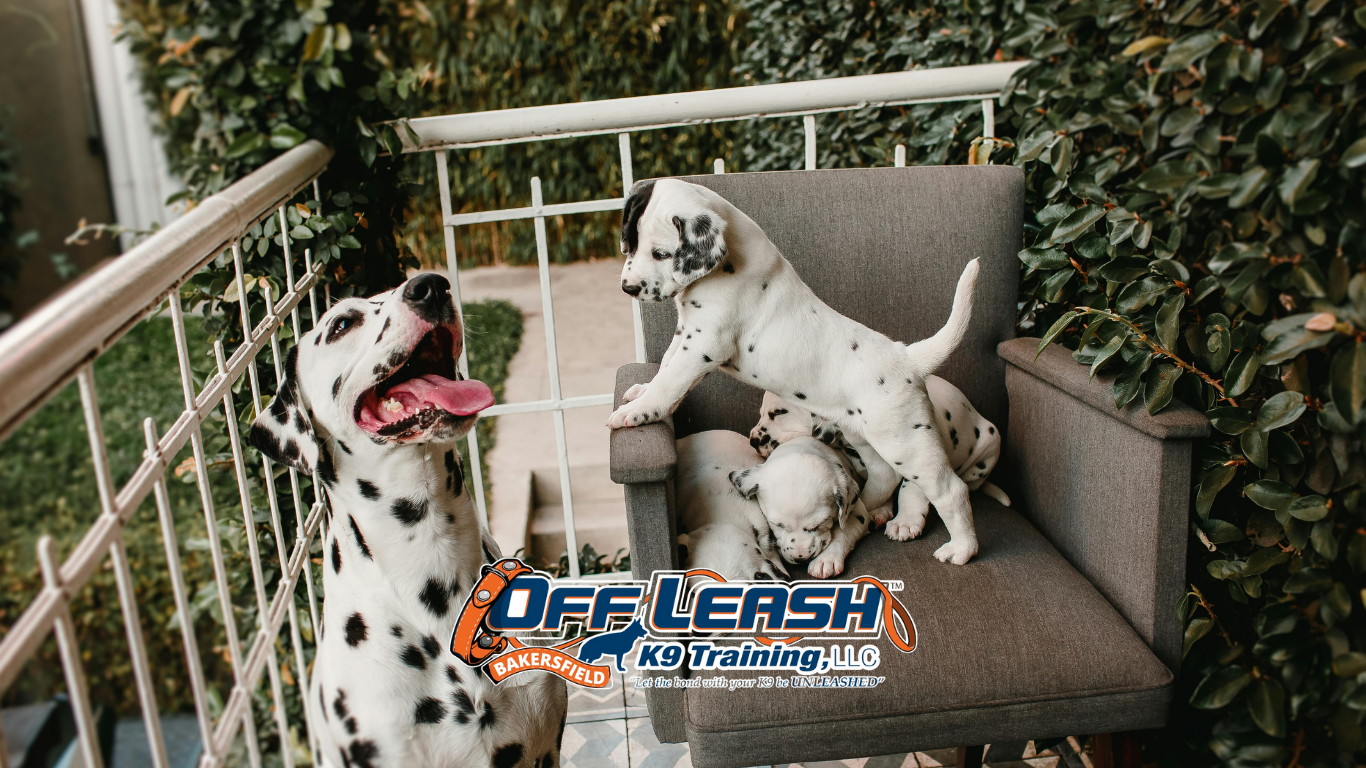
Training dogs for patios and outdoor dining
Whether you know it or not, many patrons choose restaurants based on their dog-friendly policies and well-behaved canine companions. The increasing trend of dining with dogs has sparked a unique need for training these animals for patios and outdoor settings. This evolution, though delightful, requires a strategic approach to ensure a pleasant experience for both diners and their pets.
The concept of training dogs for patios and outdoor dining has its roots in the growing pet ownership and the desire to incorporate them more into daily activities. Statistics reveal that nearly 45% of restaurants in urban areas now offer dog-friendly dining options, making the need for proper training more critical than ever. Incorporating basic obedience, acclimatization to various stimuli, and reinforcement of calm behavior forms the foundation of this specialized training.
Training dogs for patios and outdoor dining involves teaching basic obedience commands such as “sit,” “stay,” and “leave it.” It’s important to gradually socialize them in various environments, use positive reinforcement with high-value treats, and ensure they are comfortable with leash walking. Consistent practice helps maintain their well-behaved demeanor.

Training dogs for patios and outdoor dining
Training dogs for patios and outdoor dining settings involves teaching them key behaviors that ensure a pleasant dining experience for everyone. Dogs need to learn to stay calm in busy environments. This includes staying by their owner’s side and not begging for food. Additionally, dogs should be comfortable with other pets and people around them. These behaviors create a positive experience at dog-friendly venues.
One crucial aspect of training is socialization. Dogs should be exposed to various environments, sounds, and smells. This helps them get used to the uniqueness of outdoor dining spaces. Regular visits to different places can help. These outings can prevent fear or aggression towards new experiences.
Training tools can also be beneficial for maintaining control over your dog. Leashes, harnesses, and portable water bowls are essential for outdoor dining. Moreover, treats can be used to reward good behavior. Consistent reinforcement is key to successful training. With the right tools, both the dog and owner can enjoy the dining experience.
Avoiding common mistakes is important during the training process. For instance, allowing your dog to eat off the table can lead to disruptive behavior. Ignoring small signs of distress can escalate into bigger issues. Patience and consistency are vital. By taking the right steps, public dining with your dog can be a joy rather than a challenge.
Essential skills for dogs in outdoor dining settings
Teaching your dog essential skills for outdoor dining settings is crucial for a harmonious experience. One key skill is the ability to sit and stay on command. This ensures they remain in one spot. Basic obedience commands like “leave it” are also important to prevent them from grabbing food. These skills help keep the environment calm.
Another essential skill is loose leash walking. This allows you to move around without your dog pulling or causing a scene. It also helps them stay close to you in crowded areas. Consistent practice with short walks can improve this skill. Patience and rewards make the learning process easier.
Good manners around people and other dogs are vital. Your dog should not jump on others or bark excessively. Socialization from a young age can help achieve this. Visiting various places that allow dogs can be beneficial. Positive interactions build confidence and good behavior.
Finally, teaching your dog to relax in busy environments is essential. They should be comfortable lying down quietly at your feet. Bringing a familiar blanket or mat can help them feel more secure. Regular training in different outdoor settings reinforces this skill. Practicing at local parks and cafés can be very effective.
Socialization strategies for dog-friendly venues
Socializing your dog for dog-friendly venues is crucial for a relaxed experience. Start by exposing your dog to various environments early. Parks, pet-friendly stores, and busy streets offer great practice. Gradually increase the level of distractions. This helps your dog learn to stay calm.
An effective strategy is to introduce your dog to new people and pets regularly. Arrange playdates with other dogs to build social skills. Visits to dog-friendly cafés can also be beneficial. Your dog will learn how to behave in public settings. These outings reinforce positive behavior.
Positive reinforcement is key during socialization. Reward your dog for good behavior with treats or praise. This encourages them to remain calm and well-behaved. Avoiding punishments helps build trust. Consistency in rewarding good behavior is important.
Using training classes can also be helpful. Professional trainers can provide structured socialization exercises. These sessions offer a controlled environment for your dog to meet others. They can learn to handle various stimuli. Regular attendance can improve social skills significantly.
Managing distractions and overstimulation
Managing distractions and overstimulation in dogs is essential for their focus and relaxation. Dogs can easily become overwhelmed by loud noises or busy environments. They might bark excessively or pull on the leash. To help them stay calm, developing a solid foundation of obedience skills is key. Commands like “sit,” “stay,” and “focus” can be very effective.
One effective method to manage distractions is using high-value treats. These treats are more enticing and can capture your dog’s attention. Use them to reward desired behaviors when distractions arise. This strategy is particularly useful in outdoor settings. Consistent practice helps your dog associate these rewards with positive behavior.
Another strategy involves creating a comfortable space for your dog. Bring familiar items like a blanket or toy to outdoor settings. These items can provide comfort and reduce stress. Knowing they have a safe space can help them feel secure. It’s important to choose places that allow you to set up a small area for your pet.
Frequent breaks are also important in managing overstimulation. If your dog shows signs of stress, such as panting or whining, take a short walk. This helps them burn off the anxious energy. Returning to the outdoor dining area after a break can reset their behavior. Short breaks can be very effective in keeping your dog calm.
Utilizing training equipment can aid in managing distractions. Tools like head halters and no-pull harnesses give you better control. These tools can help redirect your dog’s focus. Using them correctly ensures your dog remains attentive. Combining these tools with verbal commands enhances their effectiveness.
Equipment and tools for effective training
Using the right equipment and tools can make dog training more effective. A sturdy leash and harness are essential for control during outdoor activities. They prevent your dog from pulling and provide better management. Choosing the correct size ensures comfort and effectiveness. This basic gear is vital for any training session.
Treats are an important part of positive reinforcement training. High-value treats, such as small bits of chicken or cheese, can motivate your dog. These treats keep their focus and reward good behavior. It’s useful to have a treat pouch for easy access. This way, you can quickly reward your dog during training.
Clickers are another useful tool for training. A clicker makes a distinct sound that marks the desired behavior. This helps your dog understand what they are being rewarded for. Using a clicker consistently can speed up the training process. It is a simple yet effective way to communicate with your dog.
Portable water bowls are essential for outdoor training sessions. Staying hydrated is important for your dog’s health. Collapsible bowls are convenient and easy to carry. Ensure fresh water is always available. This keeps your dog comfortable and focused.
Using toys can also be helpful during training. Toys can be used as rewards or to keep your dog entertained. Chew toys, balls, and puzzles provide mental stimulation. This can prevent boredom and destructive behavior. Having a variety of toys can keep training sessions interesting.
Common mistakes to avoid during patio training
When training your dog for patio settings, it’s easy to make mistakes that can hinder progress. One common error is insufficient socialization. Dogs need regular exposure to different environments and situations. Without this, they may become fearful or anxious. Gradual socialization helps build their confidence.
Another mistake is inconsistent training. Dogs thrive on routine and clear expectations. If training sessions are irregular, progress may be slow. Consistency in commands and rewards is key. This helps your dog understand and follow the rules.
Using punishment instead of positive reinforcement is also a common error. Punishments can create fear and mistrust. Instead, reward good behavior with treats or praise. Positive reinforcement encourages desired behavior. This method builds a stronger bond between you and your dog.
Allowing bad habits to develop is a significant mistake. For example, letting your dog beg for food at the table sets a bad precedent. It’s essential to correct these behaviors early on. Ignoring them can lead to more significant issues. Firm but gentle correction is necessary.
Lastly, not being patient enough can impede training. Dogs learn at different paces, and some may take longer to adjust to new settings. Rushing the process can lead to frustration. Patience and kindness go a long way. Remember, training is a journey, not a race.
Avoiding these common mistakes can make patio training more effective and enjoyable for both you and your dog. Consistency, socialization, and positive reinforcement are the keys to success. Stay patient and committed to ensure the best outcomes. Your efforts will pay off in well-behaved and relaxed dining experiences.
Benefits for restaurants and pet owners
Offering dog-friendly patios can significantly benefit restaurants. Pet owners often seek venues where their furry companions are welcome, increasing customer traffic for these establishments. Higher patronage leads to more sales and potentially larger tips for staff. Additionally, word-of-mouth and online reviews from satisfied pet owners can attract even more customers. This creates a loyal customer base that values the inclusive environment.
For pet owners, being able to dine with their dogs enhances their overall dining experience. They no longer have to leave their pets at home or stress about finding a sitter. This convenience translates into more frequent visits to the restaurant. It strengthens the bond between humans and their pets, furthering positive experiences together. Dining out becomes a shared adventure rather than a separated event.
Restaurants benefit from reduced separation anxiety in pets by including them in dining options. Pets are less likely to exhibit disruptive behavior when they are with their owners in a familiar setting. This brings about a calmer atmosphere both inside and outside the establishment. Happy and calm pets create an enjoyable ambiance for everyone present.
Apart from business growth, dog-friendly venues also support community building activities among pet lovers. Hosting events such as “Yappy Hours” can encourage social interactions among patrons who share common interests in pets. Such initiatives foster deeper connections within the community.
Creating a positive dining experience for everyone
Training dogs for patios and outdoor dining is essential for a positive experience. Well-behaved dogs make the environment enjoyable for all patrons. It’s important to start with basic obedience. Commands like “sit” and “stay” help maintain order. These basics ensure that dogs are calm and under control.
Proper socialization is another key element. Dogs need to be comfortable around other animals and people. Gradual exposure to different settings can help. This alleviates any anxiety or aggressive behavior. Socialized dogs are more likely to be relaxed in busy environments.
Using the right equipment can also make a big difference. A comfortable harness and leash provide better control. Portable water bowls are handy for keeping pets hydrated. High-value treats can reward good behavior. When dogs are comfortable, they are more likely to be well-behaved.
Consistency in training is crucial for a positive dining experience. Regular practice helps reinforce good behavior. Owners should take their dogs to various outdoor venues regularly. This consistent exposure helps dogs adapt to different settings. A well-practiced dog is a joy to have around.
Lastly, restaurants can support a positive experience by providing pet-friendly amenities. Offering water bowls and designated pet areas can make a difference. Clear signage about pet policies also helps. These efforts by the venue contribute significantly to a smooth dining experience for everyone.
Legal considerations for dogs in public dining spaces
Legal considerations for dogs in public dining spaces are important for both restaurant owners and pet owners. Laws regarding dogs in dining areas can vary widely by location. It is essential to check local regulations before bringing pets to any dining venue. In many places, dogs are only allowed in outdoor areas. Additionally, there are often rules about leash length and behavior expectations.
Restaurants must comply with health and safety codes to allow dogs. Health authorities typically require certain hygiene standards to be maintained. This includes keeping dogs off furniture and ensuring they do not disrupt other guests. Restaurants may need to post signs indicating pet policies. Compliance with these regulations helps avoid fines and ensures a pleasant experience for all.
Service animals are the exception to many of these rules. By law, service animals are allowed in most public spaces, including indoor dining areas. It is important to know the difference between service animals and emotional support animals. Service animals are trained to perform specific tasks for individuals with disabilities. They have more legal protections compared to other types of assistance animals.
Pet owners have responsibilities, too. They must ensure their dogs are well-mannered and do not pose a risk to others. Vaccinations must be up to date, and it’s wise to carry proof of vaccinations. This protects both the dog and the public. Responsible pet ownership helps maintain access for everyone.
Legal issues can arise if incidents occur, such as a dog biting another patron. Pet owners could be held liable for any damage or injury caused. It is advisable to have pet insurance that covers liability. Being aware of and following legal guidelines helps create a safer and more enjoyable environment for everyone.
Frequently Asked Questions
Training dogs for patios and outdoor dining involves specific skills and techniques. Here are some common questions and detailed answers related to the topic.
1. How can I keep my dog calm in a busy patio environment?
Keeping your dog calm in a busy patio environment requires basic obedience training and gradual exposure to similar settings. Start with less crowded areas and use positive reinforcement methods, like treats, to reward calm behavior. This helps your dog associate these experiences with positive outcomes.
Additionally, you can bring familiar items, such as a favorite blanket or toy, to provide comfort. Regular breaks to walk your dog can also help release excess energy and reduce anxiety. Over time, your dog will become more accustomed to busy environments.
2. What should I do if my dog gets overwhelmed by the noise at an outdoor restaurant?
If your dog gets overwhelmed by noise at an outdoor restaurant, it’s important to recognize the signs of stress, such as whining or excessive panting. Moving to a quieter area or stepping away for a short walk can help your dog calm down. Gradual acclimatization to noisy environments can build tolerance over time.
Another helpful strategy is desensitization training, where you slowly expose your dog to louder sounds in a controlled manner. Pairing these experiences with rewards will help create a positive association with noise. Consistent training can significantly reduce your dog’s anxiety.
3. How can I prevent my dog from begging for food while we dine outside?
Preventing your dog from begging for food while dining outside requires consistent reinforcement of boundaries. Train your dog to stay in a designated spot, such as under the table or beside your chair, and reward this behavior with treats and praise. Consistency is key in reinforcing these boundaries.
Offering your dog their own chew toy or a treat-dispensing toy can distract them from focusing on your food. Over time, your dog will learn that begging does not yield any rewards and will adopt more polite dining manners.
4. What are some essential items to bring when dining out with my dog?
When dining out with your dog, it’s important to bring essential items to ensure their comfort and safety. A sturdy leash and harness are vital for control, while portable water bowls and a supply of water keep your dog hydrated. High-value treats help reinforce good behavior during the outing.
Additionally, bringing a familiar blanket or mat gives your dog a comfortable place to rest. Toys or chew items can keep them occupied, and waste bags are necessary to clean up after your dog. Being prepared contributes to a smoother and more enjoyable experience for both of you.
5. How can I ensure my dog’s safety in outdoor dining areas?
Ensuring your dog’s safety in outdoor dining areas involves taking several precautions. Always keep your dog on a leash to prevent them from wandering off and encountering hazards. Make sure your seating location is safe, away from high-traffic areas or potential dangers, like hot surfaces.
Monitor your dog closely for signs of distress or discomfort and be prepared to leave if they become too stressed. Bringing along a first-aid kit that includes basic supplies for minor injuries can also be helpful. Prioritizing your dog’s well-being ensures a positive dining experience for everyone involved.
Conclusion
Training dogs for patios and outdoor dining is crucial for a harmonious experience. By focusing on obedience, socialization, and proper management of distractions, both pet owners and restaurant staff can foster a welcoming environment. The right equipment and patience play significant roles in achieving positive behavior.
Dog-friendly dining areas benefit both businesses and pet owners by creating inclusive experiences. Legal considerations ensure everyone’s safety and compliance with regulations. With dedication and the right strategies, dining out with dogs can be enjoyable and stress-free for all parties involved.
"*" indicates required fields