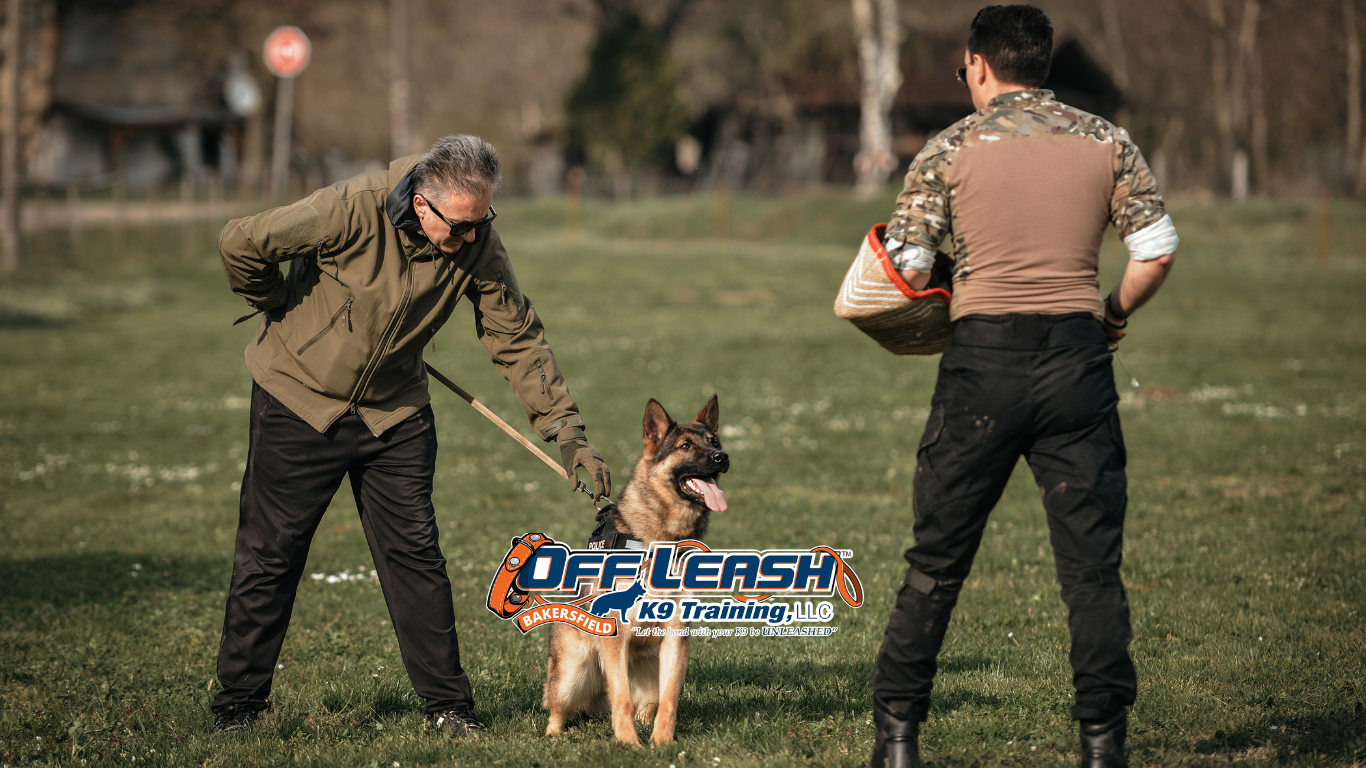
Maintain Position Training: Teaching Dogs to Stay Steady Under Distraction
Picture a bustling park with dogs running freely, balls being tossed, and children laughing loudly. Now envision a well-trained dog sitting serenely in that chaos, completely unfazed. This level of poise in the midst of distractions doesn’t come naturally; it’s the result of meticulous maintain position training.
Historically, dogs have been trained to stay steady in their positions for practical reasons—think hunting dogs or service animals. According to a 2021 study, more than 85% of canine behavioral issues could be mitigated through consistent training and commands. Effective maintain position training combines patience, consistency, and positive reinforcement to achieve a focused canine companion, unaffected by their environment.
Maintain position training for dogs under distractions utilizes consistency, positive reinforcement, and gradual exposure to stimuli. Start in a quiet environment and progressively introduce distractions. Use treats and praise to reward obedience. Consistent commands and regular practice enhance the dog’s ability to stay focused amidst various environmental changes.
Maintain Position Training: Teaching Dogs to Stay Steady Under Distraction
Teaching a dog to maintain its position while surrounded by distractions is essential for any dog owner. This skill is vital not only for the safety of the dog but also for others around. It’s important to start training in a quiet environment where there are fewer things to draw your dog’s attention away. As your dog masters the command in quiet settings, gradually introduce more challenging distractions. With consistent practice, your dog will learn to stay steady despite what’s happening around them.
One effective method to teach this skill is using positive reinforcement. When your dog remains in the position you’ve commanded, reward it with treats, praises, or playtime. Dogs are more likely to repeat behaviors that result in positive outcomes. It’s crucial to be patient during this process as each dog learns at its own pace. Remember, consistency and repetition are key.
Different distractions can include loud noises, the presence of other animals, or even the smell of food. Start by exposing your dog to these distractions in controlled sessions. You can use props like toys or recorded sounds to simulate real-life scenarios. Gradually increase the intensity of the distractions as your dog becomes more accustomed to maintaining its position.
Tracking progress is also important. Keep a training journal to note which distractions your dog is responding well to and where they need more training. This will help you adjust your training sessions for optimal results. Using tables to log this information can be very helpful:
| Date | Distraction Type | Response | Notes |
|---|---|---|---|
| 10/01 | Loud Noise | Stayed Steady | Showed minimal anxiety |
| 10/02 | Other Dogs | Broke Position | Needs more work in this area |
Key Principles of Position Training
Position training relies heavily on consistency. When training your dog, use the same commands and gestures every time. This helps the dog understand exactly what is expected of them. If you sometimes use different words, the dog might get confused and not know what to do. Clear and consistent communication is crucial.
Another key principle is gradual exposure to distractions. Start training in a quiet room and then slowly add more distractions as your dog improves. This step-by-step method helps build the dog’s confidence and ability to focus. It’s also important to always reward your dog for staying in position despite distractions. This positive reinforcement strengthens good behavior.
Timing your rewards appropriately is crucial. The dog should be rewarded immediately when it performs the desired behavior. If there’s a delay, the dog might not make the connection between the behavior and the reward. Using a clicker can help with timing, as it signals to the dog that a reward is coming. This can make the training process smoother and more effective.
Finally, keep the training sessions short and fun. Dogs have short attention spans and can easily become bored or frustrated. Short, frequent training sessions are more effective than long, infrequent ones. Incorporating games and play can make the training enjoyable for both you and your dog. This helps maintain the dog’s interest and enthusiasm in learning.
Common Distractions and Their Impact on Dog Behavior
Dogs are naturally curious creatures, and various distractions can significantly affect their behavior. Loud noises, such as fireworks or thunderstorms, can cause anxiety and disrupt a dog’s focus. Similarly, the presence of other animals often triggers excitement or defensive behavior. Dogs might bark, pull on their leash, or try to chase. Training to stay focused amidst these distractions is crucial.
Unexpected movements, like a jogger running past or children playing, can also be very distracting. These movements often trigger a dog’s prey drive, causing them to want to chase. Dogs use their senses to react to changes in their environment, so they need to be taught to ignore such stimuli. Visual distractions can be particularly challenging for dogs with high energy levels. Early and consistent training can help mitigate these distractions.
Smells are another powerful distraction for dogs. The scent of food, other animals, or even interesting objects can lead to wandering away from their position. This is because a dog’s sense of smell is incredibly strong, often overpowering their ability to focus on commands. Incorporating scent-specific exercises into training sessions can help manage this. Rewarding the dog for resisting the urge to follow a scent is key.
People are also a common distraction for dogs. Friendly strangers or familiar family members can easily divert a dog’s attention. Dogs often associate people with playtime, food, or affection, making it hard to stay focused. To counter this, gradually introduce your dog to various people during training sessions. This helps develop their ability to maintain focus in a controlled manner.
Tools and Techniques for Effective Training Sessions
One essential tool for effective dog training is the clicker. Clicker training uses a small device that makes a clicking sound to mark desired behaviors instantly. This method helps the dog understand exactly which action earned a reward. Pair the clicker sound with treats to reinforce positive behavior. Over time, the dog will associate the clicker with being correct.
Using treats is another powerful technique. High-value treats, like small pieces of chicken or cheese, are especially effective. These treats should be used sparingly and only during training sessions to maintain their value. Always pair verbal praise with treats to build a strong connection between actions and rewards. This combined approach keeps the dog motivated and focused.
Leashes and harnesses are crucial for maintaining control during training. A well-fitted harness can prevent pulling, making it easier to guide the dog. Leashes should be short enough to keep the dog close but long enough to allow some movement. This setup ensures safety while reinforcing commands. Practice walking with and without distractions to build control.
Toys can also be great training tools, especially for active dogs. Interactive toys, like tug ropes and fetch balls, can be used as both rewards and distractions. Using toys during training can make sessions more engaging and fun. This helps maintain the dog’s interest over longer periods. Integrating play into training sessions can lead to quicker, more enjoyable learning.
Setting up a specific training area can enhance focus. This space should be free of everyday distractions, making it easier for the dog to concentrate on commands. Regularly train in this area to establish a routine. As the dog gets better, gradually introduce new environments. This helps the dog apply what they’ve learned in different settings.
Finally, keeping a training log can be very beneficial. Recording each session’s progress helps identify patterns and areas needing improvement. This can be done in a notebook or using a digital table:
| Date | Command | Outcome | Notes |
|---|---|---|---|
| 10/10 | Sit | Success | Quick response |
| 10/11 | Stay | Needs Work | Distracted by sounds |
Progress Evaluation: Tracking Success and Adjustments
Evaluating the progress of your dog’s training is crucial for long-term success. Regularly tracking improvements and setbacks helps identify what techniques are working. This allows for timely adjustments, ensuring more effective training sessions. Keeping a detailed log can be extremely useful for this. It helps visualize patterns over time.
Make sure to note both successes and areas for improvement. This balanced perspective is important for understanding your dog’s training journey. Celebrate small wins to keep motivation high. If certain distractions are causing issues, document them. Adjust your training methods accordingly to better address these challenges.
Using tables can make tracking more organized and accessible:
| Date | Command | Outcome | Notes |
|---|---|---|---|
| 10/12 | Stay | Success | No distractions present |
| 10/13 | Stay | Failed | Barked at passerby |
| 10/14 | Stay | Improved | Minimal barking |
Adjustments to your training sessions should be made based on the recorded data. If your dog struggles in certain areas, consider revisiting basic commands. Reinforcing these foundational skills can boost overall performance. Reflect on whether different distractions need new training strategies. Tailoring your approach helps meet the dog’s specific needs.
Feedback from professional trainers can also provide valuable insights. Sometimes, external perspectives identify issues that are easy to overlook. Regularly consulting with experts can enhance your training techniques. They can offer new methods or adjustments to improve success rates. Continuous learning and adapting are key to effective progress evaluation.
Advanced Strategies for Reliable Position Maintenance
Incorporating variable rewards is a potent advanced strategy. Instead of always giving a treat, mix in praise, play, or occasional food rewards. This keeps the dog guessing and maintains high motivation. It also prevents the dog from only obeying for treats. Mixing up rewards can keep training sessions dynamic and engaging.
Introducing real-life scenarios is another key strategy. Simulate environments your dog will commonly encounter, like busy streets or parks. Practice commands in these settings to build reliability. The more your dog is exposed to these real-world distractions, the better they’ll perform. Consistency across different environments is essential.
Long-duration stays can also be beneficial. Gradually increase the time your dog must maintain a position before rewarding them. Start with a few seconds and work up to several minutes. This teaches patience and focus. Long-duration tasks help build a more robust obedience skill set.
Use proofing techniques to solidify training further. Proofing involves adding unpredictable elements to your sessions to test your dog’s consistency. This can include sudden noises, movement, or tempting distractions. The idea is to ensure your dog remains steady regardless of external factors. Proofing sharpens their response and reinforces reliability.
Table tracking of these advanced techniques can be very effective:
| Date | Advanced Technique | Outcome | Notes |
|---|---|---|---|
| 10/15 | Variable Rewards | Success | High engagement |
| 10/16 | Real-life Scenarios | Needs Work | Distracted by other dogs |
Regularly revising and updating your training approach keeps it effective. Stay open to new techniques and strategies. The more tools and methods you employ, the better equipped your dog will be. Always remember, advanced training requires patience and consistency. Continuous learning and adaptation will lead to reliable position maintenance.
Frequently Asked Questions
Training dogs to stay steady under distractions is a common challenge for many pet owners. Below are some frequently asked questions on the topic, designed to provide useful insights and guidance.
1. How long should training sessions be for dogs?
Training sessions should be kept short, typically around 10 to 15 minutes. Dogs have relatively short attention spans, so brief, frequent sessions are more effective. This duration helps prevent frustration and keeps the dog engaged.
Over time, as your dog becomes more accustomed to the commands, you can gradually increase the session length. Always end on a positive note to keep your dog looking forward to the next training session.
2. What are some common distractions during training?
Common distractions include loud noises, the presence of other animals, or unfamiliar people. These elements can easily divert your dog’s attention away from training. It’s important to introduce distractions gradually and in a controlled manner.
Other distractions can include smells, movements, and objects that might attract the dog’s curiosity. By training in various environments, you can help your dog learn to focus despite these potential interruptions.
3. Why is consistency important in dog training?
Consistency in commands, rewards, and routines helps dogs understand what is expected of them. When the same actions lead to the same results, dogs learn more quickly and reliably. Inconsistent training can confuse the dog and slow progress.
Using the same words and gestures every time reinforces the learning process. This approach not only helps the dog but also strengthens the bond between the pet and the owner.
4. How can positive reinforcement aid in training?
Positive reinforcement involves rewarding the dog for desired behaviors, making them more likely to repeat those actions. Rewards can be treats, praise, or playtime. This approach is effective because it motivates the dog to perform well.
Consistently rewarding good behavior reinforces the training and helps build a positive association with the commands. Over time, the dog learns that obeying commands leads to enjoyable outcomes.
5. What should be done if a dog struggles with a specific distraction?
If a dog struggles with a specific distraction, it’s crucial to break the training into smaller steps. Start with the distraction at a very low intensity and gradually increase it as the dog becomes more comfortable. Patience and gradual exposure are key.
It may also help to temporarily remove the distraction and then reintroduce it more gradually. Consistent practice and positive reinforcement will eventually help the dog learn to cope with the challenging distraction.
Conclusion
Maintaining a dog’s position under distractions requires consistent effort, patience, and the right techniques. By gradually introducing distractions and using positive reinforcement, dogs can learn to remain focused. These strategies not only improve obedience but also strengthen the bond between pets and their owners.
Effective training is a journey that involves evaluating progress and making necessary adjustments along the way. Advanced strategies and professional guidance can further enhance reliability. Remember, each dog learns at its own pace, so remain patient and supportive throughout the process.