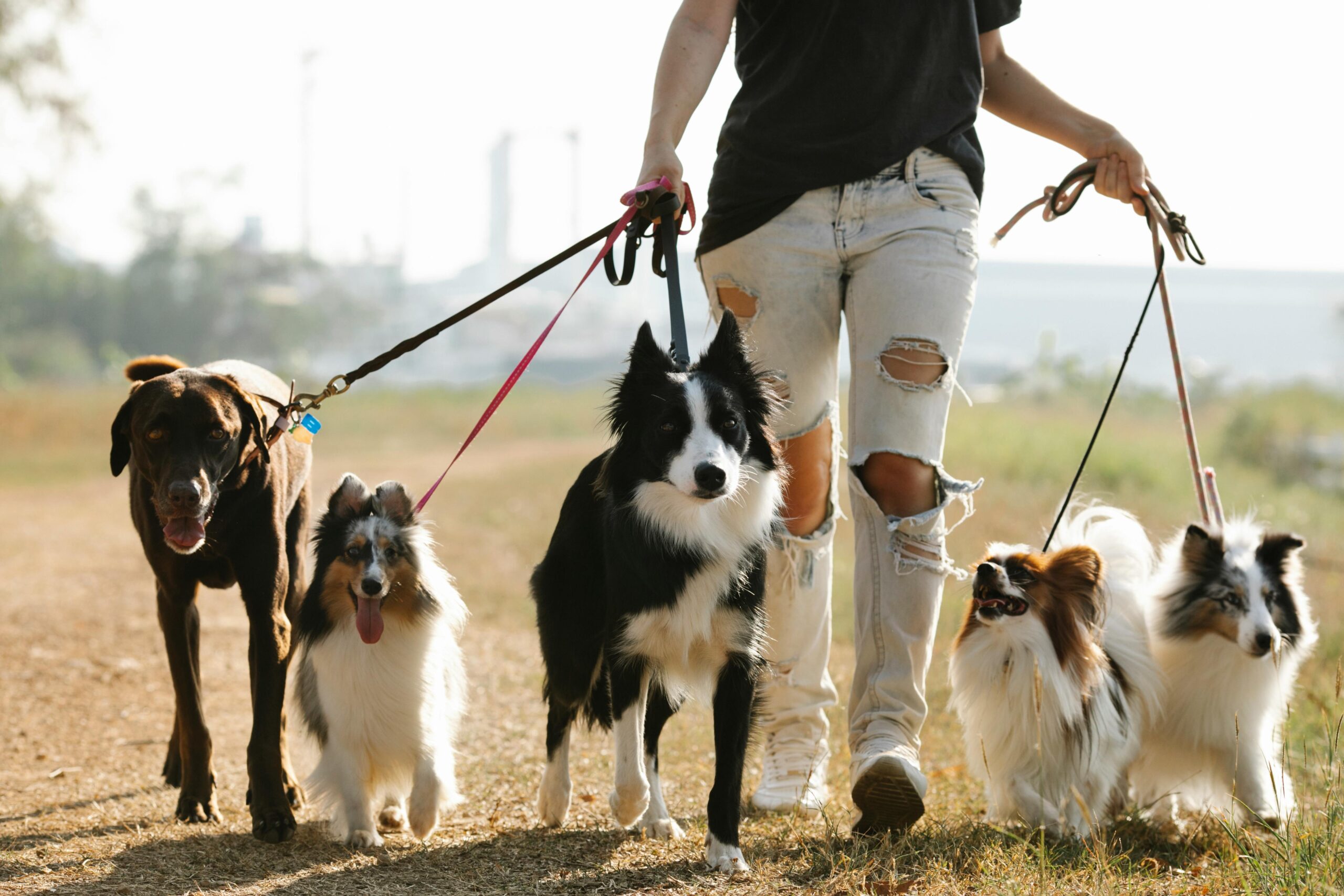
Mastering Loose Leash Walking Before Fall Adventures Begin
Fall is just around the corner, and that means cooler mornings, weekend hikes, and plenty of outdoor fun. But if your dog turns every walk into a tug-of-war, those seasonal adventures can go south fast.
Loose leash walking isn’t just a skill, it’s a relationship builder. It teaches your dog to stay tuned into you, follow your lead, and walk calmly by your side, no matter the distraction.
At Off Leash K9 Training Bakersfield, we help owners fix leash manners every day. Whether your dog pulls toward squirrels or drags you down the block, we’ve seen it all, and we’ve got proven solutions that work.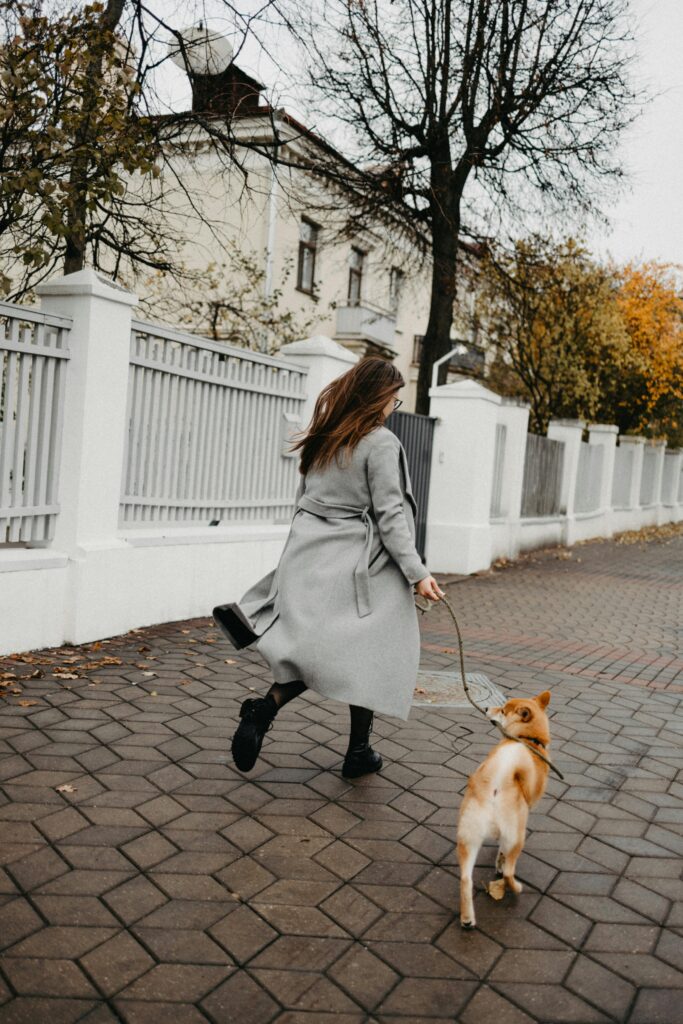
Why Loose Leash Walking Is Worth the Effort
Dogs don’t naturally know how to walk on a leash. It’s not instinctive, it’s a learned behavior. Without clear guidance, most dogs will pull because:
- They walk faster than we do.
- They’re excited by scents, sights, and sounds.
- They’ve accidentally been rewarded for pulling in the past.
The benefits of teaching a loose leash walk go beyond convenience:
- Less strain on your dog’s joints and neck.
- Fewer frustrating outings for you.
- Safer walks with fewer reactive episodes.
- A stronger bond through calm, shared movement.
Key Differences: Loose Leash Walking vs. Heeling
Before we dive into training, it’s helpful to clarify terms:
- Loose leash walking means your dog is walking politely beside or slightly ahead of you with a slack leash.
- Heel is a formal command where your dog walks precisely at your side and stops when you stop.
Most pet owners don’t need a perfect heel for casual outings, but a reliable loose leash walk is essential. For more guidance, check out our full breakdown of understanding loose leash walking vs. heel training to decide what’s right for your routine.
Step-by-Step: How to Train Loose Leash Walking
1. Start in a Low-Distraction Zone
Begin in your yard or even indoors. The quieter the space, the easier it is for your dog to focus on learning.
2. Use a High-Value Reward
Every time your dog walks beside you without tension, mark the behavior with a “Yes” or click, then reward immediately.
3. Be a Tree When They Pull
If your dog starts to forge ahead, stop walking. Don’t yank. Don’t repeat commands. Simply wait until they release tension and return to you. Then continue walking.
4. Use Turns to Regain Attention
Change direction frequently to keep your dog engaged. Quick U-turns or 90-degree changes help your dog check in more often.
5. Be Consistent
If you only enforce leash manners sometimes, your dog will get confused. Consistency is key.
Tools That Help (and Those That Hurt)
Not all gear is created equal. Some tools can help reinforce good walking habits. Others can encourage pulling or discomfort.
Helpful tools:
- Standard 4-6 ft leash (avoid retractables)
- Herm Sprenger prong collar (when fitted and used correctly)
- Flat buckle collar for training in low-stimulation areas
Avoid:
- Harnesses that clip on the back (these can actually encourage pulling)
- Head halters if your dog is highly reactive or sensitive to facial pressure
- Retractable leashes that allow your dog too much freedom without control
In our Basic Obedience Program, we teach clients how to select the right tools for their dog’s breed, age, and walking style. This sets the foundation for calm, distraction-free walks.
Practice Makes Peaceful
You don’t need to wait for fall to start training. In fact, short daily sessions now will pay off big when the weather cools down. Try this simple walking routine over the next week:
- Day 1–2: Practice in your backyard.
- Day 3–4: Move to your driveway or sidewalk.
- Day 5–7: Try a short neighborhood loop with low distractions.
- Week 2: Add more distractions, like dogs or joggers, at greater distances.
Avoid These Common Mistakes
- Letting your dog pull to greet people or dogs: This teaches that pulling gets rewarded.
- Holding tension on the leash: Constant tightness creates stress and resistance.
- Repeating commands: Saying “Heel, heel, heel” with no consequence just makes it background noise.
- Training too long: Sessions longer than 15 minutes often lead to frustration.
Why Real-World Practice Matters
It’s one thing for your dog to walk nicely in the driveway. But can they do it at a crowded trailhead or busy shopping plaza?
That’s why we emphasize public proofing. Teaching your dog to focus and walk calmly in unfamiliar environments is critical for long-term success. Our training includes real-world environments like parks and sidewalks, not just sterile training rooms.
If your dog gets overstimulated quickly, check out our blog on how to prevent fence fighting and overstimulation. Many of the same principles apply during walks in public.
Backed by Research
According to the American Kennel Club, proper leash training with the right equipment and consistent reinforcement significantly improves your dog’s behavior and enhances your ability to communicate with them in public settings.
Good leash habits not only improve safety but also reduce stress for both dog and handler during outdoor activities.
Final Thoughts: Walks Should Be Enjoyable, Not Exhausting
If you’re dreading your walks or feel like you’re being walked by your dog, it’s time for a reset. With the right training, tools, and routine, loose leash walking can become second nature for both of you.
Ready to enjoy peaceful, controlled walks this fall? Contact us today to schedule your training session and take back the leash.