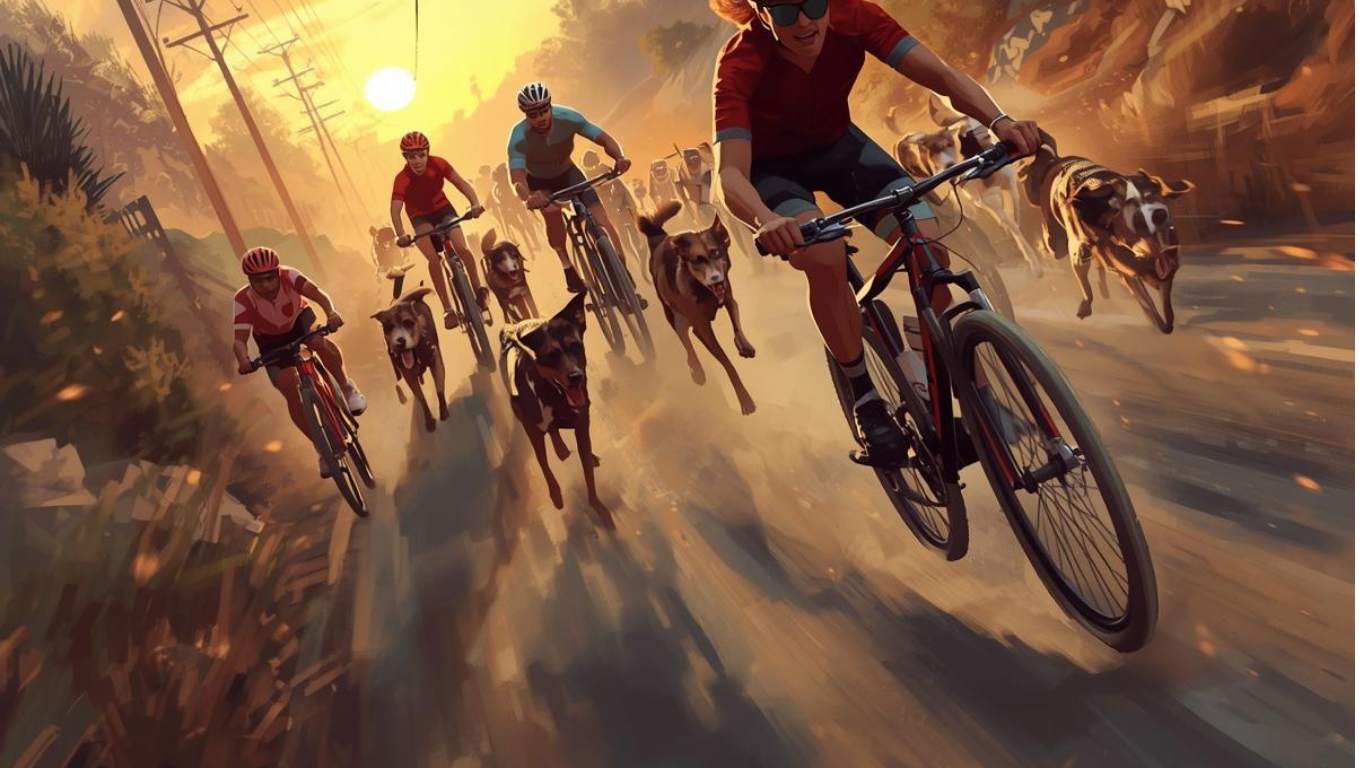
Ignore Joggers and Bikers: Stop Reactivity Before It Starts
Ever noticed how your otherwise calm dog suddenly turns into a bundle of energy when a jogger or biker speeds by? This is a common experience for pet owners, and it’s more than just a minor inconvenience. Reactivity in pets can lead to increased stress for both the animal and the owner, and addressing it can significantly improve daily walks.
Historically, pet owners have used various training techniques to curb this reactivity, but consistency remains key. Research indicates that around 70% of dogs show some form of reactivity to moving objects. A proactive approach involves training the dog to focus on the owner rather than the distraction, ensuring a more peaceful interaction for both parties involved.
Teaching dogs to ignore joggers and bikers involves consistent training focused on building impulse control, redirecting attention, and using positive reinforcement. Tools like a front-clip harness and interactive toys can help manage behavior in urban settings. Regular exposure to different environments and structured play sessions are essential for long-term success.
Ignore Joggers and Bikers: Stop Reactivity Before It Starts
Dealing with dog jogger reactivity can be challenging for pet owners. Dogs often perceive joggers and bikers as fast-moving threats. This triggers their instinct to bark or lunge. It’s essential to understand why this happens to address the behavior effectively. Recognizing the root cause can make training more manageable.
Training your dog to ignore joggers and bikers involves teaching them impulse control. Begin with basic commands like “sit” and “stay”. Gradually increase the level of distraction while maintaining control. Rewarding positive behavior consistently is crucial for success. Consistency in training routines leads to better results.
Using tools like a sturdy leash and a front-clip harness can assist in managing walks. These tools help gain better control over the dog. Additionally, creating a distraction-free zone during training sessions can be beneficial. Over time, dogs learn to focus on their owner’s commands instead of the distractions around them. This helps in reducing their reactive behavior significantly.
It’s also helpful to expose dogs to jogging and biking environments gradually. Start with quiet areas and slowly introduce busier places. This controlled exposure teaches them to remain calm around joggers and bikers. Regular practice in varied environments will lead to more consistent behavior. Keeping up with these practices is key to long-term success.
Common triggers that spark reactivity in dogs
Various triggers can spark reactivity in dogs, causing them to bark or lunge. Fast-moving objects, like joggers and bikers, often provoke this behavior. Loud noises, sudden movements, and unfamiliar environments can also be culprits. Understanding these triggers is essential in managing reactivity. It helps in creating effective training plans.
Another common trigger is other animals. When dogs see other dogs or small animals, they often react. This is due to their natural prey drive. Knowing when and where these encounters happen helps owners to redirect their dog’s attention. Proper socialization from a young age can reduce such reactivity.
Strangers approaching the home or personal space is a significant trigger for many dogs. Dogs view strangers as potential threats to their territory. This often leads to defensive behavior. Creating safe zones within the home can help mitigate this issue. Familiarizing dogs with various people in controlled environments helps too.
Pain or discomfort can also lead to reactivity. A dog in pain might react aggressively to touch or movement. It’s crucial to ensure your dog is healthy and free from pain. Regular vet check-ups play an important role in this. Addressing any underlying health issues can reduce unexpected reactivity.
Early signs and behavioral patterns to watch for
Detecting early signs of reactivity in dogs is crucial for effective intervention. Sudden changes in their posture, like stiffening or freezing, can be initial indicators. Dogs may also show signs of reactivity by staring intensely at the trigger. Recognizing these subtle cues helps in addressing the issue promptly. It prevents the behavior from escalating.
Another early sign is excessive barking. Barking at specific triggers is a clear indicator. It’s important to note the context in which the barking occurs. This helps in identifying the exact trigger causing the reaction. Once identified, the training can focus on managing the specific trigger.
Pacing and restlessness are behavioral patterns to watch for. These behaviors often indicate discomfort or anxiety. Dogs may start to pace or display repetitive actions when they sense a trigger. Observing these patterns can give insights into what disturbs them. Addressing these signs early on can prevent more severe reactions.
Look out for signs of aggression such as growling or baring teeth. These are clear indicators of a dog’s discomfort or fear. It’s essential to take these signs seriously. Ensuring the dog feels safe and secure can reduce aggressive tendencies. Proper training and positive reinforcement are key in managing these behaviors.
Techniques for redirecting attention and building impulse control
One effective technique to redirect a dog’s attention is to use the “look at me” command. This command helps shift the dog’s focus from the trigger to the owner. Rewarding the dog with treats when they respond correctly reinforces positive behavior. Consistent practice is key. Over time, the dog will learn to automatically look at the owner when feeling triggered.
Impulse control exercises are vital for managing reactivity. Teaching commands such as “wait” or “leave it” can be beneficial. These commands help the dog learn to control their immediate reactions. Practicing these commands in various settings enhances their effectiveness. Dogs start to understand that staying calm brings rewards.
Interactive toys and puzzles can also aid in building impulse control. These toys engage the dog’s mind and keep them occupied. Providing these toys during potential trigger situations can reduce anxiety. It distracts the dog from reacting impulsively. Having a variety of toys can keep the dog interested and relaxed.
Using a clicker for positive reinforcement is another helpful tool. Clicker training involves using a small device that makes a clicking sound to mark desired behaviors. When the dog hears the click, they know a reward is coming. This method is quick and clear for the dog to understand. It’s a great way to teach new commands and behaviors.
Structured playtime with other dogs can further enhance impulse control. Supervised play ensures the dog learns proper social behavior. Engaging in controlled play sessions helps dogs practice staying calm. Over time, they become more adept at handling exciting situations without overreacting. Creating a schedule for regular play sessions can foster positive habits.
Incorporating relaxation techniques such as deep breathing exercises can calm a reactive dog. This involves training the dog to take slower, deeper breaths. These techniques can reduce stress and anxiety levels. Practicing these exercises routinely makes them more effective. A calm dog is less likely to react to triggers impulsively.
Tools and training methods for urban environments
Urban environments present unique challenges for training dogs due to constant distractions. One effective tool for managing these distractions is a front-clip harness. This type of harness reduces pulling and gives you more control over your dog. It helps in maintaining a calm walking pace. Incorporating regular walks with this tool can make city strolls more pleasant.
Leash training is particularly important in urban settings. Teaching your dog to walk calmly on a leash can prevent many reactive behaviors. Using a short leash keeps the dog closer and safer. Practicing in various urban scenarios helps reinforce good behavior. Consistent leash training can transform hectic city walks into enjoyable outings.
Training sessions in controlled environments are essential before hitting busy streets. Start in quieter areas, gradually moving to busier places. This step-by-step exposure helps the dog adapt without feeling overwhelmed. Rewarding calm behavior with treats reinforces positive habits. Gradual exposure builds your dog’s confidence.
Interactive feeding toys can keep your dog engaged during walks or waiting times. These toys encourage slow feeding and mental stimulation. They are especially useful during high-traffic times. Carrying a few of these toys can help manage your dog’s reactivity in urban settings. They keep your dog focused and less likely to react to distractions.
Positive reinforcement is crucial in urban training. Reward your dog with treats or praise for displaying calm behavior. Consistency in positive reinforcement leads to long-term success. It helps the dog associate positive behavior with rewards. Over time, this method reduces reactivity and improves behavior.
Enrolling your dog in urban agility classes can also be beneficial. These classes provide structured activities that challenge both mind and body. They help in honing impulse control and obedience skills. The controlled environment aids in smooth transitions to real-world settings. Regular participation in these classes can significantly impact your dog’s urban behavior.
Practical tips for maintaining progress during daily walks
Consistency is key when maintaining progress during daily walks with your dog. Always start your walk with a calm and focused dog. Use the same commands and routines to reinforce good behavior. Consistency helps your dog understand expectations. It leads to a smoother walking experience over time.
Bring along high-value treats to reward your dog for positive behavior. These treats should be something your dog loves. Use them to reinforce calm responses to triggers. Carrying treats helps maintain your dog’s focus. This small action can greatly impact your walk’s success.
Keeping the walks varied and interesting can also help maintain progress. Explore new routes and environments. This keeps your dog engaged and less likely to become bored. Variety also helps your dog adapt to different situations. It prepares them for new and unexpected triggers.
If your dog shows signs of reactivity, try changing the distance from the trigger. Move farther away to help them settle down. Gradually decrease the distance as your dog becomes more comfortable. This technique helps in managing reactivity. Adjusting proximity is a practical way to maintain control.
Incorporate short training sessions into your daily walks. Make use of quieter moments to practice commands like “sit” or “stay”. These sessions help reinforce training outside the home environment. Consistent practice in real-world settings solidifies good behavior. It turns daily walks into productive training opportunities.
Finally, ensure you remain calm and assertive during walks. Dogs can sense your emotions and might mirror them. Staying relaxed helps your dog feel secure. Confidence in your actions reassures your dog. This mutual calmness strengthens the bond and improves walk quality.
Frequently Asked Questions
This section addresses common questions about managing dog reactivity to joggers and bikers. Understanding these aspects can help improve training and ensure peaceful daily walks.
1. Why do dogs react to joggers and bikers?
Dogs often react to joggers and bikers because they are fast-moving and can be perceived as threats. This reaction stems from their natural instinct to protect their territory and family.
This behavior is also linked to a dog’s prey drive. When they see something moving quickly, it triggers an instinctive response. Identifying this can help in formulating better training strategies.
2. What are effective training tools for stopping dog reactivity?
Effective training tools include a front-clip harness, a sturdy leash, and high-value treats. These tools help in controlling the dog and rewarding positive behavior during walks.
Additionally, interactive toys can keep the dog engaged and distracted from triggers. Using these tools consistently can greatly reduce reactivity and make walks more enjoyable.
3. How can early socialization help reduce reactivity?
Early socialization exposes dogs to various stimuli in a controlled manner, reducing fear and reactivity. It teaches them to remain calm in different environments and around different people and animals.
Starting socialization at a young age can prevent the development of negative behaviors. It provides the foundation for good manners and helps in building a well-adjusted adult dog.
4. What should you do if your dog shows signs of reactivity nearby?
If your dog shows signs of reactivity, calmly move them away from the trigger. Creating distance can help them settle down and reduce the likelihood of an outburst.
Use commands like “sit” or “look at me” to redirect their attention. Rewarding them for calm behavior will reinforce positive actions and help manage reactivity.
5. Are professional dog trainers helpful for managing reactivity?
Professional dog trainers can be very helpful in managing reactivity. They provide expert guidance on techniques and tools tailored to your dog’s specific needs.
Trainers also offer structured environments for practice, making it easier to implement consistent training routines. Their experience and knowledge can accelerate progress and ensure long-term success.
Conclusion
Managing dog reactivity, especially around joggers and bikers, requires consistent training and patience. Using the right tools and techniques makes a significant difference. Understanding the triggers and early signs allows for effective intervention. This leads to better control and more enjoyable walks.
Professional guidance can further enhance your training efforts, offering tailored solutions to your dog’s needs. Early socialization and positive reinforcement are key elements in reducing reactivity. With dedication, you can achieve a well-behaved and calm companion, making outdoor activities pleasant for both of you.
"*" indicates required fields