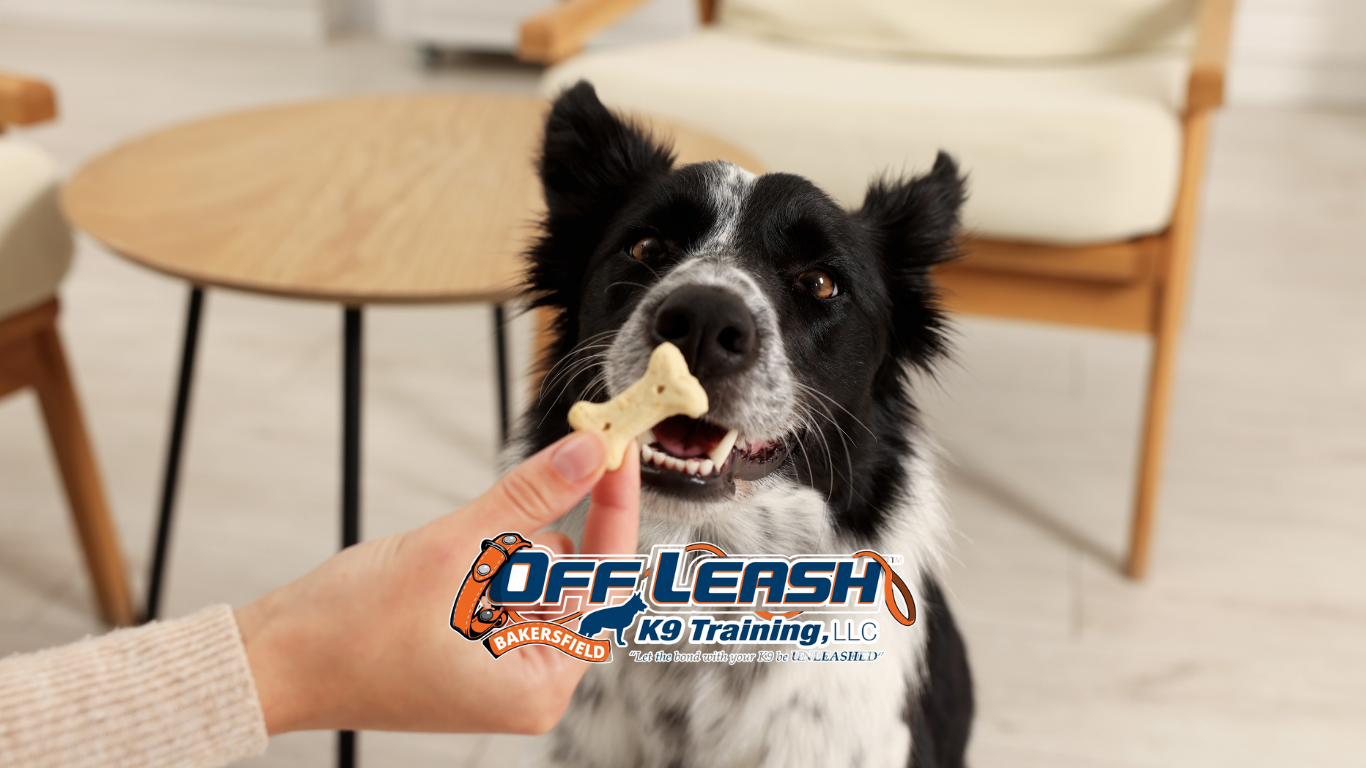
Training dogs to ignore food distractions
Canine trainers often face the delicate challenge of teaching dogs to ignore food distractions, a skill critical for ensuring the safety and discipline of our furry companions. Just consider the recent statistics from animal behaviorists: over 60% of dog owners report struggles with managing their pet’s fixation on food. This underlines the urgent need for specialized training programs focused on redirecting a dog’s attention away from tempting treats.
The concept of training dogs to steer clear of food distractions dates back to early obedience training strategies. Historical methods evolved, yet the challenge remains complex due to the dog’s natural inclination towards food. Interestingly, research shows that consistent, positive reinforcement can effectively reduce food-related distractions by up to 80%. Thus, understanding and implementing these techniques becomes paramount for a well-behaved and focused dog.
Training dogs to ignore food distractions involves using consistent positive reinforcement, implementing the “Leave It” command, and practicing in varied environments. Start with controlled settings and gradually introduce real-world scenarios. This method effectively enhances focus and discipline, mitigating the risks associated with unchecked food temptations.

Training dogs to ignore food distractions
Teaching dogs to ignore food distractions can significantly improve a dog’s focus and obedience. This training is crucial for service dogs, competitive canines, and everyday pets. It prevents potential hazards, like ingesting harmful items, and enhances discipline. While dogs have a natural attraction to food, training can help manage this instinct. Consistency and patience are key to success.
A common method begins with basic commands in a controlled environment. Gradually introduce low-level food distractions and reward the dog for ignoring them. As the dog improves, increase the difficulty by adding more tempting treats. The progress should be rewarding yet challenging for your dog. This builds a solid foundation.
Implementing positive reinforcement boosts the dog’s success rate. Use healthy treats or praise to reward desired behavior, making the training enjoyable. Avoid negative consequences, as they can lead to stress and setbacks. Training sessions should be short, around 5-10 minutes, to maintain the dog’s interest. Consistent practice is essential.
Advanced techniques involve real-world scenarios. Practicing on walks or in busy parks can prepare dogs for everyday distractions. Socializing with other dogs and adjusting the training environment adds complexity. Experiment with various distractions to ensure the dog can handle different situations. Ultimately, well-trained dogs are more attentive and reliable companions.
Key challenges in food distraction training
One of the primary challenges in food distraction training is the dog’s natural inclination towards food. Dogs have a strong sense of smell, which makes ignoring tempting food quite difficult. This instinct is deeply ingrained and requires significant effort to manage. Moreover, different breeds have varying levels of food motivation. Understanding your dog’s unique tendencies is crucial for effective training.
Another challenge is maintaining consistency across different environments. A dog may perform well in a controlled setting but struggle in a more dynamic environment like a park. This variability demands that training be extended beyond home settings. Trainers need to gradually introduce distractions in various locations. This slow, steady approach helps the dog adapt better.
Distractions from other animals or humans can complicate the training process. Dogs may become easily distracted by other dogs, making it hard to focus solely on ignoring food. Interaction from people can also divert attention during training sessions. It’s important to minimize these distractions initially. Gradual exposure to more social settings aids in overcoming this issue.
Finally, some dogs may experience anxiety or stress during training. Negative experiences with food can heighten this stress, making it tough for them to concentrate. Avoiding punishment and focusing on positive reinforcement is vital. Creating a relaxed training environment can alleviate stress, making the process smoother. This balance fosters a positive learning experience for the dog.
Benefits of teaching food resistance to dogs
Training dogs to resist food distractions offers numerous advantages. One significant benefit is enhancing the dog’s focus and obedience. When a dog can ignore food temptations, it becomes easier to train them for other commands. This ultimately leads to better overall behavior. Owners can enjoy a more disciplined and attentive pet.
Another advantage is improved safety. Teaching food resistance can prevent dogs from consuming harmful substances when unattended. Dogs with strong food resistance are less likely to eat poisonous plants, chemicals, or spoiled foods. This reduces the risk of emergency vet visits. It also brings peace of mind to the owners.
The social aspect of food resistance training is also important. Dogs that can ignore food distractions tend to behave better in public spaces. They can remain calm and focused during social interactions. This makes it easier to take them to parks, cafes, and other public places. Well-mannered dogs are more welcome in various settings.
Finally, food resistance training strengthens the bond between the dog and the owner. The process requires patience, consistency, and positive reinforcement. These shared experiences foster mutual trust and understanding. As a result, the relationship between the dog and the owner becomes more rewarding. The time invested in training pays off in many areas of life.
Effective methods for reducing food temptations
Using positive reinforcement is one of the most effective methods for reducing food temptations. Reward your dog with treats, praise, or playtime when they successfully ignore food distractions. This encourages them to repeat the desired behavior. Consistency in rewarding the correct actions helps solidify this training. Over time, the dog learns to associate ignoring food with positive outcomes.
Another effective technique is the “Leave It” command. Start by placing a treat on the ground and covering it with your hand. Say “Leave It” and wait for your dog to move away or look at you. As soon as they do, reward them with a different treat. Gradually, practice this command with the uncovered treat.
Using controlled setups can also aid in reducing food temptations. Arrange training sessions where food is intentionally placed around your dog in a controlled manner. This helps simulate real-life scenarios where they may encounter tempting foods. Supervise these sessions closely. Controlled setups allow you to correct undesired behavior immediately.
Socialization and exposure to various environments contribute to effective training. Take your dog to different places like parks or busy streets with various distractions. This variation helps your dog adapt to ignoring food in diverse settings. Gradual exposure to different environments builds their confidence. Consistent practice in these areas reinforces the training.
Interactive toys and puzzles can also redirect a dog’s focus from food. Using toys that dispense treats or puzzles that require problem-solving keeps your dog engaged. This method provides mental stimulation while diverting attention from food distractions. Using such toys occasionally in the training process is beneficial. Engaging your dog mentally helps reduce their food fixation.
Role of consistency and positive reinforcement
Consistency is critical when training dogs to ignore food distractions. Dogs thrive on routine and clear expectations. Keeping a regular training schedule helps reinforce desired behaviors. Random or sporadic training sessions can confuse the dog. This consistency builds a structured learning environment.
Positive reinforcement plays a significant role in shaping a dog’s behavior. Rewarding your dog for ignoring food distractions creates a positive association. This can be done through treats, praise, or playtime. It’s essential to reward immediately after the desired behavior. This immediate response reinforces the action.
Combining consistency with positive reinforcement leads to more effective training outcomes. Dogs learn to understand what is expected of them through regular practice. Repeated exposure to similar scenarios helps them become more adept at ignoring food distractions. Over time, this strengthens their ability to resist food temptations. Consistency ensures the training sticks.
Using a variety of rewards keeps the training interesting for the dog. While treats are common rewards, incorporating toys and affection can be equally motivating. Avoid using the same reward every time. This variety maintains your dog’s interest and enthusiasm for training. Mixing up rewards can also cater to different motivations.
Consistency should extend beyond training sessions to daily routines. Implement commands and positive reinforcement during everyday activities. Encourage good behavior during walks, playtime, and mealtimes. This seamless integration of training strengthens the habit. Over time, dogs become more disciplined across all situations.
Tracking progress is also beneficial. Keeping a journal of your dog’s improvements and challenges helps refine training methods. It allows you to identify patterns or hurdles in the training process. Adjusting techniques based on this feedback leads to better outcomes. Monitoring progress ensures a more focused and effective training program.
Advanced strategies for professional trainers
Professional trainers often employ advanced strategies to handle more complex training scenarios. One such strategy is distraction-proof training. Trainers expose dogs to a variety of distractions while asking them to follow commands. This method helps dogs learn to focus regardless of their surroundings. It can be very effective for service dogs.
Another advanced technique involves clicker training. A clicker is used to mark specific behavior that the trainer wants to encourage. The sound of the clicker, followed by a reward, creates a clear distinction for the dog. This precision enhances learning and understanding. Clicker training can speed up the training process significantly.
Incorporating agility exercises is another effective strategy. Professional trainers often use agility courses to improve a dog’s focus and obedience. These courses present a series of physical challenges that keep dogs engaged while learning to ignore food distractions. The physical activity also stimulates their minds. Regular agility training builds both mental and physical discipline.
Trainers may use scent training to teach dogs to ignore food smells. Dogs have an incredible sense of smell, and training them to ignore certain scents can be challenging. Specialized scent training helps dogs differentiate between different smells and focus on specific tasks. This can be particularly useful for working dogs. Consistent scent training yields impressive results.
Advanced socialization techniques are also utilized. Trainers expose dogs to various social settings to enhance their resilience. This involves interactions with other animals and humans in different environments. Gradual exposure in a controlled way helps dogs adapt better. These techniques ensure dogs maintain focus even in distracting social settings.
Lastly, keeping training sessions varied and dynamic is crucial. Professional trainers avoid monotonous routines by incorporating various exercises and challenges. This keeps the dog mentally stimulated and prevents boredom. The variety also helps dogs generalize the learned behavior. Regularly changing the training routine keeps it exciting and motivating for both the dog and the trainer.
Frequently Asked Questions
Training your dog to resist food distractions can enhance their behavior and safety. Below are some common questions and answers to help you better understand this process.
1. Why is food resistance training important for dogs?
Food resistance training is crucial for a dog’s overall health and safety. It prevents them from consuming harmful or inappropriate items, reducing the risk of illness or choking. Additionally, it enhances their focus and obedience, making other aspects of training more effective.
This training also improves a dog’s behavior in public settings, promoting better social interactions. A well-trained dog is more likely to stay calm and composed, ensuring a safer and more enjoyable environment for everyone involved.
2. What commands are essential for teaching dogs to resist food temptations?
The “Leave It” and “Stay” commands are fundamental in training dogs to resist food temptations. These commands help dogs understand that they should ignore the food item and wait for further instructions. Practicing these commands regularly can significantly improve a dog’s ability to resist distractions.
Consistency and positive reinforcement are key when teaching these commands. Rewarding your dog immediately when they obey helps them associate the action with positive outcomes. Over time, this becomes a learned behavior, making the dog more reliable in various situations.
3. How long does it typically take to train a dog to ignore food distractions?
The duration of training can vary depending on the dog’s age, breed, and previous training experience. On average, it may take a few weeks to a few months of consistent training for a dog to effectively ignore food distractions. Patience and persistence are essential throughout the process.
Regular, short training sessions are more effective than lengthy ones. Gradually increasing the complexity of distractions can help reinforce the training. Remember, each dog is unique, and progress might vary, so it’s important to stay committed.
4. What are some advanced techniques for professional dog trainers?
Professional trainers might use clicker training, distraction-proof training, and agility exercises. These methods help dogs focus and obey commands even in high-distraction environments. Clicker training, for instance, uses a click sound to mark desired behavior, followed by a reward.
Agility exercises involve physical challenges that keep dogs engaged while improving their focus and obedience. These advanced techniques are particularly useful for training service dogs and those in competitive sports. Implementing a variety of exercises keeps the training dynamic and effective.
5. How can I reinforce food resistance training at home?
Consistency is key to reinforcing training at home. Incorporate commands like “Leave It” and “Stay” into daily routines, such as during mealtimes or walks. This helps the dog understand that the rules apply everywhere, not just during formal training sessions.
Using a variety of rewards, including treats, toys, and praise, keeps the training interesting for the dog. Maintaining a positive and encouraging training environment makes the dog more eager to comply. Regular practice and patience ensure lasting results.
How To Teach Your Dog to Ignore Food! (With Cesar Millan)
Final Thoughts
Training dogs to ignore food distractions is not only beneficial for their safety but enhances their overall discipline. Through consistent practice and positive reinforcement, dogs can learn to stay focused in various environments. This training also strengthens the bond between the dog and the owner, making interactions more enjoyable.
Advanced techniques and professional guidance can further refine this training. With patience and dedication, any dog can master the skill of resisting food temptations. The rewards of a well-trained, obedient dog are invaluable, ensuring a harmonious and safe companionship.
"*" indicates required fields