Puppy Energy Management
Ever wondered why puppies are often likened to small tornadoes? Their boundless energy seems endless, often leaving owners both amused and overwhelmed. In fact, puppies can have energy bursts that rival the stamina of many adult dogs, necessitating a well-planned energy management strategy.
Puppy energy management isn’t all about tireless play; it’s a blend of mental stimulation and physical activity. Historically, dogs were bred to perform tasks, which channels their natural energy. Today, experts recommend a mix of structured activities and free play, with research showing that structured training sessions can reduce hyperactivity by up to 20%.
Puppy energy management involves blending physical exercise and mental stimulation to channel their exuberance positively. Regular routines including walks, playtime, and interactive toys are crucial. Balanced nutrition supports their active lifestyle, while training sessions and socialization help in promoting good behavior and reducing anxiety for a well-rounded approach.
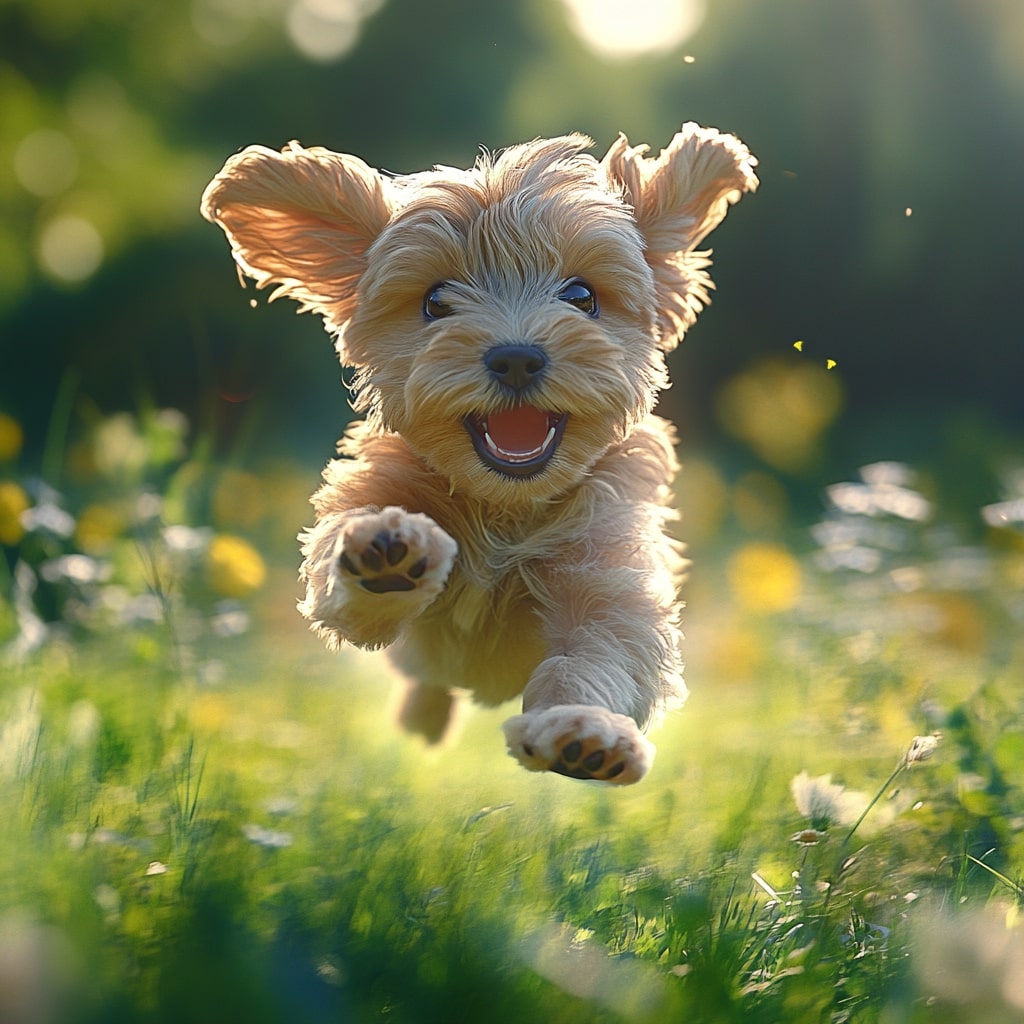
Puppy Energy Management Explained
Puppies are naturally energetic due to their young age and curiosity. This energy is essential for their growth and development, but it needs proper management. Without guidelines, their boundless energy can lead to destructive behavior. Understanding the roots of their energy is the first step. It often stems from both physical needs and mental stimulation.
Creating a structured routine for your puppy helps channel their energy effectively. This includes regular playtimes and physical exercise. Consistent schedules can make your puppy feel secure and less anxious. Providing a mix of activities keeps them engaged. It also prevents boredom, which can curb unwanted behaviors.
Incorporate mental stimulation alongside physical activities. This can include puzzle toys, training sessions, and socialization with other dogs. Puzzle toys challenge their minds, and training builds discipline. Social interaction helps them learn appropriate behaviors. These activities work together to exhaust both their mind and body.
Healthy energy management in puppies also involves proper nutrition. Balanced diets support their active lifestyles. Adequate rest is equally important for recovery and growth. Combining physical, mental, and nutritional care creates a well-rounded approach. This ensures your puppy remains happy and healthy.
Defining Puppy Energy: From Biological to Behavioral Insights
Puppy energy can be traced back to their biology. Puppies are designed to explore and learn about their environment. This exploration requires a lot of energy. A puppy’s rapid growth rate also contributes to their high energy levels. Their bodies and brains are developing quickly, which fuels their need for activity.
Behaviorally, puppies exhibit natural instincts that drive their energy. These include hunting, playing, and socializing. Play is crucial for learning and practicing important skills. Socialization helps them understand their surroundings. It’s how they learn to interact with humans and other animals.
Energy levels can vary based on breed and individual characteristics. For example, herding breeds like Border Collies tend to be more active. On the other hand, smaller breeds like Pugs may have bursts of energy but tire quickly. However, every puppy requires an outlet for their energy. Acknowledging these differences helps in creating tailored exercise routines.
Effective energy management combines understanding these biological and behavioral aspects. It’s important to provide activities that align with their natural instincts. Balanced routines should include physical exercises, mental stimulation, and proper rest. Observing a puppy’s behavior offers insights into adjusting these routines. This ensures their energy is utilized positively.
Key Techniques to Manage High Energy in Puppies
One effective technique to manage high energy is establishing a routine. Puppies thrive on consistent schedules for play, exercise, and rest. A set routine helps them understand what to expect, reducing anxiety. Regular exercise is crucial for burning off excess energy. This can include walks, playtime, and training sessions.
Mental stimulation is equally important for managing a puppy’s energy. Engage your puppy with puzzle toys, obedience training, and social interactions. Mental challenges can tire a puppy out as much as physical exercise. Variety in activities keeps them interested and engaged. Boredom can lead to destructive behavior, so keeping their minds busy is key.
Providing a safe and designated play area can help contain their energy. A puppy-proofed space allows them to play freely without causing damage. Make sure the area has toys and items that can safely occupy them. This setup encourages independent play. It also gives you peace of mind knowing they are safe.
Lastly, ensure your puppy gets adequate rest. Puppies need more sleep than adult dogs for proper growth. Rest periods in between activities help them recharge. Avoid overstimulation that may lead to excessive tiredness or irritability. Balancing activity with rest promotes healthy energy management.
Optimal Exercise Routines for Puppies
Creating an optimal exercise routine for puppies starts with understanding their needs. Puppies require a mix of physical activities to aid their growth and development. Short, frequent sessions work better than prolonged exercise. These sessions can include walks, playtime, and socialization. Regular interactions with other dogs also provide beneficial exercise.
Walks are essential for puppies, but they should be age-appropriate. Young puppies need shorter walks, gradually increasing as they grow. Avoid over-exercising them to prevent joint problems. Walks provide not only physical exercise but also mental stimulation. They get to explore new sights, sounds, and smells.
Engaging playtime is another crucial aspect of their routine. This can include playing fetch, tug-of-war, or using interactive toys. Fetch helps improve their retrieval skills and burns energy. Tug-of-war can be a great bonding activity. Interactive toys stimulate their minds and keep them entertained.
Training sessions can also serve as exercise. Incorporating obedience training into their routine helps discipline them while providing mental and physical activity. Basic commands like sit, stay, and come can be part of these sessions. Training reinforces good behavior and uses up their energy constructively. Positive reinforcement techniques work best for training puppies.
Incorporate rest periods within these activities. Puppies need downtime to recuperate from exercise. Ensure they have a comfortable space to rest and sleep. Balancing exercise with rest is critical for their well-being. This structured approach helps manage their energy effectively.
Lastly, vary their activities to prevent boredom. A mix of walking, playing, and training keeps them engaged. Rotate the types of toys and games to maintain their interest. This variety in routine contributes to a happy, healthy puppy. It also helps in developing a well-rounded pet.
Importance of Mental Stimulation Alongside Physical Exercise
Mental stimulation is just as important as physical exercise for puppies. Engaging their minds prevents boredom and destructive behaviors. Activities like puzzle toys, training sessions, and scent games keep them mentally sharp. These tasks challenge their brains and provide a sense of accomplishment. It also strengthens the bond between you and your puppy.
Training sessions are a great way to combine mental and physical activities. Teaching commands and tricks engages their intellect and provides physical movement. Regular training improves obedience and focus. It can also help in addressing behavioral issues. Positive reinforcement makes these sessions enjoyable for your puppy.
Puzzle toys are specifically designed to stimulate a puppy’s mind. These toys often require problem-solving skills, keeping your puppy engaged. They can be filled with treats, adding an incentive to solve the puzzle. This kind of stimulation can tire them out just as much as a walk. It also encourages independent play.
Interactive play, such as hide and seek, is another way to stimulate their minds. Hiding treats or toys around the house promotes their natural hunting instincts. They have to use their sense of smell and memory to find them. This engages multiple senses and keeps them busy. It also makes playtime more exciting.
Socialization also plays a vital role in mental stimulation. Interacting with other dogs and people helps them learn social cues. It’s important for their emotional development. Regular social interactions help them become well-adjusted adults. It teaches them how to behave in different settings.
Incorporating a balanced mix of mental stimulation and physical exercise ensures your puppy’s overall well-being. It promotes cognitive growth and physical health. This comprehensive approach helps in managing their energy levels effectively. A well-stimulated puppy is a happy and healthy companion. Be sure to vary activities to keep them interested and engaged.
Expert Tips for Long Term Energy Management in Dogs
Experts suggest maintaining a consistent exercise routine to manage a dog’s energy. This routine should be tailored to the dog’s age, breed, and health. Regular walks, playtime, and training sessions are crucial. Consistency helps in channeling their energy positively. It also establishes a predictable schedule.
Mental stimulation is another key aspect. Engage your dog with interactive toys, puzzles, and scent games. These activities keep their minds active and prevent boredom. Mental challenges can be as tiring as physical exercise. Varying these activities keeps them interested.
Nutrition plays a vital role in managing energy levels. Provide a balanced diet suited to your dog’s specific needs. Consult a vet to determine the best food options. Proper nutrition supports their physical and mental health. Avoid overfeeding, as it can lead to weight gain and reduced energy.
Socialization is important for a dog’s overall well-being. Regular interactions with other dogs and people teach them social skills. It helps in reducing anxiety and promoting good behavior. Scheduled playdates or visits to dog parks are useful. Socially well-adjusted dogs are often calmer and happier.
Monitoring and adjusting the routine as needed is essential. Observe your dog’s behavior and energy levels regularly. Adjust activities to match their changing needs. Older dogs may require less strenuous exercise. Ensuring they have a comfortable space to rest also contributes to effective energy management.
Combining these tips provides a comprehensive approach to long-term energy management. Consistent routines, mental stimulation, balanced nutrition, and socialization all play a part. Tailoring these elements to your dog ensures they remain healthy and happy. A well-managed dog is a joy to have as a companion.
Frequently Asked Questions
Managing puppy energy can be challenging but rewarding. Below are common queries about ensuring your puppy stays happy and well-behaved.
1. How often should I exercise my puppy?
Exercising puppies depends on their age, breed, and energy levels. Generally, short, frequent sessions work best. For young puppies, about five minutes of exercise per month of age twice a day is recommended. Gradual increases are important as they grow to prevent injuries and overexertion.
Apart from walks, include varied activities. Playtime, fetch, and training sessions all contribute to their exercise needs. Remember, exercise is not just physical. Mental stimulation also plays a significant role in keeping puppies engaged and preventing boredom.
2. What are some mental stimulation activities for puppies?
Mental stimulation activities are crucial for a puppy’s development. Puzzle toys are an excellent choice as they challenge their problem-solving skills. Hide-and-seek with toys or treats encourages them to use their sense of smell and memory. Training sessions that teach new commands or tricks can also be mentally engaging.
Interactive play with other dogs helps them learn social cues and behaviors. Introducing new environments or objects during walks can also provide mental challenges. Variety in these activities keeps the puppy interested and engaged, preventing behavioral issues caused by boredom.
3. Can nutrition affect my puppy’s energy levels?
Yes, nutrition plays a vital role in a puppy’s energy levels. A balanced diet rich in essential nutrients supports growth and sustains energy. Puppies require a diet high in proteins, fats, vitamins, and minerals to support their rapid development and activity levels.
Poor nutrition can result in low energy, growth issues, and health problems. Consult with a veterinarian to choose the best diet suited to your puppy’s breed and age. Besides a balanced diet, proper hydration is also essential for maintaining energy levels.
4. How do I know if my puppy is getting enough rest?
Puppies need a lot of sleep, typically around 18-20 hours a day. If your puppy is active and playful when awake but sleeps soundly during nap times, they are likely getting enough rest. Notice if they are irritable or restless; these can be signs of insufficient sleep.
Ensure they have a quiet, comfortable place to sleep away from disturbances. Creating a bedtime routine can help signal to your puppy that it’s time to wind down. Observing your puppy’s behavior will guide you in ensuring they get adequate rest for healthy growth.
5. How can I safely socialize my puppy with other dogs?
Socializing your puppy with other dogs is essential for their development. It helps them learn social skills and reduces fear and aggression. Start by introducing them to well-behaved, vaccinated dogs in a controlled environment. Supervision is key to ensuring positive interactions.
Gradually expose them to different settings like parks, obedience classes, or group play sessions. Observe their body language to ensure they are comfortable. Positive reinforcement through treats and praise for calm behavior can promote good social interactions.
Conclusion
Effective puppy energy management requires balance and understanding. Combining physical exercise with mental stimulation ensures their overall development. Tailored routines help puppies grow into well-behaved and healthy dogs.
Considering individual needs and breeds is crucial. Regular monitoring and adjustments keep the methods effective. With the right approach, managing a puppy’s energy can be rewarding and beneficial for both the puppy and owner.
"*" indicates required fields