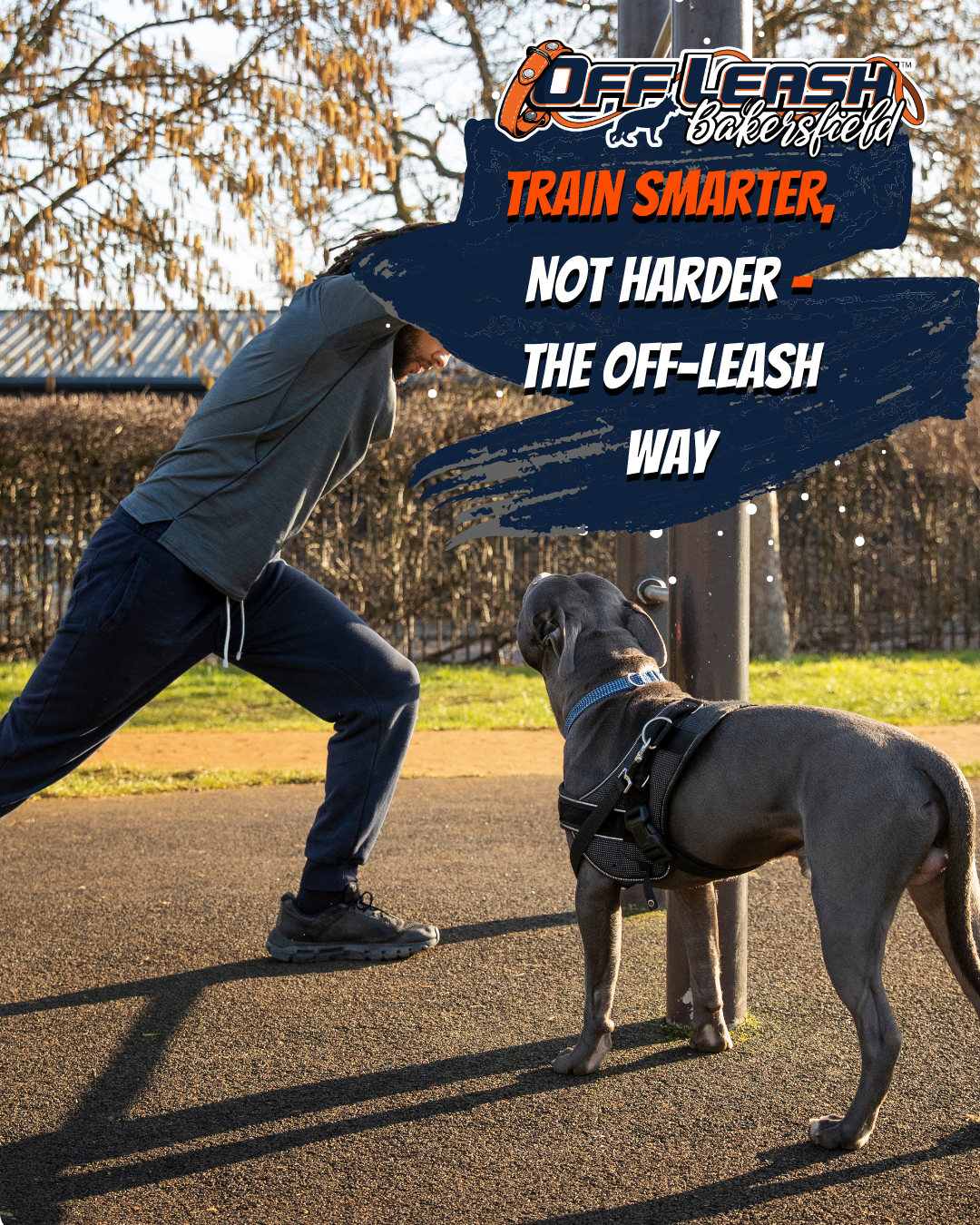
Train Smarter, Not Harder – The Off-Leash Way
What if I told you that almost 40% of canine behavioral issues could be mitigated by smarter training techniques? As professionals in the field, we understand the importance of efficient, productive training methods that cater to both the dog’s needs and the handler’s goals. But, why stick to conventional eye-contact techniques when there is a more instinctive approach waiting to be leveraged?
The Off-Leash Way emphasizes understanding and leveraging a dog’s natural tendencies rather than fighting against them. Developed through years of observing different breeds in their natural settings, this method fosters better retention and quicker results. According to recent studies, dogs trained off-leash show 20% more engagement and responsiveness, indicating a profound shift in how we should approach canine education.
Off-leash training allows dogs to explore freely while still following commands, enhancing trust and focus. By using positive reinforcement and gradually introducing distractions, owners can effectively train their dogs. This method fosters better behavior and confidence in diverse environments, strengthening the bond between dog and owner.
Train Smarter, Not Harder – The Off-Leash Way
Off-leash training allows dogs to explore their environment freely while still adhering to their training. This method leverages natural instincts, promoting a stronger bond between the dog and the handler. It emphasizes positive reinforcement, making training enjoyable for both parties. Moreover, off-leash training can be more efficient as dogs learn to respond in diverse settings.
The benefits of using off-leash techniques are numerous. For one, it enhances a dog’s confidence and independence. Additionally, dogs trained off-leash are often better behaved in public spaces. Owners can trust their dogs to follow commands without the constant need for a leash. These advantages can lead to a more harmonious relationship between the dog and owner.
Various techniques can be employed in off-leash training. Positive reinforcement is key, using treats and praise to reward desired behaviors. Clicker training is also popular, providing a consistent marker for good behavior. Recall training, which teaches dogs to return when called, is essential for safety. Practicing in controlled environments initially is crucial before advancing to more challenging settings.
Challenges are inevitable in off-leash training, but solutions exist. Distractions can be minimized by starting in low-stimulus areas. Consistent practice and patience are essential for success. Overcoming reluctance requires gradual exposure to different environments and situations. For stubborn behavior, incorporating more engaging activities can help motivate the dog. With dedication, off-leash training can transform your approach to dog training.
Understanding the Basics of Off-Leash Training
Off-leash training teaches dogs to follow commands without being physically restrained. The focus is on building trust and ensuring the dog feels secure without a leash. To start, it’s essential to create a positive association with off-leash time. Begin training in a safe, enclosed environment where the dog cannot escape. This helps both the owner and the dog feel more comfortable as they learn together.
Positive reinforcement is a crucial element of off-leash training. Rewarding good behavior with treats and praise encourages the dog to repeat the actions. Consistency is essential, so always reinforce rules and commands in the same way. Avoid punishment as it can create fear and confusion. Using a clicker can also help mark desired behaviors clearly.
Basic commands such as “sit,” “stay,” and “come” are essential for successful off-leash training. These commands should be well-established before attempting more complex behaviors. Initially, practice these commands with the dog on a leash. Gradually reduce leash use as the dog becomes more reliable. Over time, the dog will respond to commands without needing to be physically guided.
Distractions can be a significant challenge during off-leash training. Training should progress gradually from low to high-distraction environments. Start in a quiet, familiar area and slowly introduce new distractions. This helps dogs learn to maintain focus despite external stimuli. Consistently practicing in various settings prepares dogs for real-world scenarios.
The Benefits of Off-Leash Training
Off-leash training provides dogs with a sense of freedom and boosts their confidence. When dogs are not restricted by a leash, they can explore their environment more naturally. This freedom can lead to reduced anxiety and stress. Furthermore, it allows dogs to engage in more physical exercise, which is essential for their health. Engaged and confident dogs are generally happier and better behaved.
The bond between a dog and its owner can significantly improve through off-leash training. Trust is a fundamental component of this training method. Dogs learn to rely on their owner’s commands and guidance without physical constraints. This increased trust translates into a stronger, more cooperative relationship. Owners often feel a great sense of accomplishment when their dog can follow commands off-leash.
Many dog owners find that off-leash training offers practical benefits. For instance, it makes outdoor activities like hiking and running more enjoyable. Without the constant tug of a leash, both dog and owner can move more freely. Additionally, dogs trained this way tend to be more responsive in emergency situations. They can quickly come when called, which can be lifesaving in certain circumstances.
Off-leash training also promotes better socialization skills in dogs. Dogs learn to interact appropriately with other dogs and people. This is because they can explore their environment and meet new friends without the limitations of a leash. Better socialization reduces the likelihood of aggressive behaviors. Overall, dogs that are well-socialized are more adaptable and pleasant to be around.
Core Techniques Used in Off-Leash Training
Positive reinforcement plays a pivotal role in off-leash training. Dogs respond well to rewards like treats, toys, or praise. This technique helps in establishing a strong connection between the command and the desired behavior. By consistently rewarding good behavior, dogs quickly learn what is expected of them. Timing is crucial; rewards should be given immediately after the desired action.
Clicker training is another effective technique used in off-leash training. A clicker is a small device that makes a clicking sound when pressed. This sound acts as a marker to signal to the dog that they have performed the correct action. Clicker training helps in creating a consistent, clear communication channel between the dog and the owner. Over time, the dog associates the click with a reward, reinforcing the behavior.
Recall training is essential for off-leash training as it teaches dogs to come when called. It starts with calling the dog’s name followed by a command like “come” or “here.” Practicing this in a distraction-free environment is key initially. Gradually, practice in environments with increasing levels of distractions. Consistency and positive reinforcement are vital in ensuring the dog reliably responds to recall commands.
Desensitization is also a core element in off-leash training. It involves slowly exposing the dog to different environments and stimuli. This method helps the dog become accustomed to various distractions without losing focus on commands. By gradually increasing the complexity of the environment, dogs learn to remain obedient in diverse settings. This technique reduces anxiety and boosts the dog’s confidence.
Leash-free boundary training helps dogs learn limits without physical barriers. This is taught by guiding the dog to stay within a set area using commands and positive reinforcement. Visual markers like cones or flags can be used initially. Over time, these markers can be removed as the dog learns to recognize and respect the boundaries. This technique is particularly useful for large yards or open spaces.
Common Challenges and Solutions in Off-Leash Training
Distractions are a significant challenge in off-leash training. Dogs can be easily distracted by noises, scents, or other animals. To address this, start training in a controlled, distraction-free environment. Gradually introduce more distractions as your dog becomes more reliable. Consistent practice in various settings will build their focus.
Another hurdle is the dog’s natural tendency to roam. Some breeds have a stronger instinct to explore, making off-leash control difficult. Using positive reinforcement can help keep their attention on you. Regularly reward the dog for staying close and responding to commands. Over time, this behavior becomes ingrained.
Recall issues are common during off-leash training. Some dogs may not return promptly when called. One effective solution is to use high-value rewards that are more enticing than distractions. Practicing recall consistently in varying environments also helps. Reinforcing the recall command regularly ensures the dog’s responsiveness.
Training regression can occur as well, where dogs temporarily forget commands. This is normal and can be managed with patience and consistency. Revisit basic commands frequently to reinforce their learning. Also, maintain a calm and confident demeanor to guide your dog effectively. Avoid showing frustration, as this can confuse the dog.
Lack of confidence can hinder a dog’s progress in off-leash training. Building confidence through gradual exposure to new situations is key. Celebrate small successes with praise and rewards. Engaging in fun, interactive games can also boost confidence. A confident dog is more likely to remain focused and obedient off-leash.
Frequently Asked Questions
Here are some common questions about off-leash training for dogs. This will help you understand its benefits and techniques better.
1. What is the best age to start off-leash training?
The best age to start off-leash training is typically between six months to one year. At this age, puppies have better attention spans and are ready to learn basic commands like “sit” and “stay.” Early training helps embed good habits and reduces the chances of bad behavior later on.
However, it is crucial to understand that each dog is different. Some may be ready earlier, while others might need a bit more time. Consistency and patience are key. Taking slow, progressive steps ensures that the dog adjusts well to off-leash commands.
2. What equipment do I need for off-leash training?
To start off-leash training, you will need a few essential items. A sturdy clicker, high-value treats, and a long leash for initial phases are crucial. These ensure your dog remains engaged and gradually masters the off-leash commands.
Additionally, a safe, enclosed area is beneficial for practicing recall and other essential commands. This environment allows your dog to explore without the risk of running away. Eventually, as the dog becomes more reliable, the leash can be removed cautiously.
3. How can I ensure my dog’s safety during off-leash training?
Ensuring your dog’s safety during off-leash training begins with choosing a secure training environment. Enclosed spaces like fenced parks or secluded trails minimize risks. Avoid highly distracted areas, especially in the initial training stages.
Always carry a recall whistle or a loud sound to grab your dog’s attention in emergencies. Additionally, ensure that your dog wears an identification tag. Microchipping your dog adds an extra layer of security, enabling quick identification if they stray too far.
4. Why is positive reinforcement important in off-leash training?
Positive reinforcement is crucial in off-leash training as it encourages desirable behavior through rewards like treats, praise, or toys. This approach creates a positive association with the commands being taught. It makes the training enjoyable and effective for the dog.
Unlike punishment-based training, positive reinforcement boosts a dog’s confidence. It encourages dogs to repeat the behavior voluntarily because they associate it with a favorable outcome. This results in a stronger and more reliable response to off-leash commands.
5. What should I do if my dog doesn’t respond during off-leash training?
If your dog doesn’t respond during off-leash training, it is vital to remain calm and avoid punishing them. Reacting negatively can create fear and further hinder their progress. Instead, go back to practicing basic commands in a less distracting environment.
Using high-value treats and focusing on positive reinforcement can help re-engage your dog. Regular, short training sessions are more effective than long, exhausting ones. Be patient and consistent, gradually increasing the difficulty as your dog shows progress.
Conclusion
Off-leash training offers numerous benefits, including enhanced trust and better behavior in dogs. With the right techniques, like positive reinforcement and desensitization, training becomes not just effective but enjoyable for both dog and owner. The process strengthens the bond and boosts the dog’s confidence.
Challenges are inevitable, but with patience and consistency, they can be overcome. By starting in controlled environments and gradually introducing distractions, dogs learn to focus and obey commands reliably. Off-leash training, when done correctly, leads to happier, well-behaved dogs.
"*" indicates required fields