
When Dog Training Meets Trust, Magic Happens.
Trust plays a vital role in effective dog training. Research shows that dogs are more responsive to training methods that emphasize trust and positive reinforcement. Consider a scenario where a dog performs exceptionally well not out of fear, but because of the mutual trust developed with its trainer. This strong bond of trust transforms training sessions into opportunities for deeper relationships, resulting in more effective learning and lasting obedience for the dog.
The significance of trust in dog training has historical roots, tracing back to early domestication practices. Modern statistics highlight that positive reinforcement techniques, which are built on trust, have a success rate of over 75%. This key aspect underscores the importance of fostering a trusting relationship, making it clear that trust is not merely a component, but a cornerstone of effective dog training.
Trust-based dog training techniques, which involve consistency and positive reinforcement, are essential for fostering a strong bond between trainers and dogs. This approach leads to improved obedience and reduced anxiety, making training more effective and humane. Trust-oriented training ultimately results in long-term behavioral stability and enhanced mutual understanding.
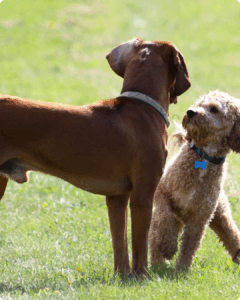
The Essential Bond: How Trust Influences Dog Training
Trust between a dog and its trainer is the cornerstone of successful training. When a dog trusts its trainer, it feels safe and more willing to learn. This psychological safety allows the dog to focus better during training sessions.
Positive reinforcement is a proven method to build trust. Praising and rewarding a dog when it performs well establishes a trusting relationship. Dogs respond better to kindness and consistency rather than punishment, which can break trust.
Successful trainers often use consistency to foster trust. For example, feeding the dog at the same time each day builds routine and reliability. Predictable behavior from the trainer reassures the dog, making training smoother.
Studies show that trust-based training leads to better retention of learned behaviors. Trust reduces anxiety in dogs, helping them to learn faster and remember commands longer. This results in a stronger, more reliable bond between the dog and its trainer.
The Psychology Behind Trust in Training: Creating a Secure Learning Environment
Creating a secure learning environment for a dog starts with understanding its psychological needs. Dogs, much like humans, need to feel safe to learn effectively. When a dog feels threatened or anxious, it becomes difficult for it to focus on training.
Building trust involves being patient and consistent. When trainers use gentle commands and positive reinforcement, dogs start to associate training with positive experiences. Over time, this approach makes learning enjoyable and reduces stress for the dog.
Another key aspect is avoiding negative reinforcement. Yelling or punishing a dog can erode trust and create a fearful environment. Instead, trainers should focus on rewarding good behavior and correcting mistakes calmly, fostering a positive and secure atmosphere.
Secure environments also include physical elements like a comfortable training space. A quiet, distraction-free area helps dogs concentrate better. Ensuring the dog has access to water, shade, and occasional breaks also contributes to a safe and supportive learning environment.
Techniques to Build Trust: From Consistency to Positive Reinforcement
Consistency is a fundamental technique in building trust with a dog. Sticking to a regular routine helps dogs understand what to expect. This predictability can make them feel more secure and calm.
Positive reinforcement is another powerful tool. Rewarding good behavior with treats, praise, or playtime encourages dogs to repeat those actions. It creates a positive association with training, making them eager to learn.
- Treats
- Verbal praise
- Playtime
It’s also important to keep training sessions short and enjoyable. Long sessions can lead to frustration and boredom. Keeping them brief ensures dogs stay engaged and responsive.
Lastly, body language and tone of voice play a crucial role. Dogs are very perceptive and can pick up on human emotions. Using a calm voice and relaxed body language helps convey safety and trust. This non-verbal communication is key to a successful training experience.
Case Studies: Successful Trust-based Training Programs
One notable example of trust-based training is the program conducted by Canine Companions for Independence (CCI). They use a technique called “positive reinforcement” to train service dogs. Dogs in their program respond better due to the trust built through consistent, positive interactions. The success rate of CCI’s dogs in finding matches exceeds 90%.
Another successful case is the training at Best Friends Animal Society. They focus on rescue dogs that often come from traumatic backgrounds. Their training emphasizes building trust, with trainers spending extra time bonding with the dogs. This has resulted in significant improvements in the behavior of the animals.
Guide Dogs for the Blind (GDB) also showcases how trust influences training. Their approach includes early socialization and consistent positive reinforcement. The dogs trained here show high levels of obedience and loyalty due to the trust developed.
- Early Socialization
- Consistent Positive Reinforcement
- Regular Training Sessions
In another case, Paws With a Cause trains dogs to assist people with disabilities. They use a trust-based method where the dog and the person work together regularly. This relationship-focused training ensures the dog understands and trusts its handler deeply. The success of this program is evident in the strong bonds formed between dogs and their handlers.
Finally, the Tellington TTouch Method is a holistic approach that centers on trust. It involves gentle touches and body wraps to reduce stress and anxiety in dogs. Trainers have found that dogs respond well to this method, becoming more relaxed and cooperative during training sessions.
Measuring Trust: Indicators of Successful Trainee-Trainer Relationships
One key indicator of a successful trainee-trainer relationship is the dog’s willingness to learn. A dog that trusts its trainer often shows enthusiasm and excitement during training sessions. This eagerness to participate is a clear sign of a strong bond.
Another indicator is the dog’s ability to remain calm and relaxed. Dogs that trust their trainers are less likely to show signs of stress or anxiety. They feel safe, making them more receptive to training.
Consistency in obeying commands is also a strong trust indicator. If a dog consistently follows cues both during and outside of training sessions, it’s a sign of mutual trust. This reliability showcases the effectiveness of trust-based training methods.
- Enthusiasm during training
- Calm and relaxed behavior
- Consistency in obeying commands
Eye contact is another subtle yet powerful sign. Dogs that frequently make eye contact with their trainers are showing trust and attentiveness. This non-verbal communication strengthens their connection and cooperation.
Lastly, seeking comfort from the trainer during stressful situations indicates trust. If a dog looks to its trainer for reassurance when scared or uncertain, it demonstrates a strong bond. This connection is crucial for effective and compassionate training.
The Long-Term Benefits of Trust-Oriented Training
Trust-oriented training results in lifelong loyalty from dogs. When trust is established early, it forms a bond that lasts through the dog’s life. This relationship makes it easier to introduce new commands even after many years.
Dogs trained with trust as a foundation exhibit fewer behavioral problems. Trust reduces anxiety and fear, leading to a more relaxed and well-behaved dog. This translates to fewer outbursts of aggression or destructive behavior.
Another significant benefit is the improved health of the dog. Stress can have a negative impact on a dog’s health, causing issues like depression and weakened immune systems. A trusted relationship decreases stress, promoting better overall health.
- Fewer behavioral problems
- Less stress
- Improved health
Additionally, trust-based training strengthens the human-animal bond, making activities like vet visits less stressful. Dogs trust their owner’s guidance, making these experiences smoother. This is beneficial for both the dog’s wellbeing and the owner’s peace of mind.
Finally, trust-oriented training can enhance the dog’s overall quality of life. A secure, trusting dog is more likely to be social, engage in play, and interact positively with other animals and people. This contributes to a happier, more fulfilling life for the dog.
Challenges and Solutions in Building Trust During Training
One of the primary challenges in building trust with a dog is overcoming past trauma. Dogs that have faced abuse or neglect often have trust issues. This makes it hard for them to feel safe even in a positive training environment.
To address this, trainers can use slow and steady approaches. Patience is key, allowing the dog to get comfortable at its own pace. Using gentle reinforcement techniques will help build trust step by step.
- Patience
- Gentle reinforcement
- Slow progression
An inconsistent training regimen can also create problems in trust-building. Changing commands or schedules frequently may confuse and frustrate the dog. Consistency helps create a predictable environment, which fosters trust.
Fear responses can still occur despite best efforts. A sudden trigger like a loud noise can set back progress. Solutions include desensitizing the dog slowly to these triggers while providing consistent reassurance.
Lack of communication between the trainer and owner poses another challenge. Misaligned methods can confuse the dog, making it difficult to build trust. Regular updates and shared goals between all parties ensure uniformity, enhancing trust development.
Future Trends in Dog Training: The Role of Trust Moving Forward
The future of dog training is increasingly focusing on trust-based methods. As more research highlights the benefits of trust in training, this approach is gaining popularity. Trainers are now adopting techniques that emphasize positive relationships over dominance.
Technology will play a critical role in future dog training. Wearable devices and apps can help monitor a dog’s stress levels and behaviors. These tools provide real-time data, allowing trainers to adjust their methods for better outcomes.
- Wearable devices
- Training apps
- Real-time data analysis
Another trend is the shift towards personalized training programs. Understanding that each dog has unique needs, trainers are developing customized plans. These tailored approaches build trust faster by addressing individual challenges.
Environmental enrichment is also becoming an integral part of training. Activities like puzzle games and agility courses not only make training fun but also build mutual trust. This holistic approach ensures the dog’s physical and mental well-being.
Community-based programs are emerging as well, involving families in the training process. These programs emphasize consistent, trust-building techniques that everyone in the household can use. This ensures a supportive environment for the dog, aiding in the establishment of trust.
Frequently Asked Questions
Trust plays a crucial role in effective dog training, impacting how dogs respond to commands and new environments. Below are some common questions about building trust in dog training along with detailed answers.
1. How does trust impact a dog’s behavior during training?
Trust significantly enhances a dog’s learning experience by reducing anxiety. When a dog trusts its trainer, it is more likely to remain calm and focused. This attentiveness allows the dog to absorb new commands quickly and perform them reliably. Trust-based training results in fewer behavioral issues and a stronger bond.
Conversely, a lack of trust can lead to distraction and disobedience. Dogs that don’t trust their trainers are often more anxious, making them less likely to concentrate. This stress can hinder the learning process and result in negative behaviors such as aggression or withdrawal. Thus, building trust is essential for effective training.
2. What are some initial steps to establish trust with a new dog?
Begin by creating a safe and comfortable environment for your dog. Ensure that the dog has a cozy sleeping area and access to food and water. Spend time together in a relaxed setting, allowing the dog to get accustomed to your presence. Gentle interactions and positive experiences will foster trust over time.
Consistency is key in establishing trust. Stick to a regular schedule for feeding, walks, and training sessions. Avoid sudden changes or loud noises that might scare the dog. Focus on positive reinforcement, rewarding good behavior with treats and praises to strengthen your bond.
3. Why is consistency important in trust-based dog training?
Consistency helps create a predictable environment for the dog, which fosters trust. When routines and commands remain the same, dogs feel secure and know what to expect. This predictability reduces anxiety and enhances their ability to learn and retain new commands effectively.
Inconsistent training can confuse the dog, leading to frustration and mistrust. If a dog doesn’t know what will happen next, it may become fearful or disobedient. Regular, predictable interactions help reinforce positive behavior and build a solid foundation of trust between the trainer and the dog.
4. Can trust-based training be applied to rescue dogs with traumatic pasts?
Yes, trust-based training is particularly beneficial for rescue dogs with traumatic pasts. These dogs may have trust issues due to previous mistreatment or neglect. Giving them a safe and consistent environment helps them relax and start to rebuild their trust in humans.
Patience and gentle reinforcement are critical. Progress may be slow, but using positive reinforcement and patience, rescue dogs can gradually overcome their fears. Trust-based training helps these dogs not just learn commands but also improve their overall well-being.
5. How can technology support trust-based dog training?
Wearable technology and apps are becoming valuable tools in trust-based dog training. Devices that monitor stress levels and behavioral patterns can provide insight into a dog’s well-being. Trainers can use this data to tailor their techniques, ensuring the methods align with the dog’s comfort levels.
Training apps can guide owners through structured programs, promoting consistency. Features like reminders and progress tracking help maintain a regular training schedule. Technology helps trainers better understand and meet their dog’s needs, fostering trust and improving training outcomes.
Conclusion
The integration of trust in dog training elevates the relationship between trainers and dogs. By focusing on positive reinforcement and consistency, trainers can foster strong, lasting bonds. This approach not only enhances training effectiveness but also contributes to the dog’s overall well-being.
As dog training continues to evolve, the emphasis on trust-based methods will undoubtedly shape future practices. Implementing these techniques leads to happier, healthier dogs and more successful training outcomes. Trust remains the cornerstone of any effective dog training program.
"*" indicates required fields