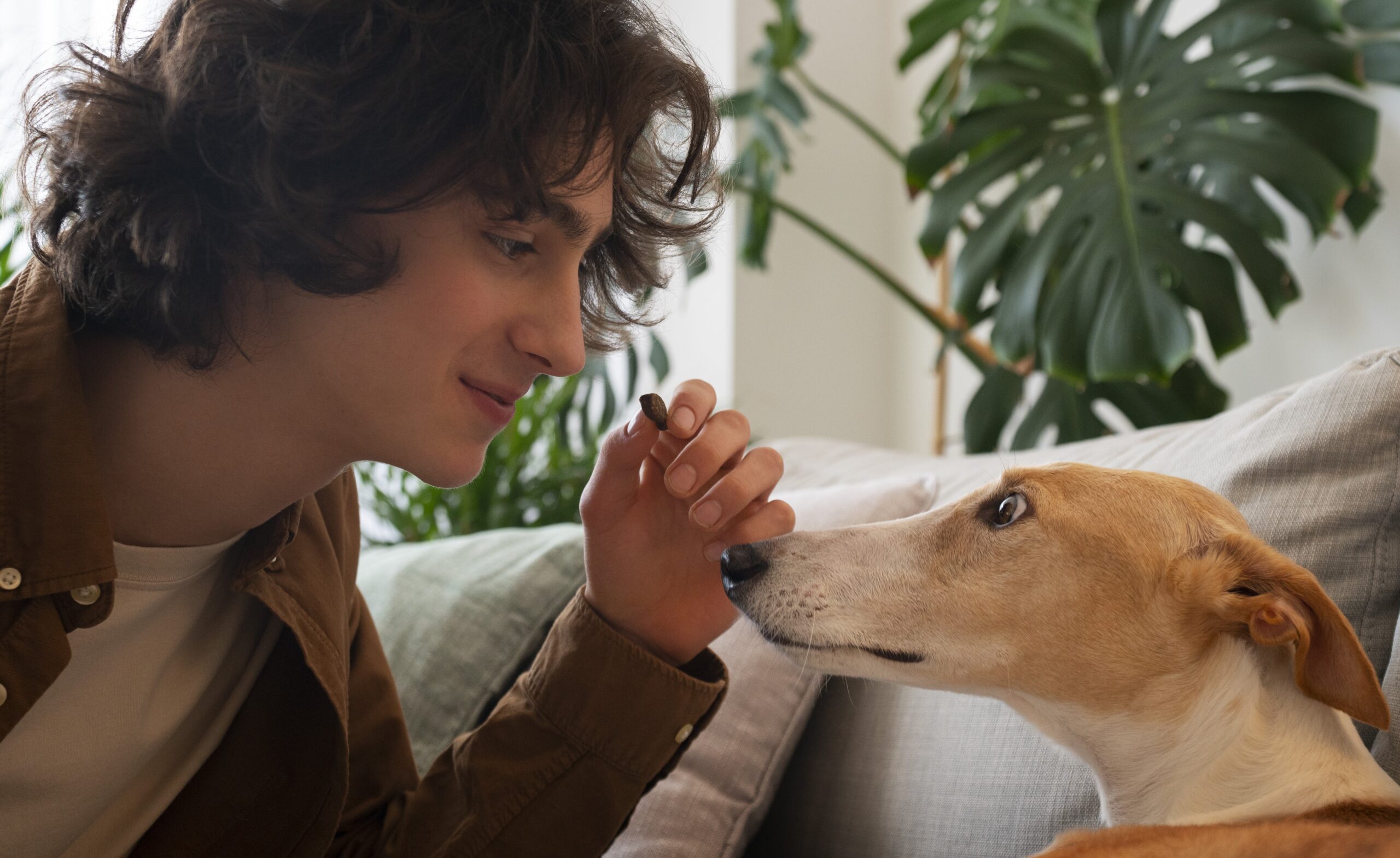
How Scent Work Improves a Dog’s Confidence
Consider the curious transformation of a shy rescue dog after participating in scent work training. Suddenly, a once timid animal brims with newfound confidence, navigating the world with an empowered stance. This surprising shift can be attributed to the intrinsic confidence-building aspects of scent-based activities.
Historically, scent work has been a cornerstone in training working dogs, but its confidence-boosting benefits extend beyond service animals. Engaging a dog’s natural hunting instincts through scent detection can significantly reduce anxiety and build self-assurance. A study by the American Humane Society observed that 80% of dogs involved in regular scent work displayed marked improvements in confidence levels.
Scent work improves a dog’s confidence by engaging their natural instincts and providing mental stimulation. It allows dogs to use their powerful sense of smell to solve problems, which builds their self-esteem. Successful scent detection activities also reduce anxiety, encourage calm behavior, and enhance the bond between dog and handler.
How Scent Work Improves a Dog’s Confidence
Scent work taps into a dog’s natural ability to use their nose, an instinctive skill they often don’t get to exercise fully. This activity allows dogs to engage their sense of smell in a focused manner, which can foster a sense of accomplishment. By finding hidden items, dogs feel successful and proud of themselves.
When dogs participate in scent work, they encounter new environments and challenges that require them to make decisions. This process boosts their decision-making skills and overall confidence. They learn to trust their noses and instincts more, helping them feel more secure.
The repetitive nature of scent work can be particularly soothing, reducing anxiety levels. Dogs that regularly engage in these activities become more relaxed and open to new experiences. For example, previously shy dogs may show noticeable improvements in social situations.
Engaging in scent work also strengthens the bond between dogs and their handlers. When dogs see that their humans appreciate and reward their efforts, it builds mutual trust. This bond is key to cultivating a dog’s confidence both during scent work and in everyday life.

The Science Behind Scent Detection and Empowerment
The canine sense of smell is incredibly powerful, with dogs having up to 300 million olfactory receptors, compared to the mere 6 million humans possess. This acute sense allows dogs to detect even the faintest of scents, which can be transformative in building their confidence. By utilizing this natural skill, dogs can find hidden objects or trails with ease.
Engaging in scent detection taps into the primal instincts of dogs, offering them a purposeful and rewarding task. Scientific studies have shown that using these senses stimulates the dog’s brain, releasing dopamine, the ‘feel-good’ hormone. This positive reinforcement encourages dogs to continue exploring and learning.
When dogs are allowed to follow their nose, they independently solve problems. This freedom to make decisions enables them to feel more empowered and self-reliant. It also helps develop their cognitive skills, improving their ability to think critically and act confidently.
Researchers at universities have even linked scent work to reduced stress levels in dogs. By participating in regular scent activities, dogs can become more relaxed and less anxious. This reduction in stress is crucial for overall well-being, leading to happier and healthier pets.
Common Behavioral Challenges Addressed by Scent Work
Scent work can effectively address several common behavioral issues in dogs. One major challenge is destructive behavior, often stemming from boredom or lack of mental stimulation. By keeping dogs engaged in scent-based tasks, their minds stay busy, reducing the likelihood of destructive activities.
Another frequent problem is separation anxiety, which causes distress when the owner is away. Scent work provides a structured activity that can distract and comfort dogs during these times. It offers a sense of purpose and can help create a positive and calming routine.
Dogs with excessive barking issues may also benefit from scent work. When dogs have a job to focus on, such as finding a hidden scent, their need to bark out of boredom or frustration diminishes. This quiet concentration helps create a more peaceful home environment.
Fearfulness and lack of socialization are other common issues addressed by scent work. Engaging in these activities in different environments exposes dogs to new situations, gradually building their confidence. This exposure helps them become more comfortable around people and other animals.
Practical Scent Work Activities to Boost Confidence
Many practical scent work activities can help boost a dog’s confidence. One simple home activity involves hiding treats around the house. Dogs use their noses to find these treats, which creates a sense of achievement and joy.
Another effective activity is playing hide and seek with their favorite toy. Hiding a toy in different areas around the house or yard encourages dogs to use their scent skills to locate it. This game provides both mental and physical stimulation.
For a more advanced challenge, scent trails can be created. By dragging a treat or a scented object along a path, you can create a trail for your dog to follow. This activity sharpens their focus and increases confidence.
Outdoor scavenger hunts introduce dogs to new environments. You can hide small, scented objects in various places in the park or backyard. These hunts can break routine and expose your dog to different smells, further boosting their confidence.
Engaging in formal scent detection classes is another excellent option. These classes, often available at pet stores or training facilities, can provide a structured environment for learning. Dogs benefit from the social interaction and structured challenges in these classes.
Scent work can also be incorporated into daily walks. You can hide treats along the walking route to add excitement and purpose to the exercise. This approach turns a regular walk into an exciting adventure, steadily building your dog’s confidence.
Key Benefits for Shy and Anxious Dogs
Scent work offers shy and anxious dogs a safe, structured activity that builds their confidence. By engaging their natural instincts, dogs find purpose in their tasks, which helps reduce anxiety. This method taps into their primal senses, providing them with a comforting and familiar experience.
Through scent work, shy dogs can overcome their fears by gradually facing controlled challenges. This type of gradual exposure helps them get accustomed to new environments and situations. As they successfully navigate these tasks, their self-assurance grows.
Structured scent activities can also help distract anxious dogs, keeping their minds busy and preventing them from focusing on stressors. This mental engagement is crucial for reducing behavioral issues caused by anxiety. It turns their nervous energy into a productive outlet.
Moreover, scent work activities can be a great way to socialize shy dogs. Being part of classes or group scent hunts allows them to interact with other dogs in a non-threatening manner. These interactions build social skills and confidence in a gradual and controlled way.
Scent work also strengthens the bond between the dog and its owner. The regular, positive interactions associated with this activity build trust. When dogs trust their owners, they feel more secure and confident, knowing they are supported.
Consistent success in scent work gives dogs a sense of achievement. This continuous positive reinforcement encourages them to try new things, knowing they are capable. Over time, even the shyest dogs can become more adventurous and less fearful.
Tips for Incorporating Scent Work into Everyday Training
Incorporating scent work into everyday training can be both easy and fun. Start small by hiding treats around the house during meal times. This makes a regular activity more interesting and engaging for your dog.
During your daily walks, bring along a few treats and plant them along the route. Encourage your dog to find these hidden rewards by giving them the command to “find it.” This practice not only stimulates their sense but adds excitement to the walk.
Integrate scent work into obedience training sessions. Ask your dog to perform a sit or stay and then hide a treat while they wait. Reward them with the hidden treat once they find it, combining obedience and scent training.
You can also create simple scent games at home. Use old boxes or containers, hiding a treat under one and letting your dog figure out which one has the prize. This game is great for mental stimulation and can break up the monotony of regular training.
Invest in scent work kits that are available in pet stores. These kits come with different scents and detailed instructions. They can provide more structured exercises and help introduce new challenges.
Join a local scent work class to expose your dog to structured activities. These classes often incorporate advanced scent work techniques and offer social interaction for your dog. They can be an excellent addition to your regular training routine.
Frequently Asked Questions
Scent work can be a powerful tool for boosting your dog’s confidence. Here are some common questions and answers to help you understand the benefits and applications of scent work.
1. How can scent work help with a dog’s separation anxiety?
Scent work helps reduce separation anxiety by providing a mental distraction. Engaging a dog’s sense of smell keeps their mind occupied, reducing stress when they are alone. This focus helps break the cycle of anxiety and nervous behaviors often associated with separation.
Additionally, regular scent work builds a structured routine, offering comfort and predictability to your dog. This structured activity not only calms them but also gives them a sense of security, knowing what to expect when you are away.
2. What are some good beginner scent work activities for puppies?
Hidden treat games are a fantastic starting point for puppies. Simply hide treats around a small area for your puppy to find. This introduces them to using their nose and builds their excitement for finding hidden rewards.
Another great beginner activity is the “cup game.” Place treats under one of several cups and let your puppy figure out where it’s hidden. These simple exercises are perfect for nurturing their natural scenting abilities from a young age.
3. Can all breeds of dogs benefit from scent work?
Yes, all dog breeds can benefit from scent work. Every dog has a keen sense of smell, although some breeds have stronger olfactory capabilities. Scent work is versatile and can be tailored to suit any dog’s unique physical and mental abilities.
Regardless of size or breed, scent work engages their minds and reduces stress. It’s an inclusive activity that enhances confidence and provides mental stimulation, making it beneficial for all dogs.
4. How often should scent work be included in a dog’s routine?
Incorporating scent work into a dog’s routine two to three times a week can be highly beneficial. Regular practice ensures that your dog remains engaged and mentally stimulated. This consistent engagement helps reinforce confidence and reduce anxiety over time.
For avid learners or high-energy dogs, you can increase frequency to daily sessions. Short, enjoyable activities prevent burnout while keeping your dog’s nose in top shape, making scent work a fun and rewarding part of their routine.
5. What are the signs that a dog is enjoying scent work?
Signs that your dog enjoys scent work include tail wagging, focused attention, and an eager attitude during activities. Dogs that enjoy scent work often become excited when they see the scent work items come out. They may eagerly participate and seem more relaxed afterward.
Additionally, a dog that is engaged in scent work will show persistant interest in the tasks and may even insist on continuing after the session ends. These behaviors indicate that your dog finds scent work rewarding and stimulating.
Conclusion
Scent work is a valuable tool for enhancing a dog’s confidence and overall well-being. By tapping into their natural abilities, dogs can reduce anxiety and build trust with their handlers. These activities provide essential mental stimulation and a sense of purpose.
Incorporating scent work into everyday routines offers numerous benefits for dogs of all breeds and ages. This approach transforms simple training into engaging and rewarding experiences. Ultimately, scent work helps foster happier, more confident pets.
"*" indicates required fields