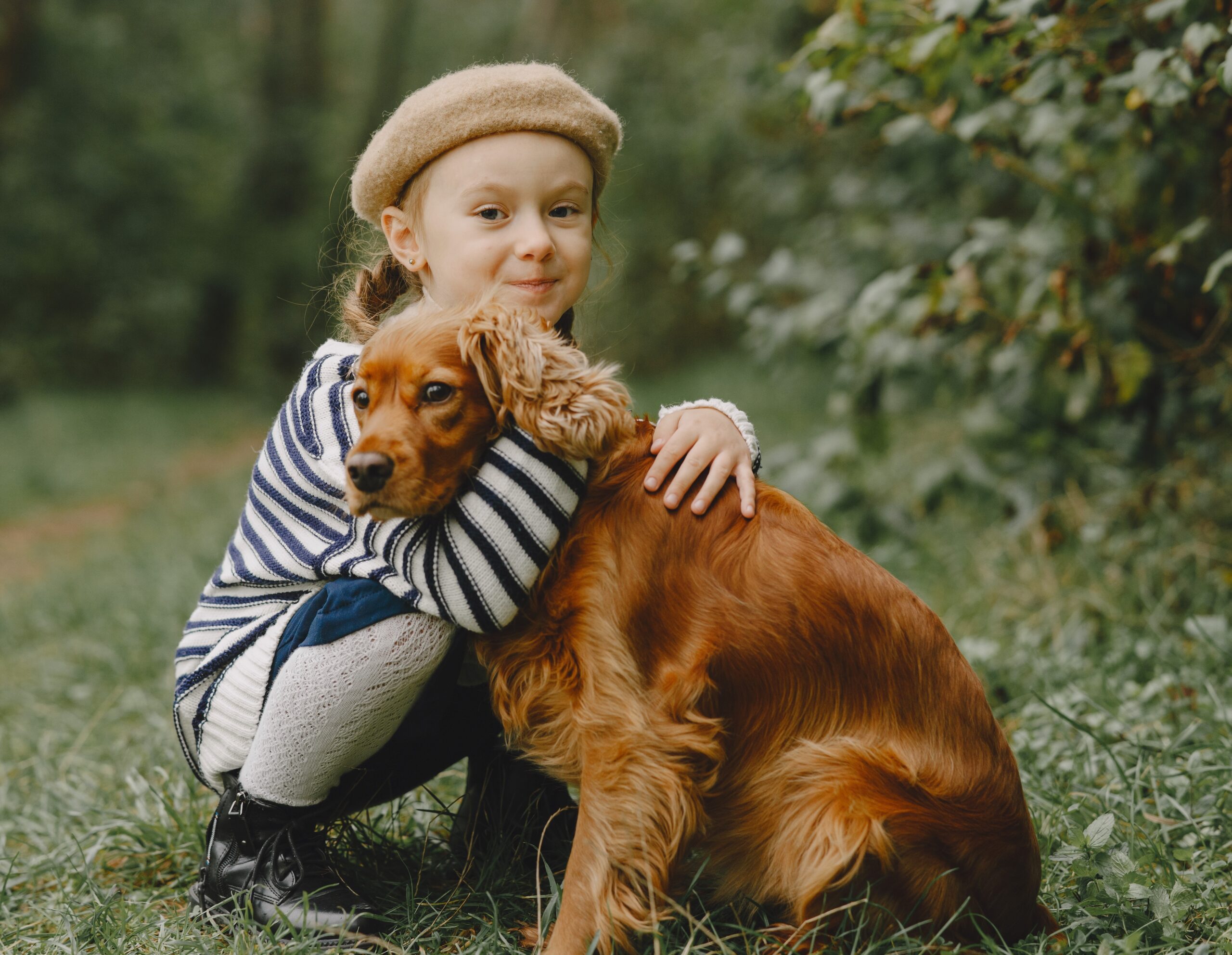
Growing Up with a Dog – Benefits for Kids and Families
Studies show that 63% of families with dogs report improved emotional well-being in their children. Having a furry companion often means children learn responsibility early on. They develop empathy and social skills faster than their peers without pets.
Historically, dogs have been deemed ‘man’s best friend’ for their loyalty and protective instincts. Modern research backs this, showing children who grow up with dogs are more active, reducing the risk of childhood obesity by 50%. The presence of a dog can be a stabilizing force, providing comfort and a sense of security for the entire family.
Growing up with a dog can enhance children’s emotional and social development, encourage physical activity, teach responsibility, provide emotional support, and strengthen family bonds. These benefits contribute to healthier, happier kids and foster closer familial relationships through shared activities and mutual care for the pet.

Growing Up with a Dog – Benefits for Kids and Families
Having a dog can greatly benefit children’s emotional and social development. Kids learn empathy by taking care of their pets. Dogs also provide comfort during stressful times. This unique bond enhances children’s emotional intelligence. Furthermore, it helps them understand and express their own feelings more effectively.
Dogs encourage children to be more active, promoting better physical health. Regular walks and playtime keep both kids and dogs fit. Activity boosts mood and reduces the risk of obesity. Being outdoors also helps children appreciate nature. This active lifestyle leads to healthier habits in the long run.
Responsibility is a key lesson learned from having a dog. Feeding, grooming, and walking the dog teach kids important life skills. These chores instill discipline and routine in their daily lives. Children learn the importance of caring for others. This experience prepares them for future roles and responsibilities.
Dogs are excellent emotional support animals. Their presence in the home can reduce family stress. Families bond over shared activities with their pets. This strengthens relationships and builds a cohesive family unit. The joy and unconditional love of a dog can bring everyone closer together.
Enhanced Emotional and Social Development
Having a dog can greatly contribute to children’s emotional growth. Dogs are always there for hugs and playtime, making kids feel loved. They provide a sense of security and comfort. This bond helps children feel more confident. It also helps them cope with anxiety and stress.
Social skills improve significantly when kids care for dogs. They learn to communicate not just with their pets but also with peers. Walking a dog often leads to conversations with neighbors. This helps children become more outgoing. It fosters a sense of community and belonging.
The responsibility of taking care of a dog can’t be overstated. Feeding and grooming pets teaches children about routine and commitment. These tasks require patience and empathy. Kids understand the dog’s needs and feelings. This practice translates into better interactions with people.
Emotional intelligence is another area where dogs make a difference. Kids read and respond to their dog’s body language. They become attuned to emotions, both theirs and others. This skill is invaluable in forming healthy relationships. It sets a foundation for strong social connections.
Physical Health Advantages
Owning a dog encourages a more active lifestyle for children. Regular walks and playtime keep kids moving. This helps them stay fit and maintain a healthy weight. Physical activity with dogs can also improve cardiovascular health. It ensures children get their daily dose of exercise.
Outdoor activities with dogs expose kids to fresh air and sunshine. This boosts their vitamin D levels. Being outside also enhances mood and reduces stress. The natural environment promotes overall well-being. Nature’s benefits, combined with physical activity, helps build a sturdy immune system.
Playing with dogs can improve motor skills. Activities like fetching or running enhance coordination and agility. Kids develop better hand-eye coordination. These skills are essential for other physical activities and sports. They help children grow stronger and more confident in their abilities.
Dogs can be great motivators for physical activity. Kids are more likely to be consistent with exercise if it involves their pets. This leads to the development of long-term healthy habits. An active lifestyle established early can prevent many health issues later on. Regular activity with dogs keeps both children and pets healthy.
Responsibilities and Life Lessons
Owning a dog teaches children vital responsibilities. Feeding and grooming are daily tasks that need attention. Such activities can help children develop a routine. This regularity paves the way for greater self-discipline. In the process, kids learn the importance of consistency and commitment.
Learning to care for a pet nurtures empathy. When children understand their dog’s needs, they become more compassionate. They learn to recognize signs when their pet is hungry, tired, or wants to play. This understanding extends to their relationships with people. Recognizing and responding to others’ needs becomes second nature.
Dog ownership can teach children the value of teamwork. In many households, pet care is a family responsibility. Kids often work with siblings or parents to ensure the dog’s well-being. This cooperation builds teamwork skills and strengthens family bonds. Together, they learn how to share responsibilities and support each other.
Caring for a dog also teaches problem-solving. Unexpected situations arise, such as a dog getting sick or escaping the yard. Children learn to stay calm and think critically. Finding solutions in real-time enhances their decision-making abilities. Problem-solving experiences are valuable life lessons.
Children with pets often exhibit increased patience. Training a dog requires time and perseverance. Mistakes happen, and progress might be slow. This teaches children to be patient and persistent. They understand that achieving goals takes effort and time.
Financial responsibility is another lesson. Pet care involves costs like food, vet visits, and grooming supplies. Older kids can learn to budget for these expenses. Understanding the financial aspect prepares them for future responsibilities. Managing money becomes a practical skill they carry into adulthood.
Emotional Support and Stress Reduction
Dogs provide incredible emotional support to their owners. Their unconditional love and constant companionship can brighten up anyone’s day. Simply petting a dog can release endorphins, the body’s natural stress relievers. This interaction calms the mind and reduces feelings of anxiety. Over time, having a pet can lead to lower stress levels.
The presence of a dog can be particularly soothing during stressful times. They offer a non-judgmental ear and can sense when their owner is feeling down. Dogs often snuggle closer or offer a paw when they detect sadness. This form of support is invaluable for mental health. It creates a comforting atmosphere where one feels understood and loved.
Spending time with dogs also encourages mindfulness. When playing or walking a dog, you are focused on the present moment. This practice helps in reducing worries about the past or future. Engaging in such activities can be a natural way to practice mindfulness. It leads to a more relaxed and centered state of mind.
Pet owners often experience fewer symptoms of depression. The companionship of a dog helps reduce feelings of loneliness. This effect is especially beneficial for people living alone. Having a pet to care for can give life a new sense of purpose. This positive influence can improve overall quality of life.
In families, dogs can help reduce collective stress. Shared activities like walks, playtime, and grooming create bonding opportunities. These interactions contribute to a harmonious household. Stronger family bonds can result in a more supportive environment. Reduced stress within the family fosters better relationships and well-being.
Dogs can even provide comfort during significant life changes. Events like moving to a new home or experiencing loss can be very stressful. A dog’s presence can make these transitions easier to handle. Their unconditional love and routine can offer stability. This makes coping with life’s changes more manageable.
Creating Lasting Family Bonds
Having a dog can create special bonding moments for the family. Activities like walking the dog or playing fetch involve everyone. These shared experiences strengthen family ties. They provide opportunities for conversations and connections. The joy of a pet can bring smiles to everyone’s faces.
Dogs encourage families to spend more time together outdoors. Whether it’s a trip to the park or a hike in nature, these outings are enjoyable. They create memories that last a lifetime. Being active together can also promote a healthier lifestyle. Families benefit physically and emotionally from these activities.
Family routines often revolve around the dog’s needs. Feeding, walking, and grooming become shared responsibilities. This teamwork can improve communication within the family. It teaches children the importance of working together. These daily tasks are small but significant bonding moments.
Dogs can help bridge generation gaps within families. Grandparents, parents, and children can all connect through their shared love of the pet. This common interest fosters understanding and unity. It can lead to stronger relationships across different age groups. Everyone in the family feels included and valued.
Celebrating milestones and events with a dog brings the family closer. Birthdays, holidays, and even simple weekends become more joyous with a pet. The dog’s presence adds an extra layer of happiness. Such celebrations turn into cherished family traditions. Over time, these traditions create a rich tapestry of shared memories.
Dogs often provide comfort during tough times. Families facing challenges may find solace in their pet’s loyalty and affection. The dog’s unwavering support helps the family stay strong. This shared source of comfort can bring the family closer together. It reinforces the importance of being there for one another.
Frequently Asked Questions
Having a dog in the family can bring numerous benefits. Here, we address some of the most common questions about how dogs positively impact kids and families.
1. How does having a dog improve a child’s mental health?
Having a dog can significantly boost a child’s mental health by providing companionship and unconditional love. This companionship helps reduce feelings of loneliness and anxiety. Pets offer a non-judgmental friend who is always there for them, which can enhance the child’s sense of security.
Moreover, interacting with dogs, such as petting or playing, releases endorphins in the brain, which are natural mood lifters. This physical interaction can help reduce stress and increase overall happiness in children. The routine of caring for a dog also adds structure to their day, contributing to a sense of stability and well-being.
2. What responsibilities do children learn from having a dog?
Caring for a dog teaches children numerous responsibilities, such as feeding, grooming, and exercising the pet. These daily tasks help children develop a sense of routine and discipline. They learn that their pet relies on them, fostering a sense of duty and accountability.
Additionally, children learn to recognize and respond to their dog’s needs, enhancing their empathy and nurturing skills. This responsibility extends to other areas of their life, preparing them for future tasks and roles. It also strengthens their problem-solving skills as they navigate challenges in caring for their dog.
3. How can dogs help with a child’s physical fitness?
Dogs encourage physical activity, which is essential for a child’s physical fitness. Regular activities like walking, playing fetch, and running help keep both the child and the dog active. These activities not only improve cardiovascular health but also boost overall physical stamina.
Engaging in outdoor activities with a dog also increases exposure to natural environments, which is beneficial for physical and mental health. Consistent physical activity helps in maintaining a healthy weight and strengthens muscles and bones. It also instills a lifelong habit of staying active.
4. Can having a dog improve family relationships?
Yes, having a dog can improve family relationships by creating shared experiences and responsibilities. Family members often bond over the care and affection they provide to their pet, leading to stronger connections and interactions. Activities like walking the dog or playing together enhance family time.
This shared responsibility fosters teamwork and communication within the family, leading to a more harmonious home environment. Celebrating the dog’s milestones and achievements together can also create lasting memories and tighter family bonds.
5. Are there any educational benefits for children who grow up with dogs?
Growing up with dogs can offer several educational benefits. For example, reading to dogs can enhance a child’s reading skills; pets are great listeners and don’t judge mistakes, making children feel more comfortable practising out loud. Such interactions can build a child’s confidence in their reading abilities.
Additionally, understanding and identifying with a dog’s needs and behaviors can spur an interest in biology and animal science. This curiosity can lead to further educational pursuits, and practical experiences with pets often enhance learning about responsibility, empathy, and care.
Conclusion
Growing up with a dog brings numerous benefits for both kids and families. From enhancing emotional well-being to teaching responsibility, dogs are invaluable companions. They encourage physical activity, emotional support, and stronger family bonds.
Incorporating a dog into the family environment can transform everyday life in enriching ways. The lessons and experiences fostered by owning a dog contribute to happier, healthier, and more connected families. The positive impacts are truly long-lasting and immeasurable.
"*" indicates required fields