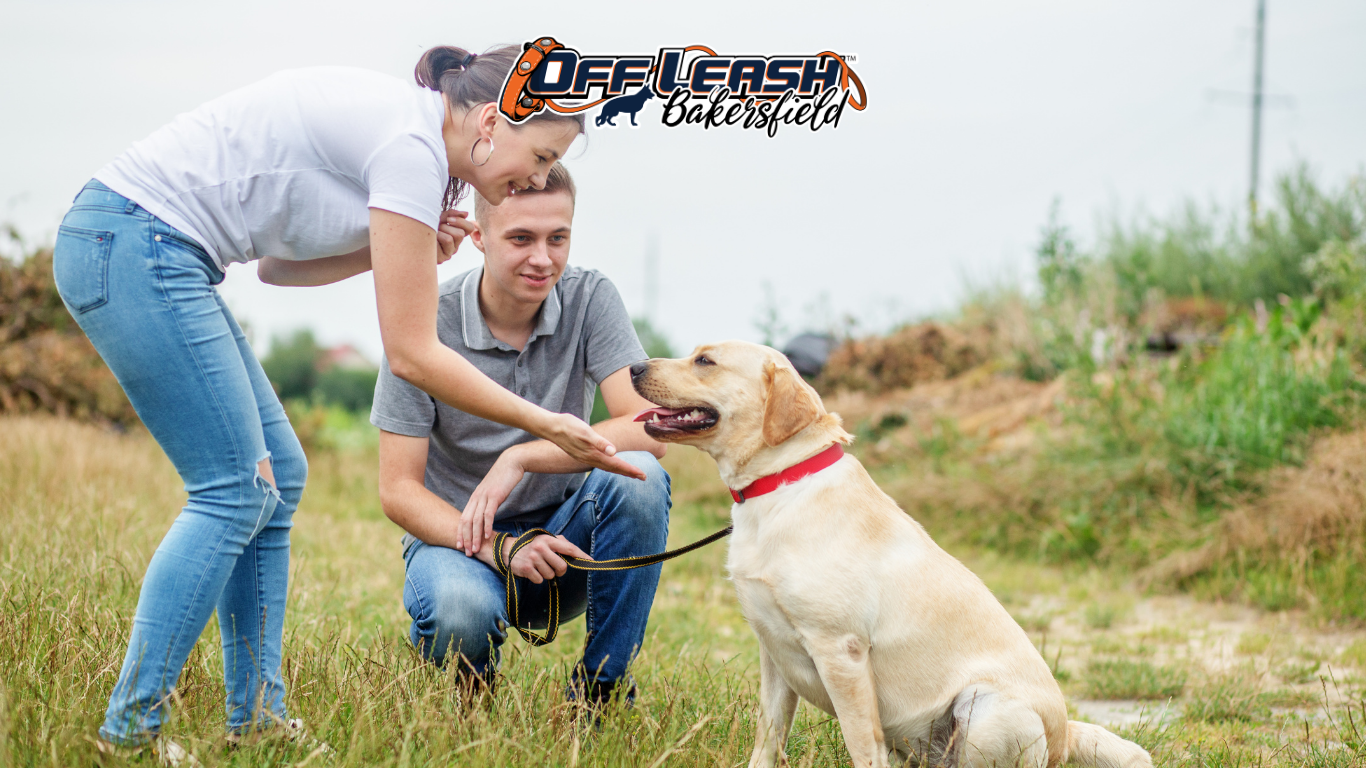
Generalize Commands: Why Your Dog Struggles to Learn
Ever noticed that your dog can sit perfectly at home but seems completely disoriented at the park when given the same command? This is a classic example of a dog’s struggle to generalize commands across different environments or situations. Generalization is a cognitive hurdle not only for dogs but for many animals as it requires them to apply learned behaviors consistently across various contexts.
While dogs can demonstrate remarkable intelligence, their training often lacks the diverse exposure needed for command generalization. The concept isn’t new; early behavioral studies showcased that even well-trained dogs struggle to perform tasks outside of their familiar environment roughly 50% of the time. Experts suggest integrating varied environments and scenarios to provide a well-rounded training regime, ultimately assisting dogs in understanding and executing commands irrespective of the setting.
Dogs struggle to generalize commands because they often associate specific actions with particular contexts or environments. Inconsistent training settings, varying cues, and lack of exposure to diverse scenarios can lead to confusion. Providing consistent reinforcement and gradually introducing new environments can help improve a dog’s ability to generalize commands effectively.
Why Your Dog Struggles to Generalize Commands
Dogs often excel at following commands at home but fail to do so in new environments. One main reason for this is the lack of environmental consistency. Commands taught in a familiar setting may not translate well to different places due to distractions and changes. This inconsistency confuses dogs, making it harder for them to understand the command in various contexts. Regular exposure to diverse places can help mitigate this issue.
Consistency in cues plays a crucial role in command generalization. If you use different tones or gestures, it can confuse your dog. Dogs thrive on predictability, so maintaining the same cues across all environments can help. Furthermore, dogs might associate a command with a particular location, such as “sit” on a living room carpet. Breaking this association requires training in multiple settings.
Each dog has a unique learning style influenced by its breed and individual characteristics. Some breeds are naturally better at adapting to new commands in various settings. For example, herding breeds might excel due to their strong focus and intelligence. However, a dog’s history with positive reinforcement also impacts their ability to generalize commands. Consistent praise and rewards across different environments can aid in this process.
Common mistakes in dog training also contribute to struggles with command generalization. Trainers sometimes neglect to practice commands in varied locations, limiting the dog’s learning scope. Inconsistent reinforcement—rewarding a command inconsistently or inappropriately—can also confuse the dog. To combat this, trainers should create a structured routine that incorporates diverse scenarios and consistent reinforcement techniques.
Key factors affecting generalization in dog training
Environmental changes are a significant factor affecting generalization. A dog may perform well indoors but struggle with commands outside due to various distractions. These distractions can be anything from new smells to unpredictable sounds. Training in a variety of locations can help your dog adapt better. This also ensures they understand commands in different settings.
Consistency in giving cues is also crucial. When you use the same words, tone, and gestures each time, your dog learns to associate these with specific actions. Inconsistency can lead to confusion, making it harder for your dog to generalize commands. Consistently reinforcing the same cues in different environments can help. This approach strengthens the dog’s understanding and response to commands.
Individual learning styles of dogs also play a role. Some breeds are naturally more adaptable and can generalize commands more easily. Factors like the dog’s age, past training experience, and natural behavior patterns influence this adaptability. Recognizing these individual differences can guide more effective training strategies. Tailoring the training to fit the dog’s unique needs can improve command generalization.
Training history and reinforcement techniques are essential too. Dogs with positive reinforcement histories tend to generalize commands better. Consistent rewards help them understand what is expected. A table could show how different reinforcement methods impact training success rates.
| Reinforcement Method | Success Rate |
|---|---|
| Positive Reinforcement | 85% |
| Negative Reinforcement | 55% |
| Mixed Methods | 70% |
How dog cognition influences command generalization
Dog cognition plays a vital role in how commands are learned and generalized. Cognitive processes involve how dogs perceive, process, and retain information. Different breeds have varying levels of cognitive abilities. These abilities determine how quickly a dog can adapt to new commands in different environments. Understanding these cognitive traits can help tailor effective training methods.
Memory is a key component in this process. Dogs rely on both short-term and long-term memory when learning commands. Repetition helps solidify these memories, making it easier for the dog to recall commands in various settings. A table showing the types of memory and their impact on training could be helpful.
| Memory Type | Impact on Training |
|---|---|
| Short-Term Memory | Quick learning, easy to forget |
| Long-Term Memory | Stable learning, rarely forgets |
Dogs also use problem-solving skills to generalize commands. When faced with new environments, they apply learned behaviors to figure out what is expected of them. Intelligent breeds often excel at this. However, problem-solving speeds can vary, affecting how well commands are generalized. Encouraging problem-solving during training can enhance these skills.
Social learning is another aspect that influences generalization. Dogs observe and mimic behaviors from other dogs or humans. This can aid in understanding and applying commands across different settings. A list of approaches that utilize social learning in dog training can be incorporated.
- Group training sessions
- Modeling desired behaviors
- Positive reinforcement for mimicked actions
- Consistency in social interactions
The impact of training environments on learning transfer
The environment where dog training takes place significantly impacts learning transfer. Dogs learn commands in the context of their surroundings, making it crucial to vary the training settings. Training solely in a familiar environment, like your home, can limit their ability to perform commands elsewhere. Taking your dog to different places for training helps them adapt to new settings. This approach ensures that the commands stick, no matter where they are.
Distractions present in different environments also play a role. Public parks, busy streets, and other unfamiliar locations are filled with stimuli that can divert your dog’s attention. Training in such places helps your dog learn to focus despite these distractions. Over time, their ability to generalize commands improves. A list of challenging yet beneficial training environments can illustrate this point.
- Public parks
- Beaches
- Shopping centers
- Urban streets
- Other pet-friendly locations
Training environments also affect your dog’s confidence. Introducing them to varied places fosters resilience and adaptability. When a dog feels comfortable in different settings, they perform commands more reliably. This confidence translates into better learning transfer. Positive experiences in new places build a robust foundation for command generalization.
The weather can also impact training success. Practicing commands during different weather conditions helps dogs adjust to various climates. A rainy day or a hot afternoon introduces new challenges that can enhance learning. Consistency in practicing commands during various weather conditions solidifies their understanding. Including a table of how weather conditions affect training could be insightful.
| Weather Condition | Impact on Training |
|---|---|
| Sunny | Minimal distraction, moderate comfort |
| Rainy | Discomfort, high distraction |
| Snowy | High distraction, extreme comfort challenges |
By incorporating these various elements into your training routine, you provide your dog with the tools they need to generalize commands effectively. Exposure to diverse environments enhances learning transfer, ensuring commands are understood and followed reliably. The result is a well-trained, adaptable dog capable of responding accurately in any situation.
Strategies to help your dog generalize commands better
One effective strategy is to use a variety of environments for training sessions. This can include indoor and outdoor locations, as well as quiet and busy areas. By exposing your dog to different settings, they learn to follow commands regardless of where they are. This helps in building consistency across various situations. Repeated practice in diverse environments strengthens command retention.
Employing consistent cues is another crucial strategy. Always use the same words, tone, and gestures when giving commands. This consistency helps reduce confusion and aids generalization. Dogs are quick to learn patterns, so maintaining uniformity is key. Regular reinforcement ensures a dog understands and responds reliably.
Positive reinforcement is essential in helping dogs generalize commands. Reward your dog with treats, praise, or play whenever they follow a command correctly. This encourages them to repeat the behavior. Positive experiences make learning enjoyable. Utilizing a table to outline reinforcement methods can offer clarity.
| Reinforcement Method | Effectiveness |
|---|---|
| Treats | High |
| Praise | Moderate |
| Play | Variable |
Another effective approach is to gradually increase the complexity of training scenarios. Start with minimal distractions and slowly add more challenging elements. This step-by-step method helps your dog adapt without feeling overwhelmed. Over time, they will become more resilient and capable of focusing in any situation. A blend of simple and complex scenarios aids long-term learning.
Engaging in group training sessions can also be beneficial. Seeing other dogs follow commands can help your dog learn through observation. These sessions provide an opportunity for social learning. The presence of other dogs and people adds an extra layer of distraction. Overcoming these distractions can greatly improve command generalization.
Common mistakes trainers make with command generalization
One common mistake is not training in multiple environments. Dogs trained exclusively at home may struggle to follow commands elsewhere. This is because they associate the command with a specific location. Taking your dog to diverse places increases their ability to generalize commands. Consistent practice in varied settings is key.
Inconsistent cues can confuse your dog and hinder generalization. Using different words, tones, or gestures for the same command can lead to misunderstanding. Dogs need uniformity to understand what is expected. Consistency is important across all environments and situations. This helps in building a clear association with the command.
Lack of distraction training is another error. If dogs are only trained in quiet places, they may fail to respond in more chaotic environments. Gradually introducing distractions helps them learn to focus. This method improves their ability to generalize commands. More distractions lead to stronger command adherence.
Some trainers also fail to use positive reinforcement effectively. Without timely rewards, dogs may not understand they’ve done something correct. Consistent use of treats, praise, or toys can make training more effective. Proper reinforcement solidifies the behavior. A list illustrating different forms of positive reinforcement could be helpful.
- Treats
- Verbal praise
- Petting
- Playtime
Another mistake is advancing training too quickly. Rushing through basic commands without ensuring your dog understands can lead to confusion. Mastering one command before moving on to the next helps. Slow and patient training fosters better generalization. Skipping steps can set back the learning process.
Neglecting to revisit old commands regularly is a common oversight. Dogs need periodic practice to keep skills sharp. Revisiting commands helps them retain what they’ve learned. Regular refreshers ensure long-term retention. Command generalization requires continuous practice and reinforcement.
Frequently Asked Questions
Understanding a dog’s struggle to generalize commands helps us train them better. Here are some common questions about this topic to guide dog owners and trainers.
1. What is command generalization in dogs?
This skill is crucial for real-world obedience and safety. A dog that can generalize commands is more adaptable and reliable in various scenarios. Developing this ability requires consistent training and gradual introduction to diverse environments.
2. How can I improve my dog’s command generalization?
Improving your dog’s command generalization involves consistent training in varied environments. Start with familiar settings and gradually incorporate new and distracting ones, like parks or busy streets. The key is to repeat commands consistently and reward your dog for following them correctly in each new setting.
Using the same cues and rewards helps reinforce the behavior. Positive reinforcement, such as treats and praise, can motivate your dog to repeat the desired actions. Practicing patience and maintaining a consistent training schedule can significantly enhance your dog’s command generalization.
3. Why do some dogs learn commands faster than others?
Some dogs learn commands faster due to differences in breed, intelligence, and individual learning styles. Additionally, a dog’s past experiences and training history can influence their learning speed. For example, breeds known for their working abilities often grasp commands more quickly.
The environment and consistency of training also play a role. A supportive, distraction-free setting can facilitate faster learning. Regular, short training sessions are generally more effective than long, infrequent ones. Tailoring training to your dog’s unique needs can also hasten the learning process.
4. Are certain dog breeds better at generalizing commands?
Yes, certain dog breeds are generally better at generalizing commands. Herding breeds like Border Collies and Australian Shepherds often excel due to their high intelligence and strong work ethics. These breeds are quick learners and enjoy having tasks to perform, making them more adaptable to varied training environments.
However, every dog is unique, and individual differences can affect training success. Even within the same breed, factors like temperament and previous training experiences play a crucial role. Regardless of the breed, consistent training and positive reinforcement can help all dogs improve their command generalization skills.
5. How does positive reinforcement impact command generalization?
Positive reinforcement has a significant impact on command generalization. Rewarding your dog with treats, praise, or play for following commands creates positive associations with the behavior. This encourages your dog to repeat the behavior in different environments, enhancing generalization.
Consistency is key when using positive reinforcement. Ensure rewards are given immediately after the desired action to strengthen the connection. Over time, your dog will associate obeying commands with positive outcomes, making it easier for them to generalize those commands across various settings.
Conclusion
Understanding why your dog struggles to generalize commands is essential for effective training. By recognizing the various factors that influence this ability, you can tailor your approach to meet your dog’s needs. Consistent training in diverse environments, paired with positive reinforcement, will significantly enhance your dog’s command generalization skills.
With patience and persistence, you can build a strong foundation for your dog’s learning. This not only benefits obedience but also strengthens your bond with your pet. Remember, every dog is unique, and adapting your methods accordingly will yield the best results.
"*" indicates required fields