How Dogs Stay Focused During Bakersfield Community Events
Ever noticed how dogs at community events in Bakersfield seem to stay incredibly focused despite all the distractions? It’s fascinating to see these loyal pets they navigate through the sea of people, other animals, and numerous stimuli. Many pet owners and trainers rely on techniques honed from experience and training to maintain their dogs’ attention and behavior in busy environments.
Historically, community events in Bakersfield have been a hub for dog training demonstrations, integrating professional guidance to new pet owners. According to a 2022 survey, 85% of participants in local events felt their dogs were more attentive and well-behaved during these gatherings. Enhanced activities, structured schedules, and purposeful interaction are tools often employed to help dogs remain focused and engaged throughout these lively events.
Dogs stay focused during Bakersfield community events through consistent training, positive reinforcement, and familiarization with different environments. Professional trainers advise using clear commands, providing rewards for good behavior, and ensuring the dog feels safe. Controlled social interactions also help dogs remain attentive amidst distractions.
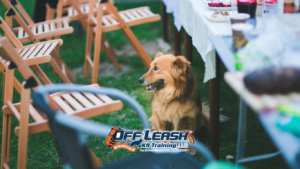
How Dogs Stay Focused During Bakersfield Community Events
During community events in Bakersfield, it’s essential for dogs to remain focused to ensure their safety. A big part of why dogs stay attentive is due to well-established training routines. Owners use commands like “sit” and “stay” to keep dogs calm in crowded spaces. Consistent training helps these dogs understand what is expected from them. This creates a cooperative atmosphere, even in the midst of chaos.
Another factor that contributes to a dog’s focus is the use of rewards. Positive reinforcement, such as treats and praise, encourages good behavior. When dogs associate events with rewards, they are more likely to stay concentrated. This technique is both simple and effective, promoting attentive and obedient actions. Allowing dogs to socialize under supervision also helps them cope better with distractions.
Having a designated area for dogs at these events is beneficial as well. These areas are often quieter, with fewer stimuli to distract the dogs. Owners can bring familiar items like their dog’s favorite blanket or toy to provide comfort. This makes the environment more predictable for the dogs, helping them stay calm. A consistent routine, even within event spaces, can greatly aid in maintaining focus.
Experienced dog trainers also play a vital role in community events. They often share tips and demonstrate techniques to help owners control their pets effectively. Training sessions might include exercises on leash control and commands. Providing these resources at community events grants valuable support to dog owners. Thus, a collaborative effort between trainers and owners leads to a more focused and enjoyable experience for all.
Factors Influencing Canine Attention at Public Gatherings
Various elements play a role in determining how well dogs stay focused during public gatherings. Familiarity with the environment is a crucial factor. Dogs that have been exposed to similar situations are generally more comfortable. This familiarity helps reduce anxiety and helps maintain their focus. Additionally, prior socialization experiences can significantly impact a dog’s behavior in public.
Another significant factor is the presence of distractions. Loud noises, other animals, and a large number of people can divert a dog’s attention. Managing distractions through controlled exposure can improve a dog’s ability to cope. Owners might use commands to redirect focus when distractions arise. This practice helps them develop resilience against common disruptions.
The use of training tools also influences canine attention. Tools like leashes, harnesses, and head collars can aid in maintaining control. They provide a sense of security and keep the dog close to the owner. Consistent use of these tools builds familiarity, which helps dogs stay attentive. Training tools are essential for ensuring safety and focus in public settings.
Lastly, the bond between the dog and its owner is pivotal. A strong connection encourages dogs to look to their owners for guidance. This bond also promotes trust, making dogs more likely to follow commands. Regular interaction and positive reinforcement strengthen this relationship. An attentive dog is often a reflection of a well-established bond with its owner.
Challenges Dogs Face Amid Community Events
Dogs encounter various challenges when attending community events. One of the most significant issues is overstimulation. All the new sights, sounds, and smells can overwhelm a dog. This sensory overload can lead to anxiety or hyperactivity, making it hard for them to focus. Managing overstimulation is crucial for ensuring a dog’s comfort.
Another challenge is the presence of other animals. Dogs can become easily distracted by other pets, whether out of curiosity or defensiveness. Uncontrolled interactions might lead to unexpected reactions. Leashing and maintaining a safe distance from other animals can help mitigate this issue. Consistent socialization can also prepare dogs for these encounters.
Strangers offering treats or attempting to pet unfamiliar dogs can also present difficulties. These unsolicited interactions may create confusion or stress for the dog. It’s essential for owners to communicate boundaries clearly to attendees. Proper signage and verbal instructions can help prevent these situations. Awareness and respect for these boundaries are key to a positive experience.
Unexpected events, such as loud noises or sudden movements, can startle dogs. These surprises can trigger fear or flight responses. Owners must stay vigilant and ready to comfort and reassure their pets. Familiarizing dogs with similar noises in controlled environments can help. Preparedness can make these unexpected scenarios easier to handle.
Techniques Used by Trainers and Owners to Maintain Focus
Trainers and owners often employ positive reinforcement to maintain a dog’s focus during events. This involves rewarding the dog with treats, praise, or toys. Positive reinforcement encourages them to repeat desirable behaviors. It is a highly effective training method that strengthens the bond between dog and owner. Maintaining consistent rewards keeps dogs engaged and attentive.
Another key technique is the use of clear, consistent commands. Dogs respond best when they understand what is expected of them. Using simple commands like “sit,” “stay,” or “come” helps clarify instructions. Consistency is crucial; the same command should always result in the same action. This reduces confusion and enhances the dog’s reliability in following directions.
Redirecting a dog’s attention is also a valuable strategy. When a dog becomes distracted, trainers and owners can use a toy or treat to regain the dog’s focus. This method involves shifting the dog’s attention from the distraction back to the task at hand. It helps the dog learn to ignore irrelevant stimuli. Effective redirection can significantly improve a dog’s behavior.
Keeping training sessions short and varied prevents boredom. Dogs, like humans, can lose interest if tasks become repetitive. Mixing up activities keeps their minds active and engaged. Short sessions ensure that the dog remains focused throughout. This approach makes training both fun and effective.
Environmental familiarity also plays a role. Exposing dogs to various environments before a big event can help. Familiarity with different sights and sounds reduces anxiety. It helps the dog feel more comfortable and focused. Early exposure to diverse settings builds confidence in dogs.
The use of training tools, such as leashes or harnesses, can assist in controlling and directing a dog’s movements. Tools like head collars provide gentle guidance, encouraging the dog to stay close to its owner. Proper use of these tools ensures that dogs remain focused. Making these tools a part of everyday training creates a sense of normalcy. This leads to better behavior during community events.
Environmental and Social Considerations for Canine Behavior
Dogs react significantly to their surrounding environment. Different settings can either soothe or stress them. Busy urban areas might cause anxiety, while open parks can bring relaxation. It’s essential to identify and manage the environment to suit the dog’s needs. This ensures a positive experience for both the dog and owner.
Weather conditions also play a crucial role in canine behavior. Extremely hot or cold temperatures can affect a dog’s mood and health. Ensuring adequate hydration and protection from the elements is vital. Many dogs might become irritable if they are uncomfortable. Hence, monitoring weather conditions is part of responsible pet care.
Social dynamics at community events are another consideration. Dogs are likely to encounter various people and other animals. Proper socialization can make these interactions more manageable. This involves gradual exposure to different social situations. Well-socialized dogs typically handle new encounters better.
Maintaining a safe and controlled environment supports good behavior. Owners should be aware of potential hazards like waste, which can be dangerous. Ensuring that the area is clean and safe helps keep dogs relaxed. Communities can provide designated dog-friendly areas, complete with waste disposal stations. These measures contribute to a healthier environment for everyone.
The presence of familiar cues can also affect a dog’s comfort level. Using familiar items like a favorite toy or blanket can help dogs feel secure. These items act as a form of environmental consistency. In unfamiliar settings, familiarity can provide a calming effect. This promotes better behavior and reduces stress.
Lastly, understanding and respecting a dog’s individual limits is crucial. Each dog has a different tolerance for social and environmental stimuli. Recognizing when a dog is overwhelmed allows the owner to take appropriate action. This might mean leaving the event early or finding a quieter spot. Respecting these limits promotes a healthier and happier dog.
Benefits of Dog Participation in Bakersfield Community Events
Participating in community events offers numerous benefits for dogs. These events provide an excellent opportunity for socialization. Dogs get to interact with other animals and people, which strengthens their social skills. Regular interaction helps reduce anxiety and promotes better behavior. This leads to happier and more confident pets.
Community events also provide physical benefits. Activities at these events encourage exercise, which is crucial for a dog’s health. Engaging in physical activities helps maintain a healthy weight and improves cardiovascular health. It also helps to expend a dog’s energy in a positive way. Regular exercise can prevent behavior issues related to excess energy.
These events are beneficial for mental stimulation. New environments and activities challenge a dog’s mind. Mental stimulation is vital for keeping dogs engaged and happy. Puzzles and interactive games, common at these gatherings, foster problem-solving skills. It’s a great way to keep a dog’s mind active and alert.
Owner-dog bonding is another major benefit. Participating in activities together strengthens the relationship between owner and dog. Shared experiences build trust and understanding. This enhanced bond leads to better communication and cooperation in everyday life. A strong bond results in a well-behaved and responsive dog.
Additionally, these events can help raise awareness about responsible pet ownership. Many events offer workshops and information sessions on various aspects of dog care. This education component benefits both new and experienced dog owners. Awareness can lead to better care and quality of life for dogs. The community aspect fosters a supportive environment for all participants.
Frequently Asked Questions
Learn how to help your dog stay focused and well-behaved during community events in Bakersfield. These questions and answers provide tips and insights on managing your dog’s behavior in various social settings.
1. What training techniques help dogs stay calm in busy environments?
Training techniques such as positive reinforcement and consistent commands are essential for helping dogs stay calm in busy environments. Rewarding good behavior with treats and praise encourages dogs to repeat their actions and builds a strong bond between pet and owner. Familiarizing your dog with different environments can also reduce anxiety and improve focus.
Introducing your dog to various social situations gradually will help them become more comfortable and less reactive. Using a calm and assertive tone when giving commands ensures your dog understands what is expected of them. These training techniques can make a significant difference in your dog’s ability to handle busy environments.
2. How can I prepare my dog for social interactions at community events?
To prepare your dog for social interactions, start by socializing them with other dogs and people in controlled settings. Gradually increase the level of distraction and the number of interactions to help your dog become more comfortable. This gradual exposure helps reduce anxiety and improves their ability to interact positively with others.
Attending obedience classes and participating in group training sessions can also be beneficial. These classes offer an excellent opportunity for your dog to practice social skills in a structured environment. Consistent practice and exposure will help your dog become more confident during community events.
3. What role does environment play in a dog’s behavior at events?
The environment plays a significant role in a dog’s behavior at events. Familiarity with the surroundings can help reduce anxiety and improve focus. Dogs exposed to different environments from an early age are more likely to remain calm and well-behaved during events. Creating a comfortable space for your dog, such as bringing their favorite blanket or toy, can also help them feel more secure.
Environmental factors like noise levels, crowd size, and the presence of other animals can impact a dog’s behavior. Preparing your dog for these variables by gradually exposing them to similar situations will help them adapt better. A well-prepared dog is more likely to enjoy and stay focused during community events.
4. Why is positive reinforcement effective for training dogs?
Positive reinforcement is effective for training dogs because it encourages them to repeat desired behaviors. Rewarding good behavior with treats, praise, or toys creates a positive association with the action. This method helps build a strong bond between the dog and owner and promotes trust and cooperation.
Using positive reinforcement consistently ensures that dogs understand what is expected of them. It also makes training sessions enjoyable for both the dog and owner. This technique is proven to be more effective and humane than punishment-based methods.
5. How do obedience classes benefit dogs and their owners?
Obedience classes benefit dogs and their owners by providing structured training and socialization opportunities. These classes teach essential commands and behaviors, helping dogs become well-mannered and responsive to their owners. Additionally, obedience classes offer a controlled environment where dogs can interact with others and practice their social skills.
For owners, obedience classes provide valuable support and guidance from experienced trainers. They offer insights into effective training techniques and help address specific behavioral issues. Attending these classes together strengthens the bond between the dog and owner, leading to a more harmonious relationship.
Conclusion
Dogs can stay focused and well-behaved at Bakersfield community events with the right preparation and training. By using positive reinforcement, consistent commands, and gradual socialization, owners can create a supportive environment for their pets. Familiarity and careful management of environmental factors also play a crucial role in a dog’s ability to adapt.
Ultimately, participation in these events benefits both dogs and their owners. It strengthens their bond, improves social skills, and promotes overall well-being. With the right approach, community events can be a positive and enjoyable experience for all.