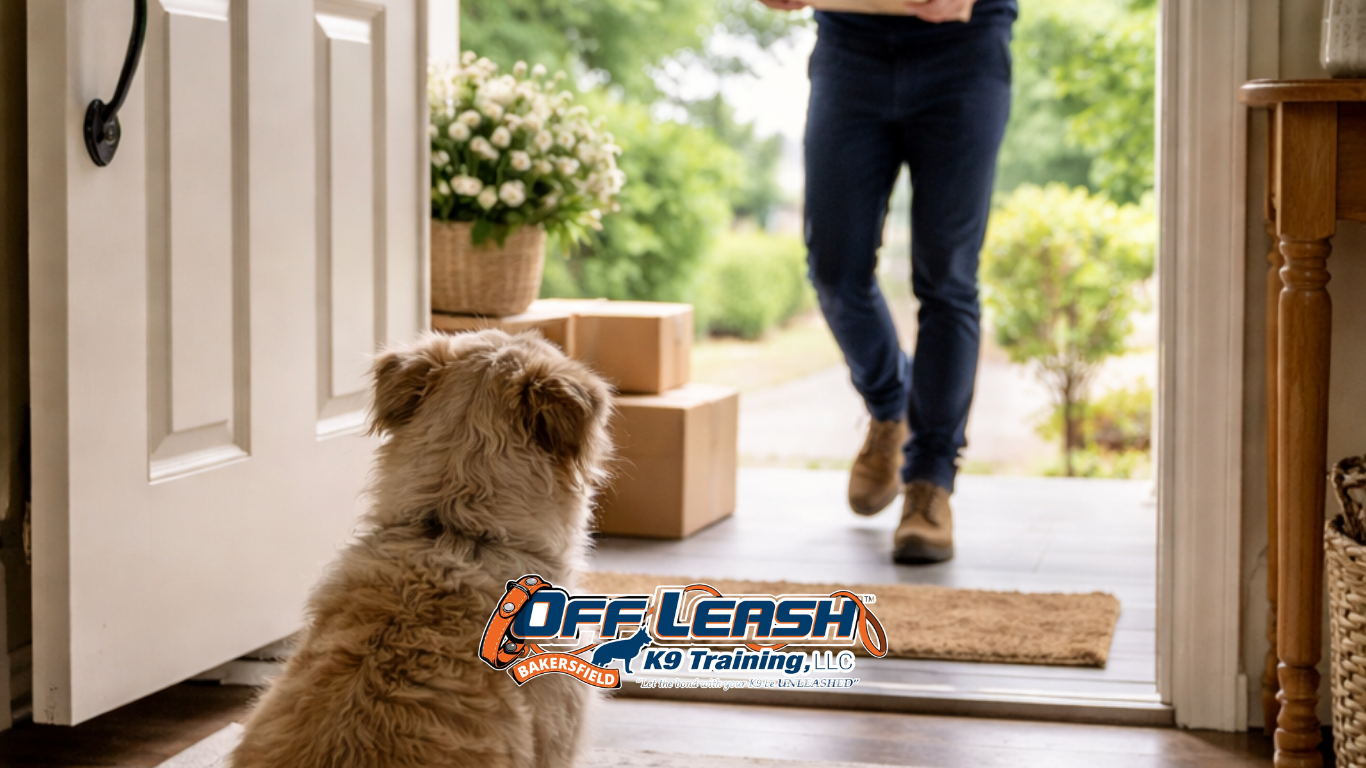
Training Dogs to Stay Calm During Doorbell Rings
It’s surprising how many dogs react with intense excitement or anxiety to the sound of a doorbell. This common canine behavior can be a source of stress for both dogs and their owners. Interestingly, a well-structured training routine can mitigate these reactions significantly.
Training dogs to stay calm during doorbell rings often involves desensitization techniques. Historically, trainers have used positive reinforcement to condition dogs’ responses. A remarkable percentage, over 80% of dogs, show substantial improvement with consistent training methods such as these.
Training dogs to stay calm during doorbell rings involves consistent desensitization techniques, positive reinforcement for calm behavior, and creating a quiet, secure environment. Using calming tools like anxiety wraps or sprays can also support this training. Regular practice ensures that the dog gradually becomes less reactive to the sound.
Training Dogs to Stay Calm During Doorbell Rings
Training dogs to stay calm when the doorbell rings can be a challenge. Many dogs associate the doorbell with excitement or anxiety. This is due to the anticipation of a visitor or the unfamiliar sound. To help your dog learn to stay calm, it’s important to use consistent and positive training techniques. This can include rewarding calm behavior and practicing regularly.
One effective method is desensitization. This involves playing doorbell sounds at a low volume while rewarding your dog for staying calm. Gradually increase the volume and continue to reward relaxed behavior. Over time, your dog will start to associate the sound with positive experiences. Consistency is crucial for this training to be successful.
Creating a calm environment also helps. Ensure that your dog has a quiet space to retreat to when the doorbell rings. This can be a crate, another room, or a designated area with their favorite blanket. Familiar surroundings can reduce stress and anxiety. Additionally, maintaining a consistent daily routine can help your dog feel more secure.
Various tools and aids can support calm training. Consider using calming collars, sprays, or even anxiety wraps. These products can provide comfort and reduce anxiety levels. Additionally, interactive toys can keep your dog occupied, diverting their attention from the doorbell. Using a combination of these methods can help your dog remain calm during unexpected doorbell rings.
Common Causes of Doorbell Anxiety in Dogs
One major cause of doorbell anxiety in dogs is the unexpected nature of the sound. Dogs have keen hearing, so a sudden, loud noise can startle them. This initial fear can develop into long-term anxiety. Regular desensitization and positive reinforcement can help reduce this reaction. Consistency in training is key.
Past experiences also play a role. If a dog has had negative encounters associated with doorbell rings, it may develop anxiety. For instance, if the doorbell always meant strangers entering, the dog could feel threatened. Creating positive associations with the doorbell sound can help change this perception. Use treats and affection to encourage calm behavior.
Another factor is lack of proper socialization. Dogs not exposed to various sounds and experiences during their formative months may develop anxiety. A well-socialized dog tends to handle new sounds better. Gradual and controlled exposure to different environments can help with this. It’s never too late to start introducing new experiences.
Finally, some breeds are more prone to anxiety. High-strung and naturally anxious breeds may react more strongly to doorbell sounds. For these dogs, additional calming tools may be necessary. Using anxiety wraps or calming sprays can offer extra comfort. Combining these with consistent training provides the best results.
Effective Training Methods for Calm Behavior
Positive reinforcement is a highly effective training method. It involves rewarding your dog for exhibiting calm behavior. Rewards can include treats, toys, or praise. This method encourages the dog to repeat the desired behavior. Consistency is vital to ensure long-term success.
Desensitization is another useful technique. Gradually exposing your dog to the doorbell sound can help. Start with a low volume and reward calm behavior. Over time, increase the volume and continue rewarding your dog. This method helps the dog become accustomed to the doorbell sound without anxiety.
Counterconditioning can also be effective. This involves changing your dog’s emotional response to the doorbell sound. You can pair the sound with something positive, like their favorite treat. Repeating this process can help your dog develop a positive association. It reduces anxiety and promotes calm behavior efficiently.
Lastly, consider using calming aids. Items like calming collars, sprays, or anxiety wraps can support training efforts. These tools can help soothe your dog during training. When combined with other methods, they can enhance overall effectiveness. Ensure you choose high-quality products for the best results.
Role of Environment and Routine in Reducing Stress
The environment plays a crucial role in a dog’s stress levels. A calm and familiar space can help reduce anxiety significantly. Ensure your dog has access to a quiet area when the doorbell rings. This space should be comfortable, with their favorite toy or blanket. Familiar objects can provide a sense of security.
Routine is equally important for maintaining a calm demeanor. Dogs thrive on consistency and predictability. Establishing a daily routine that includes feeding, walking, and playtime can help. By knowing what to expect, dogs feel more secure. A structured schedule can prevent anxiety from unpredictability.
Avoid sudden changes in the environment whenever possible. Moving furniture or bringing in new items can cause stress. Introduce new elements gradually to help your dog adjust. If you must make changes, do so slowly and allow your dog time to explore. This reduces the likelihood of creating a stressful situation.
Including calming activities in your routine can also help. Activities like slow walks, gentle play, and relaxation exercises are beneficial. Regular physical exercise is important, but so is mental stimulation. Training sessions, puzzle toys, and sniffing games keep the mind engaged. Balanced activities support overall well-being and reduce stress.
Lastly, consider using calming aids in the environment. Calming music, white noise machines, or pheromone diffusers can help soothe your dog. These tools create a tranquil atmosphere. Combined with a predictable routine, they can significantly lower stress levels. Choose products that best fit your dog’s needs.
Tools and Aids That Support Calm Training
Calming collars are helpful tools for reducing anxiety in dogs. These collars release soothing pheromones that mimic calming scents. They are especially useful during training sessions. Calming collars can help create a more relaxed environment. Dogs wearing these collars often show reduced stress levels.
Interactive toys can also support calm training. These toys keep dogs mentally and physically engaged. Puzzle toys that dispense treats can distract your dog from stressful situations. Keeping their mind busy helps lower anxiety. The engaging activity provides positive mental stimulation.
Using white noise machines is another useful tool. These machines can mask sudden, alarming sounds like doorbells. White noise creates a consistent background sound that can be soothing. This helps provide a sense of security for dogs. Many pet owners find them effective for reducing stress.
Calming sprays and diffusers are convenient options too. These products disperse calming scents into the air. Like calming collars, they use synthetic pheromones. They can be placed in any room your dog frequents. Over time, they help build a peaceful environment.
For dogs who need extra support, anxiety wraps can be beneficial. Made from snug, comfortable fabric, they apply gentle pressure to calm nerves. This technique helps in reducing common anxiety symptoms. Anxiety wraps can be worn during particularly stressful times. Their effectiveness has been noted by many pet owners.
Tips for Maintaining Long-Term Calmness During Doorbell Events
Consistency is key when training a dog to stay calm during doorbell events. Ensure that the training routines are followed regularly without interruption. These routines create predictability, which helps in reducing anxiety. It is also important to remain patient throughout the training process. Dogs need time to learn and adapt.
Positive reinforcement should be used continuously to reward calm behavior. Whenever the doorbell rings and your dog remains calm, give a treat or praise. This reinforces the desired behavior over the long term. Consistent reinforcement makes it more likely that the calm behavior will stick. Keep the rewards varied to maintain interest.
Exposure to different doorbell sounds can also help. Use recordings of various doorbells to acclimate your dog to different sounds. Play these recordings at different times to mimic real-life scenarios. This variety helps your dog adapt to changes. Over time, the anxiety linked to doorbell sounds will diminish.
Creating a calm environment around the arrival of guests is essential. Train guests to ignore your dog until it is calm. This prevents the excitement associated with new people entering. Once the dog is calm, guests can then greet it calmly. This creates a positive cycle of reinforcement.
Ensure that your dog has a safe retreat during stressful events. A designated quiet space with familiar items can offer comfort. This space acts as a sanctuary where your dog feels secure. Allow your dog to use this space whenever needed. Having this option reduces overall stress levels.
Frequently Asked Questions
Training your dog to stay calm during doorbell rings can be challenging. Here are some frequently asked questions to help guide you through the process.
1. How can I desensitize my dog to the doorbell sound?
Start by playing the doorbell sound at a low volume to avoid startling your dog. Reward your dog for remaining calm each time the sound plays. Gradually increase the volume as your dog gets used to it. This method helps your dog become more comfortable with the sound.
Repeating this practice regularly will build tolerance. Combine it with positive reinforcement, like treats or praise, to encourage the desired behavior. Consistency helps solidify the training, making your dog less reactive over time.
2. What role does socialization play in reducing doorbell anxiety?
Proper socialization helps dogs handle varied experiences without anxiety. Introducing your dog to different people, sounds, and environments early can help. The doorbell is just one of the many sounds your dog should become accustomed to.
Regular positive interactions lessen fear responses. Even if your dog is older, gradual exposure to new experiences can help. This training reduces anxiety overall, making your dog more confident and calm.
3. Are there specific breeds more prone to doorbell anxiety?
High-strung breeds may show stronger reactions to doorbells. Breeds like Terriers or Herding dogs tend to be more alert and may develop anxiety. Understanding your dog’s breed traits can help in tailoring the training methods.
While breed tendencies exist, individual experiences also shape behavior. Training and environment play significant roles in managing anxiety. Tailored techniques and patience are essential for all breeds.
4. Can calming aids assist in training my dog to stay calm?
Calming aids, like anxiety wraps, sprays, or calming collars, can support training. These tools provide comfort and may reduce immediate stress responses. Using them in conjunction with training techniques can be very effective.
They do not replace consistent training but can enhance it. Introducing these aids during training sessions helps the dog associate them with positive experiences. This combination helps in achieving long-term calmness.
5. What are some common mistakes to avoid during training?
Avoid being inconsistent, as it can confuse your dog. Make sure to practice regularly and stick to a clear routine. It’s important not to reinforce anxious behavior with attention or treats. Consistency is key to successful training.
Additionally, avoid introducing too many changes at once. Gradual exposure to triggers like the doorbell is essential. Rushing the process can hinder progress. Patience and steady progress yield the best results.
Conclusion
Training dogs to stay calm during doorbell rings requires patience and consistency. Utilizing various techniques like desensitization, positive reinforcement, and creating a calm environment can significantly help. It’s essential to understand your dog’s unique needs and tailor the training accordingly.
Combining these methods with calming aids can enhance their effectiveness. Following structured routines and gradually introducing changes ensures long-term success. Remember, a well-trained dog not only reduces stress during doorbell events but also contributes to a happier, more peaceful home environment.