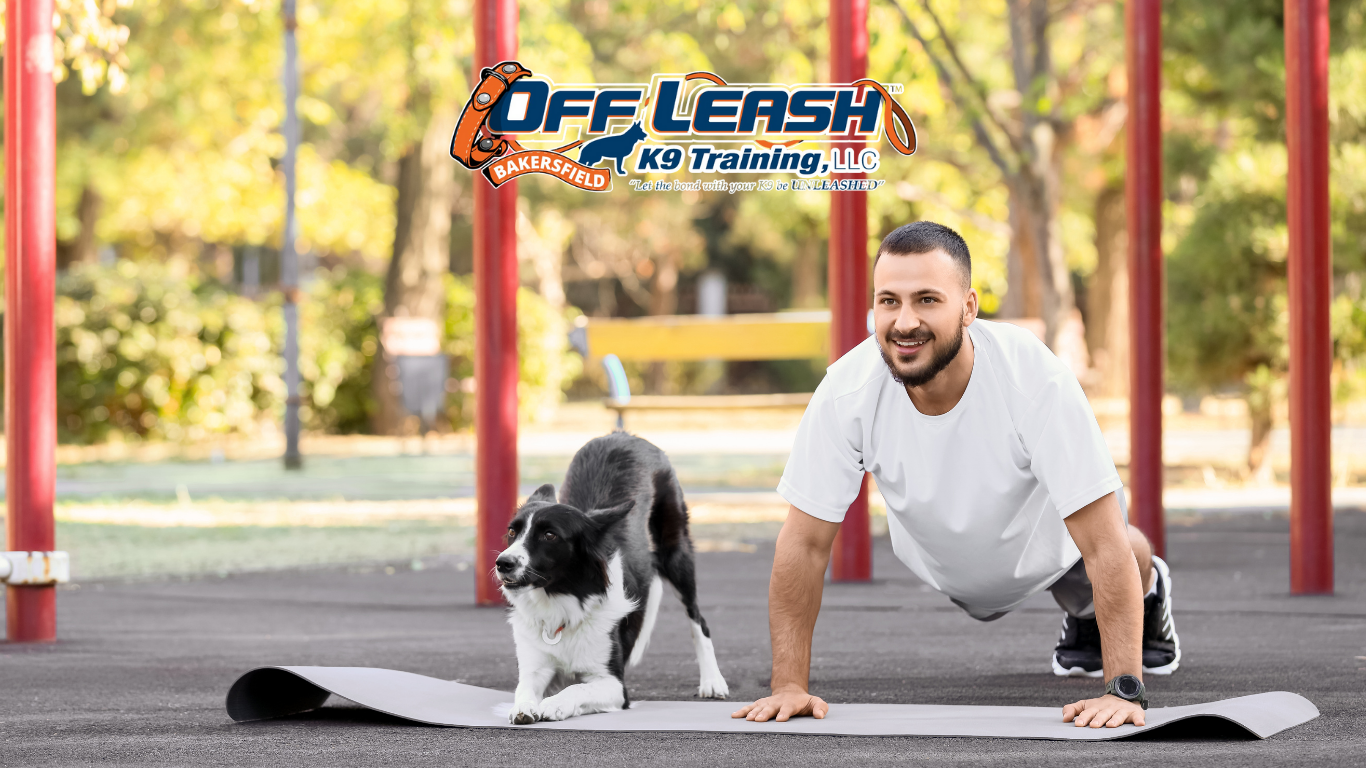
Dog training etiquette in public places
Walking your dog in a public park can be a delightful experience, but have you ever pondered how it contributes to training etiquette? A study shows that nearly 75% of dog owners believe their pets behave better in public after attending training sessions. This reveals the significance of understanding and implementing dog training etiquette in public places.
Historically, dogs have been man’s best friend, but proper training and etiquette have always been crucial. Effective training typically involves consistent commands and positive reinforcement. One key aspect is ensuring your dog is always on a leash and under control to prevent any disruptions or accidents, which improves public experiences for everyone involved.
Proper dog training etiquette in public places includes keeping your dog on a leash, teaching basic commands like “sit” and “stay,” managing your dog’s behavior around people and other dogs, ensuring your dog is calm and quiet, and always cleaning up after your pet to maintain a pleasant environment for everyone.
Dog training etiquette in public places
Ensuring proper dog behavior in public places is essential for a safe and enjoyable experience for everyone. One of the most important rules is keeping your dog on a leash. Leashes prevent accidents and help control unexpected situations. They also make other people feel safer around your pet. Adhering to leash laws shows respect and consideration for others.
Another fundamental aspect is controlling excessive barking. Loud, nonstop barking can disturb others and create uncomfortable situations. Training your dog to remain calm and quiet in public is crucial. Using positive reinforcement can help with this. It encourages good behavior through rewards.
Teaching your dog basic commands like “sit,” “stay,” and “come” is incredibly beneficial in public places. These commands can help manage your dog in different scenarios. They make it easier to handle distractions and interactions with other dogs. Consistent practice of these commands can lead to a well-behaved pet. Public spaces become more enjoyable when pets follow these simple guidelines.
Respecting other people and dogs is another key part of public etiquette. Always ask before allowing your dog to approach someone, especially children. Not everyone is comfortable around dogs. Ensuring your dog does not jump on people or other dogs is also important. This kind of respect fosters a positive environment for all.
Key principles of polite dog behavior in shared environments
One of the foundational principles is keeping your dog on a short leash. This not only maintains control but also keeps your dog close in crowded areas. Short leashes help prevent unwanted interactions. They also make it easier to steer clear of potential hazards. This creates a harmonious environment for all.
Another crucial principle is teaching your dog to greet others calmly. Overly excited dogs can jump or bark, which might scare people or other pets. Training them to sit and wait for your cue before greeting helps reduce this issue. It’s also important to gauge the comfort level of the other person or dog. Respecting their space is essential.
Ensuring your dog does not disturb wildlife or disrupt the natural setting is another key aspect. Dogs should remain on paths and avoid chasing birds or squirrels. This protects local wildlife and prevents any harm to your pet. Carrying waste bags and cleaning up after your dog is also vital. It helps keep shared spaces clean and enjoyable for everyone.
Consistent training is key to reinforcing these behaviors. Basic commands like “leave it” or “heel” are especially useful in shared spaces. Using these commands minimizes distractions and maintains order. Regular practice ensures your dog understands and follows your cues. This makes outings smoother and more pleasant for all involved.
Leash laws and responsible dog handling
Leash laws exist to keep both dogs and people safe in shared environments. These laws require dogs to be on a leash at all times in public spaces. This prevents your dog from running into traffic or getting lost. It also helps avoid confrontations with other dogs or wildlife. Adhering to these laws demonstrates respect for community rules and the well-being of your pet.
Using the right type of leash is essential for responsible dog handling. A sturdy, non-retractable leash offers better control. It limits the distance your dog can move, making it easier to manage. This type of leash is particularly useful in crowded areas. It helps keep your dog close and prevents unexpected interactions.
Training your dog to walk properly on a leash enhances the overall experience. Dogs should learn to walk beside you without pulling. This makes walks more enjoyable and less stressful for both of you. Leash training can be reinforced with treats or praise. Practicing consistently helps solidify good behavior.
Responsible dog handling goes beyond just using a leash. Being aware of your surroundings is crucial. Always watch for potential hazards or distractions. Keeping your dog calm and under control reduces the risk of incidents. This proactive approach ensures a positive experience for everyone in shared spaces.
Addressing common challenges: reactivity, distractions, and greetings
Tackling reactivity in dogs is often a top priority for pet owners. Dogs may react strongly to other animals, noises, or unfamiliar people. This can lead to lunging or barking, making walks stressful. One solution is to practice desensitization techniques. Gradual exposure to triggers helps reduce a dog’s reactive response over time.
Using positive reinforcement plays a crucial role in managing reactivity. Rewarding calm behavior encourages your dog to stay relaxed in challenging situations. Treats, praise, or toys can serve as effective rewards. Consistency is key to successful training. Over time, your dog will learn to associate calmness with positive outcomes.
Distractions are another common challenge in public places. Dogs can easily get sidetracked by people, smells, or other animals. Teaching your dog to focus on you is essential. Commands like “watch me” can be practiced at home first. Gradually, these skills can be used in more distracting environments.
Proper introductions during greetings are important to avoid negative interactions. Dogs should be trained to approach others calmly. Commands like “sit” or “stay” can help manage initial excitement. Always ask permission before allowing your dog to greet another person or pet. This shows respect and prevents unwanted incidents.
Incorporating training sessions into daily walks can help address these common challenges. Short, focused exercises can reinforce good behavior. This might include practicing commands or controlled greetings. Regular training helps solidify these behaviors, making public outings more enjoyable for both you and your dog.
Respecting other people and dogs in public areas
Respecting the space of others is a key aspect of responsible dog ownership. Always ask for permission before allowing your dog to approach someone. Not everyone is comfortable around dogs, and asking shows consideration. This simple act can prevent unwanted encounters. It ensures everyone feels safe and valued.
Properly managing your dog’s behavior around other dogs is crucial. Avoid letting your dog run up to unfamiliar dogs. Some dogs may be reactive or nervous. Keeping a respectful distance helps avoid potential conflicts. Use a firm grip on the leash and guide your dog away if needed.
If you encounter children in public areas, prioritize safety. Teach your dog to remain calm and seated when approached by kids. Children can be unpredictable, and a calm dog reduces risks. Always supervise interactions between your dog and children. This ensures a positive experience for both parties.
Good manners extend to keeping public areas clean and pleasant. Always carry waste bags when walking your dog. Promptly clean up after your dog to maintain the cleanliness of shared spaces. This simple habit reflects respect for the community. It also helps create a more enjoyable environment for all users.
Understanding body language and signaling is another important aspect. Pay attention to other dogs and their owners. Look for signs of discomfort or stress and act accordingly. Respecting these signals can prevent negative encounters. It fosters a harmonious atmosphere in public areas.
Training tools, commands, and helpful resources for public outings
Using the right tools can make training your dog much easier. A sturdy leash and a well-fitted harness provide control and comfort. Collars with identification tags are also essential. For better control, a gentle leader or head halter can be beneficial. These tools help manage your dog effectively in public spaces.
Basic commands are crucial for managing your dog during outings. Teaching commands such as “sit,” “stay,” and “come” establishes control. These commands help in various situations, from avoiding distractions to ensuring polite greetings. Consistent practice reinforces these behaviors. Using treats and praise as rewards can speed up the learning process.
There are numerous resources available to help with training. Online tutorials and videos can provide step-by-step guidance. Many websites offer free training tips and advice. Local training classes are another excellent option. Professional trainers can address specific issues and provide personalized advice.
Books and articles on dog training offer valuable information as well. Many experienced trainers have written books covering various aspects of training. These can be handy resources for both new and seasoned dog owners. Libraries and online platforms often have a wide selection to choose from. Reading different perspectives can enrich your training approach.
Some apps are designed to assist with dog training, making it convenient to track progress. These apps often include features like reminders for training sessions and progress tracking. They can also offer interactive guides and tips. Using an app can provide structure to your training routine. It makes staying consistent easier and more fun.
Frequently Asked Questions
Understanding dog training etiquette involves keeping pets safe, calm, and controlled in public spaces. Here are some common queries to help you manage your dog effectively in various situations.
1. How do I train my dog to ignore distractions during walks?
Training your dog to ignore distractions begins with teaching commands like “watch me” and rewarding focus. Start in a quiet area and gradually introduce more distractions as your dog improves. Using treats or a favorite toy can keep their attention on you. Consistent practice helps reinforce these skills.
It’s essential to remain patient and calm during training sessions. Distractions should be added slowly to avoid overwhelming your pet. Regular short training sessions are effective in maintaining their focus. Over time, your dog will learn to ignore distractions and focus on your commands during walks.
2. What should I do if my dog reacts aggressively to other dogs?
If your dog reacts aggressively to other dogs, it’s crucial to manage their environment. Avoid situations that trigger aggression until they are well-trained. Use positive reinforcement to reward calm behavior around other dogs. Gradually expose your dog to other dogs from a distance, reducing the gap as they progress.
Seek professional help if needed, as a trainer can provide tailored solutions. They may use techniques like desensitization and counter-conditioning. Ensuring your dog remains on a leash in public areas also helps maintain control. Professional guidance can make outings more manageable and safe.
3. Why is it important to use positive reinforcement during dog training?
Positive reinforcement is essential because it encourages good behavior through rewards. Using treats, praise, or toys helps your dog understand that they did something right. This method builds a strong bond between you and your pet. It also makes training enjoyable for them.
Dogs are more likely to repeat behaviors that result in positive outcomes. Positive reinforcement also reduces the likelihood of behavior issues. Avoiding punishment prevents fear and stress in your dog, leading to a happier, more confident pet. Training becomes an opportunity for bonding and learning together.
4. How can I stop my dog from barking excessively in public places?
To stop excessive barking, identify the triggers causing your dog to bark. Common triggers include unfamiliar people, noises, or other dogs. Use commands like “quiet” and reward them when they stop barking. Slowly desensitize your dog to these triggers by exposing them in a controlled manner.
Training sessions at home can help reinforce these commands. Consistency and patience are key to successful training. Using rewards to encourage quiet behavior makes the training process positive. Over time, your dog will learn to remain calm and reduce unnecessary barking in public places.
5. What basic commands should my dog know for public outings?
For public outings, your dog should know basic commands like “sit,” “stay,” and “come.” These commands help manage your dog’s behavior in various situations. “Leave it” is also useful for preventing them from picking up harmful objects. Practicing these commands in different environments increases their effectiveness.
Consistent training ensures your dog understands and responds to these commands reliably. Using positive reinforcement during training sessions makes learning fun for your pet. These fundamental skills make public outings more enjoyable and safer for both you and your dog. Regular practice helps maintain their obedience and improves your outings.
Conclusion
Mastering dog training etiquette in public places is essential for a harmonious experience. It ensures your dog is safe, well-behaved, and happy. By following recommended guidelines, you can create positive outings for both your pet and the community.
Investing time in training and using the right tools pays off significantly. Your efforts lead to better control, fewer issues, and a more enjoyable time together. Remember, a well-trained dog enhances public spaces for everyone.
"*" indicates required fields