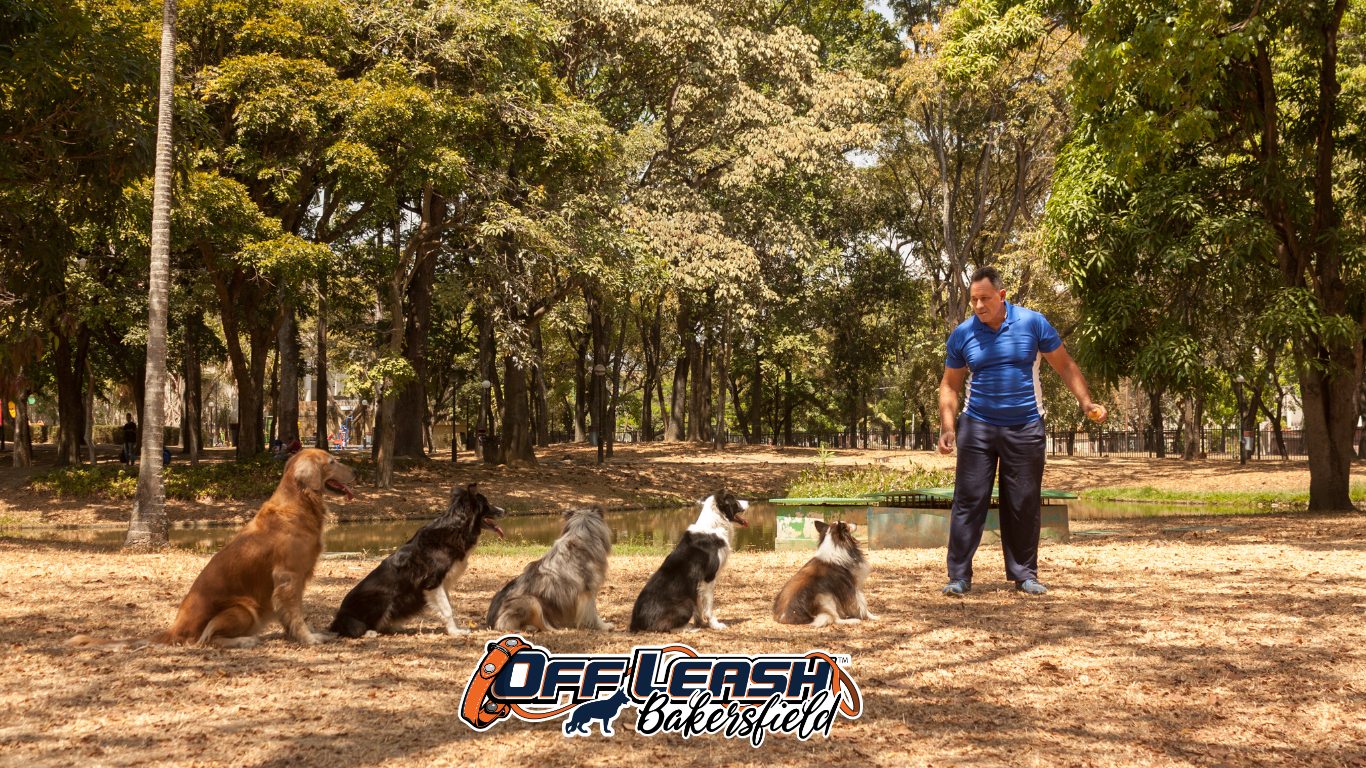
Dog Trainer Near Me: How to Find the Best Local Training for Your Dog
Finding the best dog trainer near you can change your pet’s behavior remarkably and foster stronger bonds. Dog training is an art and science, steeped in understanding canine psychology. The right trainer brings a blend of patience, expertise, and innovative methods tailored to your dog’s unique needs.
Local dog trainers often benefit from word-of-mouth reputation and years of community trust. Many employ evidence-based methods, with some trainers boasting certifications from esteemed institutions, elevating their credibility. Establishing good communication and a positive reinforcement strategy is their hallmark, ensuring a well-behaved and happy dog.
Finding the best dog trainer near you involves researching trainers with strong credentials, positive reviews, and experience. Look for certifications from reputable organizations, use of positive reinforcement methods, and tailored training plans. Personal recommendations and consistent client testimonials also help identify top-tier professionals in your area.
Best dog trainer near me
Finding the best dog trainer near you can be a crucial step in ensuring your pet’s well-being. The right trainer will bring a blend of experience, patience, and effective techniques. A locally recommended trainer can often be trusted, as their reputation is built within your community. They should understand the common behaviors and needs of local breeds. Reliable trainers typically have practical training sessions and positive reinforcement methods.
When searching for a good dog trainer, certifications and specializations are key aspects to consider. Certified trainers follow ethical guidelines and have undergone extensive training themselves. Look for certifications from recognized institutions such as the International Association of Canine Professionals. This not only ensures professional standards but also provides you peace of mind. Expert trainers often attend workshops to keep up with the latest training techniques.
The best trainers offer a variety of methods tailored to your dog’s unique needs. Positive reinforcement is widely recognized as an effective and humane approach. This method rewards good behavior with treats or praise rather than punishment. It’s particularly effective for teaching new skills. Additionally, it strengthens the bond between you and your dog.
Client testimonials and reviews can greatly assist in your decision-making process. These valuable insights allow you to gauge the trainer’s effectiveness and reliability. Look for feedback that highlights improvements in specific behaviors. A trustworthy trainer will have numerous positive reviews. Consider asking for references or joining local pet-owner groups for further recommendations.
Qualities of a Top Local Dog Trainer
A top local dog trainer should exhibit strong communication skills. They need to explain techniques clearly to pet owners and ensure instructions are easy to follow. Effective trainers understand the importance of listening to the concerns of pet owners. They offer personalized advice based on the specific needs of each dog. This approach helps to create a customized training plan that works well for both the pet and the owner.
Patience is another crucial quality. Training a dog can be a slow process, and a good trainer understands this. They remain calm and composed even when progress seems slow. Teaching both the dog and the owner requires time and persistence. This patience not only aids the learning process but also builds trust between the trainer and the pet.
Experience and certification are important qualities to look for in a dog trainer. Certified trainers follow ethical standards and are more likely to use up-to-date methods. Years of experience handling different breeds and behavioral issues are invaluable. Trainers with a proven track record can adapt their techniques to suit individual dogs. This ensures a higher success rate in training outcomes.
Finally, a genuine love for animals sets top trainers apart. This passion is evident in their approach and interactions with the dogs. A trainer who loves dogs will go the extra mile to ensure their well-being. They celebrate small victories in the training process. This enthusiasm not only motivates the pets but also reassures the owners.
Certifications and Specializations to Look For
Certifications are crucial indicators of a dog trainer’s expertise and professionalism. Look for trainers who are certified by recognized organizations. The Certification Council for Professional Dog Trainers (CCPDT) is a well-known authority. These trainers have completed rigorous exams covering canine behavior, teaching methods, and ethics. Such credentials ensure the trainer has a solid foundation of knowledge.
Specializations in areas like agility training or behavior modification can be beneficial. Trainers with these specializations are equipped to handle specific tasks. For example, if your dog has anxiety issues, a behavior modification specialist might be ideal. Specialized trainers use tailored techniques to address unique challenges. This expertise can lead to more effective and faster results.
You can also consider trainers with additional qualifications in veterinary science or animal psychology. These qualifications give trainers a deeper understanding of canine health and behavior. It allows them to design training programs that consider the dog’s overall well-being. Trainers with this knowledge can spot health-related issues early. This holistic approach is beneficial for long-term success.
Finally, always verify the authenticity of the certifications and specializations. Reputable trainers will gladly share their credentials with you. It’s also helpful to check reviews and testimonials. Real-life experiences from other pet owners can validate the trainer’s qualifications. Taking these steps can help you find a trustworthy and skilled professional.
Positive Training Methods and Techniques
Positive training methods are built on the concept of rewarding desired behaviors. When a dog does something right, they get a treat or praise. This reward system encourages the dog to repeat the behavior. It’s a humane and effective way to teach new skills. Such methods strengthen the bond between dog and owner.
Clicker training is a popular positive reinforcement technique. This method uses a small device that makes a clicking sound. The click marks the exact moment the dog performs a desired action. Following the click, the dog receives a treat, reinforcing the behavior. This clear, consistent signal helps dogs learn more rapidly.
Another technique is the use of toys and play as rewards. Some dogs respond better to playtime than treats. Trainers may use a favorite toy to motivate the dog. Incorporating play makes training sessions enjoyable. It keeps the dog engaged and eager to learn.
Positive training also focuses on avoiding punishment. Harsh corrections can create fear and anxiety in dogs. Instead, unwanted behaviors are ignored or redirected. For example, if a dog jumps on guests, they get no attention for that conduct. Over time, the dog learns that only calm behavior is rewarded.
Consistency is key in positive training methods. Everyone in the household must follow the same training cues and rules. This uniform approach prevents confusion for the dog. Consistent training helps reinforce good behavior quickly. It also creates a stable learning environment for the pet.
Patience and repetition are essential in positive training. Some dogs may take longer to understand certain commands. Regular, short training sessions help reinforce skills. This gradual approach builds confidence in both the dog and the owner. Over time, patience and persistence yield lasting results.
Real Client Experiences and Testimonials
Reading real client experiences and testimonials can provide valuable insight into a trainer’s effectiveness. Positive reviews often highlight specific improvements in a dog’s behavior. For example, a client might mention their once aggressive dog now behaves calmly around other pets. These firsthand accounts can give you confidence in the trainer’s abilities. They offer a glimpse into what you can expect from the training process.
Clients often share details about the trainer’s methods and their approach. Many mention how trainers use positive reinforcement techniques. These reviews can help you understand if the trainer’s style matches your preferences. Some clients appreciate a trainer’s patience and understanding. Personal stories create a clearer picture of the trainer’s impact.
Testimonials can also reveal the trainer’s strengths. If multiple clients praise the same qualities, it’s a strong indicator of the trainer’s expertise. For instance, a trainer consistently praised for their effective communication is likely good at explaining techniques. These repeated compliments are worth noting. They reflect the trainer’s overall reliability.
It’s also helpful to look for any red flags in reviews. Instances of harsh methods or unprofessionalism should be a concern. Pay close attention to how the trainer handles different breeds and issues. If there are recurring complaints, it might be best to consider other options. Balanced reviews that include both positives and negatives can offer the most honest feedback.
In some reviews, clients include before-and-after scenarios. These detailed accounts can highlight the progress made during training. They help you see the potential transformations in your own dog. Satisfied clients discuss how their dogs learned new commands or overcame behavioral challenges. This relatable progress can be very encouraging.
Joining local pet owner groups can also provide authentic testimonials. Members of these groups often share their experiences with various trainers. Such community-based feedback can be incredibly useful. It allows you to ask specific questions and get immediate responses. Word-of-mouth recommendations are often reliable.
Pricing, Packages, and How to Get Started
Understanding the pricing and packages offered by dog trainers is crucial. Costs can vary based on the trainer’s experience, location, and the length of the training program. Some trainers offer hourly rates, while others have packages that include several sessions. Comparing different options can help you find a plan that fits your budget. Make sure to ask about any additional fees for materials or assessments.
Many trainers offer various packages to meet different needs. For example, you might find basic obedience training, puppy training, and advanced behavior modification packages. These packages typically include a set number of sessions targeting specific goals. Some might even offer group classes, which can be more affordable. Determine what your dog needs to choose the right package.
To get started, the first step is usually an initial consultation. During this session, the trainer assesses your dog’s behavior and your training goals. This meeting helps the trainer design a personalized training plan. It also gives you a chance to ask questions and understand the trainer’s methods. Most initial consultations are either free or have a nominal fee.
Booking sessions is typically straightforward. Many trainers offer online booking systems for convenience. This allows you to easily choose dates and times that fit your schedule. It’s also a good idea to discuss expectations and set clear communication channels with the trainer. Consistent sessions are key to achieving the best results.
Some trainers also offer follow-up support after the initial training is complete. This can include check-in sessions or additional advice via phone or email. Ongoing support ensures that the training sticks and that any new issues are addressed promptly. Knowing you have this backup can be very reassuring. It also helps maintain progress and reinforce positive behaviors.
How to compare the best dog trainers in your area
When comparing dog trainers, start by looking at their qualifications and certifications. Trainers with credentials from recognized organizations have undergone rigorous training. This ensures they use scientifically-backed methods. It’s also a guarantee of their commitment to professional standards. Check for affiliations with groups like the CCPDT or APDT.
Next, read reviews and testimonials. Client feedback provides firsthand insight into the trainer’s effectiveness and style. Look for patterns in what previous clients say about their experience. Positive comments about communication and results are good signs. Balanced feedback that includes some constructive criticism can be more trustworthy.
Consider the types of services offered by each trainer. Some may specialize in obedience training, while others focus on behavioral issues or agility courses. It’s important to find a trainer whose expertise matches your dog’s needs. Ask about the specific methods they use during sessions. This can help ensure their approach aligns with your expectations.
Compare pricing and packages to understand what you’re getting for your investment. Trainers offer various options, ranging from single sessions to comprehensive programs. Make sure you know what’s included in each package. Transparency about costs upfront will prevent surprises later on.
Schedule initial consultations with potential trainers before making a decision. These meetings allow you to gauge the trainer’s approach and personality firsthand. They offer an opportunity to discuss your dog’s unique needs and see if you feel comfortable working together. Use this time to ask specific questions about techniques, progress tracking, and follow-up support. A face-to-face meeting can significantly influence your choice.
Red flags to avoid when hiring a local dog trainer
When searching for the best dog trainer near you, it’s important to watch for red flags. One major warning sign is a trainer who uses harsh or aggressive methods. Techniques that intimidate or scare your dog can lead to fear and anxiety. A good trainer should use positive reinforcement and humane methods. Avoid anyone who relies on punishment.
An absence of certifications or professional affiliations is another red flag. Reliable trainers often have credentials from respected organizations. If a trainer is unwilling to share their qualifications, it’s a cause for concern. Certifications reflect a commitment to ongoing education and ethical practices. Don’t compromise on the importance of verified expertise.
Pay attention to how trainers handle questions about their methods. Vague or evasive answers can indicate a lack of transparency. A reputable trainer will explain their techniques clearly and confidently. They should be open to discussing their training philosophy and providing examples. Be wary of trainers who can’t or won’t give detailed information.
Also, be cautious of trainers with inconsistent reviews. While a few negative comments are common, a pattern of dissatisfaction is troubling. Look for consistency in praise as well as criticism. Repeated issues with punctuality, reliability, or effectiveness are significant warnings. Prioritize consistency and overall positive feedback in your decision-making process.
A final red flag is a trainer who doesn’t assess your dog before starting the training. A proper assessment helps tailor the program to your dog’s needs. Missing this step shows a lack of personalized care. Trainers should meet with you and your dog to understand your goals. Never skip the initial consultation phase.
Benefits of working with a certified dog trainer near you
Working with a certified dog trainer near you offers many advantages. Certified trainers have undergone extensive education and testing. This ensures they are knowledgeable and skilled in canine behavior and training techniques. Their certification guarantees adherence to ethical standards. This provides you with peace of mind.
Certified trainers use proven, humane methods to train your dog. They rely on positive reinforcement, making the learning process enjoyable for your pet. Such techniques help in building a strong bond between you and your dog. Positive methods also encourage long-lasting behavioral changes. This approach reduces the risk of stress or fear in your pet.
Another benefit is personalized training plans. A certified trainer will assess your dog’s specific needs and adapt their approach accordingly. They consider factors like breed, age, and behavior issues. This tailored program ensures effective training. It addresses your dog’s unique challenges and strengths.
Convenience is a noteworthy benefit of hiring a local trainer. Being nearby means flexible scheduling and easier follow-up sessions. If additional assistance is required, they can provide timely support. This accessibility ensures that training progresses smoothly. It minimizes any disruption to your daily routine.
Lastly, certified trainers often offer valuable insights beyond basic training. They can educate you on dog health, nutrition, and overall care. This holistic approach contributes to your dog’s well-being. Trainers can become trusted resources for various pet-related questions. This comprehensive guidance helps you become a more effective pet owner.
Questions to ask before hiring the best dog trainer
Before hiring a dog trainer, it’s important to ask about their experience. How long have they been in the business? Experience can indicate how well they handle different breeds and behavioral issues. A trainer with years of experience will likely have encountered various challenges. This background can help them tailor training to your dog’s needs.
Inquire about their training methods and philosophy. Do they use positive reinforcement techniques? Trainers should explain their approach clearly. Understanding their methods ensures they’re a good fit for your training goals. It also helps you anticipate how your dog will respond to the sessions.
Certifications and affiliations are also crucial points to discuss. Ask if they are certified by a reputable organization. Credentials like those from the CCPDT can assure you of their expertise. Certification shows they follow ethical standards. Affiliations with professional organizations can add to their credibility.
Understanding the logistics of their services is essential. What is the structure of their training programs? Knowing how many sessions are included and the duration of each can help you plan. Also, check if they provide follow-up support. This ongoing help can be valuable for reinforced learning.
Finally, ask for references or client testimonials. These can provide insights into the trainer’s success rate. Real-life experiences from other pet owners can be very revealing. Positive testimonials can confirm the trainer’s reliability. They also give you a sense of what to expect from the training.
Frequently Asked Questions
Choosing a dog trainer requires careful consideration of various factors. Below are some common questions and answers to help guide you.
1. What qualifications should a dog trainer have?
A qualified dog trainer often holds certifications from recognized organizations such as the Certification Council for Professional Dog Trainers (CCPDT). These certifications indicate they have undergone rigorous training and adhere to professional standards. It is important to verify the trainer’s credentials to ensure they have the necessary skills and knowledge.
Additionally, having practical experience with various breeds and behavioral issues significantly adds to a trainer’s qualifications. Trainers who regularly attend workshops and keep up-to-date with the latest training methods are also preferable. This ongoing education is crucial for effective and humane dog training.
2. How do I know if a trainer uses positive reinforcement methods?
Positive reinforcement is a humane and effective dog training method. To determine if a trainer uses this approach, ask them about their training techniques. They should be able to explain how they reward good behavior with treats, praise, or toys rather than using punishment.
Observing a training session can also provide insight into their methods. A trainer using positive reinforcement will maintain a calm and encouraging demeanor, focusing on rewarding the dog for correct behavior. This approach helps in building trust and promotes long-lasting learning.
3. What are the benefits of group training classes?
Group training classes offer several advantages for both dogs and owners. They provide a social environment where dogs can learn to interact with other pets, which is essential for developing good social behavior. Group settings can also make training more enjoyable and less stressful for dogs.
For owners, group classes are often more affordable than private sessions and offer opportunities to learn from others’ experiences. Being part of a group allows for community support and shared tips, enhancing the overall training experience. Additionally, seeing other dogs learn can motivate and encourage your dog’s progress.
4. How long does it usually take to train a dog?
The duration of dog training varies depending on several factors including the breed, age, and the specific behaviors being addressed. Basic obedience training typically takes 6 to 8 weeks of consistent, regular sessions. However, more complex behavior issues may require longer periods of time.
The key to effective training lies in consistency and patience. Regular reinforcement of learned behaviors at home is crucial. Even after initial training, ongoing practice helps maintain your dog’s skills and ensures they remain well-behaved over time.
5. What should I look for in customer reviews of dog trainers?
When reading customer reviews, look for specific mentions of how the trainer handled particular behavioral issues. Positive feedback about the trainer’s communication skills and professionalism is also important. Reviews that highlight significant improvement in a dog’s behavior can indicate the trainer’s effectiveness.
Balanced reviews that mention both the strengths and shortcomings of the trainer can be more trustworthy. Consistent praise about the trainer’s methods, reliability, and the dog’s responsiveness suggest that the trainer delivers good results. It’s also helpful to look for reviews that describe the long-term success of the training.
Conclusion
Choosing the best dog trainer near you requires careful research and consideration. Focusing on certifications, positive training methods, and personalized plans ensures you select a qualified professional. These factors contribute to your dog’s well-being and successful training experience.
Remember to evaluate client reviews and ask pertinent questions to make an informed decision. Effective communication and humane practices are crucial. By prioritizing these aspects, you will find a trainer who positively impacts your dog’s behavior and enriches your relationship.
"*" indicates required fields