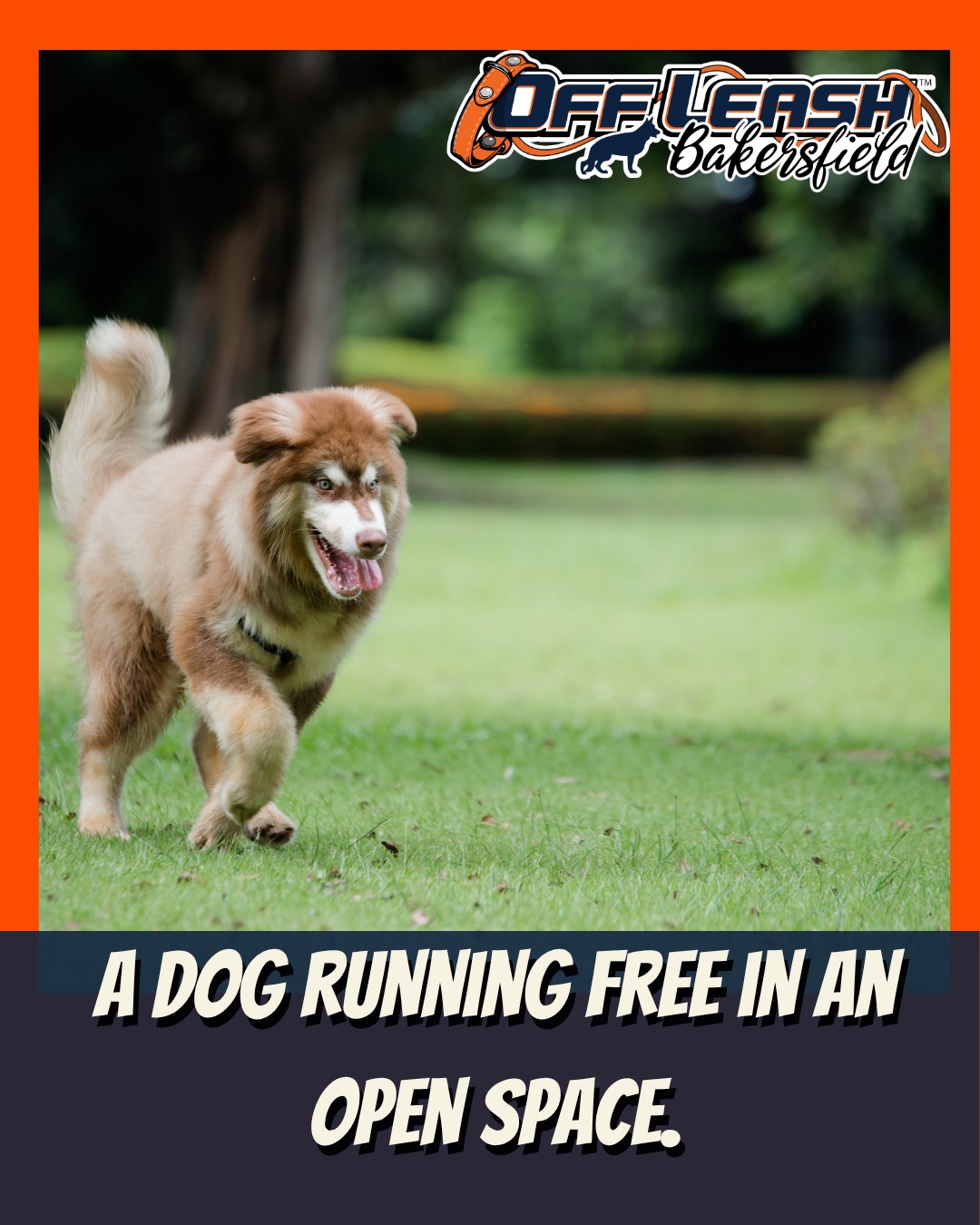
Dog running free in open space.
There’s something inherently liberating about observing a dog unleashed, racing through an open field. The sheer joy they express is palpable, a testament to their instinctual need for freedom and movement. This sight not only warms the heart but also serves as a stark reminder of the importance of allowing dogs to engage with their natural environment.
Historically, dogs have roamed freely alongside humans for thousands of years, contributing to their physical and mental well-being. Today, modern research indicates that dogs need ample space to run and explore, highlighting how restricted environments can lead to behavioral issues. Incorporating regular, unbounded outdoor activities significantly enhances a dog’s overall health and happiness, aligning with their evolutionary traits.
Allowing a dog to run free in open spaces benefits their physical health and mental well-being. It provides exercise, strengthens muscles, and enhances cardiovascular health. Additionally, it offers mental stimulation, reduces anxiety, and promotes socialization with other dogs and people. Open spaces are crucial for their overall happiness and development.

Benefits of Dogs Running Free in Open Spaces
Dogs thrive when given the opportunity to run free in open spaces. Their physical health improves significantly as they engage in unrestricted exercise, strengthening their muscles and cardiovascular system. Plus, running helps maintain a healthy weight, which can prevent obesity-related issues.
Mental well-being is another key benefit of allowing dogs to run free. The stimulation from exploring new environments reduces anxiety and depression. Engaging their senses in natural surroundings can significantly improve their mood and overall mental health.
Socialization is vital for dogs, and open spaces provide excellent opportunities for them to interact with other dogs and people. These interactions teach them important social skills, making them more adaptable and friendly. A well-socialized dog is often more confident and well-behaved.
Allowing dogs to run freely benefits not only the dogs but also the community. Dog owners can meet and share experiences, creating a sense of camaraderie. Communities with ample open spaces often see happier, healthier pets and more satisfied owners, enhancing the overall quality of life.
Enhanced Physical Health
Allowing dogs to run freely in open spaces dramatically enhances their physical health. They get to exercise all their muscle groups, leading to better overall muscle tone and strength. This type of exercise also boosts their cardiovascular health.
Running helps dogs burn excess calories, preventing obesity and related health issues. Studies show that dogs that have regular access to open spaces live healthier and longer lives. Consistent physical activity helps maintain a healthy weight.
In addition to physical benefits, running in open areas reduces stress on dogs’ joints. Natural terrains are usually more forgiving than paved ones. This can be particularly beneficial for older dogs or breeds prone to joint problems.
Moreover, engaging in active play outdoors supports their immune system. Exposure to various natural elements strengthens their defense mechanisms. This leads to fewer visits to the vet and a happier, more resilient pet.
Improved Mental Well-being
Running freely in open spaces significantly enhances a dog’s mental well-being. When dogs explore new environments, they experience a sense of adventure and excitement. This stimulation is essential for their mental health.
Open spaces reduce feelings of confinement and anxiety in dogs. The fresh air and natural surroundings have a calming effect. Regular exposure to new sights, sounds, and smells keeps their minds engaged and curious.
Dogs that get to run freely often display fewer behavioral problems, such as excessive barking or chewing. These activities serve as outlets for their energy, reducing restlessness. A well-exercised dog is usually more relaxed and content at home.
Interaction with other dogs and people during these outings also contributes to mental well-being. Social interactions help dogs develop trust and confidence. Happy, mentally stimulated dogs are more likely to form stronger bonds with their owners and other pets.
Socialization Opportunities
Open spaces provide excellent socialization opportunities for dogs. Interacting with other dogs in an unrestricted environment helps them learn essential social skills. These skills are crucial for their development and well-being.
Engaging with other dogs and humans in open spaces allows dogs to become more confident. They learn how to communicate and play appropriately. This ensures they are well-adjusted and less likely to exhibit aggressive behaviors.
Outdoor socialization also offers dogs the chance to experience diverse situations. From meeting different breeds to encountering various types of people, these experiences are invaluable. They help dogs become more adaptable to new environments.
Moreover, socialization in open spaces can prevent behavior issues like excessive barking or anxiety. Dogs that interact regularly with others are more likely to be calm and well-behaved. This makes life easier for both the dog and its owner.
Owners benefit from these socialization opportunities, too. They can connect with fellow dog lovers and share tips and experiences. This sense of community adds to the joy of having a pet.
Challenges and Considerations in Free-range Dog Activities
Free-range dog activities come with several challenges that need consideration. One of the main issues is ensuring the safety of the dogs. In open spaces, dogs may encounter hazards such as traffic or wildlife.
Another important consideration is keeping the dogs under control. Even well-trained dogs can become excited and difficult to manage in large, open areas. This can lead to conflicts with other dogs or people.
Owners must also be mindful of their dogs’ health during these activities. Overexertion can be a risk, especially for older dogs or those with pre-existing conditions. It’s essential to monitor their condition and provide ample water breaks.
Environmental impact is another consideration. Dogs running free can disturb local wildlife and plant life. Responsible owners should choose designated dog-friendly areas to minimize these effects.
Legal restrictions and local regulations often dictate where dogs can run free. Researching and adhering to these rules is crucial for avoiding fines and ensuring a positive experience for everyone involved. This helps maintain harmony within the community.
Effective Locations for Dogs to Run Free
Dog parks are one of the best places for dogs to run free. These designated areas are typically fenced, providing a safe environment for dogs to play. They also offer amenities such as water stations and waste disposal facilities.
Open fields and meadows provide large, natural areas for dogs to explore. These spaces often have varied terrain, which can be more stimulating for dogs. They can run, sniff, and interact with nature.
Beaches that allow dogs are another excellent option. Running on sand provides a great workout, and many dogs love to splash in the water. It’s a fun, refreshing way for dogs to exercise and cool down simultaneously.
Hiking trails that permit dogs can be perfect for more adventurous outings. These trails offer a combination of physical activity and mental stimulation. Ensure that the trails are dog-friendly and that you follow leash regulations.
Some urban areas have designated off-leash zones within larger city parks. These sections provide a controlled environment where dogs can run and play without leashes in an otherwise bustling city setting. These zones usually have clear signage and rules to ensure everyone’s safety.
Community Impact and Public Opinions
The presence of designated areas for dogs to run free has a significant impact on the community. These spaces create opportunities for social interaction among dog owners. This fosters stronger neighborhood connections and a sense of community.
Many people believe that allowing dogs to run off-leash in public areas enhances the quality of life for both pets and their owners. Besides, it promotes responsible pet ownership as owners are required to adhere to rules and regulations. This ensures a harmonious coexistence between dog lovers and others.
However, some community members express concerns about safety and cleanliness. Issues such as unattended waste or aggressive behavior can lead to disputes. Clear guidelines and regular maintenance can help mitigate these problems.
Public opinion often varies depending on individual experiences with free-range dog areas. Surveys indicate that most dog owners appreciate these parks, while non-owners have mixed feelings. Balancing these perspectives is crucial for maintaining public support.
An effective way to address concerns is by involving the community in decision-making processes. Regular meetings or open forums can provide a platform for discussion. This collaborative approach helps align interests and ensures the success of free-range dog initiatives.
Future Prospects for Off-leash Dog Areas
The future of off-leash dog areas looks promising as more communities recognize their benefits. Urban planners are increasingly incorporating these spaces into city designs. This reflects a growing awareness of the importance of pet-friendly environments.
Advancements in technology could play a significant role in enhancing off-leash dog areas. Innovations such as GPS tracking and automated safety systems can help monitor dogs and ensure their safety. These tools can provide peace of mind for owners.
Environmental sustainability is another key consideration for future off-leash areas. Incorporating eco-friendly materials and practices can minimize impact on natural habitats. This ensures that both dogs and wildlife can coexist harmoniously.
Community involvement will likely shape the development of these spaces. Public input can guide the creation of off-leash areas that meet the needs of residents. Engaging with local stakeholders can lead to more inclusive and effective solutions.
Education and awareness programs may also be essential. Teaching dog owners about responsible use of off-leash areas can help maintain safety and cleanliness. These initiatives can foster positive experiences for all users.
Overall, the future prospects for off-leash dog areas depend on continued support and innovation. With careful planning and community engagement, these spaces can thrive and contribute to the well-being of both dogs and people.
Frequently Asked Questions
Here are some common questions answered about allowing dogs to run free in open spaces. These answers provide insights into the benefits and considerations for dog owners.
1. What are the best places for dogs to run free?
Dog parks are an excellent choice for allowing dogs to run free. These areas are typically fenced and have amenities like water stations and waste bins. Open fields and meadows offer natural environments where dogs can explore safely.
Beaches that permit dogs provide a great workout running on sand and swimming. Hiking trails are also ideal, giving dogs both mental and physical stimulation. Just ensure that these trails are dog-friendly and follow any leash rules.
2. How does running free benefit a dog’s mental health?
Running free in open spaces provides crucial mental stimulation. Exploring new environments reduces anxiety and provides a sense of adventure. Dogs can engage their senses in ways that confined spaces cannot offer.
This mental engagement helps to reduce behavioral problems like excessive barking. Interacting with other dogs and people during these outings also contributes positively. It aids in the development of social skills, making them more confident and well-adjusted.
3. Are there risks involved in letting dogs run free?
There are indeed risks, such as encounters with traffic, wildlife, or other hazards. It’s essential to supervise dogs closely in unrestricted environments. Even well-trained dogs can get distracted and run into unsafe situations.
Local laws and regulations might restrict where dogs can run free. Adhering to these rules ensures both the dog’s safety and community harmony. It’s also crucial to be mindful of their health, avoiding overexertion and providing water breaks.
4. How can I ensure my dog’s safety while running free?
Supervision is key when allowing dogs to roam freely in open spaces. Using a GPS tracker can help monitor their location in larger areas. Choosing safe environments like fenced dog parks can minimize risks significantly.
Training your dog to respond to commands ensures better control during free-range activities. Equip them with a collar and tags that have your contact information. Always be aware of your surroundings to anticipate any potential hazards.
5. Do off-leash areas require special maintenance?
Yes, off-leash areas need regular maintenance to ensure they remain safe and clean. Waste disposal facilities need to be emptied regularly to prevent messes. Fencing and other infrastructure should be inspected and repaired as needed.
Community involvement is crucial for maintaining these spaces. Volunteers often help with clean-up efforts and reporting issues. This ensures a pleasant environment for everyone to enjoy, both dogs and their owners.
Conclusion
Allowing dogs to run free in open spaces provides numerous benefits for their physical and mental health. These activities enhance their mood and overall well-being, leading to happier and healthier pets. Proper supervision and adherence to local regulations ensure these benefits are enjoyed safely.
Communities that support off-leash areas often see positive outcomes, including stronger social bonds among pet owners. As awareness and technology improve, the prospects for these spaces continue to grow. With responsible ownership, our furry friends can thrive in these environments.
"*" indicates required fields