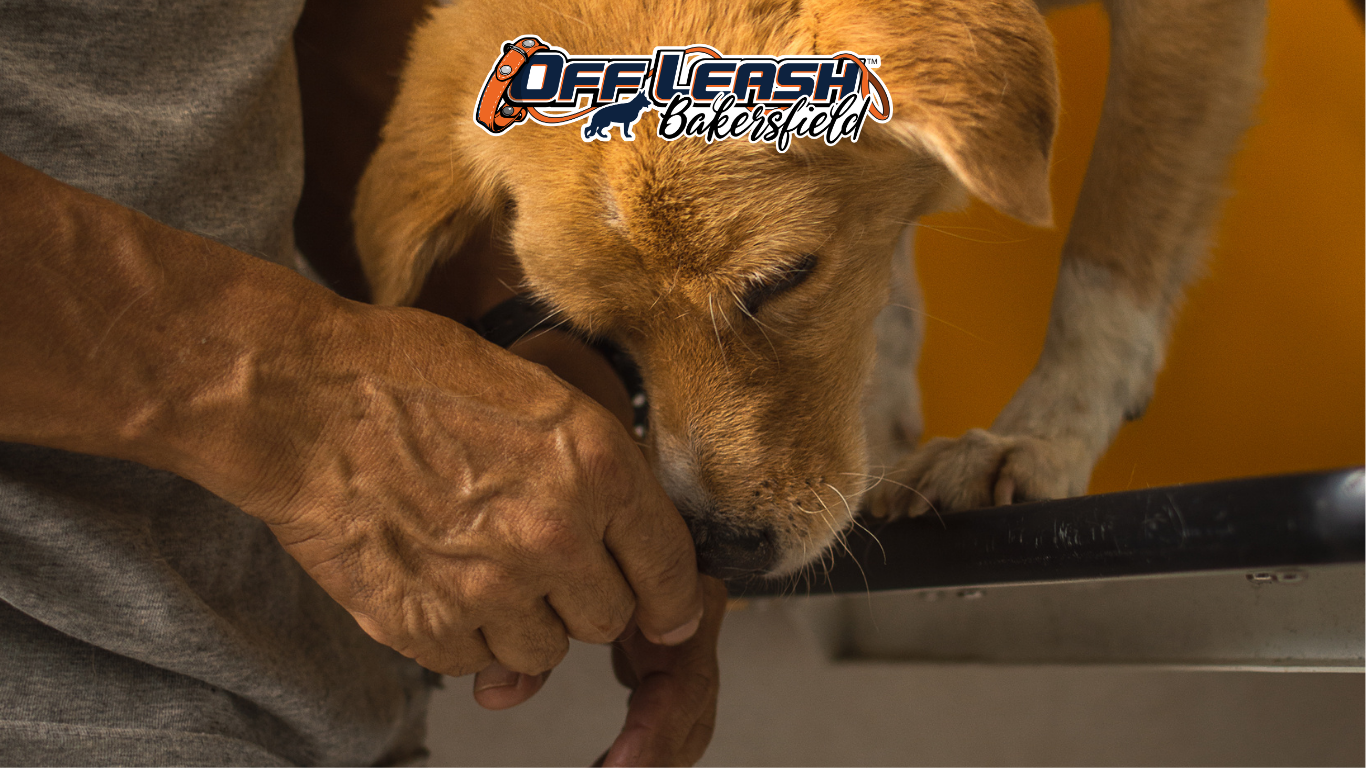
Sudden Touch: Understanding Your Dog’s Reaction
Have you ever noticed your dog flinch or jump when touched unexpectedly? This reaction, while startling, is a natural response deeply rooted in their instincts. Dogs, much like humans, rely on their sense of touch for survival, and sudden, abrupt touches can trigger a flight-or-fight response.
Understanding why this happens involves delving into their evolutionary background. Historically, a sudden touch could signify a predator or an aggressive encounter. Research indicates that about 40% of dogs exhibit sensitivity to unexpected touch, a statistic that underscores the importance of gradual and gentle interactions to build trust and comfort.
Dogs may react to sudden touch due to past traumas, lack of socialization, fear, or health issues. Their instinctive response can be rooted in previous negative experiences, making them wary of unexpected contact. Understanding and addressing these sensitivities with gentle handling and positive reinforcement is crucial for their well-being.

Why Your Dog Reacts to Sudden Touch
Dogs are naturally sensitive to their surroundings. Sudden touches can catch them off guard, triggering a quick reaction. This instinctual behavior dates back to their ancestors who needed to be alert to survive. Dogs, even as domesticated animals, still retain some of these survival instincts. It’s how they keep themselves safe from potential threats.
Past traumas also play a significant role in how dogs react to unexpected touch. A dog that has faced rough handling or abuse might develop a heightened sensitivity. This is a protective mechanism, helping them avoid situations that caused them pain before. Building trust with such dogs requires patience and consistency. Gentle, predictable interactions can help ease their fear over time.
Early socialization shapes a dog’s comfort with touch. Puppies that are gently and frequently handled grow up to be more comfortable with human touch. If a dog missed out on positive touch experiences, they might be more jumpy. Regular, positive touch in a calm setting can help them adapt. This is why it’s important to handle puppies often and gently.
Physical ailments can make dogs sensitive to touch. Conditions such as arthritis or skin infections can cause pain when touched. This sensitivity isn’t just behavioral; it’s physiological. Regular vet check-ups ensure any underlying issues are addressed. Proper care and medication can significantly reduce their touch sensitivity.
Common behavioral reasons behind sensitivity to unexpected touch
One primary behavioral reason for a dog’s sensitivity to unexpected touch is fear. Many dogs have had past experiences where sudden touches have led to something negative, reinforcing this fear. This makes them anxious about similar situations recurring. For some dogs, even a slight touch can cause them to jump or react defensively. Addressing this fear involves patience and consistent positive reinforcement.
Lack of socialization can also contribute to touch sensitivity. Puppies need exposure to gentle and consistent handling during their early development stages. Without this, they might grow up wary of being touched. Dogs that weren’t well-socialized often see touch as a threat. Introducing them to touch gradually can help them become more comfortable.
Another common reason is a dog’s inherent protective nature. They may be on high alert, ready to guard themselves or their territory. This can manifest as sensitivity to any sudden or unexpected contact. This behavior is more common in certain breeds. Training and building trust can help manage this sensitivity over time.
Lastly, learned behavior from their environment plays a role. If a dog consistently observes nervous or defensive reactions to touch in other animals, it might mimic this behavior. Dogs are keen observers and can pick up on cues from their surroundings. Positive reinforcement and providing a stable environment can mitigate this sensitivity. Encouraging calmness through positive interactions is key.
How a dog’s history and past traumas affect response to touch
A dog’s history greatly impacts its reaction to sudden touch. Dogs rescued from abusive situations often have a deep-seated fear of being touched. This fear can stem from the pain and trauma they experienced in the past. Even in a new, loving home, these dogs may flinch or growl when touched unexpectedly. Understanding their history is crucial for providing the care they need.
Traumas, such as accidents or rough handling, can leave long-lasting impressions. These experiences teach dogs to associate touch with pain or distress. As a result, they can develop defensive behaviors to protect themselves. A dog might snap if they think the touch is a threat. Rehabilitation through gentle, positive interactions can help them recover.
A lack of early positive experiences contributes to touch sensitivity. Puppies that aren’t handled kindly or consistently can grow up suspicious of human touch. Over time, these dogs learn to avoid touch as a protective measure. Early socialization is critical for preventing such issues. With patience, these dogs can learn to enjoy affection again.
Sometimes, dogs inherit fear from their environment. If a dog consistently observes fearful behavior from other animals, they might mimic this response. This learned behavior can be challenging to overcome. However, creating a stable and supportive environment can help. Positive reinforcement and safe spaces can reduce their anxiety over time.
The role of socialization and early experiences
Early socialization plays a critical role in a dog’s comfort with touch. Puppies that are gently handled learn to associate touch with positive experiences. This helps them grow into well-adjusted dogs. Conversely, if they miss out on these interactions, they may become wary of touch. Early socialization sets the foundation for future behavior.
Positive early experiences can also prevent fear-related reactions. When puppies are exposed to gentle handling, they develop trust in humans. This trust makes them less likely to react defensively. Consistent positive interactions are key. Owners should make these experiences enjoyable for the puppies.
Environments rich in social interactions help dogs adapt better. Exposing them to various people and situations can make them more resilient. They learn that not every touch is a threat. This broad range of experiences builds their confidence. Confident dogs are generally less sensitive to sudden touch.
The timing of these experiences is crucial. The socialization period is most effective between three and fourteen weeks of age. During this window, puppies are most receptive to new experiences. Missing this period can result in lifelong touch sensitivity. It’s important to introduce them to gentle touch early on.
Owners can use a variety of socialization techniques. These include supervised playdates and gentle grooming sessions. Simple activities like these teach puppies to be comfortable with being handled. Consistency and patience are key. Positive reinforcement rewards them for their bravery.
Regular exposure to touch helps reduce future anxiety. Socialization isn’t a one-time event but an ongoing process. Continuing to provide positive touch experiences throughout their life is essential. This helps maintain their comfort and confidence. A well-socialized dog is a happier, well-adjusted companion.
Health issues and their influence on your dog’s sensitivity
Health problems can significantly influence a dog’s sensitivity to touch. Conditions like arthritis cause pain and discomfort. When touched, a dog with arthritis may react aggressively or defensively. They associate the touch with the pain they are experiencing. Regular veterinary check-ups can help manage these issues.
Skin conditions are another common cause of touch sensitivity. Dogs with allergies or infections may find any touch painful. These conditions can make their skin feel irritated and sore. A touch on an inflamed area can be especially distressing. Treatments and medications can alleviate these symptoms, reducing sensitivity.
Neurological issues can also affect touch sensitivity. Problems with a dog’s nervous system can cause them to react unpredictably to touch. They might experience sensations differently than healthy dogs. This could make them more jumpy or reactive. Addressing these issues often requires specialized veterinary care.
Chronic pain conditions can persistently affect a dog’s response to touch. Persistent pain might come from injuries that never healed properly. Over time, this can lead to a heightened sensitivity that persists even after the injury has healed. The dog’s nervous system remains on high alert. Managing chronic pain involves a comprehensive approach.
Dental problems often go overlooked but can play a role. Dogs with sore gums or teeth may not like their face being touched. This can make grooming and handling difficult. Regular dental check-ups improve overall well-being and reduce sensitivity. Good dental hygiene is crucial for their comfort.
Regular health screenings can help detect these issues early. Early detection and treatment can significantly improve a dog’s comfort. This reduces their sensitivity to touch and improves their quality of life. An attentive pet owner is essential in recognizing and addressing health problems. A healthy dog is generally more relaxed and less sensitive to touch.
Ways to help your dog feel safe with touch
Creating a safe environment is key in helping your dog feel comfortable with touch. A consistent routine helps build trust. Dogs thrive on predictability, which reduces their anxiety. When they know what to expect, they are less likely to react defensively. Make every touch positive and gentle.
Positive reinforcement can make a big difference. Reward your dog with treats and praise when they respond well to touch. This helps them associate touch with positive experiences. Avoid sudden or rough handling. Be patient and give them time to adjust.
Gradual desensitization is another effective method. This involves slowly increasing your dog’s exposure to touch. Start with light, brief touches and gradually build up. This way, your dog won’t feel overwhelmed. Consistency is crucial in this process.
- Start with no touch, just your hand nearby
- Lightly touch then quickly retreat
- Increase duration of touch over time
- Ensure each session ends positively with treats
Providing a safe space is important for your dog. Create a designated area where they can retreat when they feel stressed. This can be a comfy bed or a quiet corner in the house. Allow your dog to decide when they’re ready to be touched. Respecting their boundaries builds trust.
Regular health check-ups can identify any physical ailments contributing to touch sensitivity. It’s essential to rule out any health issues. A dog that feels physically well is more likely to be comfortable with touch. Monitor their reactions closely and consult a vet if needed. A holistic approach benefits both mental and physical well-being.
Frequently Asked Questions
Understanding your dog’s reactions can strengthen your bond and improve their well-being. Here are some common questions about why dogs react to sudden touches and how to help them feel more secure.
1. How can I help my dog feel more comfortable with touch?
Start by creating a calm and predictable environment. Use positive reinforcement, offering treats and praise when your dog responds well to gentle touch. Gradually increase their exposure to touch in small steps. Begin with brief, light touches and slowly extend the duration as your dog becomes more comfortable.
Additionally, allow your dog to approach you for touch whenever they feel ready. Respect their boundaries and never force interaction. Providing a safe space where your dog can retreat when they feel overwhelmed is essential. Consistency and patience are key in helping your dog gain confidence with touch.
2. What are the signs that my dog is sensitive to touch?
Common signs of touch sensitivity include flinching, growling, or snapping when touched unexpectedly. Your dog might also exhibit retreating behaviors, trying to escape when approached. Excessive licking or biting at their body can also indicate discomfort with touch in certain areas.
Observing your dog’s body language is crucial. Look for signs of tension, such as raised fur, a tucked tail, or stiff posture. Recognizing these indicators early allows you to address their discomfort and adjust your approach accordingly to make them feel more secure.
3. Can past abuse affect how a dog reacts to touch?
Yes, past abuse can significantly impact a dog’s response to touch. Dogs who have experienced rough handling or mistreatment may develop a fear of being touched, associating it with pain or distress. This can lead to defensive behaviors like growling or biting to protect themselves from further harm.
Building trust with an abused dog takes time and patience. Providing consistent, gentle, and positive interactions helps them relearn that touch can be safe and enjoyable. Professional help, such as working with a dog trainer or behaviorist, can also be beneficial in addressing these deep-seated fears.
4. Why is early socialization important for dogs?
Early socialization is crucial for helping dogs become well-adjusted and comfortable with touch. Puppies exposed to different people, environments, and gentle handling early in life are less likely to develop fear-based reactions. This period helps them learn that human interaction is positive and non-threatening.
During the critical socialization window, ideally between three and fourteen weeks of age, puppies are most receptive to new experiences. Introducing them to various stimuli during this time builds their confidence and reduces the likelihood of touch sensitivity later in life. Continuous positive exposure is key.
5. What health issues can cause sensitivity to touch in dogs?
Several health issues can make dogs sensitive to touch. Conditions like arthritis cause chronic pain, making the affected areas sensitive. Skin problems such as allergies or infections also contribute to discomfort, as they make the skin sore and tender to touch.
Additionally, dental issues can make dogs wary of having their face or mouth touched. Regular veterinary check-ups are important for identifying and addressing these health concerns. Proper medical treatment can significantly improve a dog’s comfort and reduce touch sensitivity.
Conclusion
Understanding why your dog reacts to sudden touch is crucial for their well-being. By recognizing the factors involved, we can create a safer and more comfortable environment for them. Applying gentle, positive interactions and addressing any underlying health issues will significantly improve their comfort.
Building trust with your dog takes time and patience. Respecting their boundaries and using consistent positive reinforcement are key. As we continue to learn and adapt our approach, our bond with our dogs will only strengthen, leading to happier and healthier lives together.
"*" indicates required fields