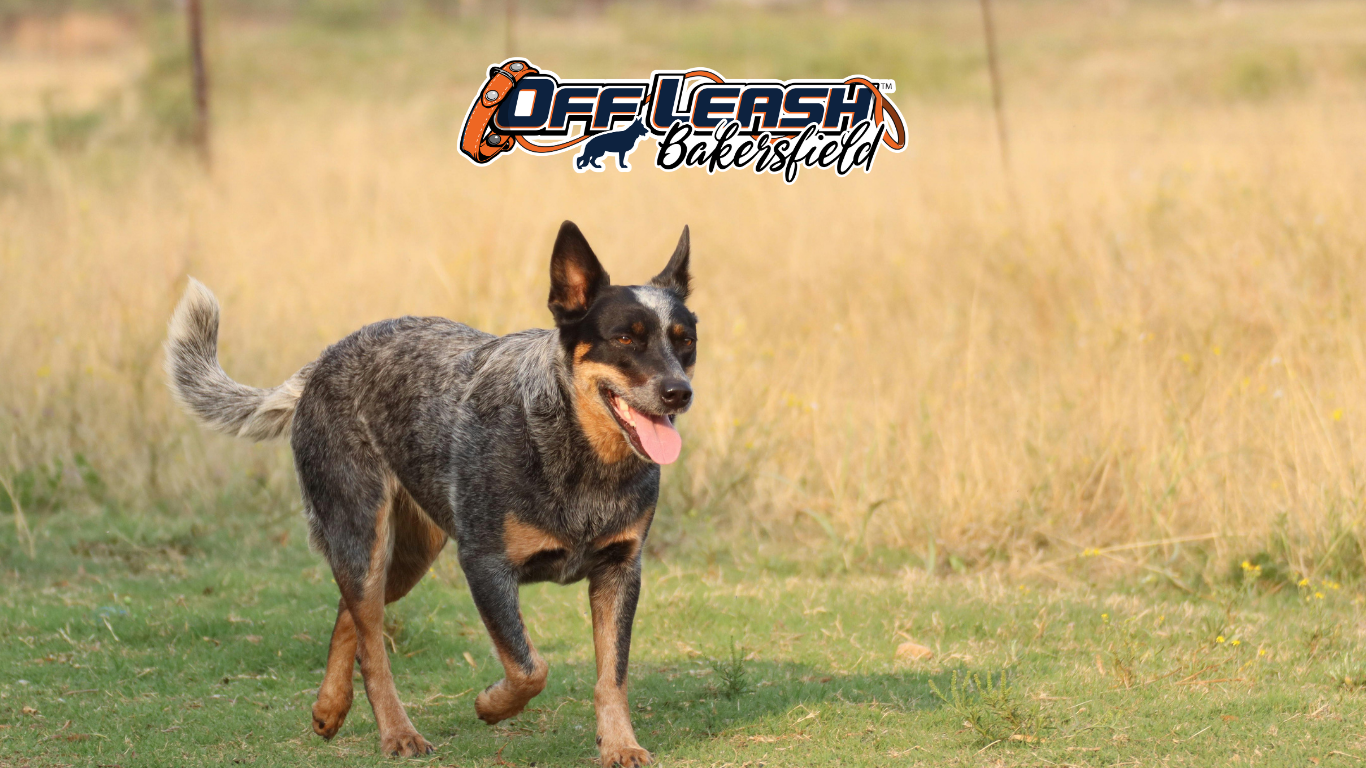
Teaching Your Dog Neutrality Toward Wildlife
Imagine walking through a serene forest with your dog, only to have them spooked by the sight of a deer. Training dogs to remain calm and neutral in the presence of wildlife can prevent such disturbances. Not only does it ensure the peace of mind for both you and your dog, but it also contributes to the preservation of local ecosystems.
Historically, dogs have been hunters and herders, making neutrality toward wildlife a challenging but necessary task. Research indicates that consistent training programs can significantly reduce instances of dogs chasing wildlife, benefiting both parties. Implementing obedience training early on and reinforcing it regularly can help dilute their instinct to chase, leading to harmonious walks in nature.
Training your dog to remain neutral toward wildlife involves consistent exposure, positive reinforcement, and controlled environments. Utilizing commands like “leave it” or “stay” while rewarding calm behavior with treats or praise can help. Gradual exposure to different wildlife scenarios ensures your dog stays composed in diverse environments.
Teaching Your Dog Neutrality Toward Wildlife
Teaching your dog to remain calm around wildlife can be a rewarding experience. By prioritizing wildlife neutrality, you help ensure the safety of both your dog and the animals they might encounter. Start by gradually exposing your dog to different types of wildlife in controlled environments. This allows them to become accustomed to the presence of other animals without feeling the need to chase. Consistent exposure will help develop their calm behavior over time.
Using positive reinforcement is key in this training process. Reward your dog with treats or praise when they show neutrality towards wildlife. Combining rewards with clear commands can be very effective. Over time, your dog will begin to associate calm behavior with positive outcomes. This association helps solidify their training and makes it easier to maintain.
Training tools such as leashes and harnesses can provide you with better control over your dog during walks. Keeping your dog on a leash while exposing them to wildlife can prevent sudden lunges or chases. This controlled environment aids in reinforcing the desired behavior. As your dog becomes more reliable, you can gradually extend the length of the leash. This incremental process helps build trust and confidence in their ability to stay calm.
Long-term maintenance of wildlife neutrality involves regular practice and consistency. Make sure to incorporate different environments into your training routine. For example, practice in parks, trails, and other natural areas. This helps make your dog adaptable and prepared for various situations. Creating a structured training schedule can help sustain their neutrality toward wildlife in unique settings.
Key principles for building wildlife neutrality in dogs
Consistency is a key principle when teaching your dog neutrality toward wildlife. Regular training sessions help reinforce positive behaviors, making your dog more reliable over time. It’s important to stay patient and not rush the process. Every dog learns at a different pace, so allow them the time they need to adjust. Consistent practice helps solidify their training.
Positive reinforcement is another essential principle. Using treats, praise, or play as rewards can motivate your dog to remain calm around wildlife. This method encourages them to associate neutrality with positive outcomes. Gradually reduce the rewards as they become more consistent in their calm behavior. This adjustment ensures they maintain neutrality even without frequent rewards.
Control is crucial during the initial stages of training. Using tools like leashes and harnesses provides better management of your dog’s movements. These tools allow you to keep your dog close and prevent them from darting after wildlife. Eventually, you can test their training in controlled off-leash areas. Ensuring you have control helps guide them towards desired behaviors.
Exposure to different environments is vital for comprehensive training. Introducing your dog to a variety of locations can help them generalize their calm behavior to new situations. Practice in parks, hiking trails, and suburban areas. This variety ensures they stay neutral toward wildlife in any setting. Continued exposure to diverse environments reinforces their training.
Why wildlife neutrality is important for dogs and owners
Wildlife neutrality is vital for maintaining a peaceful environment during walks and outdoor activities. It helps prevent distress to both dogs and wildlife, ensuring a safer experience for everyone involved. Chasing or lunging at wildlife can lead to injuries for animals and dogs alike. This behavior can also disrupt local ecosystems. Maintaining neutrality contributes to the well-being of the surrounding nature.
For dog owners, a calm and controlled animal simplifies outdoor activities and hikes. It allows for a more enjoyable experience without the constant worry of unexpected chases. Additionally, well-behaved dogs are easier to manage in public. This can lead to positive interactions with other pet owners and the general public. It also demonstrates responsible pet ownership.
Neutral behavior is particularly crucial in areas with protected wildlife. Some regions have strict laws against disturbing local fauna, and a dog that chases wildlife could lead to legal issues. Training your dog to be neutral helps avoid these complications. It also promotes ethical interactions with nature. Respecting wildlife is crucial for conservation efforts.
Wildlife neutrality can enhance a dog’s overall behavior and obedience. Regular training sessions for neutrality reinforce general commands, improving discipline. It helps build a stronger bond between the dog and owner through consistent training. As the dog learns to stay calm, they become better adapted to various environments. This adaptability is beneficial for both the dog’s and owner’s experiences.
Common challenges when training for wildlife neutrality
One common challenge is overcoming a dog’s natural prey drive. Many breeds have strong instincts to chase animals, making it hard to resist the temptation. This drive can make initial training sessions frustrating. Patience and consistency are crucial in overcoming this. It’s essential to reward calm behavior consistently to build new habits.
Distractions during training sessions can also pose significant challenges. Wildlife-rich environments are naturally full of distractions for dogs. Managing these distractions requires diligent control and guidance. Using tools like leashes and harnesses can help maintain focus. Gradually increasing the complexity of the environment can make the training more effective.
Some dogs are more stubborn and resistant to training than others. These dogs may need more time and effort to learn neutrality. Tailoring training techniques to suit the specific needs of such dogs can be beneficial. Adapting methods like extended training sessions or diverse rewards might be necessary. Persistence in training ensures progress, even with the most stubborn dogs.
Owners often face the issue of maintaining consistency outside of training sessions. Real-world scenarios can vary greatly from controlled training environments. Sudden wildlife appearances can trigger unexpected reactions in dogs. Owners must remain vigilant and ready to reinforce training at any moment. Practicing commands regularly can help manage these unpredictable situations.
External factors such as environmental changes can also affect training. Seasonal changes can introduce new wildlife, altering the nature of distractions. Furthermore, different settings like urban versus rural areas present distinct challenges. Addressing these variations involves frequent adaptability in training routines. Closely monitoring a dog’s behavior in various environments ensures comprehensive training.
Social interactions with other dogs during training can lead to additional challenges. Dogs may become more reactive in the presence of their peers, especially if they observe others chasing wildlife. Group training sessions can help mitigate this by providing controlled social exposure. Owners should guide their dogs to ignore distractions from other animals. Collaboration with other pet owners can create a supportive training community.
Positive training methods and step-by-step exercises
Using positive reinforcement is critical in training dogs for wildlife neutrality. This method involves rewarding good behavior with treats, praise, or play. Dogs learn best when they associate actions with positive outcomes. It encourages them to repeat the desired behavior. Start by rewarding your dog whenever they stay calm around wildlife.
One effective exercise is the “look at me” command. When wildlife appears, prompt your dog to focus on you instead. Always have treats on hand to reward this behavior. This command helps divert their attention from potential distractions. It also reinforces the bond between you and your dog.
Practicing controlled exposure to wildlife is another vital step. Begin in a safe, controlled environment with minimal wildlife presence. Gradually increase the complexity of the setting. This gradual exposure helps desensitize your dog to wildlife. Over time, they will learn to stay neutral in more diverse situations.
Leash training exercises can also be beneficial. Use a short leash at first to maintain control. Practice walking past wildlife at a steady pace. Reward your dog for remaining calm and focused. As your dog improves, you can switch to a longer leash for more freedom.
Integrating obedience training into your routine enhances overall behavior. Commands like “sit,” “stay,” and “leave it” are foundational for wildlife neutrality. Regular practice of these commands in various environments is essential. Consistency helps reinforce their training. This integration ensures a well-rounded and obedient dog.
Group training sessions can serve as an additional resource. Social exposure in a controlled group setting can help reinforce neutrality. Dogs can learn from observing each other’s behavior. This communal experience provides support for both dogs and owners. It also allows for shared learning and progress.
Long-term strategies for maintaining neutrality in diverse environments
Building a structured routine is essential for maintaining wildlife neutrality. Regular training sessions help reinforce previously learned behaviors. Consistency in commands and rewards strengthens your dog’s memory. This practice ensures they remain calm regardless of changing environments. A well-established routine is the foundation of long-term success.
Diversifying the locations of your training sessions can significantly improve adaptability. Expose your dog to various settings such as parks, urban areas, and nature trails. This exposure helps them generalize their neutral behavior across different environments. Each new location offers a unique set of distractions. Over time, your dog will become more reliable in maintaining neutrality.
Utilizing ongoing reinforcement techniques is crucial. Even after initial training, continue rewarding your dog for calm behavior. Introducing occasional rewards keeps them motivated. This reinforcement solidifies their learned behavior. Long-term consistency in rewards fosters sustained neutrality.
Group activities can provide additional training opportunities. Join dog training clubs or community groups that focus on outdoor activities. These groups offer a controlled environment for practicing neutrality. Social settings help dogs learn from one another. It also provides a chance for owners to share strategies and tips.
Regularly revisiting basic commands can also support long-term success. Commands like “sit” and “stay” are fundamental for managing your dog. Frequent practice ensures these commands stay strong. Incorporate them into your daily walks and routine. Strong command recall is key to managing unexpected wildlife encounters.
Monitoring and adjusting the training plan as needed ensures ongoing improvement. Each dog progresses at a different pace, and flexibility is vital. Pay attention to your dog’s behavior and identify any emerging issues. Modify the training tactics when necessary. This proactive approach helps maintain their neutrality in any environment.
Frequently Asked Questions
Discover some common questions experts often have about training dogs to be neutral toward wildlife. These insights will help you better understand the process and methods involved.
1. What are effective methods for training a dog to ignore wildlife?
Effective methods include positive reinforcement and controlled exposure to wildlife. Begin with short distances and gradually increase as your dog shows progress. Reward your dog with treats and praise when they remain calm. Consistency is key to reinforcing the desired behavior over time. Practice these methods regularly to see lasting results.
You can also use commands like “leave it” or “stay” to redirect their focus. Training tools like leashes and harnesses can give you better control. Controlled environments make initial training easier. Over time, your dog will learn to ignore wildlife without much prompting. This training requires patience and persistence.
2. How long does it usually take to train a dog to be neutral toward wildlife?
The time it takes varies depending on the dog’s temperament and consistency of training. Some dogs may take a few weeks, while others might need several months. Regular training sessions and patience are essential. Consistent practice ensures the dog understands the expected behavior. The key is to maintain persistence throughout the process.
Frequent and short training sessions tend to be more effective. This keeps the dog engaged without overwhelming them. As your dog shows improvement, gradually increase the complexity of the training environment. Patience and steadiness are vital to achieve lasting results. Adjust the training intensity based on your dog’s progress.
3. What common mistakes should be avoided when training a dog for wildlife neutrality?
Avoid rushing the training process, as patience is crucial. Overloading your dog with too many commands can lead to confusion. Stick to simple and clear instructions. Inconsistency in training can also undermine your efforts. Ensure every family member follows the same rules and commands.
Using punishment instead of positive reinforcement can cause fear and anxiety. This approach is counterproductive and can damage your bond with the dog. Always focus on rewarding good behavior. It’s equally important to control the environment in the early stages of training. Gradual exposure helps dogs adapt better to the presence of wildlife.
4. Can older dogs be trained to be neutral toward wildlife?
Yes, older dogs can be trained to be neutral toward wildlife, though it might take longer. Older dogs may have ingrained habits, making initial training more challenging. Using positive reinforcement and consistency can help. Tailoring training techniques to suit their specific needs is essential. Be patient and reward their gradual progress.
Older dogs often benefit from shorter and more frequent training sessions. This approach helps keep their attention focused without tiring them out. Adapting the training environment and methods can further aid their learning. Over time, they can learn to remain calm around wildlife. Persistence and patience will yield rewarding results.
5. Why is it important to teach dogs neutrality toward wildlife?
Teaching dogs neutrality toward wildlife ensures their safety and the protection of local fauna. This training helps prevent dangerous situations and conflicts. Dogs that chase wildlife can sustain injuries or cause harm to animals. Remaining calm ensures a peaceful coexistence. It also minimizes stress for both the dog and owner.
Moreover, some areas have strict laws against disturbing local wildlife. A well-trained dog avoids these issues. This training also contributes to responsible pet ownership. It demonstrates a commitment to the well-being of both your dog and the environment. Ensuring your dog remains neutral is beneficial for all parties involved.
Conclusion
Teaching your dog neutrality toward wildlife is both a rewarding and crucial endeavor. It enhances their safety and ensures a peaceful coexistence with the environment. Utilizing positive reinforcement and consistent training, any dog can learn this valuable behavior. It requires patience, but the benefits are significant.
Adapting your training methods to fit your dog’s unique needs is key. Regular practice in varied environments helps solidify their skills. The long-term benefits include a well-behaved dog and a harmonious relationship with nature. Dedication to this training will yield lasting and positive results.
"*" indicates required fields