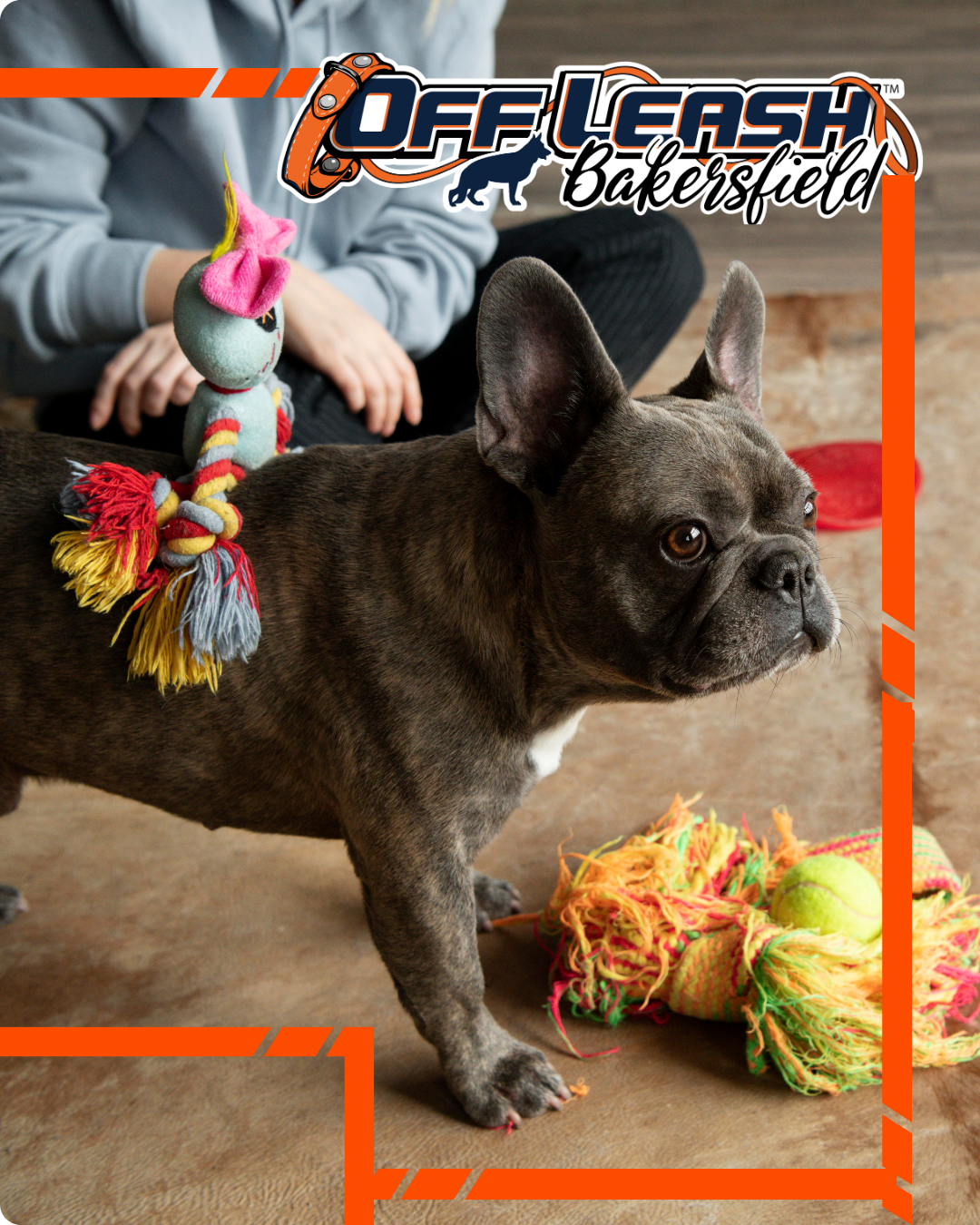
Brain games and enrichment activities for dogs
It’s fascinating to know that dogs can experience mental fatigue, just as humans do. Brain games and enrichment activities play a crucial role in maintaining a dog’s mental health. These activities not only provide essential mental stimulation but also aid in reducing anxiety, stress, and boredom.
Historically, dogs have been working alongside humans for thousands of years, performing tasks that challenge their intelligence and instincts. A study highlighted that engaging dogs in mental exercises can increase their problem-solving skills by up to 60%. Puzzle toys, scent games, and interactive feeders are excellent tools to enrich a dog’s environment, promoting cognitive growth and overall well-being.
Brain games and enrichment activities for dogs involve puzzle toys, scent games, and interactive feeders. These activities reduce boredom, alleviate stress, and enhance cognitive function. Engaging in such tasks leads to better-behaved pets by keeping their minds sharp and satisfied, ultimately promoting both mental and physical well-being.

The importance of mental stimulation for dogs
Mental stimulation is essential for keeping dogs happy and healthy. Just like humans, dogs can get bored without enough mental challenges. Without proper stimulation, they may develop behavior problems, such as chewing furniture or excessive barking. Engaging them in various brain games can significantly improve their mood and behavior. It’s a win-win situation for both dogs and their owners.
Not all dogs need the same level of mental stimulation. Different breeds and individual dogs have varying mental needs. For example, working breeds like Border Collies often require more mental challenges compared to other breeds. Tailoring activities to suit your dog’s needs ensures they remain engaged and content. Understanding your dog’s unique requirements is key.
Enrichment activities come in various forms, and not all require special equipment. You can create DIY puzzles or use treat-dispensing toys to keep your dog entertained. Hiding treats around the house encourages your dog to use their sense of smell. Training sessions also count as mental stimulation, especially if they involve new tricks. These activities provide a mix of fun and learning.
Consistent mental stimulation can lead to a better-behaved dog. When dogs are mentally fulfilled, they’re less likely to develop destructive habits. Enrichment activities help in reducing stress and anxiety, promoting overall well-being. Moreover, spending time with your dog during these activities strengthens your bond. It’s an excellent way to enhance their quality of life while ensuring they’re mentally sharp.
Why mental challenges are crucial for canine health
Mental challenges play an essential role in a dog’s overall health. Without enough mental stimulation, dogs can develop anxiety and stress. These issues could lead to unwanted behaviors such as chewing, digging, or excessive barking. Engaging dogs in thoughtful activities helps keep their minds sharp. This, in turn, reduces the likelihood of these problem behaviors.
Many pet owners focus primarily on their dogs’ physical health, sometimes overlooking mental needs. However, activities like puzzle toys and scent games can make a significant difference. These tasks simulate natural behaviors like hunting and foraging, providing both exercise and mental stimulation. Dogs enjoy the challenge and reward of problem-solving. These activities enhance their mental agility.
Consistency in mental activities translates to long-term benefits. Just like humans, dogs experience cognitive decline as they age. Regular mental exercise can slow this process. Engaging older dogs with simple brain games helps maintain their cognitive function. It’s essential to start these activities early and continue them throughout their lives.
There are various ways to incorporate mental challenges into your dog’s routine. Consider activities like obedience training, agility courses, or interactive feeders. These methods not only provide mental exercises but also strengthen the bond between you and your dog. Regular practice will make a noticeable impact on your dog’s happiness and overall health. Mental well-being is as important as physical health for dogs.
Types of brain games for dogs
Brain games for dogs come in various forms, each designed to challenge and entertain. Puzzle toys are a favorite, featuring hidden compartments that require your dog to figure out how to access treats. These toys are excellent for mental stimulation, keeping your dog engaged for longer periods. They vary in difficulty, making it easy to find one that suits your dog’s skill level. Puzzle toys enhance problem-solving skills and patience.
Interactive feeders are another effective way to engage your dog’s mind during mealtime. These feeders make dogs work for their food by using their paws or noses to move pieces around. This slows down their eating pace and provides mental stimulation. Over time, dogs learn new strategies to access their food, which keeps them mentally sharp. It’s a fun and rewarding experience for them.
Scent games involve hiding treats around the house or yard and encouraging your dog to find them using their nose. This activity taps into their natural hunting instincts, providing both mental and physical exercise. You can make these games more challenging by hiding treats in harder-to-reach places. Scent games are great for dogs of all ages and breeds.
Training sessions are also a form of mental stimulation. Teaching your dog new commands or tricks exercises their brain and strengthens your bond. These sessions should be short and fun to keep your dog interested. Introducing new challenges and commands regularly keeps the training fresh. Consistent training helps improve your dog’s concentration and obedience.
Benefits of enrichment activities
Enrichment activities offer a multitude of benefits for dogs, both mentally and physically. These activities engage their brains, which helps in reducing boredom. Boredom can often lead to undesirable behaviors like chewing or excessive barking. By keeping their minds occupied, dogs are less likely to develop these habits. Mental engagement also brings a sense of satisfaction and joy to dogs.
Another significant benefit is stress reduction. Stress in dogs can manifest through pacing, whining, or destructive behavior. Engaging in enrichment activities alleviates stress by providing a positive outlet for their energy. These activities mimic natural behaviors, allowing dogs to act on their instincts. This helps in creating a more relaxed and calm demeanor.
Physical health is also improved through these activities. Interactive games and toys often require movement, promoting regular exercise. This keeps dogs fit and can help prevent obesity. Additionally, the combination of mental and physical exercise can tire dogs out more effectively, resulting in better sleep patterns. A well-exercised dog is often a healthy dog.
Enrichment activities strengthen the bond between dogs and their owners. Spending time together on these activities fosters trust and companionship. It also provides an opportunity for owners to better understand their dogs’ personalities and preferences. This enhanced bond leads to a more harmonious relationship. Mutual engagement in these activities makes the experience enjoyable for both parties.
Introducing variety keeps these activities interesting. Dogs thrive when they encounter new challenges and situations. Changing up the types of games or introducing new toys prevents monotony. This constant variation keeps their brains active. It ensures continuous mental growth and stimulation.
Setting up a safe and stimulating environment
Creating a safe and stimulating environment for your dog is essential for their well-being. Start by ensuring that potential hazards are removed from your dog’s play area. This includes securing toxic plants, electrical cords, and sharp objects. Safety is the first step towards a comfortable space for your dog. A hazard-free environment allows for worry-free exploration.
Incorporating a variety of toys and activities is crucial. Interactive toys, such as puzzle feeders and plush toys, keep dogs engaged. Rotating these toys prevents boredom and keeps your dog interested. New items peak their curiosity. Consistent novelty enhances their mental stimulation.
Physical elements in the environment also play a role. Consider creating different zones in their space, such as a cozy resting area and a play zone. These zones cater to their various needs, like resting and playing. Include soft bedding for comfort and open spaces for movement. This balance is key to a pleasant environment.
Outdoor spaces can be equally enriching with a few adjustments. Secure fencing ensures a safe exploration area. You can add elements like a sandbox for digging or a kiddie pool for water activities. These additions encourage natural behaviors and provide physical exercise. Mixed-use environments cater to diverse interests.
Providing mental challenges within the safe space is essential. Hide treats in different spots or create simple obstacle courses. These activities engage their minds and provide fun experiences. Regularly changing the challenges keeps it exciting. A mentally stimulated dog is a happy dog.
Frequently Asked Questions
Enriching a dog’s environment with brain games and activities ensures mental and physical well-being. Below are answers to common questions about enhancing your dog’s life with these activities.
1. What are the most effective brain games for dogs?
The most effective brain games for dogs include puzzles, scent games, and treat-dispensing toys. These games stimulate their minds and keep them engaged, promoting problem-solving skills and reducing boredom. Interactive toys and training sessions are also very beneficial. Regularly providing new challenges can keep your dog’s mind sharp and active.
2. How often should I engage my dog in mental enrichment activities?
You should aim to engage your dog in mental enrichment activities daily. Consistent mental stimulation can significantly improve their overall happiness and well-being. Even a short 15-minute session can make a huge difference. Incorporate these activities into their routine to keep things interesting and fun.
3. Can mental stimulation help with my dog’s anxiety?
Mental stimulation can help reduce anxiety in dogs by providing a distraction from stressors. Engaging activities like puzzle solving and scent games can make them focus on positive tasks. Regular mental challenges can lead to a calmer and more relaxed dog. Maintaining variety in these activities ensures continuous engagement and benefits.
4. Are there specific toys that are best for mental stimulation?
Yes, specific toys like Kong treat dispensers, interactive puzzle toys, and snuffle mats are excellent for mental stimulation. These toys encourage dogs to think and solve problems to get their rewards. Other great options include tug-of-war toys and training tools. Rotating these toys keeps the experience fresh and exciting for your dog.
5. How can I create DIY brain games for my dog?
You can create DIY brain games using everyday items like cardboard boxes, muffin tins, and treat-hiding toys. Hide treats or kibble in these items and let your dog figure out how to get them. Another idea is to use a towel and fold it with treats inside for a simple scent game. DIY games are affordable and easy to make, providing endless fun and engagement.
Conclusion
Engaging dogs in brain games and enrichment activities is essential for their mental and physical well-being. These activities reduce stress, combat boredom, and improve overall behavior. By incorporating a variety of mental challenges, we can keep our dogs happy and healthy. It’s a rewarding experience for both dogs and their owners.
Creating a stimulating environment with safe and engaging activities can strengthen the bond between dogs and their humans. Consistent mental exercise ensures lifelong cognitive benefits, enhancing their quality of life. Adopting these practices is a step towards a more fulfilled and content canine companion. Both the dog and owner benefit from this enriching journey.
"*" indicates required fields