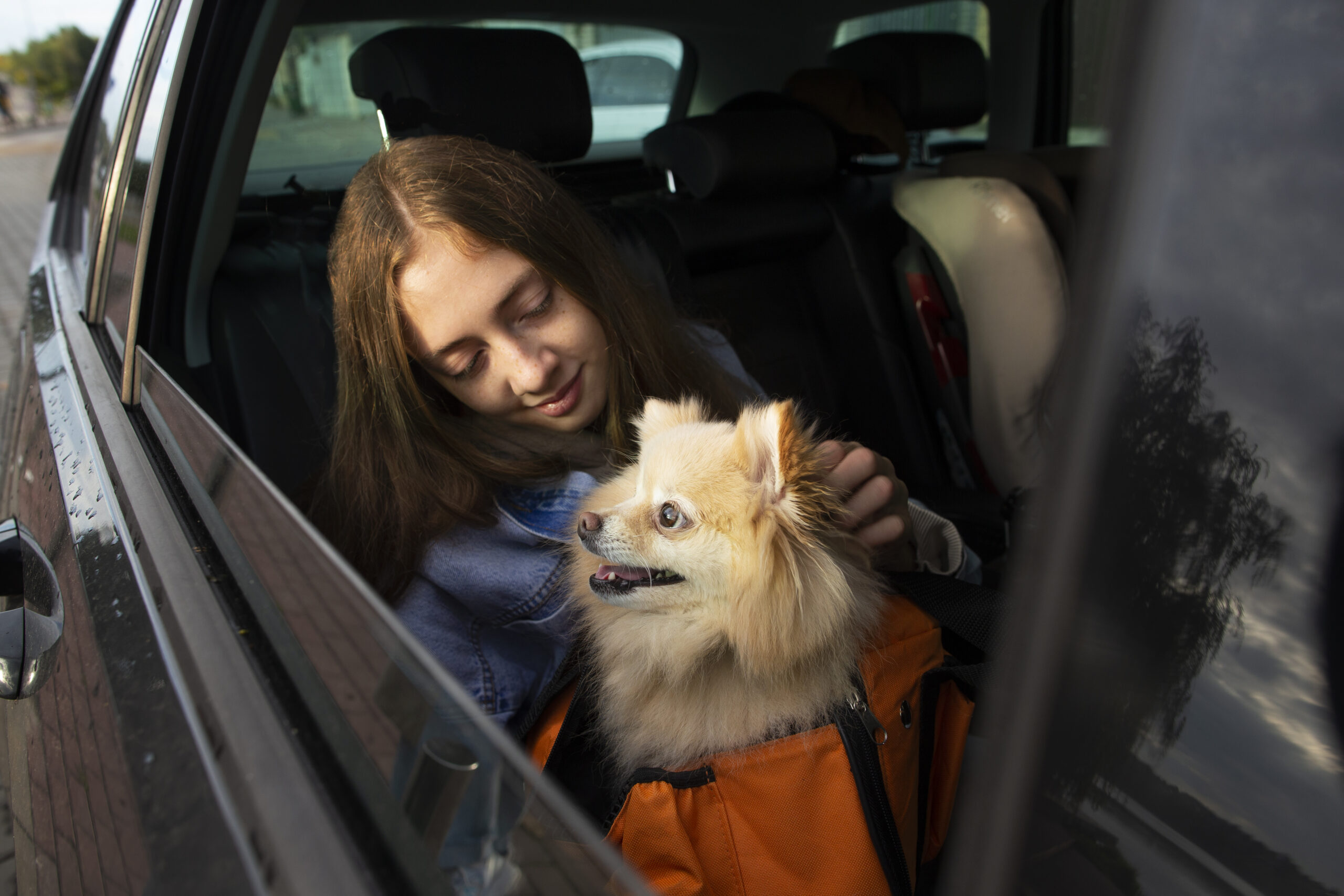
Helping dogs overcome car anxiety
It’s remarkable to think that an estimated 40% of dogs experience anxiety related to car travel. This often-misunderstood issue can lead to significant distress not only for our canine companions but for their owners as well. Understanding the underlying factors contributing to this anxiety is essential for devising effective strategies to alleviate it.
Historically, car anxiety in dogs has been attributed to a combination of motion sickness and lack of early socialization. Many owners might be surprised to learn that gradual desensitization and positive reinforcement can drastically improve their pet’s comfort levels in a vehicle. Identifying specific triggers and working systematically to create positive associations with car rides can make a world of difference.
Helping dogs overcome car anxiety involves gradual desensitization, creating a comfortable travel environment with familiar items, and using calming aids like pheromone sprays or anxiety wraps. Positive reinforcement during car rides is crucial, as is consulting with a vet for persistent issues. Regular short trips can build confidence and reduce stress.
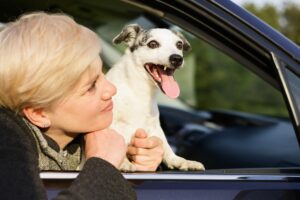
Recognizing Signs of Car Anxiety in Dogs
Identifying car anxiety in dogs can be challenging, but certain behaviors are telltale signs. Your dog might drool excessively or start panting heavily when inside the car. Other common symptoms include whimpering, barking, or attempting to escape.
Physical signs of anxiety can be more subtle, like trembling or shaking. Some dogs might even refuse to get into the car altogether. Observing these signs early can help in managing the anxiety before it escalates.
Behavioral changes are another indicator of car anxiety. Dogs may become overly clingy or withdraw and hide before car trips. Additionally, they may exhibit destructive behavior, scratching or chewing inside the vehicle.
Monitoring your dog’s reactions during car rides is essential. It’s helpful to keep a journal to note their behavior patterns. This can assist in identifying triggers and tailoring strategies to reduce stress.
Common Symptoms and Behaviors
One noticeable symptom of car anxiety in dogs is excessive drooling. This can often be accompanied by frequent panting, even in a well-ventilated car. Whining or barking are also clear signs that your dog is feeling stressed during the ride.
Many dogs with car anxiety may also display physical symptoms. These can include trembling or shaking, which indicates a high level of fear. In severe cases, some dogs might even vomit due to the stress.
Behavioral changes can be just as telling. Some dogs may hide or become unusually clingy as soon as they sense a car trip is imminent. Additionally, they might exhibit destructive behaviors, such as biting or scratching the car seats.
Observing your dog’s body language can also provide clues. Signs like flattened ears, a tucked tail, or wide, anxious-looking eyes are all indicators of discomfort. Recognizing these early can help you take steps to alleviate their anxiety.
Factors Contributing to Car Anxiety in Canines
One of the primary factors contributing to car anxiety in dogs is motion sickness. This uncomfortable feeling can cause nausea, dizziness, and vomiting. Puppies and young dogs are more susceptible because their inner ear balance system is still developing.
Lack of exposure to car rides at an early age can also lead to anxiety. If a dog does not experience regular travel during its formative months, it may develop a fear of the car. Early socialization with different environments can help mitigate this risk.
Past negative experiences in the car can create lasting anxiety. If a dog associates car trips with unpleasant events, such as vet visits or long journeys, it may develop a dread of car rides. Positive reinforcement and creating fun car-related experiences can help change these associations.
Behavioral factors, such as separation anxiety, can also manifest during car rides. Dogs that feel anxious when separated from their owners might exhibit heightened stress in a car. Comfort items, such as a favorite toy or blanket, can alleviate these feelings.
Preparation Techniques to Mitigate Anxiety
One effective technique to reduce car anxiety in dogs is gradual acclimation. This involves introducing short, positive car trips around the neighborhood. Gradually increase the duration as your dog becomes more comfortable.
Creating a safe and comfortable environment inside the car is essential. Ensure your dog has a secure crate or harness. Including familiar items like blankets or toys can provide additional comfort.
Using calming aids can also be beneficial. Products such as anxiety wraps, pheromone sprays, or calming treats can help soothe your dog. It’s advisable to consult with a vet for recommendations tailored to your pet’s specific needs.
Another technique is distraction through engaging activities. Consider using interactive toys or offering treats that keep your dog occupied during the car ride. Playing soft music can also have a calming effect on pets.
Establishing a routine can help in reducing anxiety. Keeping car trips consistent in timing and duration allows dogs to predict what will happen. Ensure to reward your dog with praise or treats upon successful journeys.
Having regular practice sessions can make a significant difference. Set aside time for brief, non-threatening car rides. Encouraging your dog with patience and positive reinforcement will help build their confidence.
Training Strategies for Comfortable Car Rides
Positive reinforcement plays a crucial role in training dogs for car rides. Rewarding your dog during and after a successful trip can help build positive associations with the car. Treats, praise, and petting are effective rewards.
Start training in a stationary car before progressing to actual rides. Allow your dog to explore the vehicle and get accustomed to the space. This can help alleviate initial fears and create a sense of familiarity.
Once your dog is comfortable in a stationary car, begin with short trips around the block. Gradually increase the length and duration of these rides. Patience and consistency are key to helping your dog adapt.
Training sessions should be kept positive and brief. Avoid forcing your dog into the car, as this can increase anxiety. Keep the mood upbeat and ensure your dog feels safe throughout the training process.
Incorporating interactive toys during rides can distract and comfort your dog. Chew toys or puzzle feeders can keep them occupied and less focused on the stress of travel. These tools can be particularly helpful for long trips.
Gradual exposure to various car environments is also beneficial. Once short rides are easily managed, try different routes or destinations. This variety helps your dog become more adaptable and resilient to changes in routine.
Maintaining Progress and Handling Setbacks
Consistently reinforcing positive behavior is vital for maintaining progress. Continue to reward calm and relaxed behavior during car rides. Celebrate small victories to build confidence in your dog.
Keep track of your dog’s progress with a journal. Documenting their reactions and improvements can help identify patterns. This way, you can adjust your strategies to better suit their needs.
Facing setbacks is a natural part of the process. If your dog shows signs of anxiety again, return to shorter, simpler trips. Patience and gradual exposure can help regain lost ground.
Introduce new elements slowly to avoid overwhelming your dog. If you need to change the car environment, do so incrementally. Making adjustments in small steps helps maintain a sense of familiarity.
Regular practice is crucial for long-term success. Set aside time for frequent, non-stressful car rides. Keeping these sessions positive ensures your dog builds and retains a sense of comfort.
Seeking professional help can be beneficial during persistent setbacks. Consulting with a vet or a dog behaviorist can provide tailored solutions. Their expertise may uncover underlying issues contributing to anxiety.

Frequently Asked Questions
Car anxiety in dogs is a common issue many pet owners face. These FAQs aim to provide insights and solutions to help you and your pet.
1. How can I tell if my dog has car anxiety?
Recognizing car anxiety in dogs involves looking for specific behaviors and symptoms. Some common signs include excessive drooling, panting, and trembling. Your dog may also whine or bark excessively during car rides.
Other indicators can include vomiting, scratching the car’s interior, and trying to escape. It’s essential to observe your dog’s behavior and identify these signs early. This will help you address the anxiety effectively and make car rides more comfortable for both of you.
2. What are the main causes of car anxiety in dogs?
Car anxiety in dogs can stem from various factors. One major cause is motion sickness, which can provoke nausea and discomfort. Young dogs are more prone to this as their balance system develops.
Past traumatic experiences in the car can also contribute to anxiety. A trip to the vet or a long journey can create negative associations. Lack of early socialization with car rides can exacerbate this issue.
3. Are there specific techniques to prepare my dog for car travel?
Yes, there are several techniques to prepare your dog for car travel. Gradual acclimation to the car can help, starting with short, positive trips. Rewarding your dog with treats and praise during these sessions is effective.
Creating a comfortable travel environment by using a secure crate or harness can also alleviate stress. Familiar items like blankets or toys can provide added comfort. Consulting with a vet for calmative aids may also be beneficial.
4. Can I use calming products to help my dog with car anxiety?
Calming products can be a helpful addition to your strategy. Pheromone sprays, anxiety wraps, and calming treats can soothe your dog during car rides. It’s important to introduce these products gradually to observe their effectiveness.
Always consult with a veterinarian before using any calming products. They can provide guidance tailored to your dog’s specific needs. In some cases, prescription medications may be recommended for severe anxiety.
5. How do I handle setbacks during training for car rides?
Handling setbacks during training requires patience and consistency. If your dog regresses, revert to shorter, simpler trips. Gradually reintroduce longer rides as their comfort level improves.
Keeping a progress journal can help track patterns and identify triggers. Adjust your strategies as needed based on these observations. Consistent positive reinforcement and creating a familiar routine are key to overcoming setbacks.
Conclusion
Helping your dog overcome car anxiety is a journey that requires patience and understanding. By recognizing the signs and addressing the root causes, you can make a significant difference in their comfort. Implementing gradual acclimation and positive reinforcement are essential steps in this process.
Using calming aids and maintaining a consistent routine will further ease your dog’s stress. Remember, consulting with a vet or a professional trainer can provide additional support. With dedication and care, you can turn car rides into a pleasant experience for both you and your furry friend.
"*" indicates required fields